Phylogenetic Characterization and Seroprevalence of Senecavirus A from Swine Farms in Taiwan
Cheng-Ju Pan, Kuo-Jung Tsai, Jen-Chieh Chang, Ming-Chung Deng, Nien-Nung Lin, Kelly M. Lager, Ian D. Robertson, Yu-Liang Huang

TL;DR
This study examines Senecavirus A in Taiwan's swine farms, finding genetic similarities to U.S. strains and high seroprevalence, aiding disease monitoring.
Contribution
The study provides new insights into the genetic diversity and seroprevalence of Senecavirus A in Taiwan's swine populations.
Findings
Taiwanese SVA strains are genetically similar to U.S. strains with 95.5–98.8% identity.
Seroprevalence in nursery/weaned swine was significantly higher (53%) than in finisher swine (6.7%).
B cell epitopes showed high sequence conservation across Taiwanese and global SVA strains.
Abstract
Senecavirus A is a virus that affects pigs and can cause blisters, often leading to confusion with more serious diseases such as foot and mouth disease. This study was designed to compare viral strains from Taiwan with other countries and how they are distributed in Taiwan. We found that the viral strains in Taiwan are genetically similar to those found in the United States of America. Furthermore, the seroprevalence data indicated that exposure to SVA is widespread in Taiwan. These findings give important information to help farmers, veterinarians, and officials monitor and control the disease more effectively. Senecavirus A (SVA) is an emerging threat to swine populations due to its potential to cause vesicular lesions, which are difficult to differentiate from other vesicular diseases of swine such as foot and mouth disease (FMD), requiring significant resources for differential…
Genes, proteins, chemicals, diseases, species, mutations and cell lines named across the full text — each resolved to its canonical identifier and authoritative record.
Click any figure to enlarge with its caption.
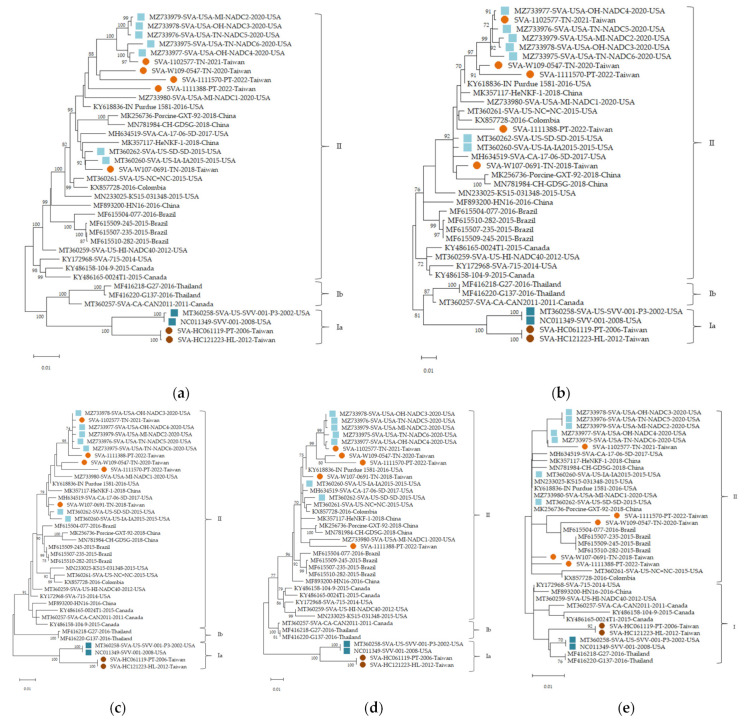 Figure 1
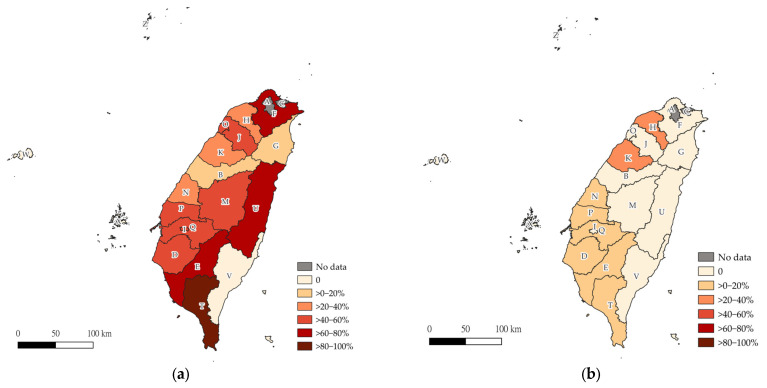 Figure 2
Peer Reviews
No public reviews on file for this paper yet. If you reviewed it on a platform where reviews are public (OpenReview, ICLR, NeurIPS, ICML), you can paste yours below so the community can read it here.
Videos
No videos yet. Explain this paper in a talk, walkthrough, or lecture? Add one.
Taxonomy
TopicsAnimal Disease Management and Epidemiology · Plant and Fungal Interactions Research · Vector-Borne Animal Diseases