Surgical pleth index to predict the success of caudal block in pediatric patients under general anesthesia
Ruchita Harchandani, Deepali Shetty, Anitha Nileshwar, Handattu Mahabaleswara Krishna, Suvajit Podder

TL;DR
This study shows that the surgical pleth index can help predict whether a caudal block is successful in children under general anesthesia.
Contribution
The study introduces the surgical pleth index as a novel objective tool for assessing caudal block success in anesthetized children.
Findings
A surgical pleth index of 43.5 before incision predicted successful caudal block with 83.3% sensitivity and 67.9% specificity.
The SPI remained low in successful blocks but increased sharply in failed blocks during surgery.
Heart rate and blood pressure changes during incision differed significantly between successful and failed block groups.
Abstract
Caudal block is usually performed after general anesthesia in children, which makes it hard to assess the success of the block. The aim of this study was to determine whether the surgical pleth index can serve as an objective tool for assessing nociception and the success of caudal block in anesthetized children. Sixty-two children aged 1–6 years, with American Society of Anesthesiologists Physical Status I and II, undergoing elective infraumbilical surgery, were included. All patients received general anesthesia with i-gel and caudal analgesia. The surgical pleth index, heart rate, and mean blood pressure were recorded throughout the procedure. Caudal block was assessed postoperatively with a gentle pinch. The patients were divided into Group S (caudal success) and Group F (caudal failure). In both groups, the SPI decreased after induction to nearly < 50. It continued to gradually…
Genes, proteins, chemicals, diseases, species, mutations and cell lines named across the full text — each resolved to its canonical identifier and authoritative record.
Click any figure to enlarge with its caption.
 Figure 1
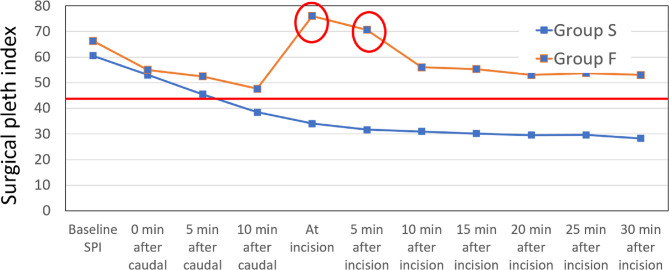 Figure 2
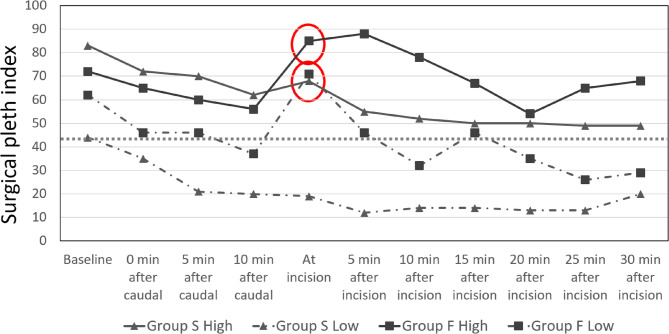 Figure 3
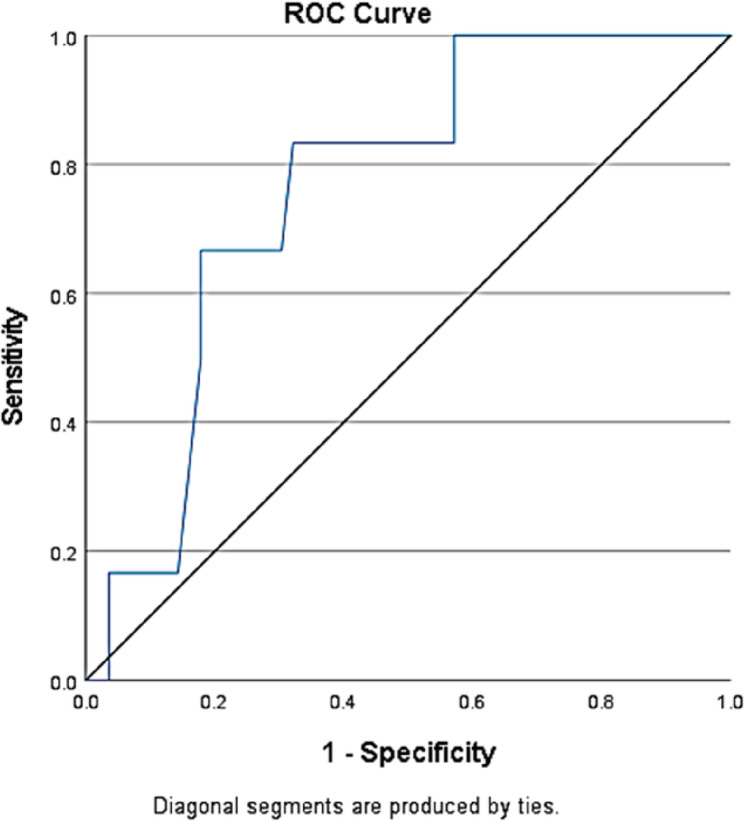 Figure 4
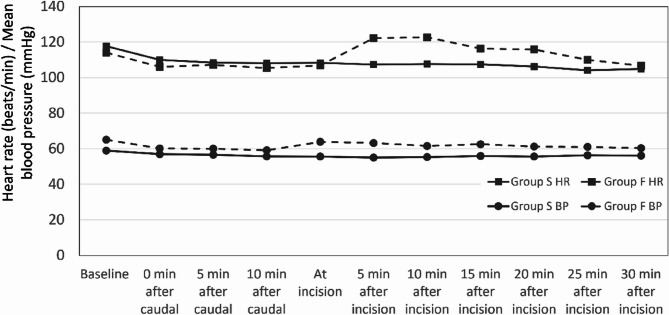 Figure 5
Peer Reviews
No public reviews on file for this paper yet. If you reviewed it on a platform where reviews are public (OpenReview, ICLR, NeurIPS, ICML), you can paste yours below so the community can read it here.
Videos
No videos yet. Explain this paper in a talk, walkthrough, or lecture? Add one.
Taxonomy
TopicsAnesthesia and Sedative Agents · Anesthesia and Pain Management · Nausea and vomiting management