A 12-week application-based group conversation intervention on cognitive health and psychosocial well-being among older adults during the COVID-19 pandemic: a randomized controlled trial
Kumi Watanabe Miura, Takuya Sekiguchi, Seiki Tokunaga, Hikaru Sugimoto, Taishiro Kishimoto, Takashi Kudo, Mihoko Otake-Matsuura

TL;DR
A 12-week app-based group conversation program for older adults in Japan did not significantly improve cognitive or psychological health, but showed smartphone familiarity may affect outcomes.
Contribution
This study evaluates an application-based conversation intervention for cognitive and psychosocial health in older adults during the pandemic, highlighting the moderating role of digital literacy.
Findings
No significant cognitive or psychological improvements were observed in the intervention group compared to the control group.
Participants unfamiliar with smartphones showed a significant decline in categorical fluency performance during the intervention.
The study highlights the importance of digital literacy in the effectiveness of app-based interventions for older adults.
Abstract
Following empirical evidence suggesting a strong connection between social activities and longevity/well-being, this topic has now entered an intervention phase, which evaluates the effectiveness of social activity interventions and accumulates practical knowledge. Among these interventions, conversation—as a core component of social activity—has emerged as a promising target for cognitive, social, and psychological health. This study examined the effects of “Photo-Integrated Conversation Moderated by Application” (PICMOA), an application-based remote conversational intervention, on the cognitive function and psychological and social well-being, as reflected by selected indicators, among community-dwelling older adults with subjective cognitive concerns in Japan. The PICMOA trial is a randomized controlled trial introducing an open-label, two parallel group trial design with a 1:1…
Genes, proteins, chemicals, diseases, species, mutations and cell lines named across the full text — each resolved to its canonical identifier and authoritative record.
Click any figure to enlarge with its caption.
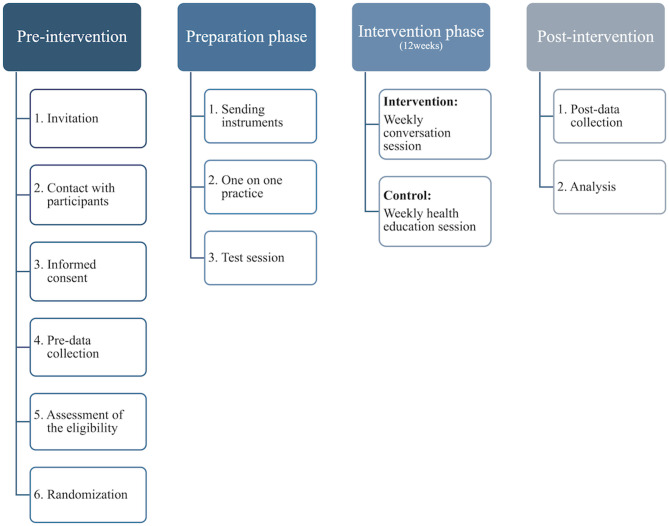 Figure 1
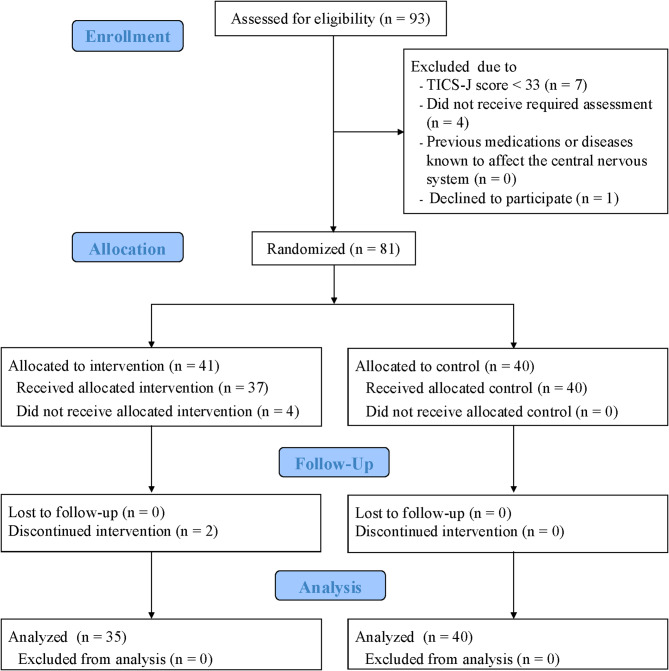 Figure 2
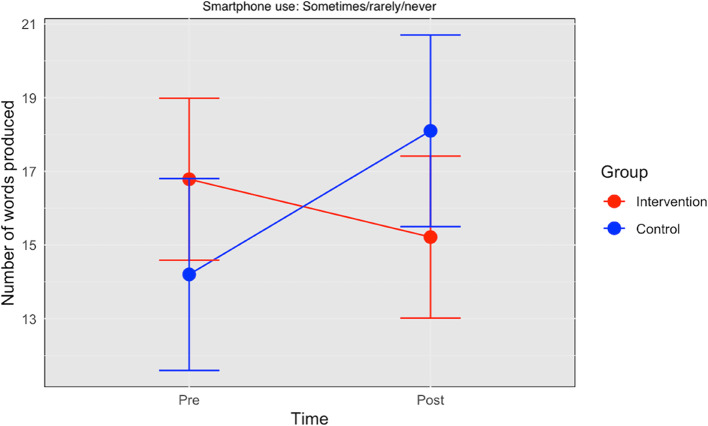 Figure 3
Peer Reviews
No public reviews on file for this paper yet. If you reviewed it on a platform where reviews are public (OpenReview, ICLR, NeurIPS, ICML), you can paste yours below so the community can read it here.
Videos
No videos yet. Explain this paper in a talk, walkthrough, or lecture? Add one.
Taxonomy
TopicsHealth disparities and outcomes · COVID-19 and Mental Health · Aging and Gerontology Research