Temporally integrated multiomics analysis elucidates intricate regulatory mechanisms of ASFV in a wild boar lung-derived clonal cell line
Hua Wang, Miaomiao Ye, Wenlian Weng, Jiajun Wu, Yajin Qu, Peng Gao, Yongning Zhang, Lei Zhou, Xinna Ge, Xin Guo, Jun Han, Hanchun Yang

TL;DR
This study uses multiomics to explore how African swine fever virus interacts with a wild boar cell line, revealing key regulatory mechanisms and potential targets for antiviral strategies.
Contribution
The study introduces a temporally integrated multiomics approach to uncover ASFV-host interactions in a newly optimized wild boar cell line.
Findings
Over 17,000 genes and 5100 proteins were identified, with 1594 differentially expressed genes and 923 differentially expressed proteins.
Early infection involves metabolic reprogramming via solute carrier proteins, while late infection features immune activation and apoptotic regulation.
Only STX17 and ZNF512 knockdown significantly impaired ASFV replication, highlighting their role as host dependency factors.
Abstract
African swine fever virus (ASFV) is a large double-stranded DNA virus that poses a significant threat to the global pig industry. Currently, our understanding of ASFV biology remains limited, as there is a lack of suitable cell lines to support its propagation and analysis. Here, we optimized a wild boar lung cell line to increase its susceptibility to ASFV, followed by temporally integrated transcriptomic and proteomic analyses of ASFV infection. Multiomics analysis revealed more than 17,000 genes and 5100 proteins, with 1594 differentially expressed genes (DEGs) and 923 differentially expressed proteins (DEPs) identified. Temporal dynamics revealed stage-specific host modulation: early-phase DEPs orchestrated metabolic reprogramming and transmembrane transport via the solute carrier superfamily (e.g., SLC25A, SLC30A, and SLC44A2), whereas the late infection phase featured concurrent…
Genes, proteins, chemicals, diseases, species, mutations and cell lines named across the full text — each resolved to its canonical identifier and authoritative record.
Click any figure to enlarge with its caption.
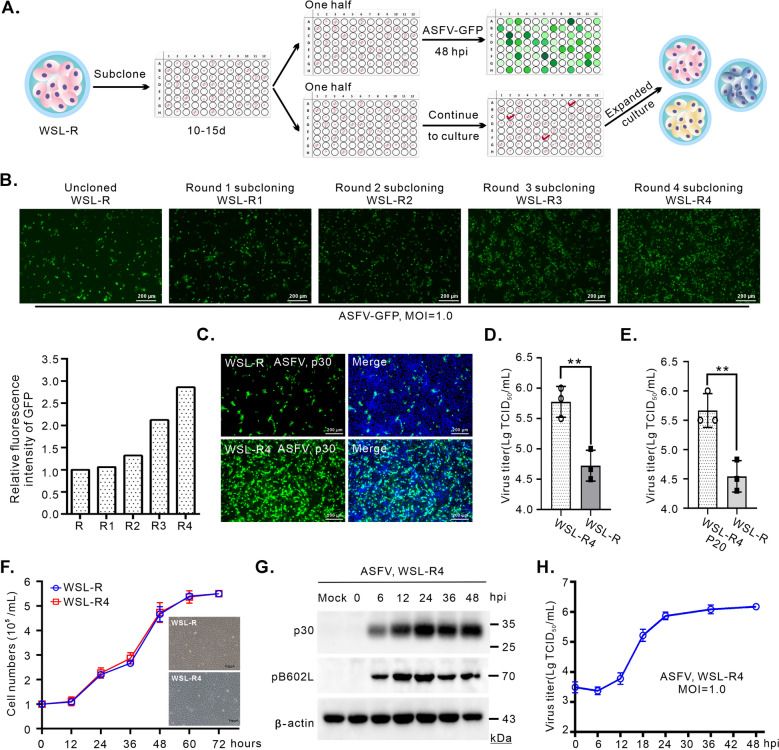 Figure 1
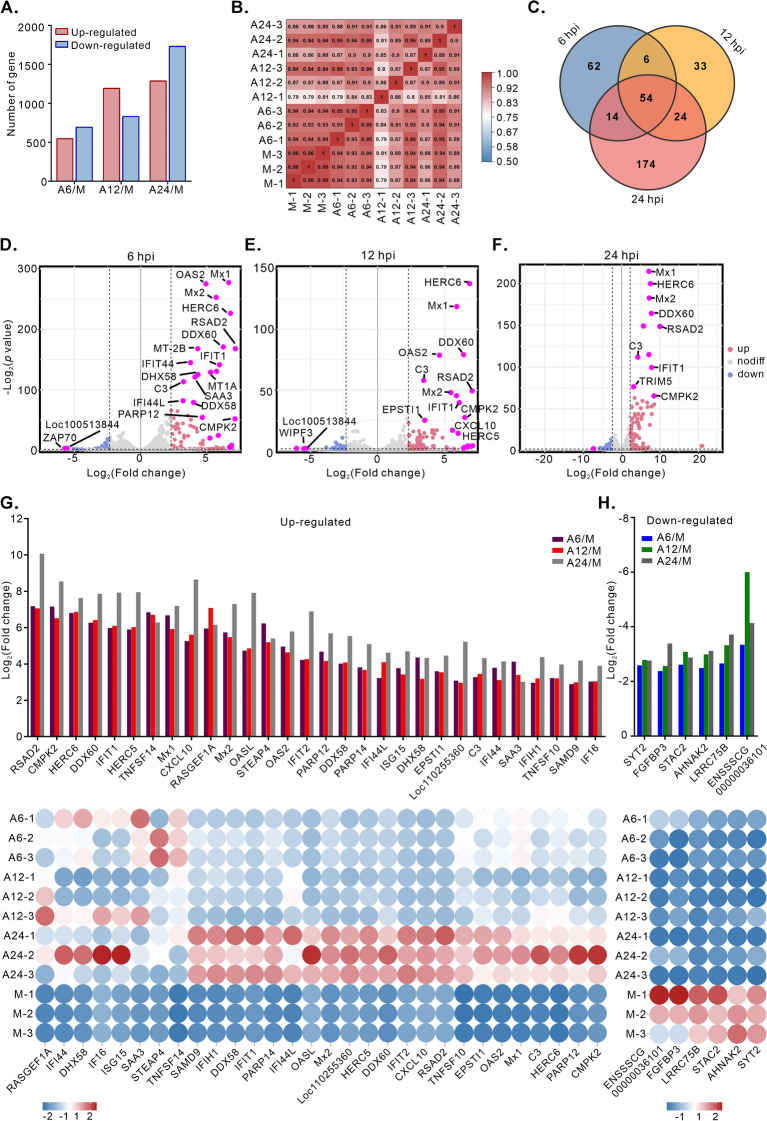 Figure 2
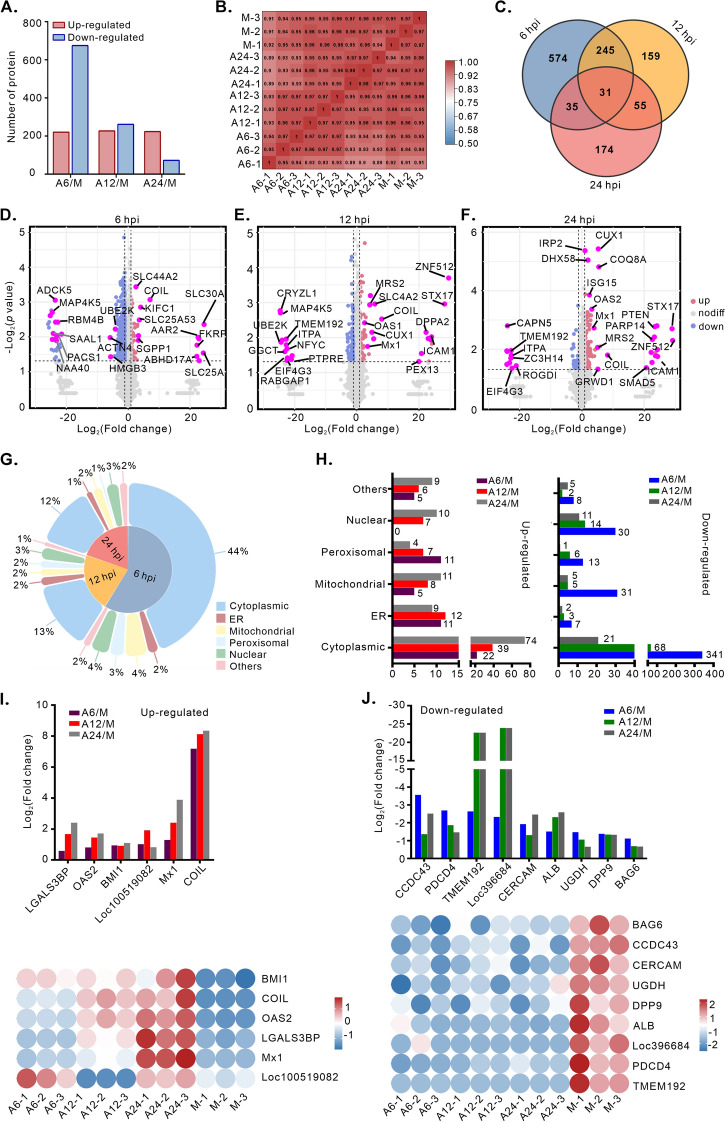 Figure 3
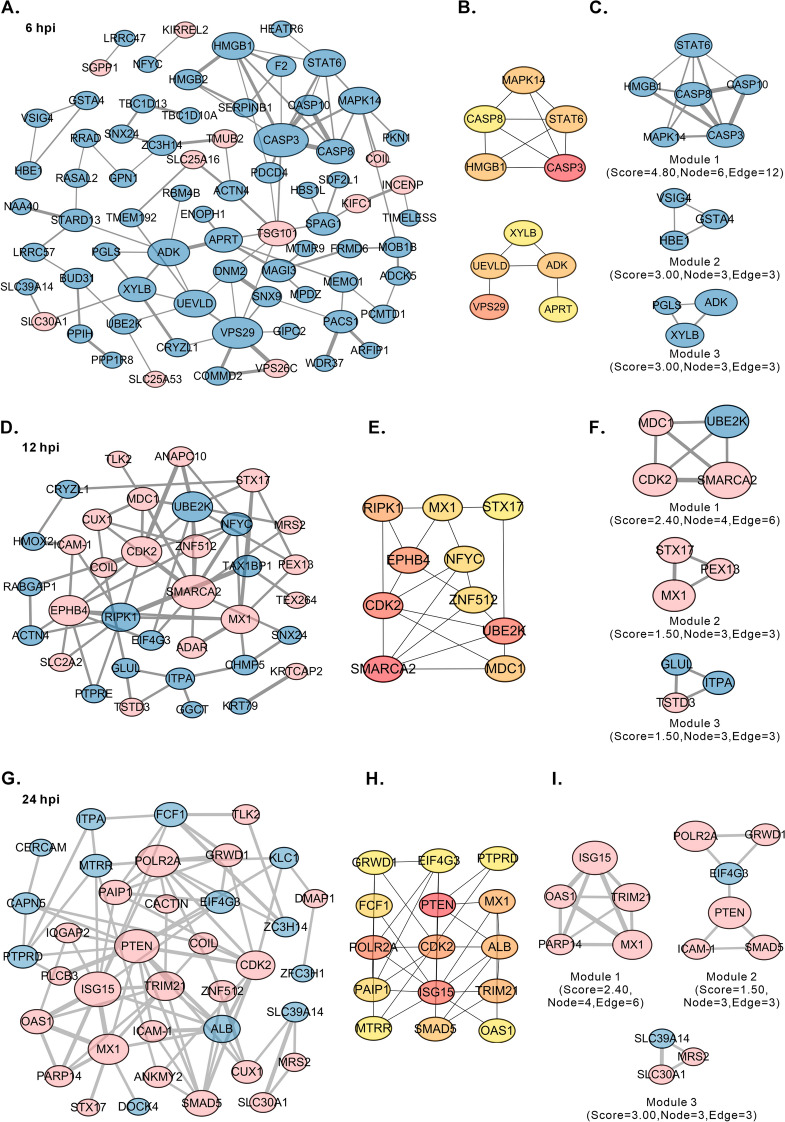 Figure 4
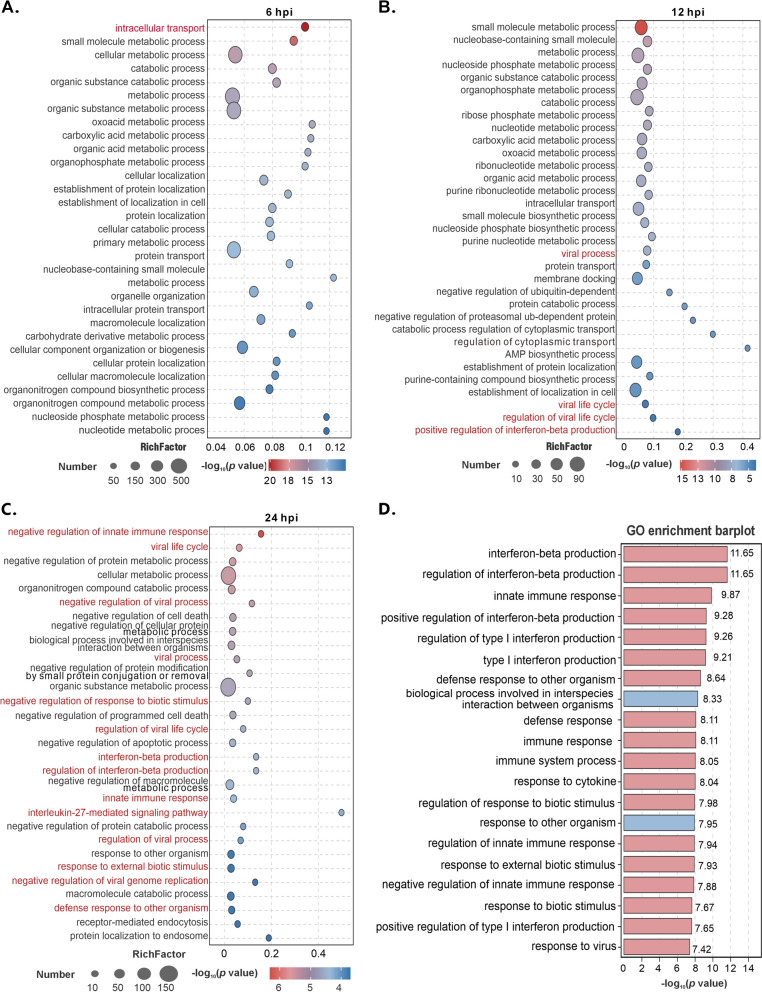 Figure 5
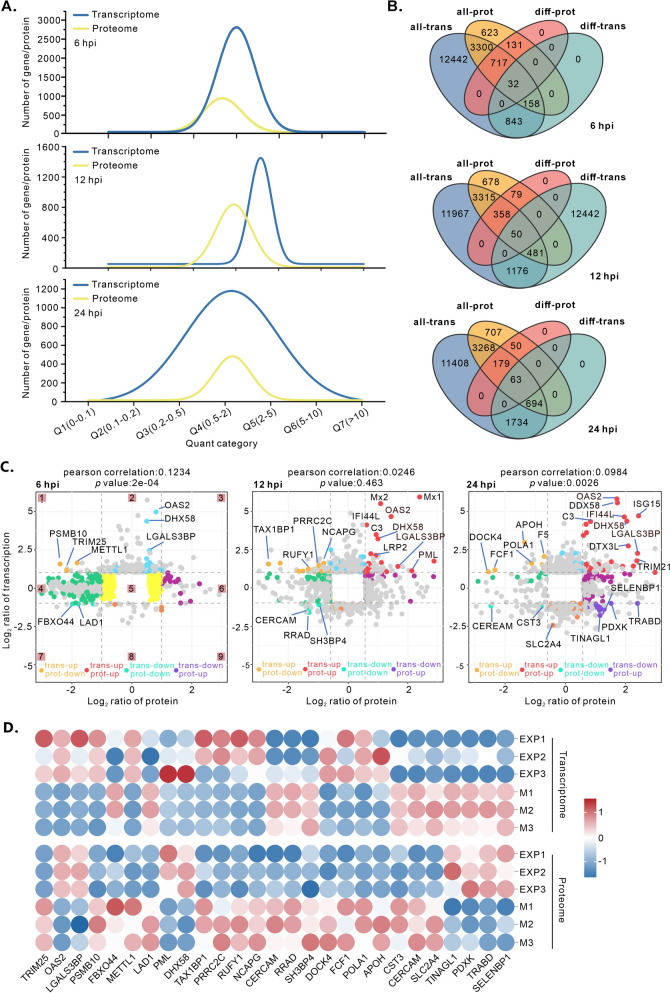 Figure 6
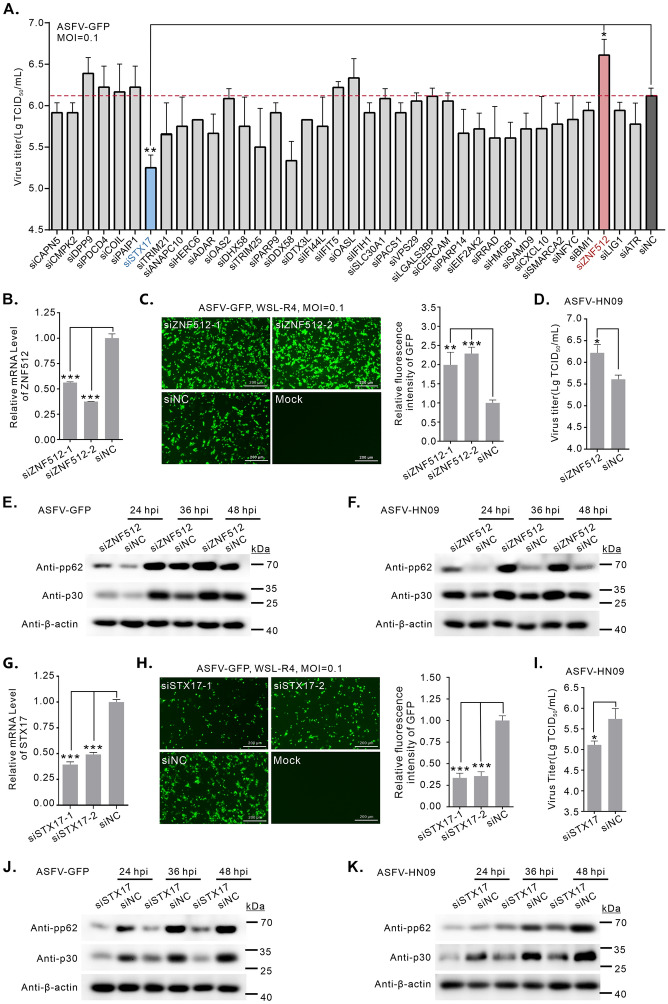 Figure 7
Peer Reviews
No public reviews on file for this paper yet. If you reviewed it on a platform where reviews are public (OpenReview, ICLR, NeurIPS, ICML), you can paste yours below so the community can read it here.
Videos
No videos yet. Explain this paper in a talk, walkthrough, or lecture? Add one.
Taxonomy
TopicsAnimal Disease Management and Epidemiology · Vector-Borne Animal Diseases · Animal Virus Infections Studies