Secretome from human placenta-derived mesenchymal stem cells repairs mechanically induced meniscus injury in mice by activating the proliferation and suppressing the apoptosis of endogenous meniscus progenitor cells
Wei-Heng Chen, Wei-Yu Lai, Duy-Cuong Le, Jui-Chien Hsing, Mai-Huong T. Ngo, Cheng-Xiang Kao, Kang-Yun Fan, Gee-Way Lin, Thai-Yen Ling, Yung-Che Kuo, Yen-Hua Huang

TL;DR
Human placenta-derived stem cell secretome helps repair meniscus injuries in mice by boosting cell growth and reducing cell death.
Contribution
This is the first study showing that pcMSC secretome activates endogenous meniscus progenitor cells to repair injuries in vivo and in vitro.
Findings
pcMSC secretome reduced meniscus injury in mice and cell models through proliferation and anti-apoptosis.
Secretome factors like IGF-1, VEGFA, and exosomal miRNAs modulated ECM formation and anti-inflammation.
Growth factors and miRNAs in secretome mediated regeneration and suppressed cartilage matrix degradation.
Abstract
Meniscus diseases present certain therapeutic limitations. Although meniscectomy is the primary treatment option for meniscus injury (MI), this approach may accelerate the development of osteoarthritis and other degenerative joint diseases, and its therapeutic efficacy remains controversial. While human mesenchymal stem cells (MSCs) have emerged as a promising treatment option for MI, particularly in promoting cell proliferation and preventing apoptosis, their effect on activating endogenous meniscus progenitor cells (MPCs) to ameliorate MI and the underlying mechanisms remain unclear. The secretome was collected from human placenta-derived MSCs (pcMSCs). A cellular model of MI was established by challenging mouse MPCs with H2O2. Male C57BL/6 mouse model of MI was established by mechanically destabilizing the medial meniscus (DMM). Protein expression was analyzed through Western…
Genes, proteins, chemicals, diseases, species, mutations and cell lines named across the full text — each resolved to its canonical identifier and authoritative record.
Click any figure to enlarge with its caption.
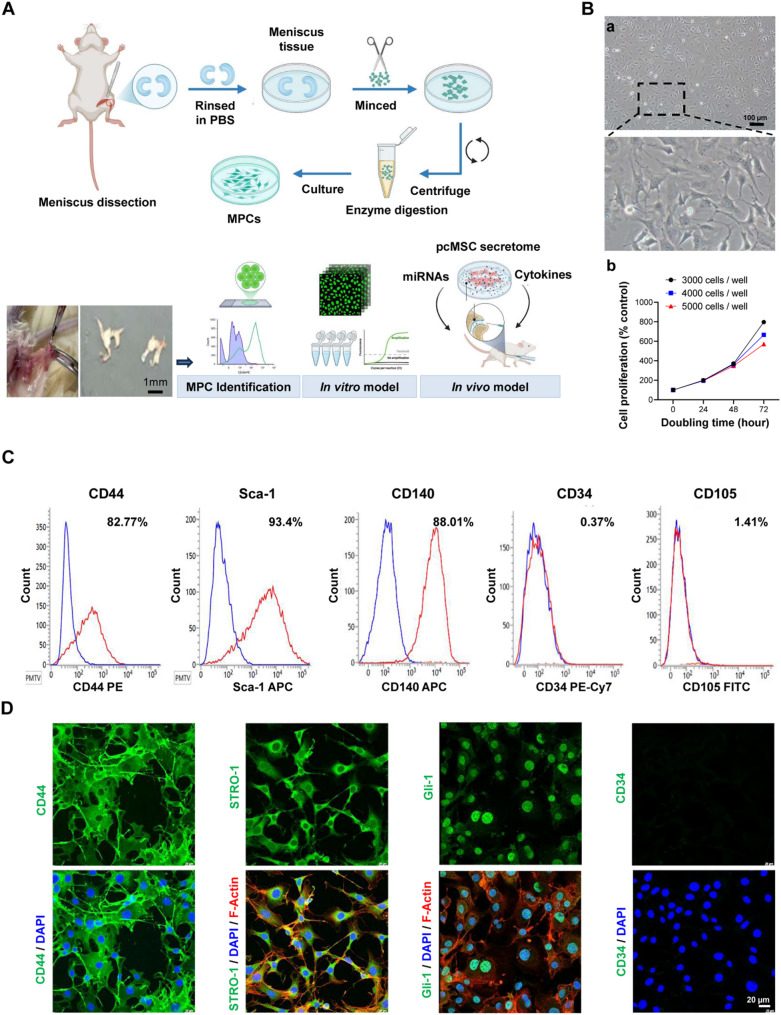 Figure 1
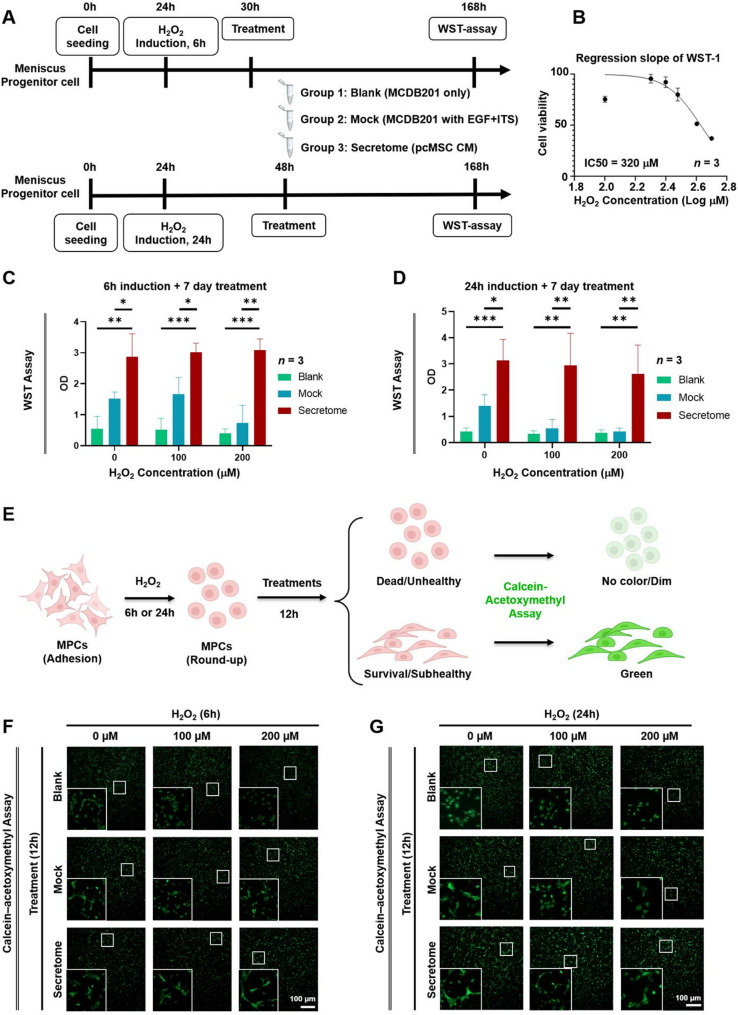 Figure 2
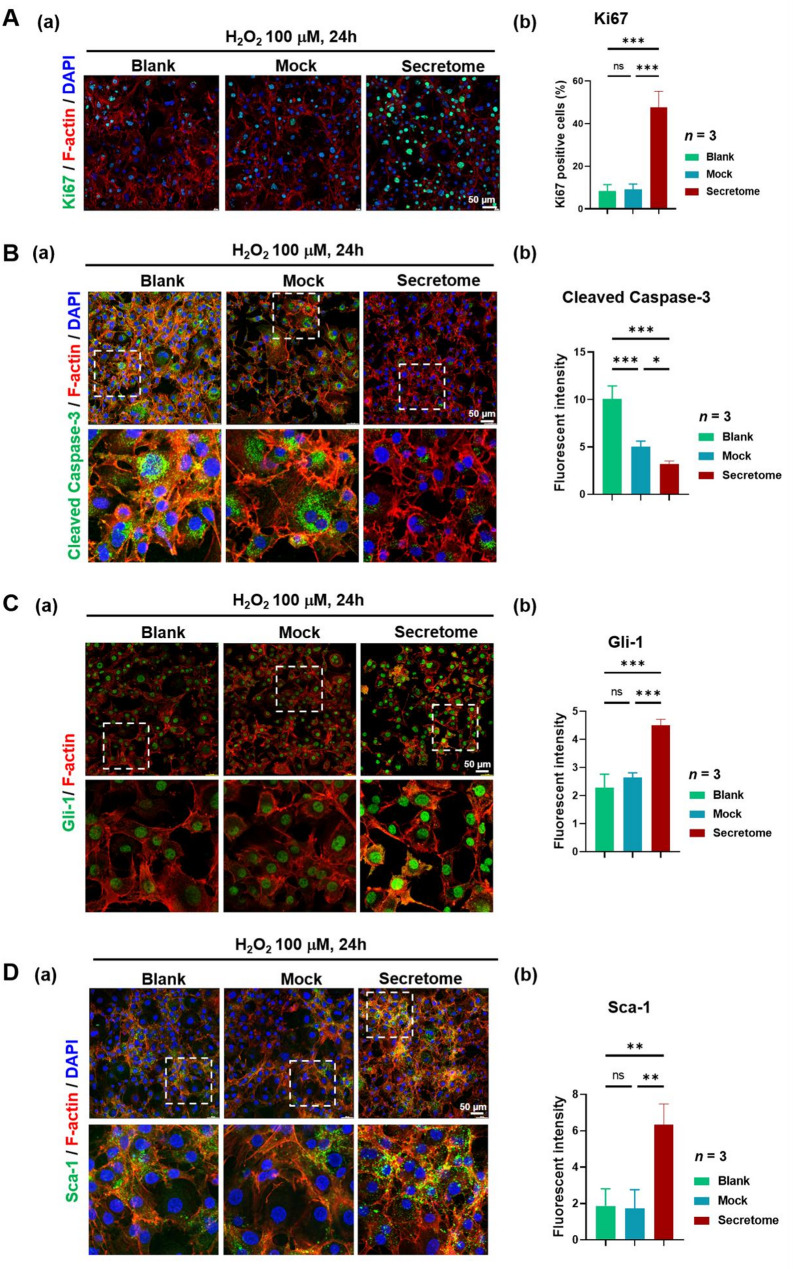 Figure 3
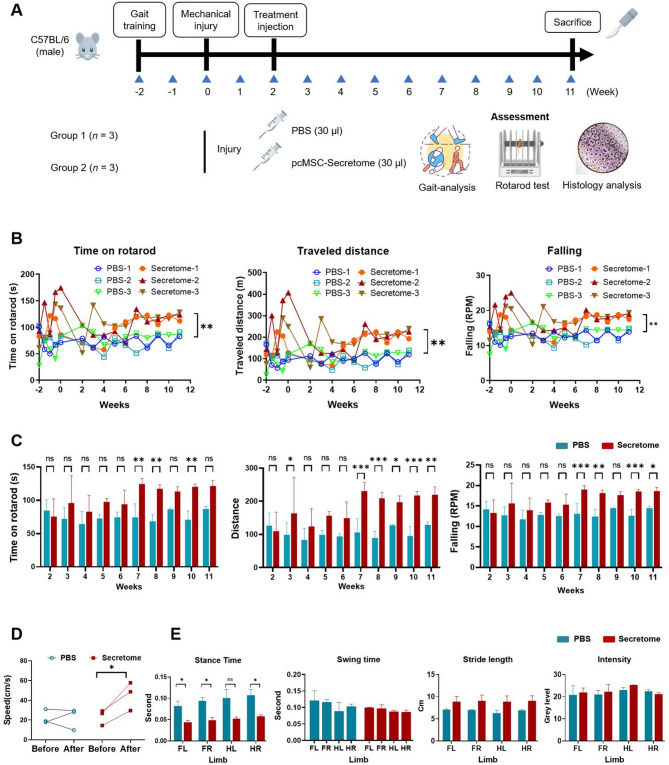 Figure 4
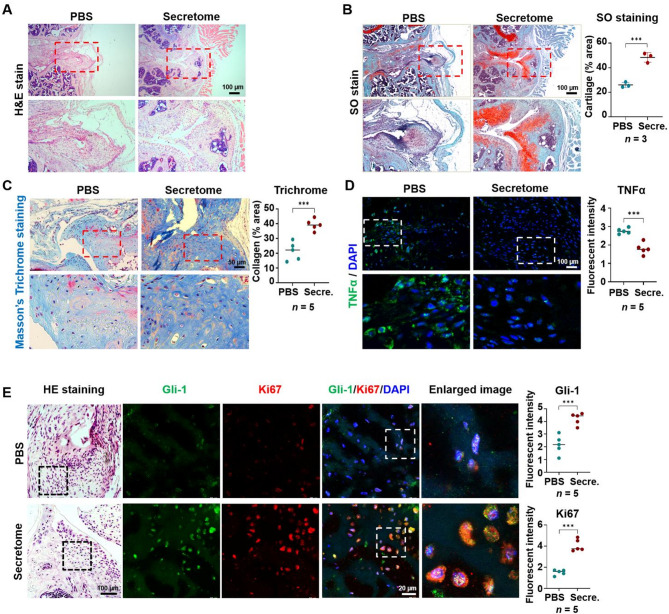 Figure 5
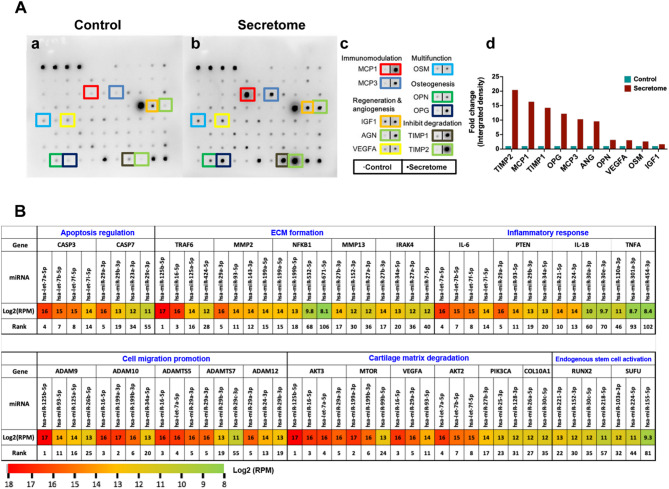 Figure 6
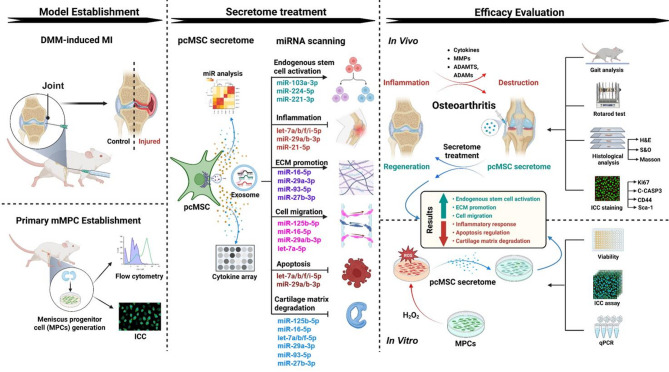 Figure 7
Peer Reviews
No public reviews on file for this paper yet. If you reviewed it on a platform where reviews are public (OpenReview, ICLR, NeurIPS, ICML), you can paste yours below so the community can read it here.
Videos
No videos yet. Explain this paper in a talk, walkthrough, or lecture? Add one.
Taxonomy
TopicsKnee injuries and reconstruction techniques · Tendon Structure and Treatment · Osteoarthritis Treatment and Mechanisms