Interplay between malic enzyme 2, de novo serine synthesis, and the malate-aspartate shuttle drives metabolic adaptation in triple-negative breast cancer
Jin Heon Jeon, Mark D. Slayton, Ben Krinkel, Olamide Animasahun, Ajay Shankaran, Fulei Wuchu, Minal Nenwani, Zackariah Farah, Julia Burke, Abhinav Achreja, Brisilda Nilaj, Kerslee Kohagen, Yi-Hsien Eu, Alyssa Rosenfeld, Mason Collard, Liwei Bao, Xu Cheng, Celina Kleer

TL;DR
This study explores how inhibiting the enzyme ME2 affects the metabolism and growth of triple-negative breast cancer cells, offering potential for new precision cancer therapies.
Contribution
The study reveals the interplay between ME2, serine synthesis, and the malate-aspartate shuttle in TNBC, supported by structural analysis of ME2 inhibition.
Findings
ME2 inhibition slowed tumor growth and improved survival in TNBC xenograft models.
ME2 knockdown altered mitochondrial respiration, glycolysis, and serine/glycine metabolism.
The crystal structure of ME2 bound to NPD-389 was determined, revealing key inhibitory interactions.
Abstract
Triple-negative breast cancer (TNBC) is an aggressive and heterogeneous subtype of breast cancer with poor clinical outcomes. Malic enzyme 2 (ME2) is a mitochondrial enzyme that catalyzes the conversion of malate to pyruvate and has been proposed as a therapeutic target. ME2 is highly expressed in many cell types including TNBC cells. We sought to define the molecular and cellular consequences of ME2 inhibition to facilitate its clinical translation. Here, we systematically evaluated the cellular and molecular effects of ME2 knockdown (ME2kd) in multiple TNBC models. ME2kd had heterogeneous effects on proliferation, migration, and metabolic flexibility in TNBC cell lines. ME2kd MDA-MB-468 xenografts in nude mice grew significantly slower and conferred prolonged host survival. ME2kd caused distinct shifts in mitochondrial respiration and glycolysis, whereas metabolomic and transcriptomic…
Genes, proteins, chemicals, diseases, species, mutations and cell lines named across the full text — each resolved to its canonical identifier and authoritative record.
Click any figure to enlarge with its caption.
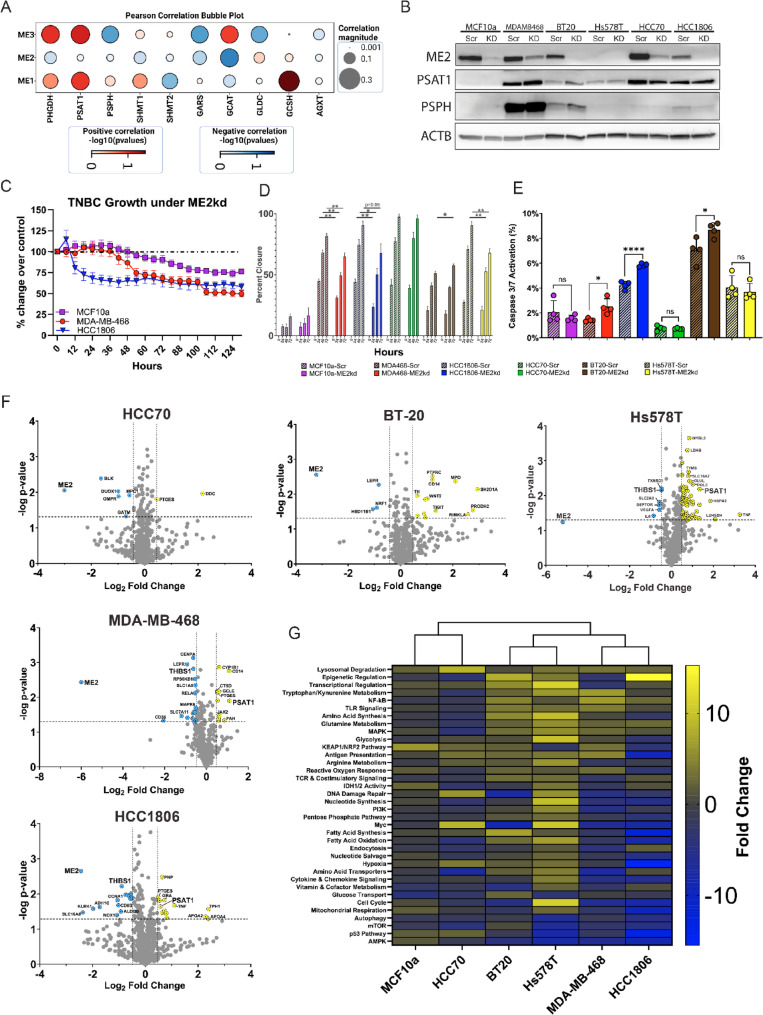 Figure 1
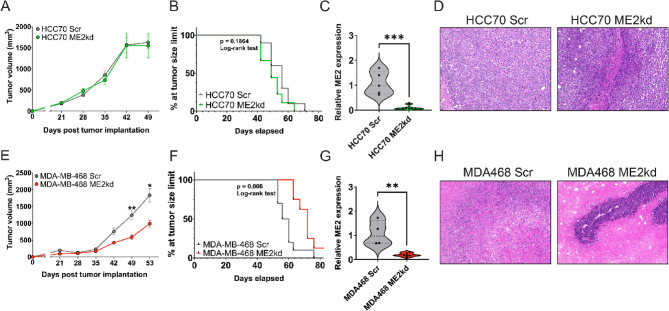 Figure 2
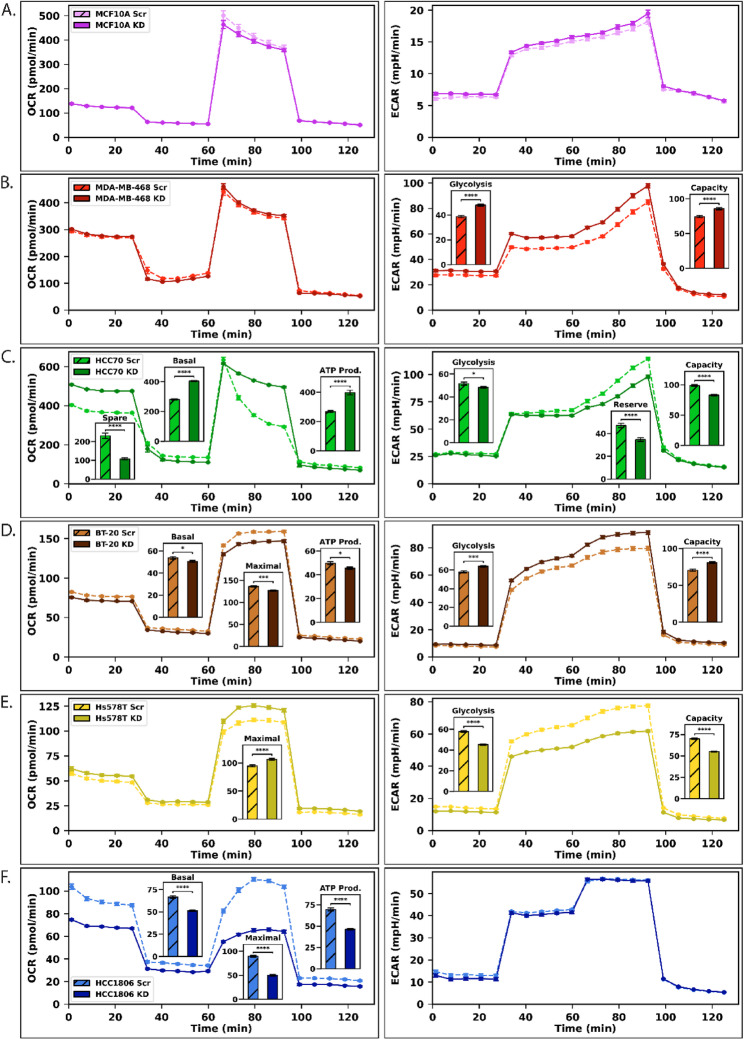 Figure 3
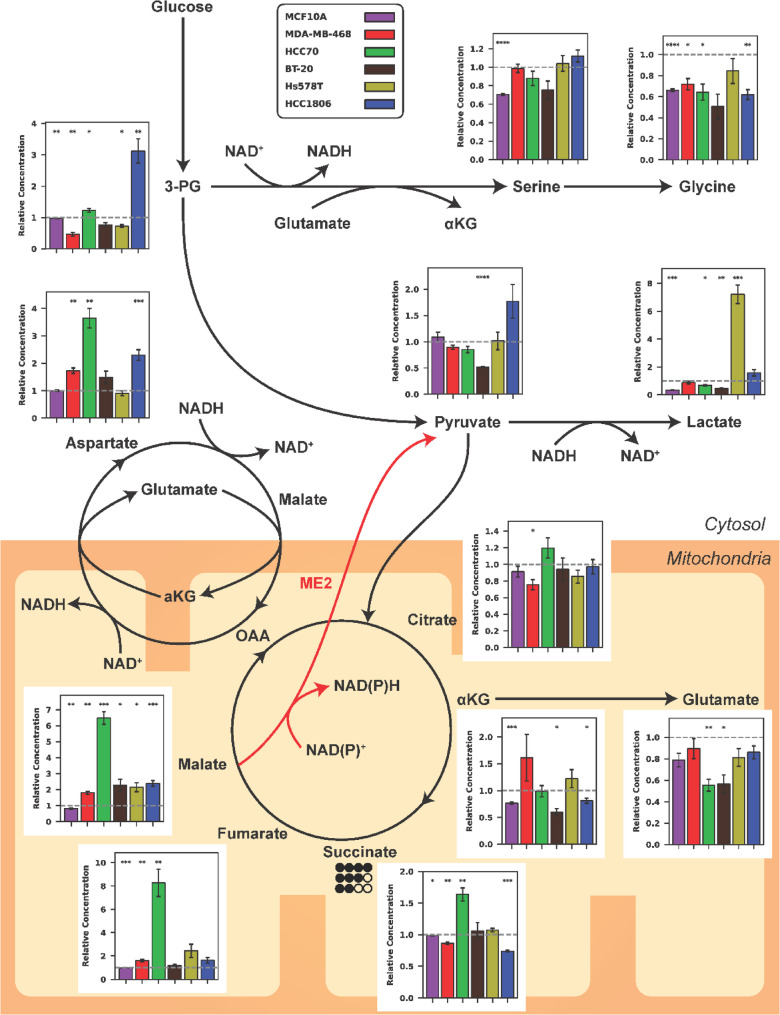 Figure 4
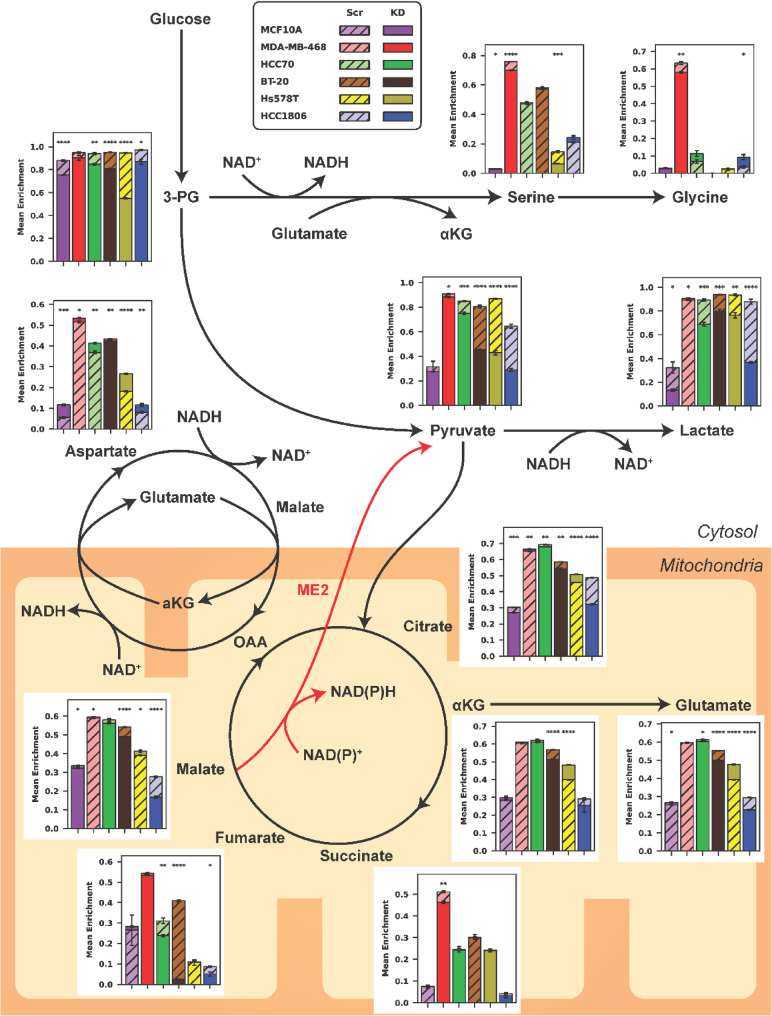 Figure 5
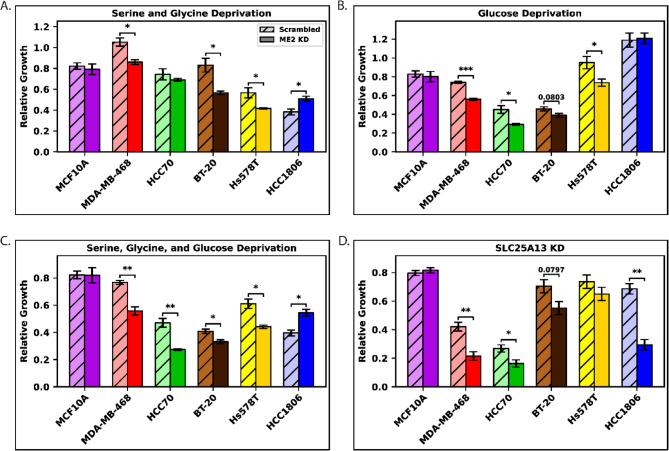 Figure 6
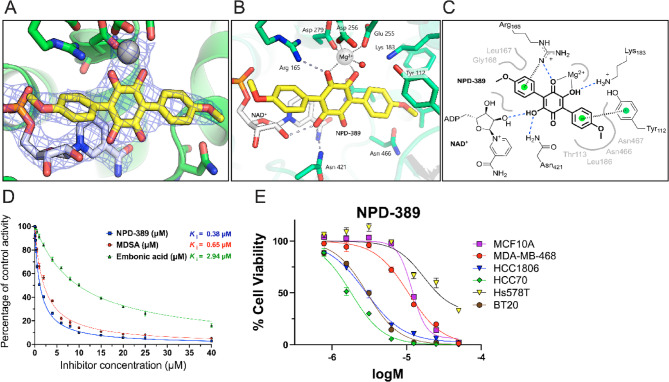 Figure 7
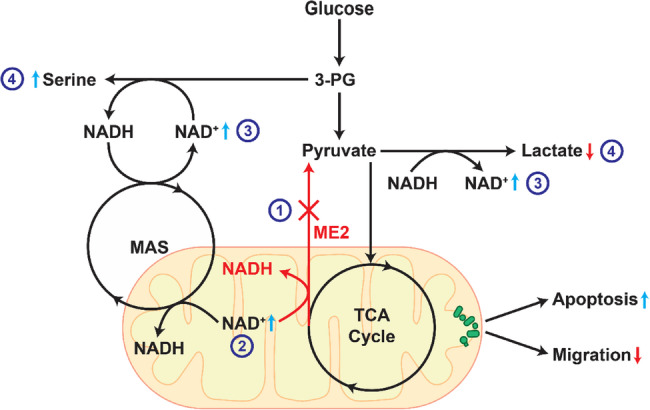 Figure 8
Peer Reviews
No public reviews on file for this paper yet. If you reviewed it on a platform where reviews are public (OpenReview, ICLR, NeurIPS, ICML), you can paste yours below so the community can read it here.
Videos
No videos yet. Explain this paper in a talk, walkthrough, or lecture? Add one.
Taxonomy
TopicsCancer, Hypoxia, and Metabolism · Epigenetics and DNA Methylation · Cancer-related Molecular Pathways