Long-read sequencing-based analyses of the adult Drosophila brain transcriptome in physiological and pathological settings
Paulino Ramirez, Gabrielle Zuniga, Elizabeth Ochoa, Bess Frost

TL;DR
This study uses long-read sequencing to map RNA modifications in the adult fruit fly brain, revealing complex transcript structures and RNA modifications linked to neurodegenerative diseases.
Contribution
The study provides a detailed isoform-level map of m6A RNA modifications in Drosophila brains and identifies novel transcripts and RNA processing events in a tauopathy model.
Findings
Identified 930 novel transcripts not present in the reference transcriptome.
Over 59% of detected transcripts had detectable m6A modifications.
RNA modifications were found in transposable elements linked to neurodegenerative diseases.
Abstract
Optimal brain function requires that neurons carry out extensive post-transcriptional RNA processing to produce a vast diversity of transcripts. Accurate reconstruction and quantification of highly processed RNA using standard RNA sequencing approaches is challenging due to their short read lengths. Long-read direct RNA sequencing can resolve multiple variations within RNA isoforms by capturing full-length transcripts spanning multiple exon-exon junctions, repetitive regions (e.g. retrotransposons), and intronic structures. Here we produce an isoform-level map of N6-methyladenosine (m6A) RNA modifications using Oxford Nanopore Technologies (ONT) long-read sequencing of native RNA strands extracted from heads of Drosophila melanogaster aged to day 10 of adulthood. In addition to identifying 930 transcripts that are not present in the reference transcriptome, we find that almost half of…
Genes, proteins, chemicals, diseases, species, mutations and cell lines named across the full text — each resolved to its canonical identifier and authoritative record.
Click any figure to enlarge with its caption.
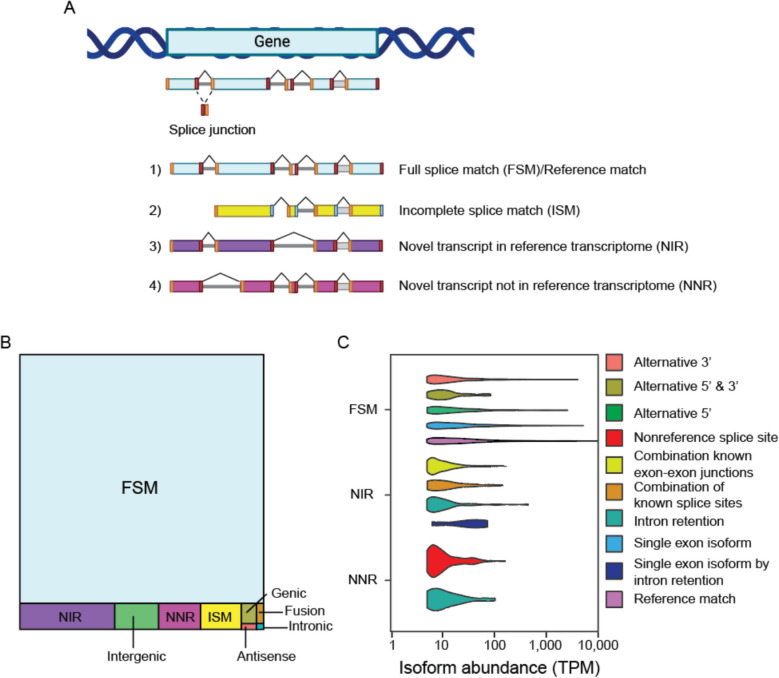 Figure 1
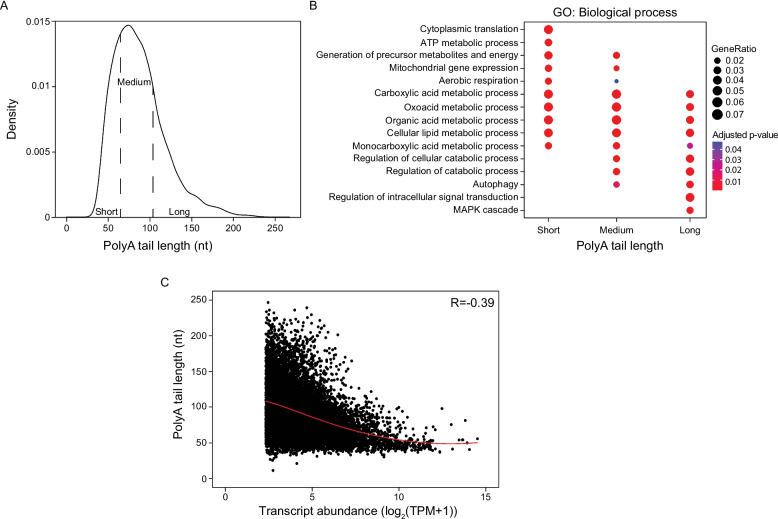 Figure 2
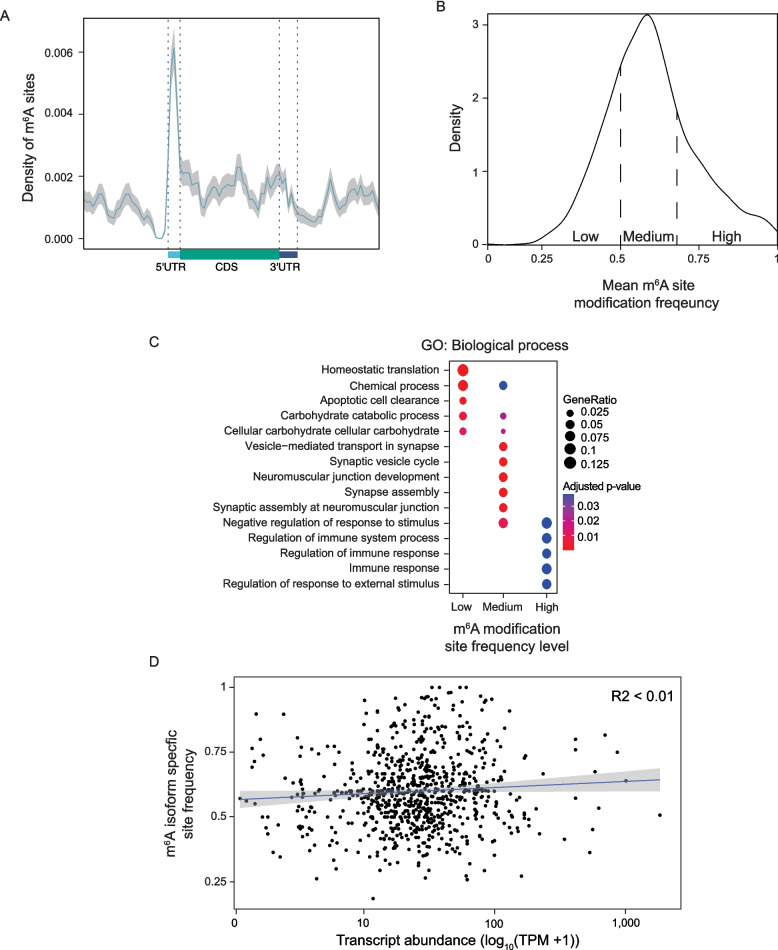 Figure 3
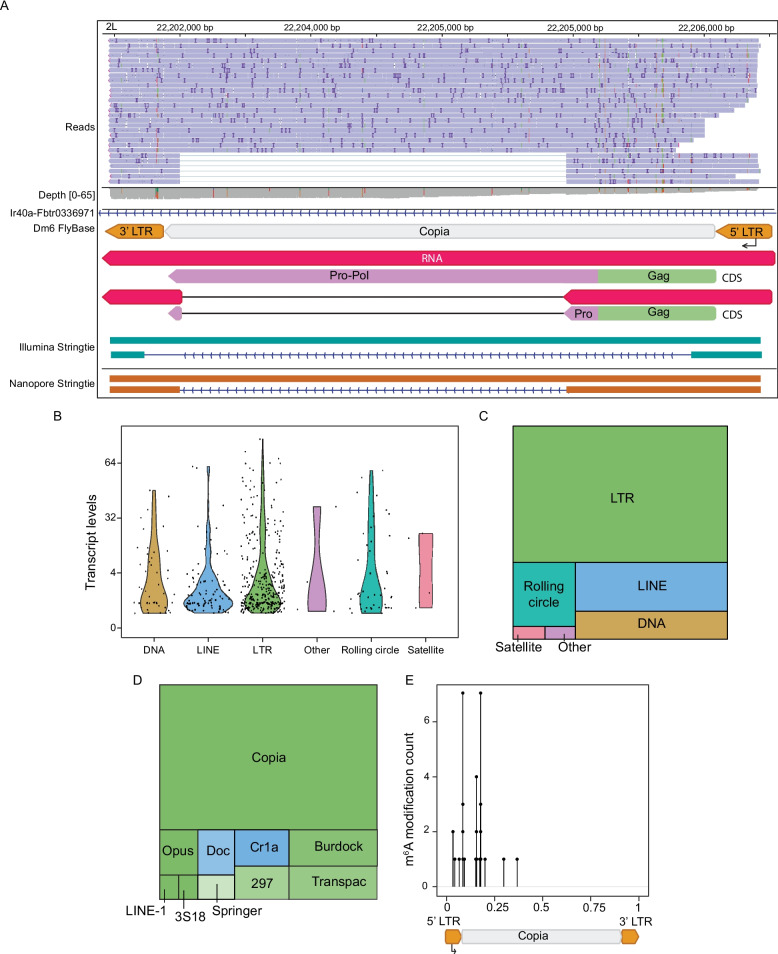 Figure 4
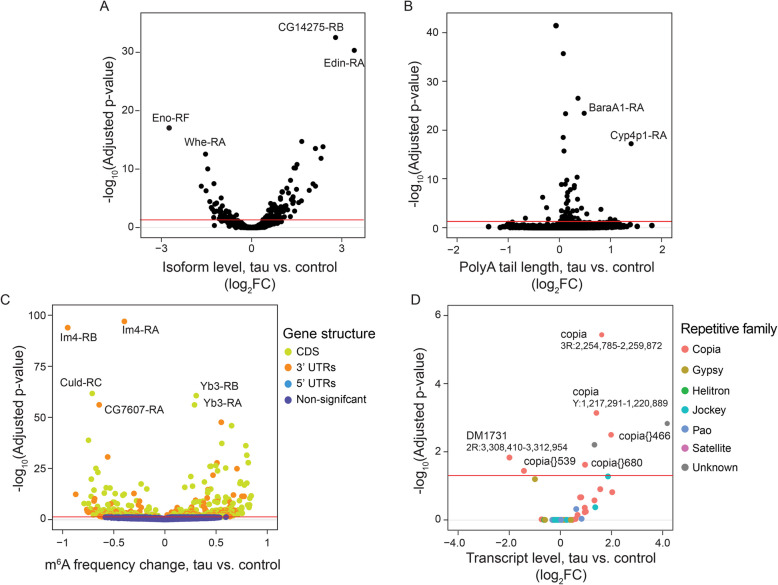 Figure 5
Peer Reviews
No public reviews on file for this paper yet. If you reviewed it on a platform where reviews are public (OpenReview, ICLR, NeurIPS, ICML), you can paste yours below so the community can read it here.
Videos
No videos yet. Explain this paper in a talk, walkthrough, or lecture? Add one.
Taxonomy
TopicsRNA Research and Splicing · RNA modifications and cancer · Genomics and Phylogenetic Studies