Ending diagnostic odyssey by reanalysis of whole exome sequencing data: reclassification of suspected Fanconi anemia cases to dyskeratosis congenita and Diamond-Blackfan anemia
Eudald Tejero, María José Ramírez de Haro, Roser Pujol, Massimo Bogliolo, Benjamín Rodríguez-Santiago, Jordi Surrallés

TL;DR
Reanalyzing old genetic data helped diagnose two patients with rare conditions after initial tests failed, showing the value of updating genomic analysis over time.
Contribution
Demonstrates the effectiveness of reanalyzing outdated exome data to achieve new diagnoses in unresolved genetic cases.
Findings
Reanalysis identified pathogenic variants in two patients with previously inconclusive results.
One patient had a variant in RPL5 (linked to Diamond-Blackfan anemia), and another had TERT variants (linked to dyskeratosis congenita).
A 33.3% diagnostic yield was achieved, comparable to larger reanalysis studies.
Abstract
Initial Whole Exome Sequencing frequently fails to resolve rare disease cases. Bioinformatic reanalysis of existing genomic data utilizes advancing knowledge to enhance diagnosis without additional testing. This study investigated six patients with clinical features consistent with Fanconi Anemia but negative chromosomal breakage tests, whose initial genetic analyses were inconclusive. Whole Exome Sequencing data from these patients (collected 2005–2009) underwent comprehensive reanalysis, including single nucleotide variants, insertions/deletions, and copy number variants across genes beyond those typically associated with Fanconi Anemia. Telomere length was assessed via monochrome multiplex quantitative PCR. Reanalysis identified clinically significant variants in two patients (33.3% yield): one harboured a heterozygous pathogenic loss-of-function variant in the Diamond-Blackfan…
Genes, proteins, chemicals, diseases, species, mutations and cell lines named across the full text — each resolved to its canonical identifier and authoritative record.
Click any figure to enlarge with its caption.
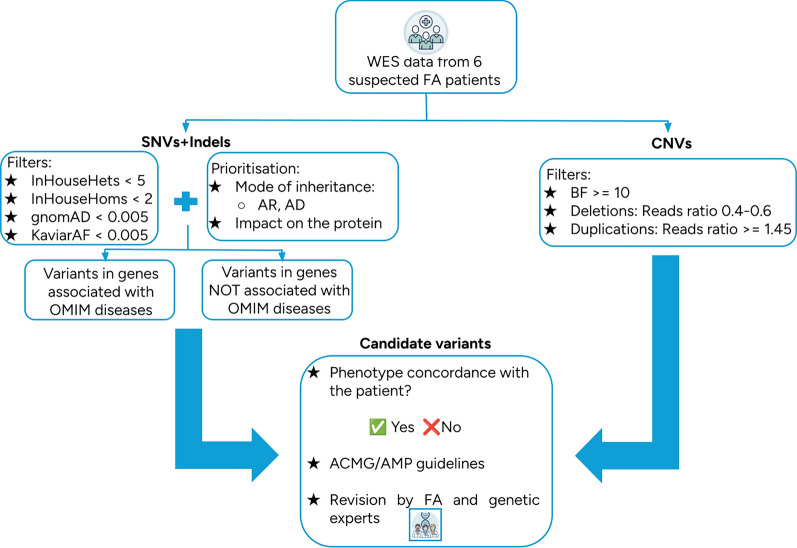 Figure 1
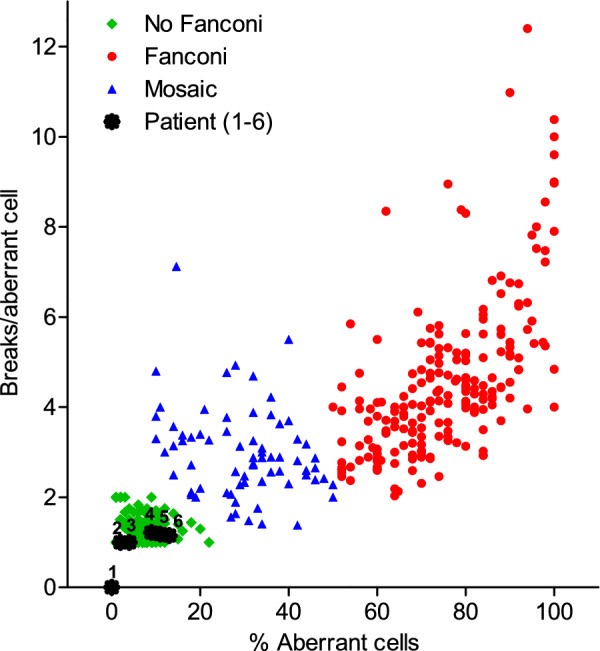 Figure 2
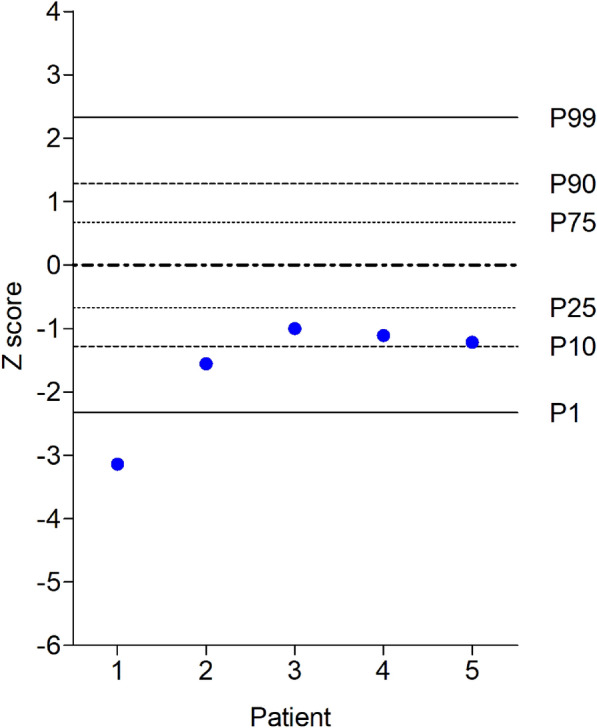 Figure 3
Peer Reviews
No public reviews on file for this paper yet. If you reviewed it on a platform where reviews are public (OpenReview, ICLR, NeurIPS, ICML), you can paste yours below so the community can read it here.
Videos
No videos yet. Explain this paper in a talk, walkthrough, or lecture? Add one.
Taxonomy
TopicsGenomics and Rare Diseases · CRISPR and Genetic Engineering · Genomics and Phylogenetic Studies