Anthroposomics: integrating anthropological methods into exposome research
Anita Hardon, Martha M. Téllez-Rojo, Michael Anastario, Michael Lim Tan, Cecilia S. Alcala, Precious A. Echague, Amy Kuritzky, Talia R. Gordon, Zoe Boudart, Mariana Rios Sandoval, Elizabeth F.S. Roberts

TL;DR
This paper introduces anthroposomics, a new approach that combines anthropology with exposome research to better understand how people interact with their environments and manage health risks.
Contribution
The paper introduces the novel concept of the anthroposome and proposes ethnographic methods to integrate human agency into exposome research.
Findings
The anthroposome captures how individuals and communities manage environmental exposures through daily practices.
Ethnographic methods reveal context-specific risk management strategies overlooked by conventional exposure research.
Anthroposomics repositions populations as active agents in shaping their exposure landscapes.
Abstract
Exposome research seeks to understand how cumulative environmental exposures across the life course shape health outcomes. Most studies however, adopt a unidirectional, top-down model, conceptualizing individuals as passive recipients of exposure, which overlooks the social, cultural, and behavioral dynamics through which people engage with their environments and thus underestimates the human agency of those exposed in mitigating exposures. To address this gap, we introduce the concept of the anthroposome: the full range of micro-ecological practices through which individuals and communities sense, interpret, avoid, and manage environmental exposures in daily life. Drawing on anthropological theory and focusing on ethnographic methods, we outline five discovery-based approaches for integrating lived experience and social complexity into exposome science. These methods highlight how…
Genes, proteins, chemicals, diseases, species, mutations and cell lines named across the full text — each resolved to its canonical identifier and authoritative record.
Click any figure to enlarge with its caption.
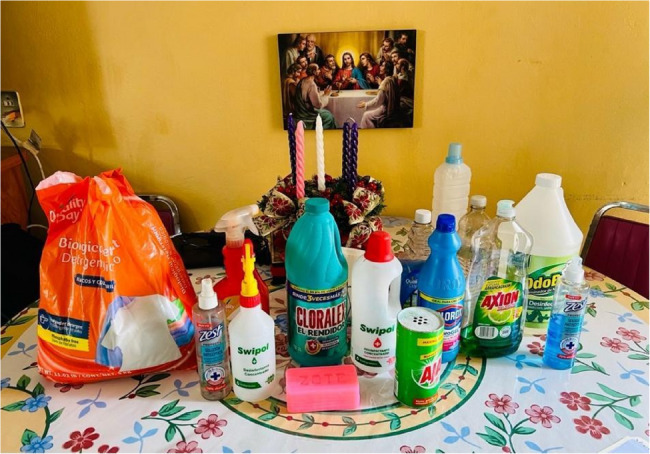 Figure 10
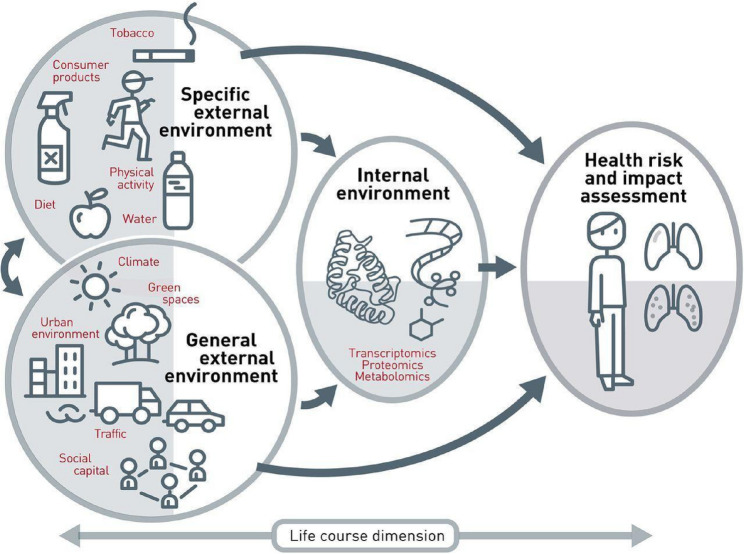 Figure 1
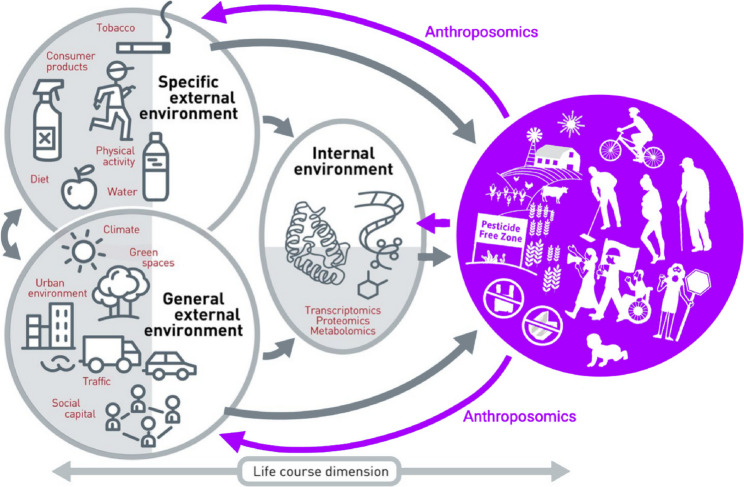 Figure 2
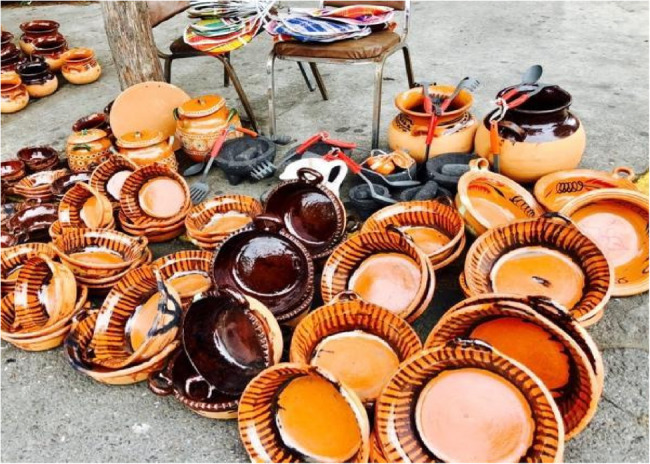 Figure 3
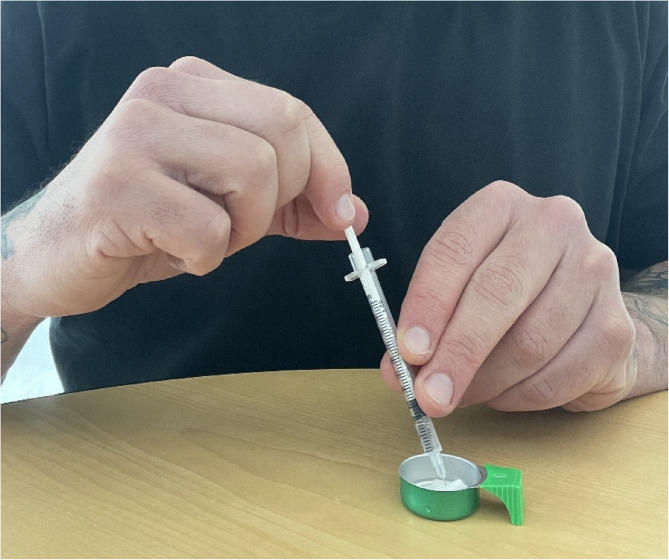 Figure 4
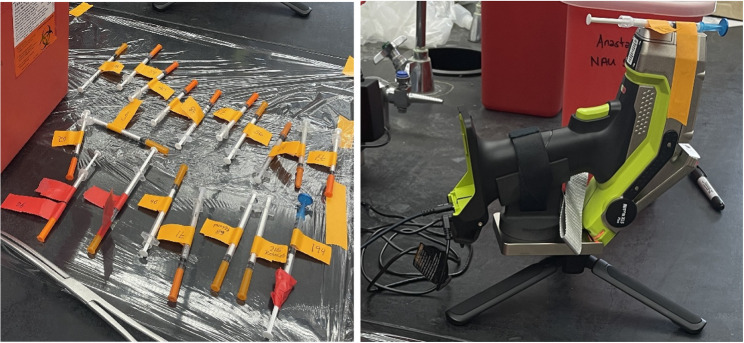 Figure 5
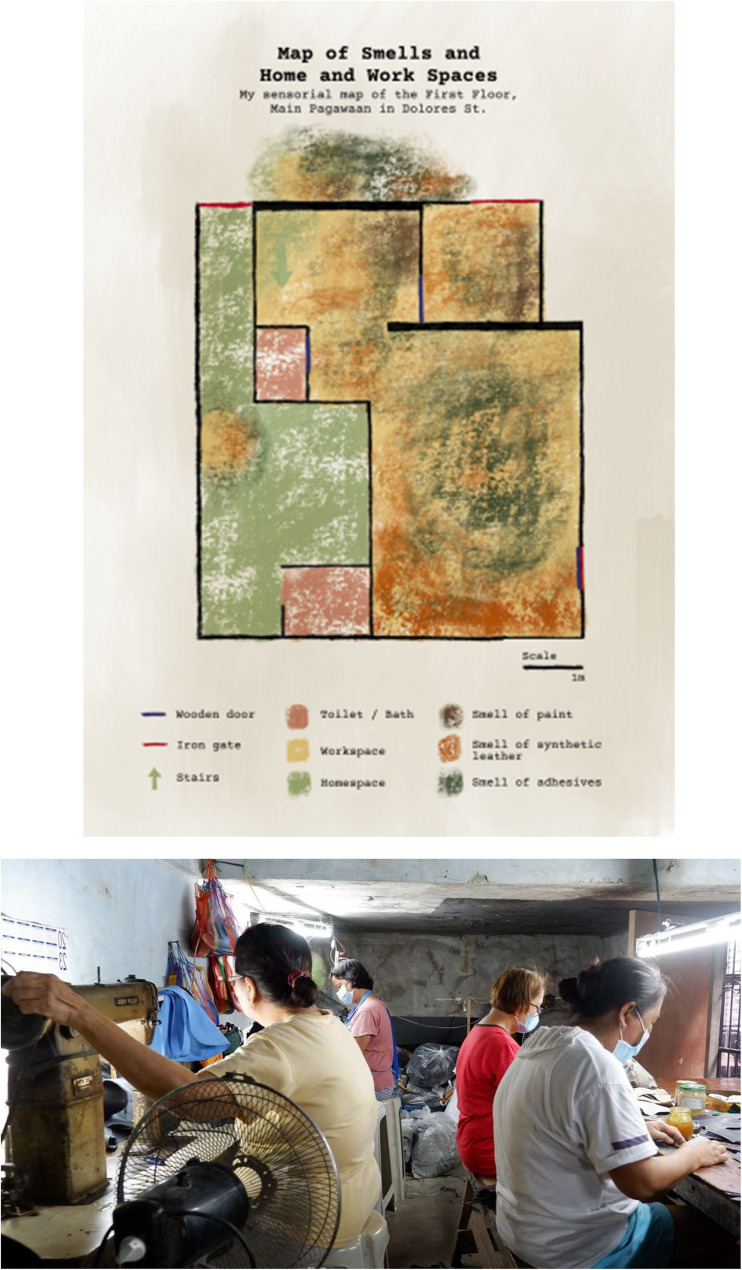 Figure 6
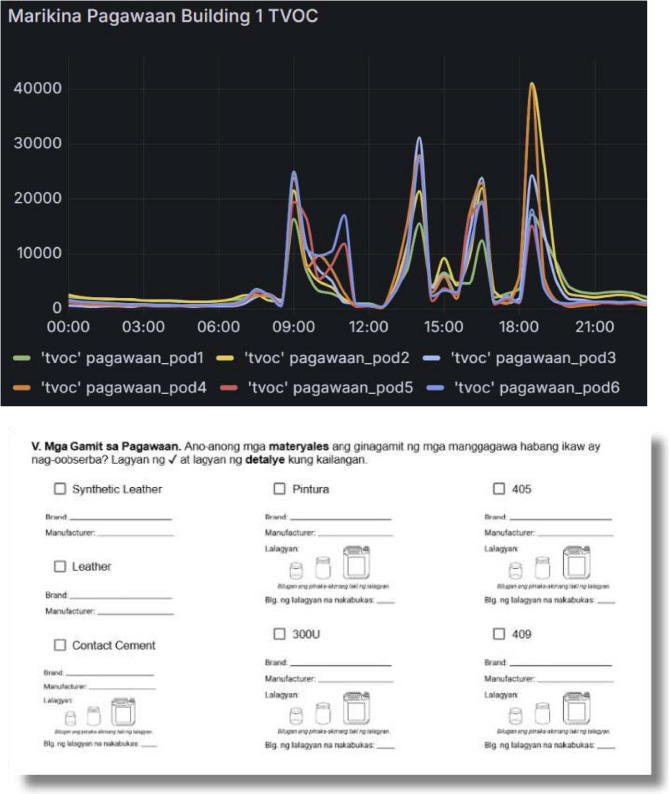 Figure 7
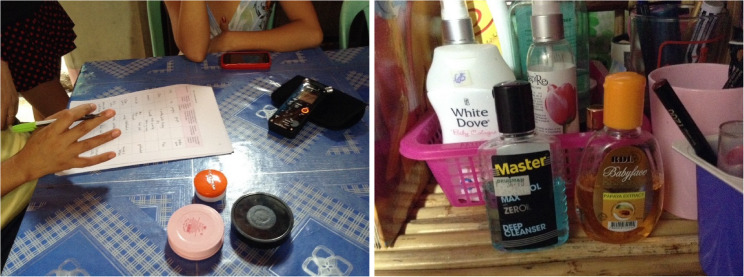 Figure 8
 Figure 9
Peer Reviews
No public reviews on file for this paper yet. If you reviewed it on a platform where reviews are public (OpenReview, ICLR, NeurIPS, ICML), you can paste yours below so the community can read it here.
Videos
No videos yet. Explain this paper in a talk, walkthrough, or lecture? Add one.
Taxonomy
TopicsHealth, Environment, Cognitive Aging · Nutritional Studies and Diet