Prognostic impact of muscle mass in idiopathic interstitial pneumonia: analysis of idiopathic pulmonary fibrosis and other idiopathic interstitial pneumonias
Hirotaka Hagiwara, Tomotsugu Takano, Hiroaki Ogata, Kazuya Tsubouchi, Katsuyuki Ichiki, Shohei Takata, Hiroshi Ishii, Yasuhiko Kitasato, Yoshiaki Zaizen, Kazuhiro Yatera, Masayuki Kawasaki, Masaki Fujita, Makoto Yoshida, Takashige Maeyama, Ayano Mashimoto, Kazuto Furuyama

TL;DR
Low muscle mass, measured from chest CT scans, is linked to worse survival and more frequent acute episodes in patients with lung diseases like idiopathic pulmonary fibrosis and other related conditions.
Contribution
This study identifies the erector spinae muscle index as a reliable predictor of survival and acute exacerbations in both IPF and non-IPF idiopathic interstitial pneumonias.
Findings
Low erector spinae muscle index (ESMI) is independently associated with poor survival in both IPF and non-IPF patients.
Acute exacerbations are more common in patients with low ESMI and pectoralis muscle index (PMI), especially in non-IPF patients.
ESMI is a better predictor of survival than PMI in these patient groups.
Abstract
Low skeletal muscle mass has been reported to associated with poor prognosis in patients with idiopathic pulmonary fibrosis (IPF). However, such associations have scarcely reported in idiopathic interstitial pneumonias (IIPs) other than IPF. Quantification of muscle mass obtained from chest computed tomography (CT) is used as a simple screening tool for sarcopenia in patients with respiratory diseases. However, the optimal thoracic site for muscle mass quantification is controversial. Moreover, there have been no reports investigating the association between muscle mass and acute exacerbations. This study aimed to evaluate optimal site for muscle mass quantification in chest CT to predict survival and acute exacerbation in IPF and non-IPF idiopathic interstitial pneumonias. This study included 528 patients diagnosed with IIP at 29 facilities between September 1, 2013, and April 30,…
Genes, proteins, chemicals, diseases, species, mutations and cell lines named across the full text — each resolved to its canonical identifier and authoritative record.
Click any figure to enlarge with its caption.
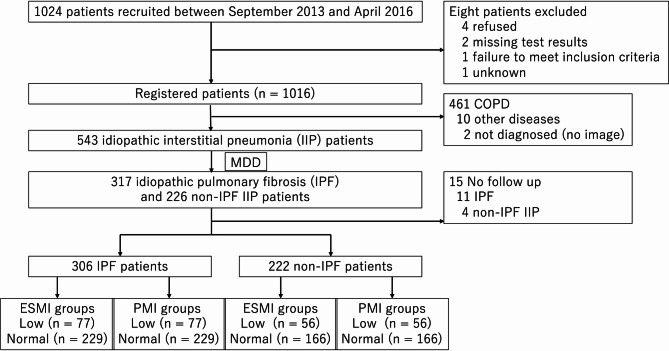 Figure 1
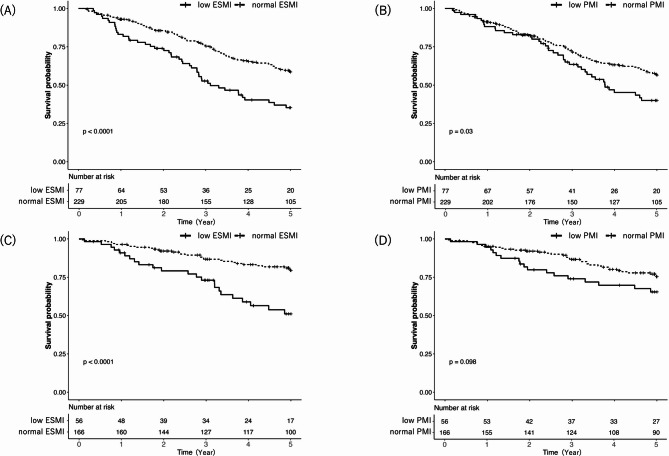 Figure 2
 Figure 3
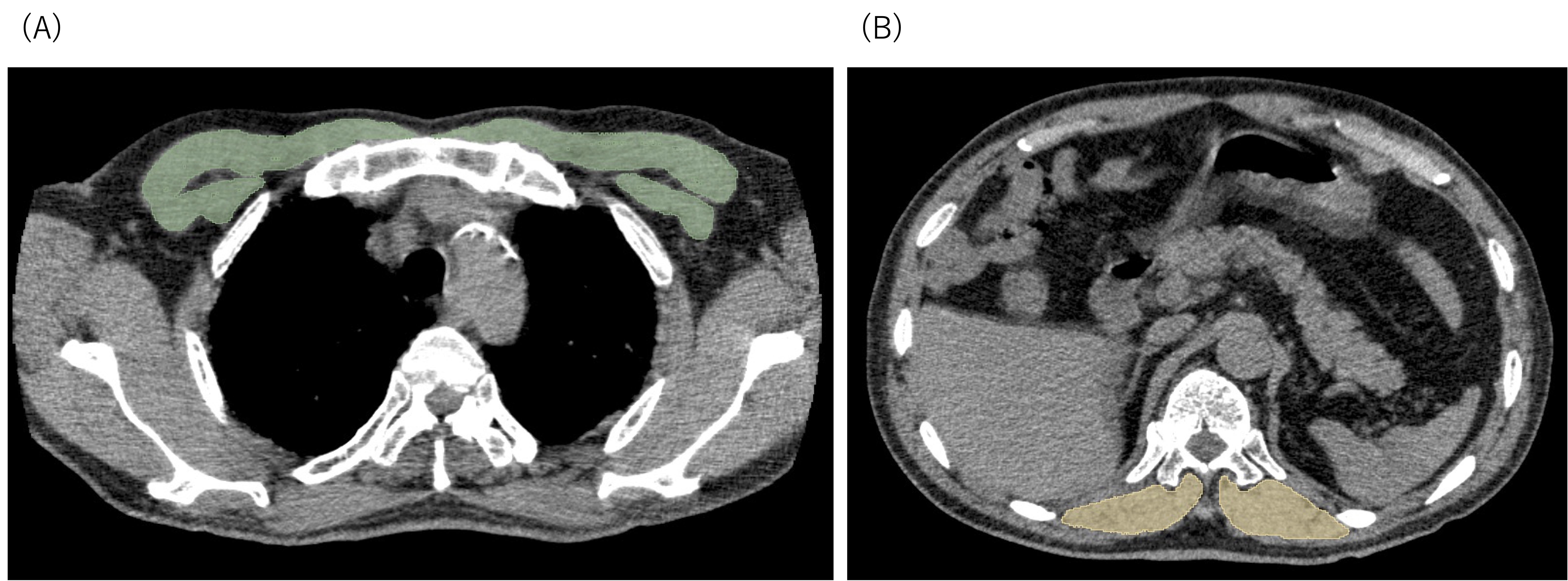 Figure 4
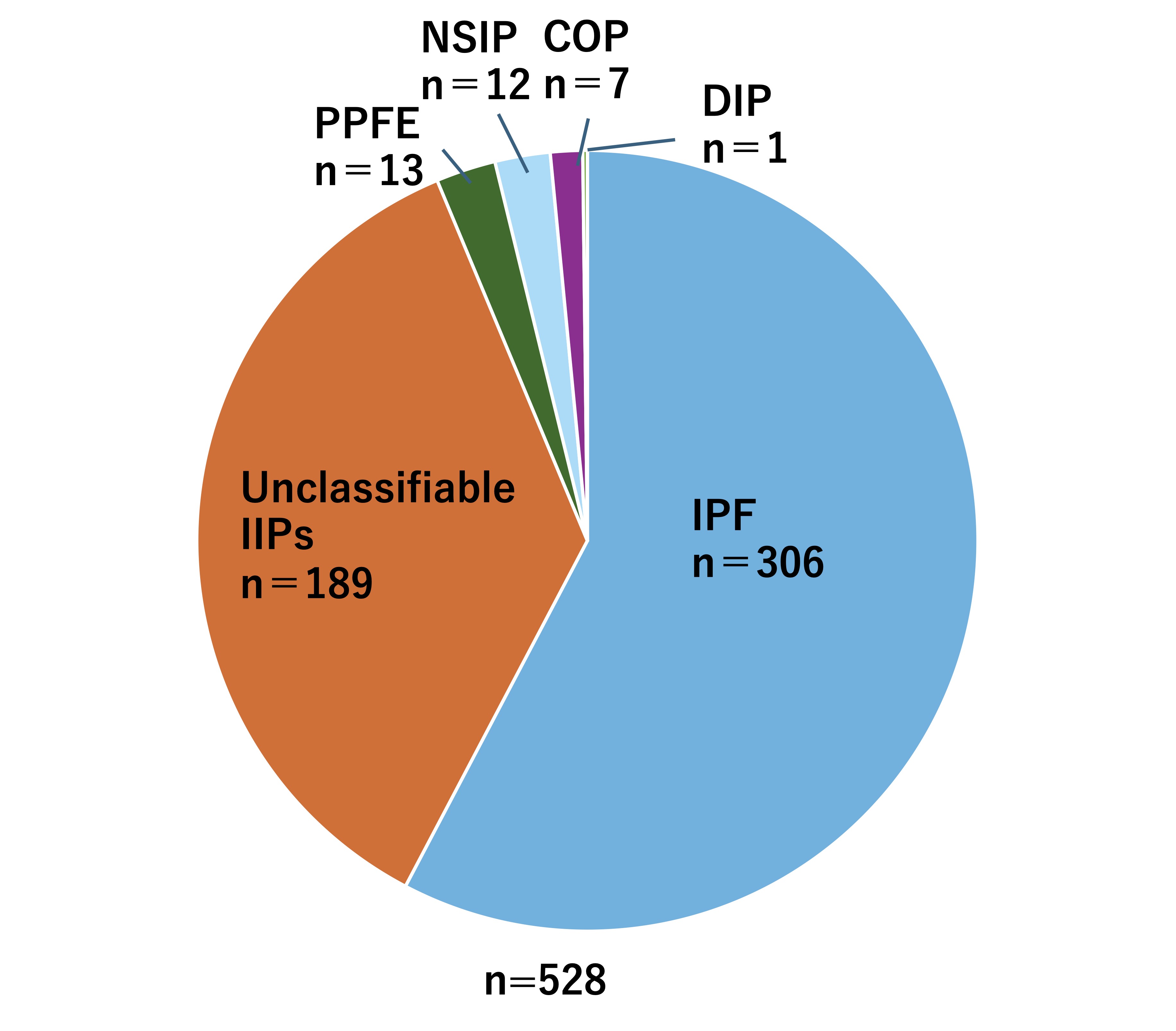 Figure 5
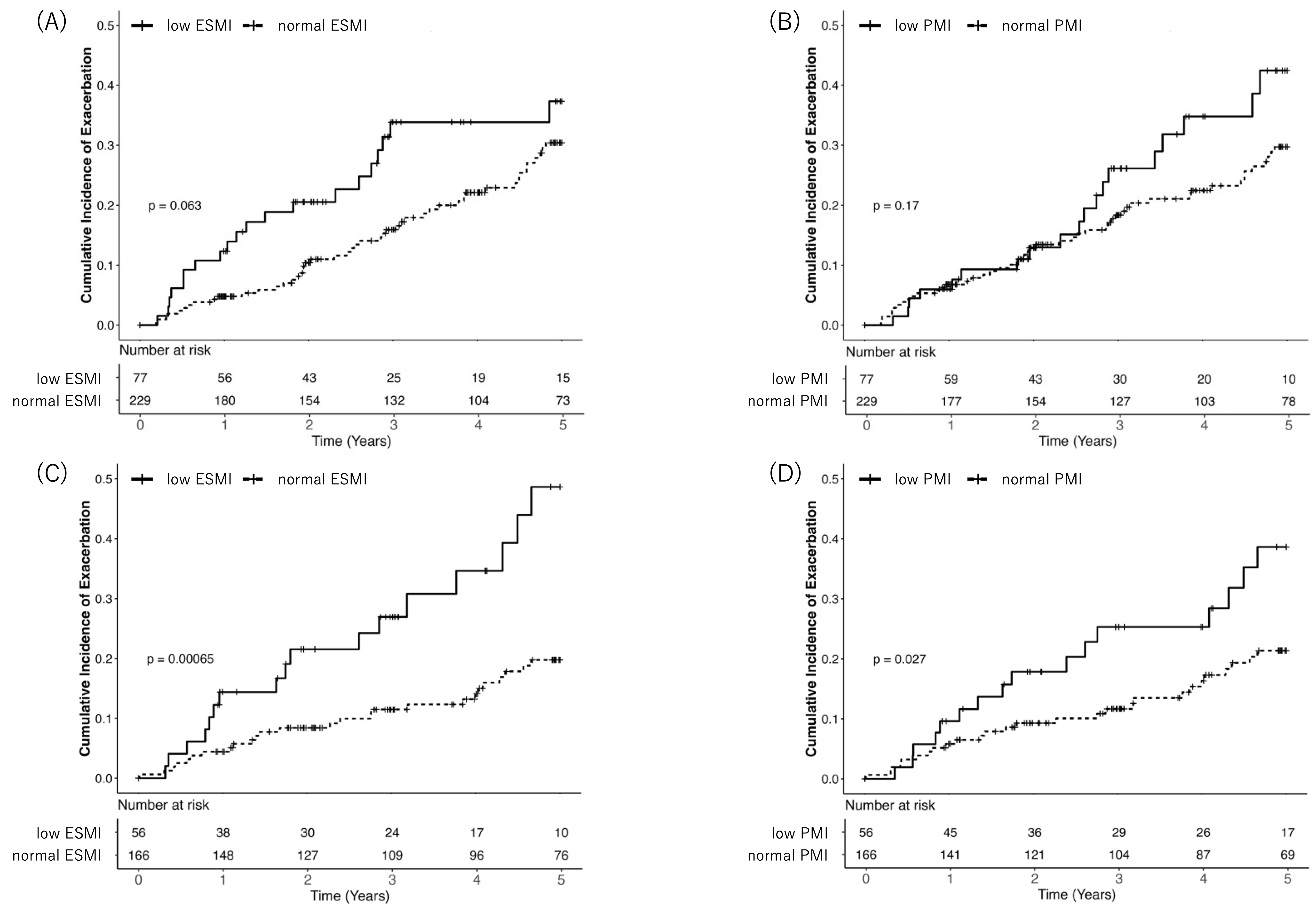 Figure 6
Peer Reviews
No public reviews on file for this paper yet. If you reviewed it on a platform where reviews are public (OpenReview, ICLR, NeurIPS, ICML), you can paste yours below so the community can read it here.
Videos
No videos yet. Explain this paper in a talk, walkthrough, or lecture? Add one.
Taxonomy
TopicsInterstitial Lung Diseases and Idiopathic Pulmonary Fibrosis · Occupational and environmental lung diseases · Chronic Obstructive Pulmonary Disease (COPD) Research