Seed shattering in common buckwheat (Fagopyrum esculentum): insights from RNA-seq and morphological analysis
Elizaveta M. Gunko, Mikhail I. Schelkunov, Sofia R. Prokopchuk, Anna V. Klepikova, Denis O. Omelchenko, Olga I. Romanova, Aleksey N. Fesenko, Ivan N. Fesenko, Aleksey A. Penin, Maria D. Logacheva

TL;DR
This study explores how buckwheat seeds shatter by combining anatomical and genetic analysis, revealing key molecular pathways and the role of abscission zones.
Contribution
The study identifies molecular mechanisms and genetic control of seed shattering in buckwheat, including new insights into abscission zone development.
Findings
Abscission zones in buckwheat form during early bud development and differ in maturity between shattering and non-shattering plants.
Transcriptomic analysis highlights abscisic acid regulation, ethylene signaling, and cell wall modification as key factors in abscission zone differentiation.
Genes linked to abscission layer activation show increased expression at the flower stage, suggesting earlier activation than previously thought.
Abstract
Seed shattering is a crucial adaptive trait in wild plant species but is undesirable in domesticated crops. In this study, we investigated the anatomical and molecular mechanisms underlying seed shattering in common buckwheat (Fagopyrum esculentum) and explored its genetic control. Previous research has shown that seed shattering in F. esculentum follows a monogenic inheritance pattern. To pinpoint the genomic region associated with this trait, we analyzed an F₂ progeny derived from a cross between wild ancestor of common buckwheat - Fagopyrum esculentum ssp. ancestrale and the cultivated variety - Fagopyrum esculentum cv. Dasha. Anatomical analysis revealed that both shattering and non-shattering phenotypes possess an abscission zone (AZ); however, in non-shattering plants, the AZ remains underdeveloped and inactive. Histological observations indicated that AZ formation begins during…
Genes, proteins, chemicals, diseases, species, mutations and cell lines named across the full text — each resolved to its canonical identifier and authoritative record.
Click any figure to enlarge with its caption.
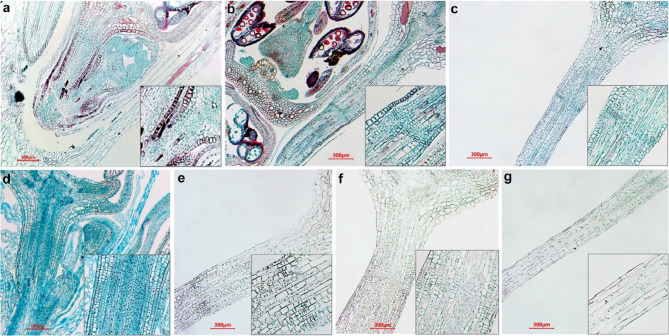 Figure 1
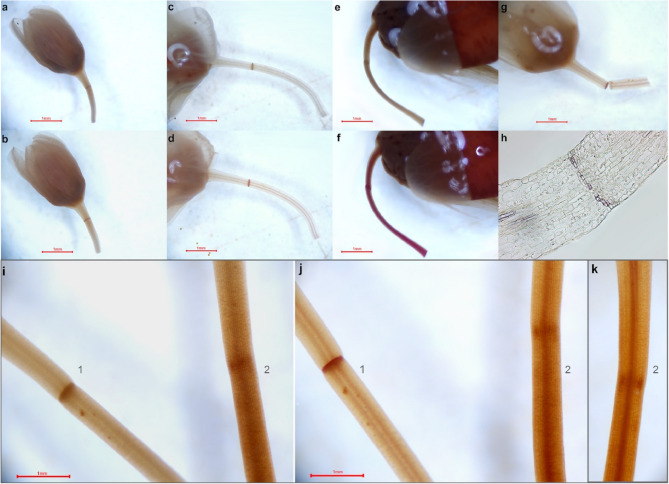 Figure 2
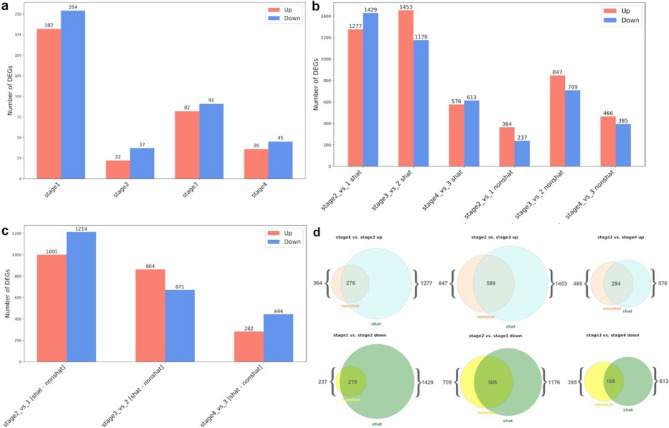 Figure 3
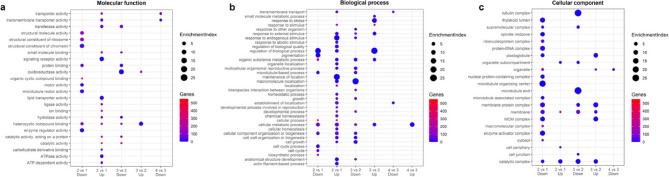 Figure 4
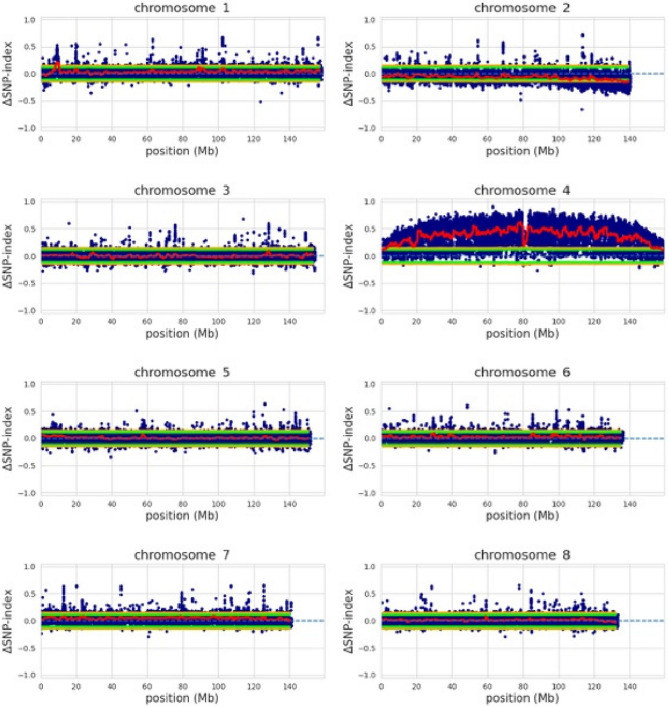 Figure 5
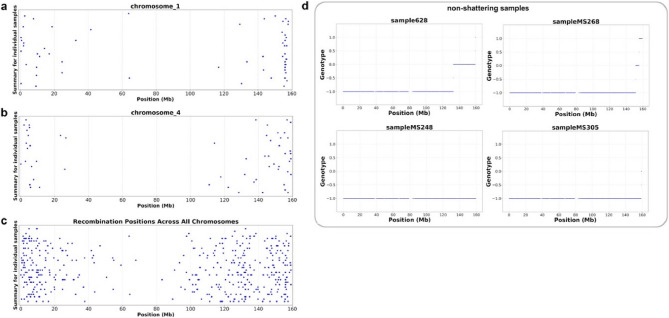 Figure 6
Peer Reviews
No public reviews on file for this paper yet. If you reviewed it on a platform where reviews are public (OpenReview, ICLR, NeurIPS, ICML), you can paste yours below so the community can read it here.
Videos
No videos yet. Explain this paper in a talk, walkthrough, or lecture? Add one.
Taxonomy
TopicsSeed and Plant Biochemistry · Magnetic and Electromagnetic Effects · Genetic and Environmental Crop Studies