Non-invasive Quantitative Assessment of Layer-Specific Degeneration in the Lumbar Multifidus in Elite Male High School Soft Tennis Players Using Ultrasound Echo Intensity
Toru Tanabe, Tomonari Sugano, Takumi Watabu, Katsunori Mizuno

TL;DR
This study uses ultrasound to show that the deep layer of a spinal muscle in elite high school soft tennis players shows more degeneration than the superficial layer, which may increase their risk of back pain.
Contribution
The first non-invasive, layer-specific assessment of lumbar multifidus degeneration in elite male high school soft tennis players using ultrasound echo intensity.
Findings
The deep layer of the lumbar multifidus showed significantly higher echo intensity than the superficial layer.
No significant difference in echo intensity was found between the dominant and non-dominant sides.
Higher echo intensity in the deep layer suggests possible degenerative changes due to repeated sport-specific loading.
Abstract
Introduction Soft tennis involves repetitive, high-intensity trunk rotation during strokes and serves, with high popularity among Japanese high school boys. The sport’s biomechanical demands place cumulative stress on the lumbar spine, and a high prevalence of low back pain (LBP) has been reported, particularly in elite-level athletes. Previous studies identified factors such as hip rotation range of motion (ROM), trunk strength, and training load as LBP-related in rotational sports. However, foundational insights into the structural characteristics of the lumbar region in this population remain limited, hindering the identification of anatomical risk factors for LBP. The lumbar multifidus (MF) is a key deep stabilizing muscle contributing to dynamic spinal control. It consists of superficial and deep layers, with the deep layer playing a primary role in segmental stability. Due to…
Genes, proteins, chemicals, diseases, species, mutations and cell lines named across the full text — each resolved to its canonical identifier and authoritative record.
Click any figure to enlarge with its caption.
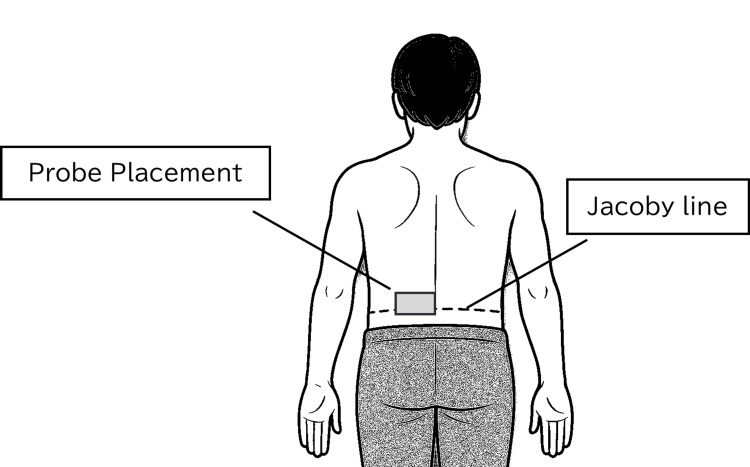 Figure 1
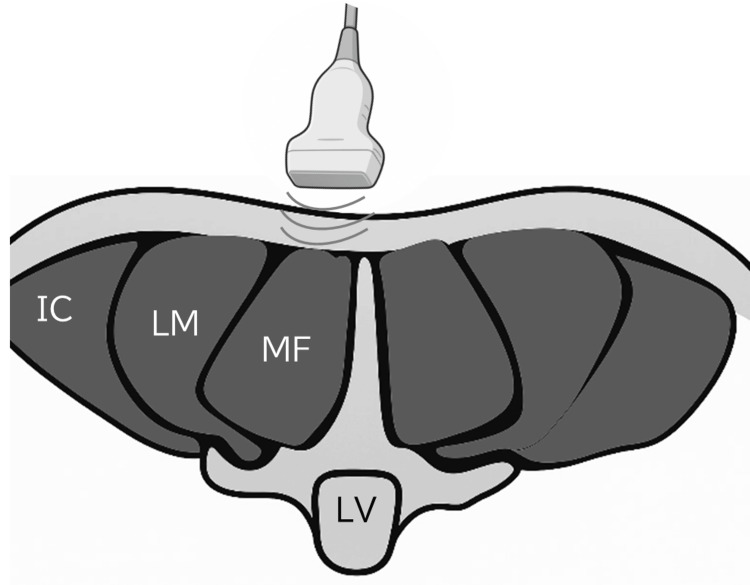 Figure 2
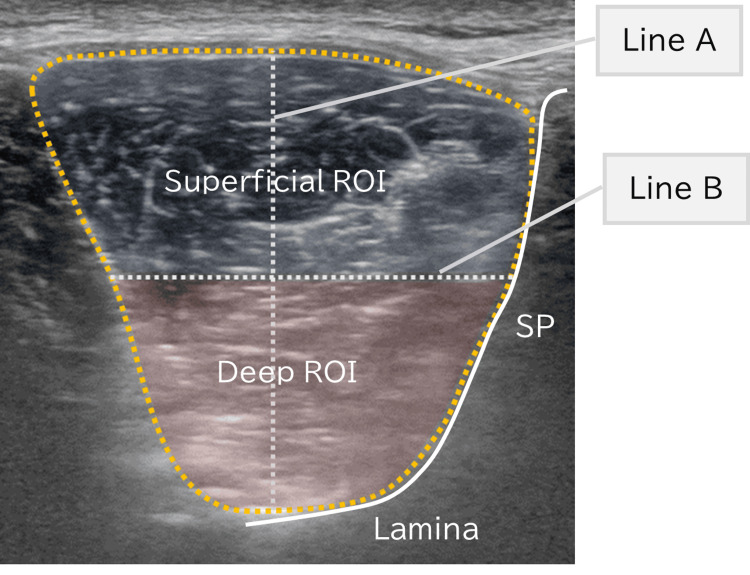 Figure 3
Peer Reviews
No public reviews on file for this paper yet. If you reviewed it on a platform where reviews are public (OpenReview, ICLR, NeurIPS, ICML), you can paste yours below so the community can read it here.
Videos
No videos yet. Explain this paper in a talk, walkthrough, or lecture? Add one.
Taxonomy
TopicsMusculoskeletal pain and rehabilitation · Shoulder Injury and Treatment · Spine and Intervertebral Disc Pathology