Melatonin administration attenuates fibrosis progression in frozen shoulder syndrome: a rat model study
Serhat Gürbüz, Süleyman Semih Dedeoğlu, Ahmet Keskin, Mustafa Buğra Ayaz, Yunus Imren, Cem Comunoğlu, Bulent Karslıoğlu, Buse Aki

TL;DR
Melatonin may help reduce fibrosis in frozen shoulder syndrome, based on a rat model study showing improved joint pathology.
Contribution
This study demonstrates melatonin's anti-fibrotic effects in a rat model of frozen shoulder syndrome.
Findings
Melatonin significantly attenuated fibrosis progression in the shoulder joint.
Synovial hypertrophy decreased over time in some groups, but no significant differences were observed in inflammation or hypervascularity.
Fibrosis levels were significantly lower in the melatonin group at 8 weeks compared to the antagonist group.
Abstract
Frozen shoulder syndrome, or adhesive capsulitis, is characterized by pain and restricted joint mobility due to fibrotic changes within the shoulder joint capsule. Despite its potential for spontaneous resolution, persistent symptoms often necessitate further treatment. Melatonin, known for its anti-inflammatory and anti-fibrotic properties, has emerged as a promising therapeutic agent for this condition. This study aimed to investigate the impact of melatonin on adhesive capsulitis in a rat model, focusing on its potential to attenuate fibrosis progression and improve joint pathology. Thirty female Sprague-Dawley rats were utilized in this study. Frozen shoulder syndrome was surgically induced, and the rats were divided into three groups: G1 receiving a melatonin antagonist, G2 receiving daily melatonin supplementation, and G3 without intervention. Histopathological evaluations were…
Genes, proteins, chemicals, diseases, species, mutations and cell lines named across the full text — each resolved to its canonical identifier and authoritative record.
Click any figure to enlarge with its caption.
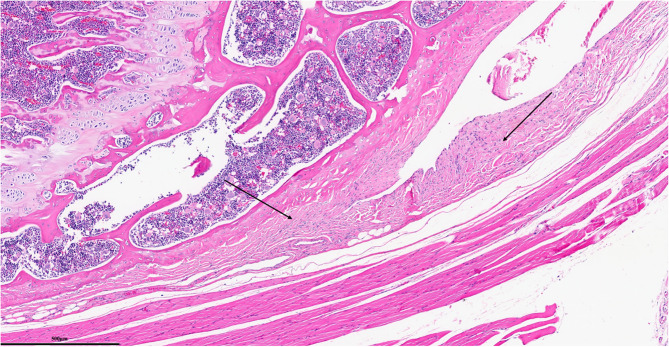 Figure 10
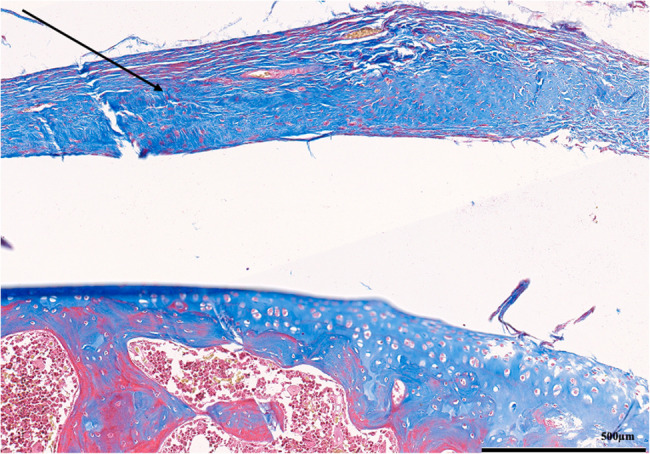 Figure 11
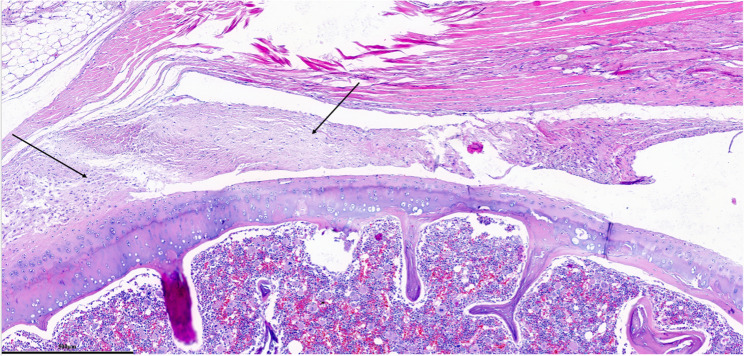 Figure 12
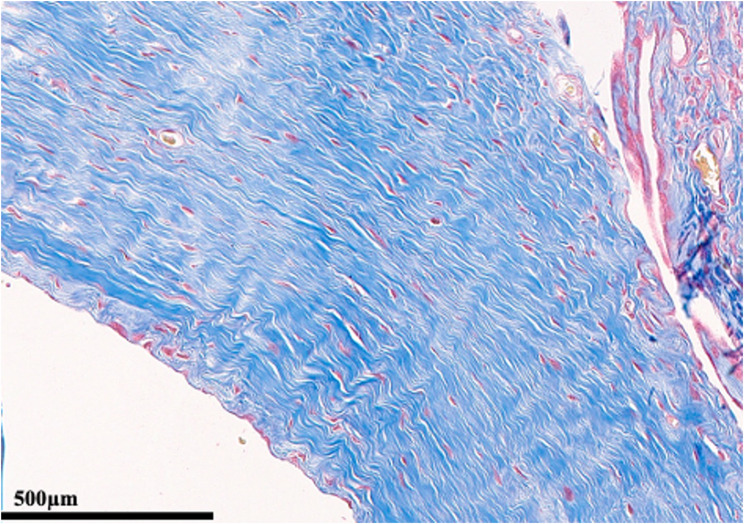 Figure 13
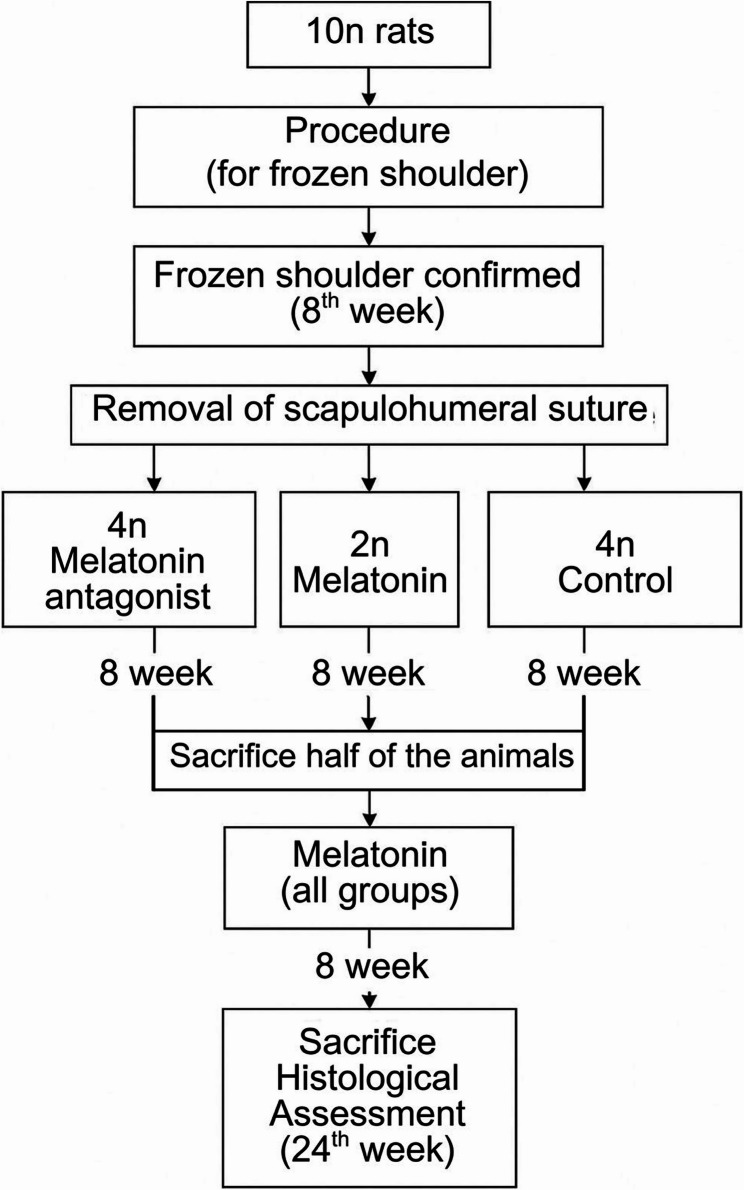 Figure 1
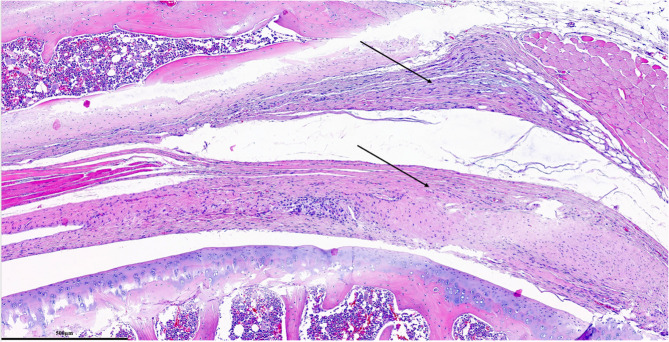 Figure 2
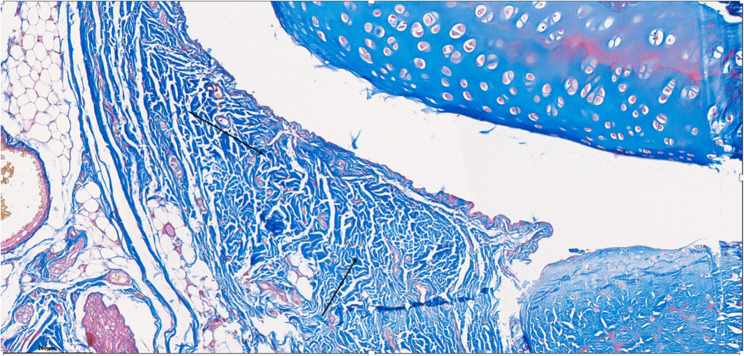 Figure 3
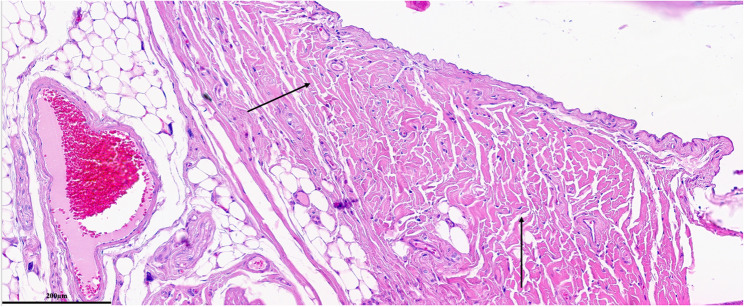 Figure 4
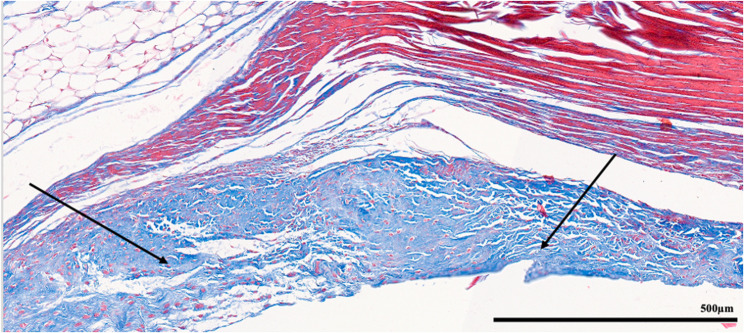 Figure 5
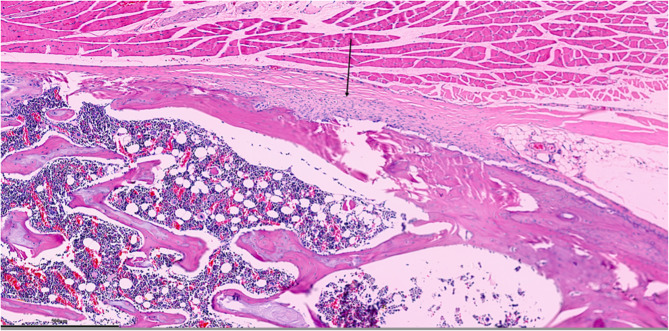 Figure 6
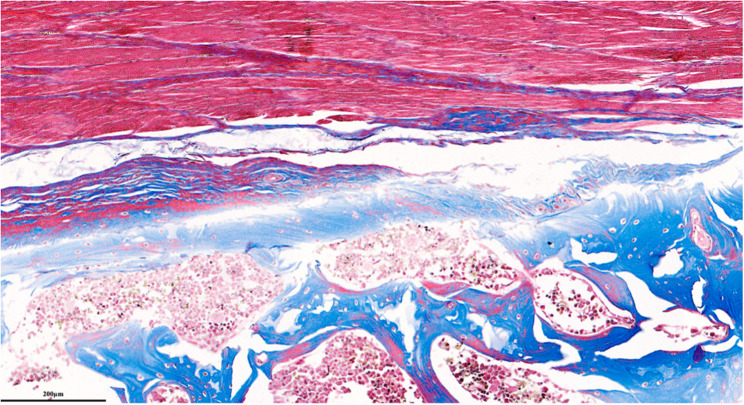 Figure 7
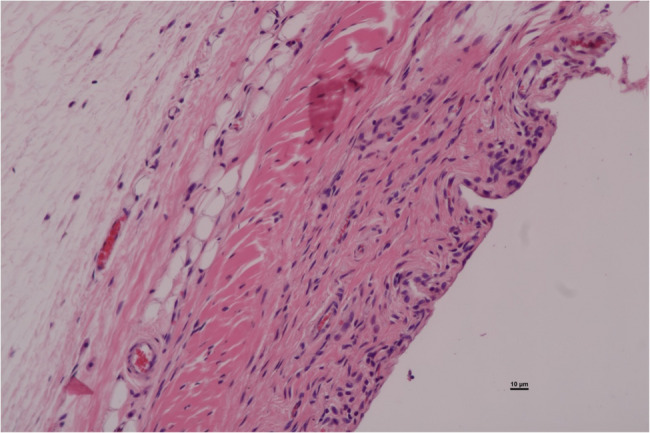 Figure 8
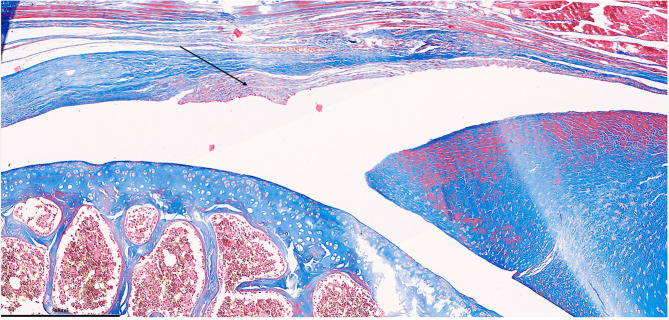 Figure 9
Peer Reviews
No public reviews on file for this paper yet. If you reviewed it on a platform where reviews are public (OpenReview, ICLR, NeurIPS, ICML), you can paste yours below so the community can read it here.
Videos
No videos yet. Explain this paper in a talk, walkthrough, or lecture? Add one.
Taxonomy
TopicsShoulder Injury and Treatment · Myofascial pain diagnosis and treatment · Cardiovascular Syncope and Autonomic Disorders