Control of Aedes albopictus populations by silencing of the vesicular GABA transporter (vgat) and the vesicular monoamine transporter (vmat) genes using recombinant Chlorella shRNA
Xiaodong Deng, Chunmei Xue, Jingwen Gao, Xiaodan Huang, Dianlong Xu, Juncai Li, Xiaowen Fei

TL;DR
This study shows that using genetically modified algae to deliver RNA that silences specific genes in mosquitoes can effectively kill them while being safe for other species.
Contribution
A novel biocidal method using recombinant Chlorella to silence mosquito genes via oral delivery is demonstrated.
Findings
Recombinant Chlorella expressing shRNA targeting vgat and vmat genes showed high lethality against Aedes albopictus larvae and adults.
The shRNA-based method had no lethal effects on non-target organisms like Drosophila and tadpoles.
Gene silencing caused specific behavioral and physiological impairments in mosquitoes, such as reduced sleep and flight issues.
Abstract
Aedes albopictus is a primary vector for the transmission of dengue fever. RNA interference (RNAi)-based biocidal technology represents an important alternative and complement to conventional chemically synthesized insecticides. Chlorella vulgaris was used as a carrier organism for RNAi-mediated gene silencing of Ae. albopictus. Short hairpin RNA (shRNA) expression vectors targeting the vgat and vmat genes of Ae. albopictus were constructed and subsequently used to transform C. vulgaris. The shRNA-transformed Chlorella were then administered to Ae. albopictus larvae or incorporated into attractive toxic sugar baits (ATSB) for adult feeding. The effects of silencing the vgat and vmat genes on Ae. albopictus were then investigated. Both vgat and vmat shRNA-recombinant Chlorella exhibited high lethality against Ae. albopictus larvae and adults. Conversely, shRNA-recombinant Chlorella…
Genes, proteins, chemicals, diseases, species, mutations and cell lines named across the full text — each resolved to its canonical identifier and authoritative record.
Click any figure to enlarge with its caption.
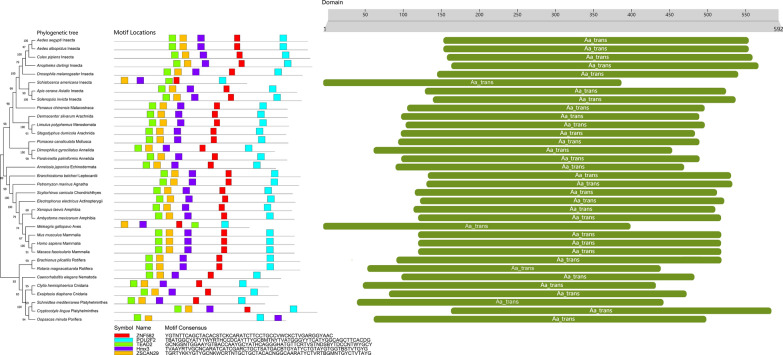 Figure 1
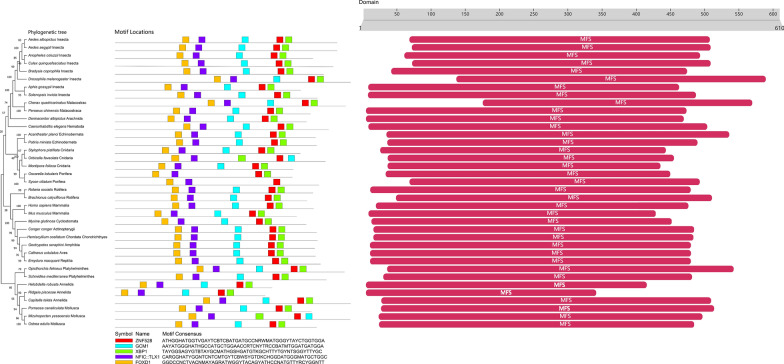 Figure 2
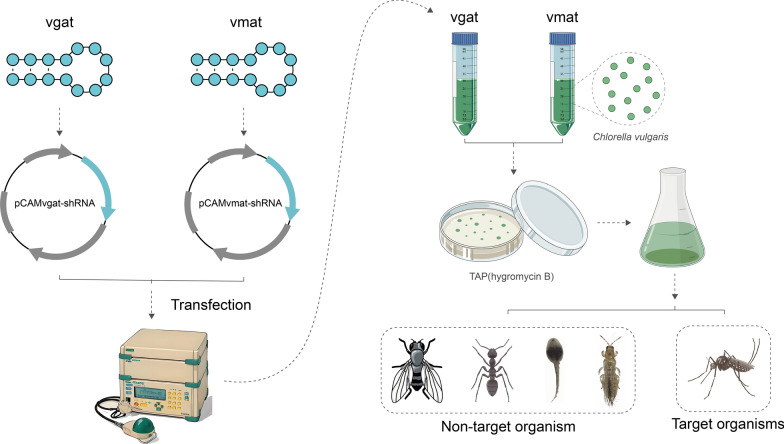 Figure 3
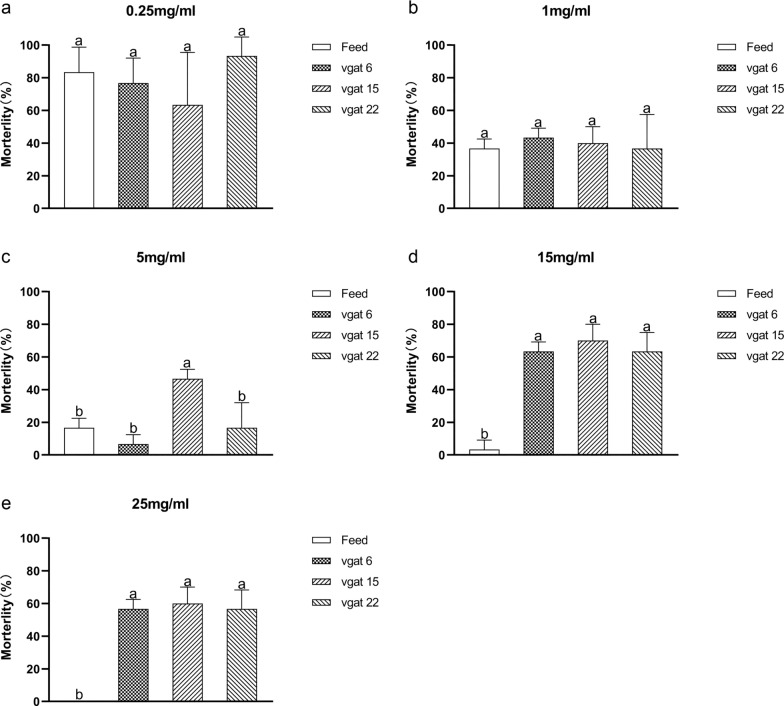 Figure 4
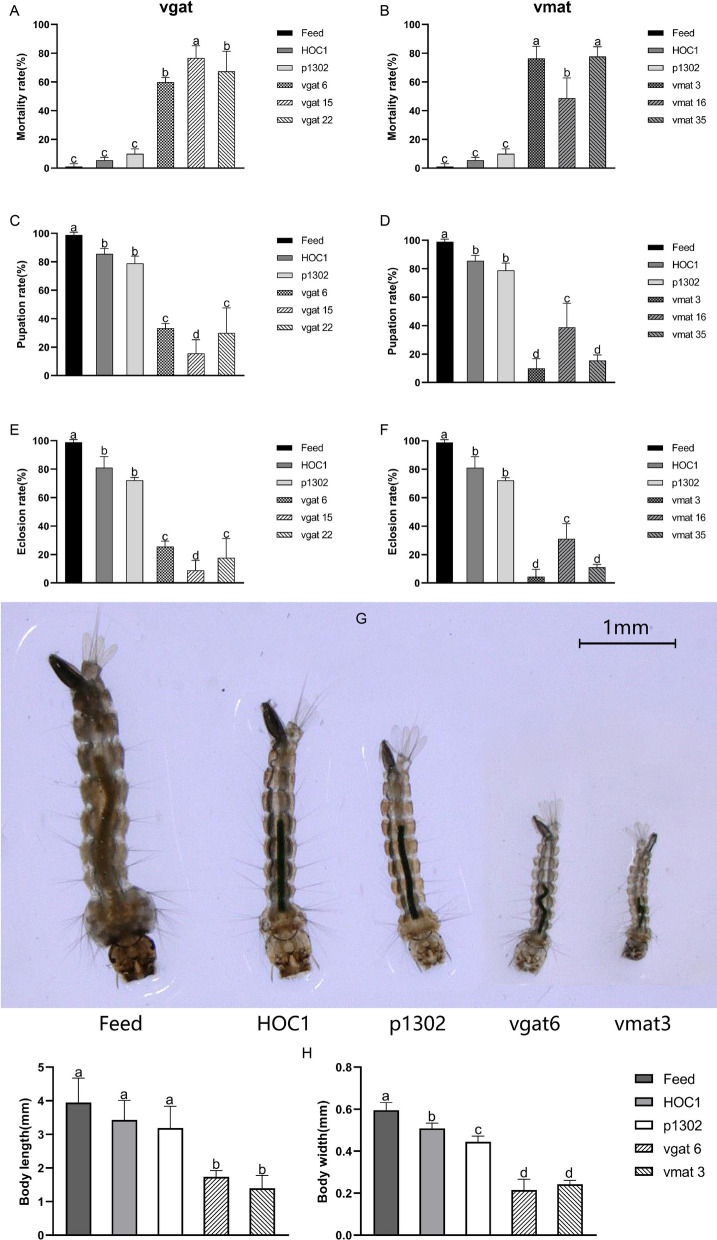 Figure 5
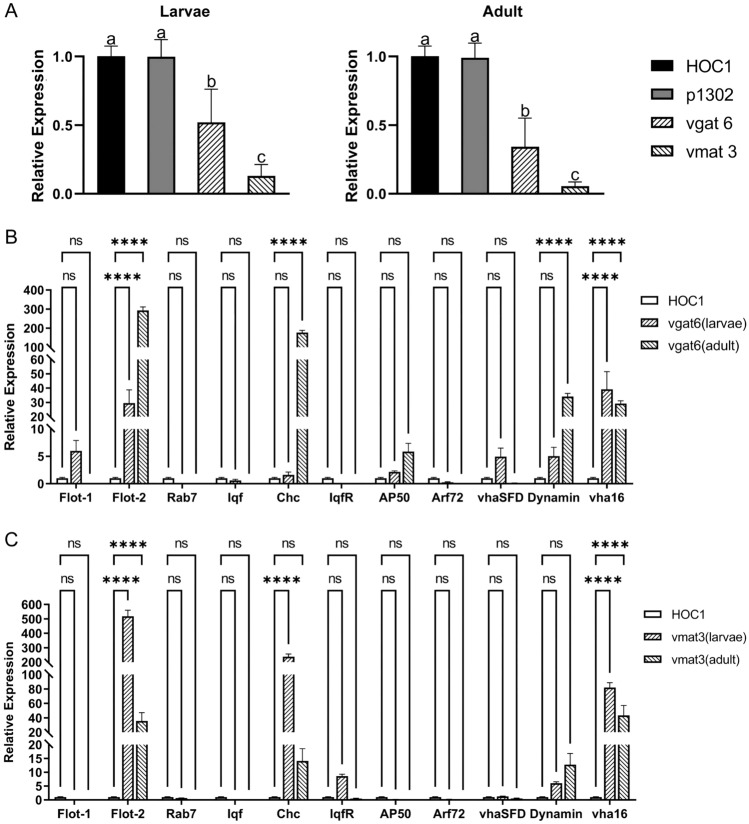 Figure 6
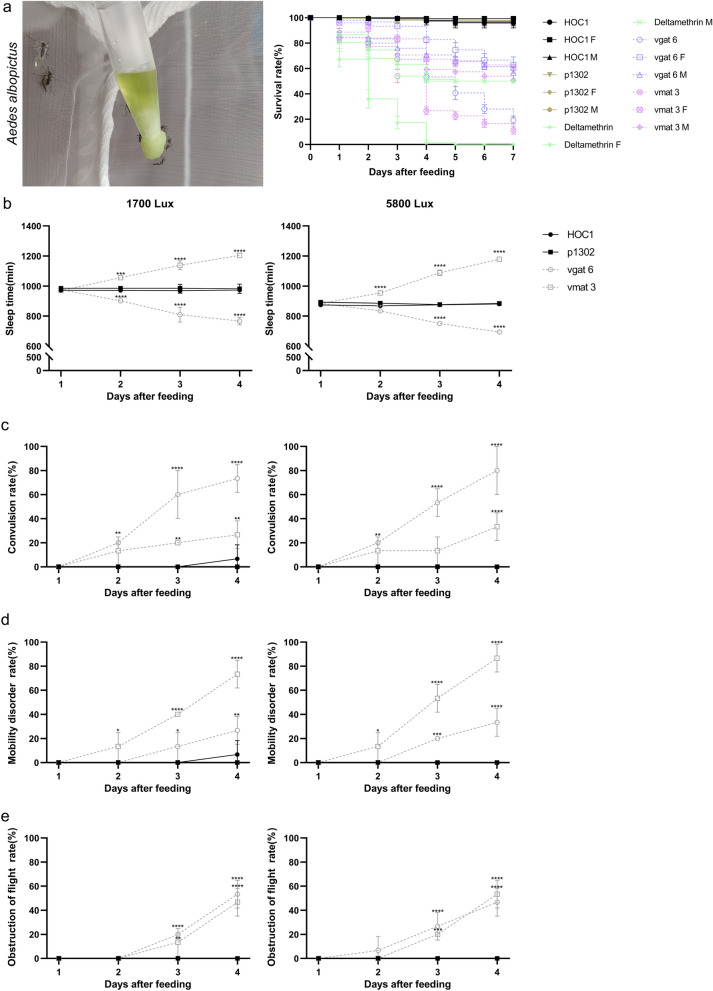 Figure 7
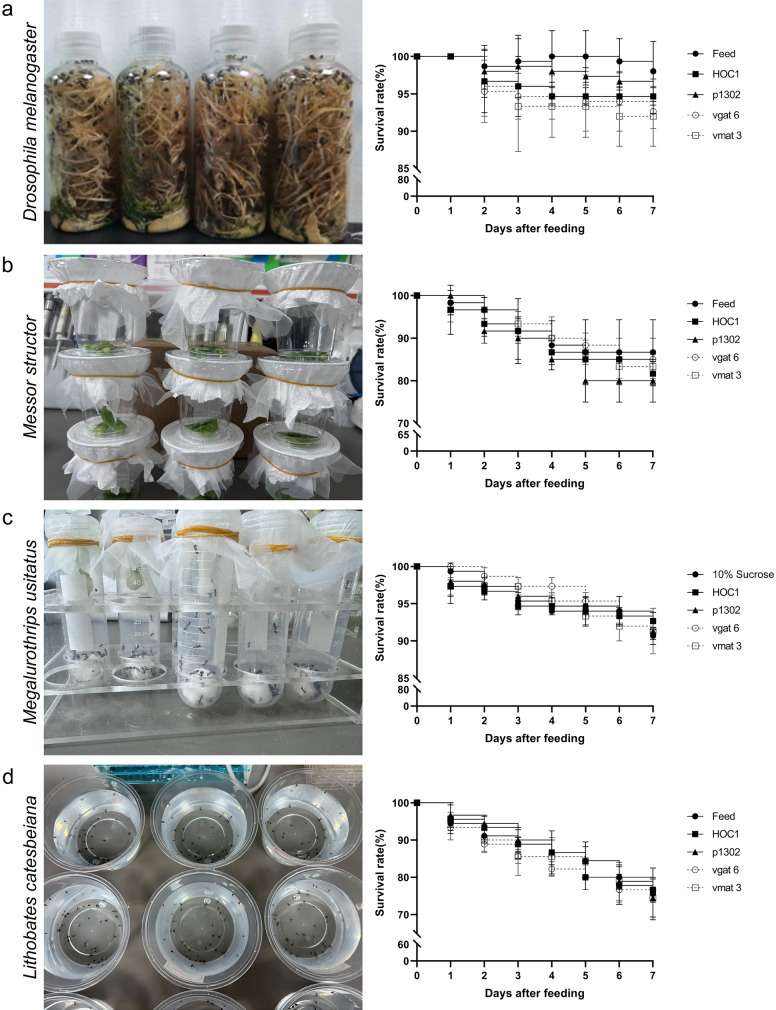 Figure 8
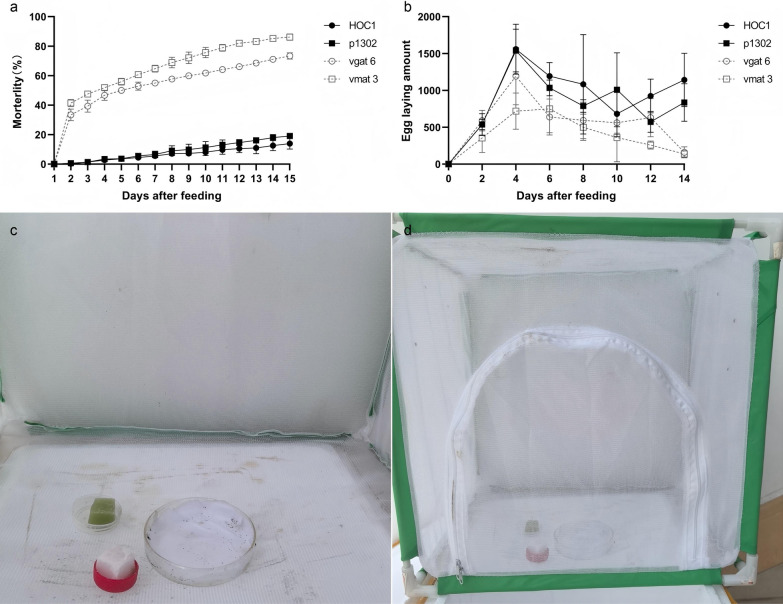 Figure 9
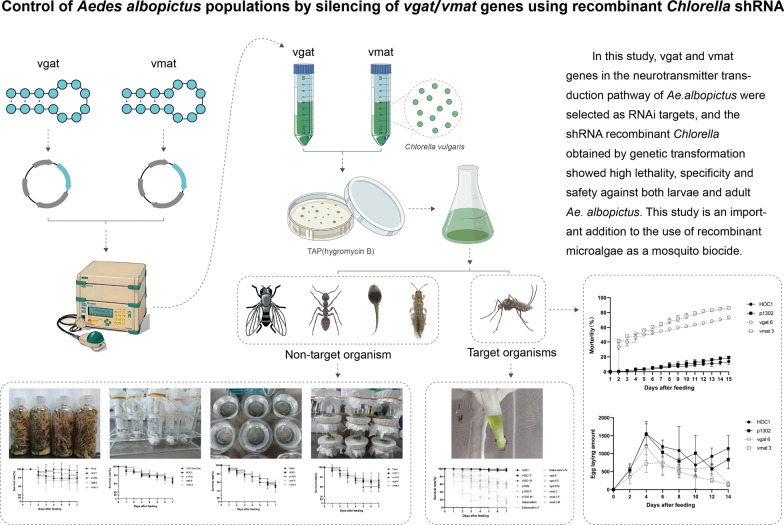 Figure 10
Peer Reviews
No public reviews on file for this paper yet. If you reviewed it on a platform where reviews are public (OpenReview, ICLR, NeurIPS, ICML), you can paste yours below so the community can read it here.
Videos
No videos yet. Explain this paper in a talk, walkthrough, or lecture? Add one.
Taxonomy
TopicsMosquito-borne diseases and control · Insect Resistance and Genetics · Neurobiology and Insect Physiology Research