BDNF genotype associated with changes in cortical thickness, severity of symptoms, and cognitive impairments in mild traumatic brain injury
Lei Shi, Yizhen Pan, Jie Yuan, Jue Zhang, Zhiqi Lee, Xuan Li, Haonan Zhang, Xiang Zhang, Tingting Wu, Jierui Ding, Tao Liu, Nengrui Guo, Zhuonan Wang, Lijun Bai

TL;DR
This study shows that different BDNF gene variants in people with mild traumatic brain injury are linked to brain structure changes, symptom severity, and cognitive issues.
Contribution
The study reveals how BDNF genotypes influence recovery and brain structure after mild traumatic brain injury.
Findings
Val carriers showed better cognitive flexibility and symptom improvement compared to Met carriers.
Met carriers had more significant cortical thickness changes in brain regions related to cognition and emotion.
BDNF polymorphisms may act as biomarkers for long-term cognitive and clinical outcomes in mTBI.
Abstract
Brain-derived neurotrophic factor (BDNF) is a critical blood protein for brain function; however, its genotypic influence on clinical outcomes and brain structure following mild traumatic brain injury (mTBI) remains unclear. This study investigated the relationship between BDNF polymorphisms and cognitive impairment, symptom severity, and cortical structural injury in mTBI patients. Sixty-one mTBI patients underwent neuropsychological assessments and MRI scans within one week post-injury, with 46 patients followed up at one month. Fifty-two healthy controls were included for comparison. Patients with mTBI exhibited clinical symptoms, cognitive impairment, and alterations in cortical thickness during in the acute phase. BDNF Met gene carriers (n = 41) and Val gene carriers (n = 20) demonstrated different cognitive performance in the acute phase and exhibited distinct recovery…
Genes, proteins, chemicals, diseases, species, mutations and cell lines named across the full text — each resolved to its canonical identifier and authoritative record.
Click any figure to enlarge with its caption.
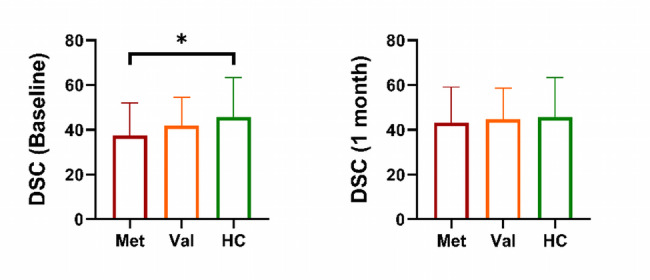 Figure 1
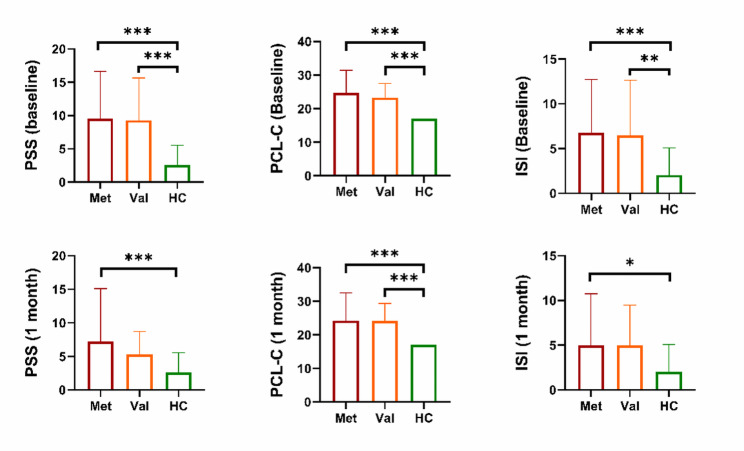 Figure 2
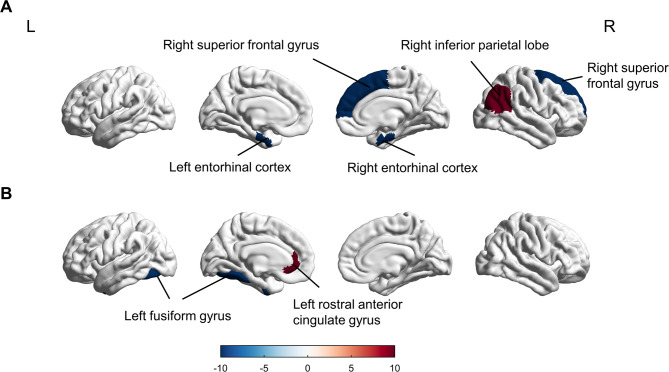 Figure 3
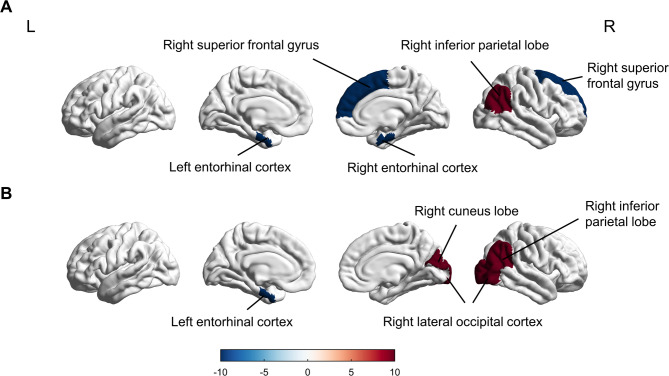 Figure 4
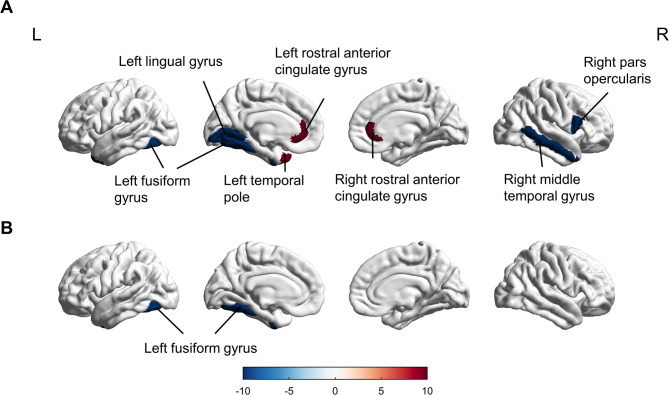 Figure 5
Peer Reviews
No public reviews on file for this paper yet. If you reviewed it on a platform where reviews are public (OpenReview, ICLR, NeurIPS, ICML), you can paste yours below so the community can read it here.
Videos
No videos yet. Explain this paper in a talk, walkthrough, or lecture? Add one.
Taxonomy
TopicsTraumatic Brain Injury Research · Cardiac Arrest and Resuscitation · Traumatic Brain Injury and Neurovascular Disturbances