Community perspectives on the built environment, community stress, and the risk of diabetes and cardiovascular diseases in Accra, Ghana
Mawuli Komla Kushitor, Haim Yacobi, Lydia Osetohamhen Okoibhole, Sandra Batemaa Kushitor, Publa Antwi, Irene Akwo Kretchy, Olutobi Adekunle Sanuade, Samuel Amon, Leonard Baatiema, Vida Asah-Ayeh, Hassan Haghparast-Bidgoli, Hannah Maria Jennings, Daniel Llywelyn Strachan

TL;DR
This study explores how the built and social environments in Accra, Ghana, are linked to diabetes and cardiovascular disease risks based on community perspectives.
Contribution
The study introduces a novel approach combining cognitive mapping, GIS, and qualitative methods to capture community-driven insights into environmental health risks in a low-income urban setting.
Findings
Excessive heat, noise, and overcrowding were identified as key environmental stressors linked to cardiovascular disease risks.
Social environments, including bars and weekend gatherings, were associated with unhealthy behaviors contributing to diabetes.
Community members linked deteriorating social behaviors and diets to rising diabetes and CVD rates.
Abstract
The growing burden of diabetes and other non-communicable diseases in Africa demands greater understanding of the contextual drivers of risk factors, including the built environment. Cognitive Mapping (CM) is a participatory research approach that allows community members to visualise their environmental context through drawing. The maps express in visual form the situated knowledge of the environment from local perceptions of daily experiences. This study combines Geographic Information System (GIS) techniques and qualitative research methods to explore community perspectives on the environmental risk factors of diabetes and other cardiovascular diseases (CVDs) in a poor urban community in Accra, Ghana. Five Cognitive Map Focus Group Discussions (CM-FGDs) and four regular Focus Group Discussions (FGDs) were conducted with a total of 43 participants in Ga Mashie (Accra) in November and…
Genes, proteins, chemicals, diseases, species, mutations and cell lines named across the full text — each resolved to its canonical identifier and authoritative record.
Click any figure to enlarge with its caption.
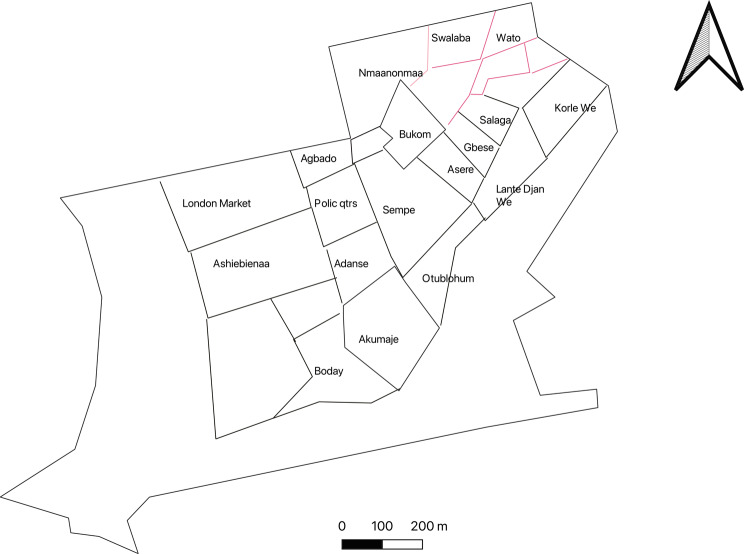 Figure 1
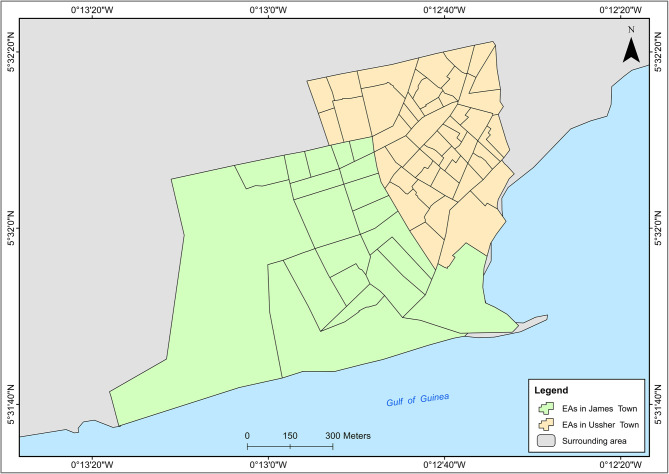 Figure 2
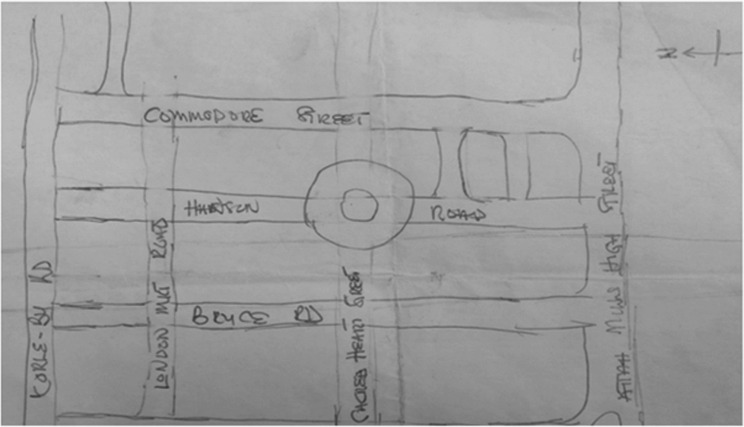 Figure 3
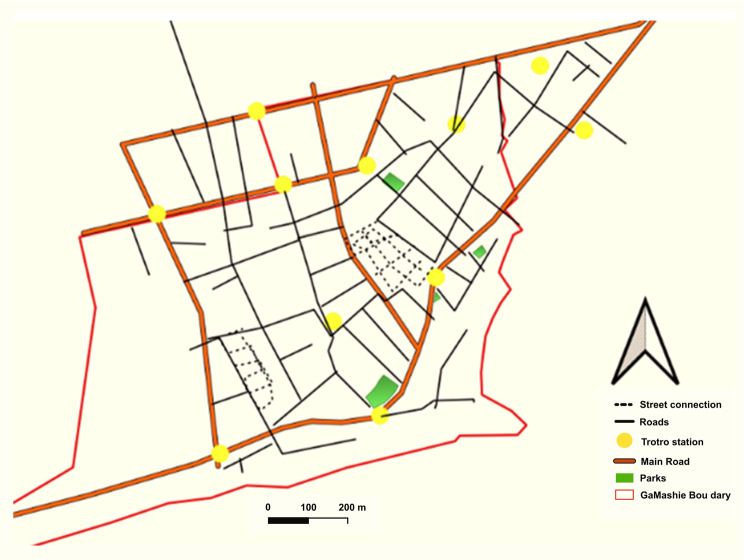 Figure 4
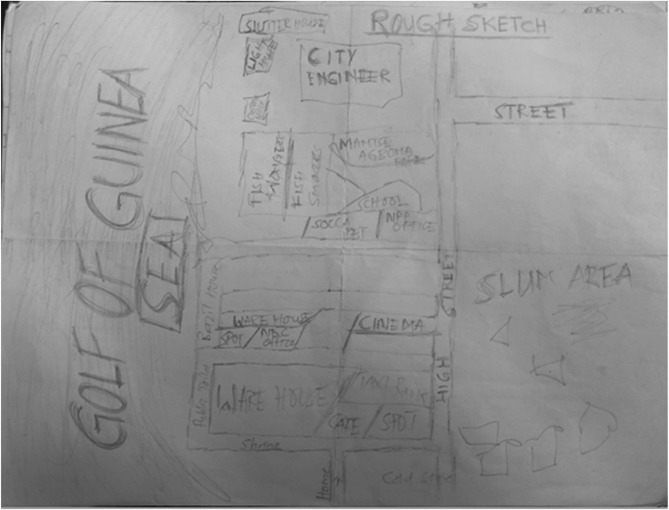 Figure 5
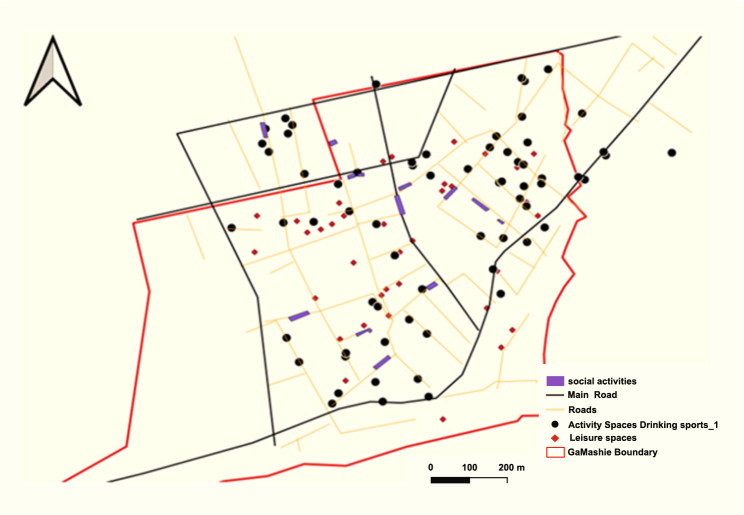 Figure 6
Peer Reviews
No public reviews on file for this paper yet. If you reviewed it on a platform where reviews are public (OpenReview, ICLR, NeurIPS, ICML), you can paste yours below so the community can read it here.
Videos
No videos yet. Explain this paper in a talk, walkthrough, or lecture? Add one.
Taxonomy
TopicsUrban Transport and Accessibility · Obesity, Physical Activity, Diet · Health disparities and outcomes