Divergent migratory strategies lead to variable refueling performance amongst Gray Catbirds (Dumetella carolinensis) during spring stopover in the Gulf of Mexico
Michael Griego, Mariamar Gutierrez Ramirez, Alexander R. Gerson

TL;DR
Gray Catbirds use different migratory strategies during spring stopovers, and long-distance migrants refuel more efficiently than short-distance migrants.
Contribution
The study reveals a physiological strategy in long-distance migratory Gray Catbirds that allows more efficient refueling during stopovers.
Findings
Long-distance migrants show higher plasma triglyceride increases per unit of body mass compared to short-distance migrants.
Long-distance migrants can deposit more lean and fat mass with a smaller metabolic rate increase than expected for their size.
Migratory distance influences the relationship between body mass and refueling rates in Gray Catbirds.
Abstract
Each spring, migratory Gray Catbirds (Dumetella carolinensis, henceforth referred to as Catbirds) that have wintered in Central America and the Caribbean, fly across the Gulf of Mexico during their northern migration. These long-distance flights are primarily fueled by lipid reserves, but protein is also catabolized leading to significant depletions in organ and muscle tissue mass upon arrival at stopover sites. Here, Catbirds must not only recover from their previous intensive flight across the Gulf but must also provision for the next leg of migration as they continue to their breeding grounds in North America. There is still much to be known about how reduced lean mass at stopover may constrain refueling performance. Catbirds present a unique opportunity to study refueling performance relating to differential migratory strategies as these songbirds have significant geographic spread…
Genes, proteins, chemicals, diseases, species, mutations and cell lines named across the full text — each resolved to its canonical identifier and authoritative record.
Click any figure to enlarge with its caption.
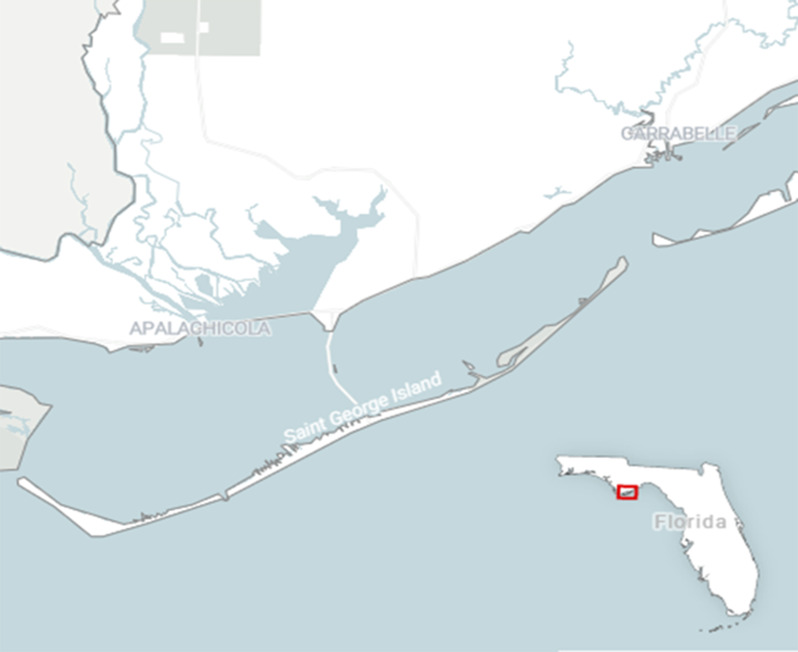 Figure 1
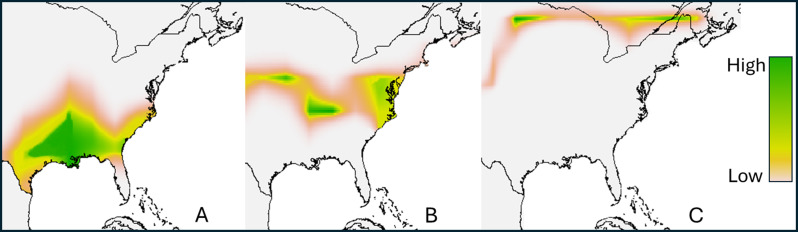 Figure 2
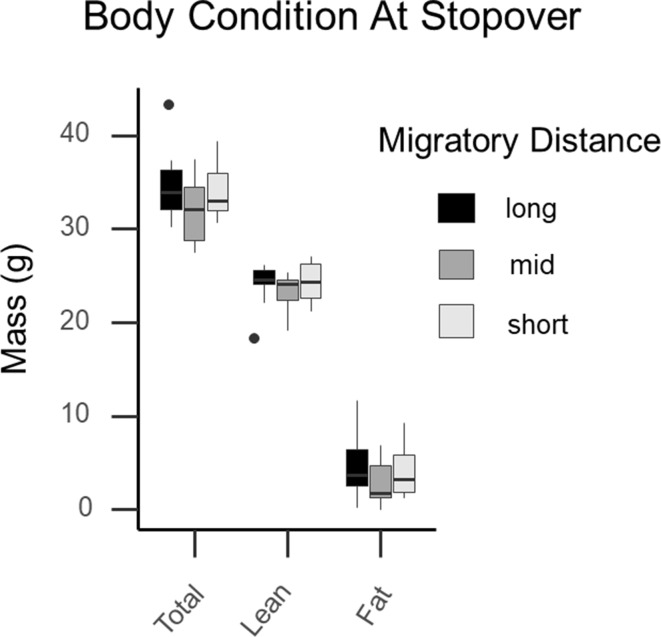 Figure 3
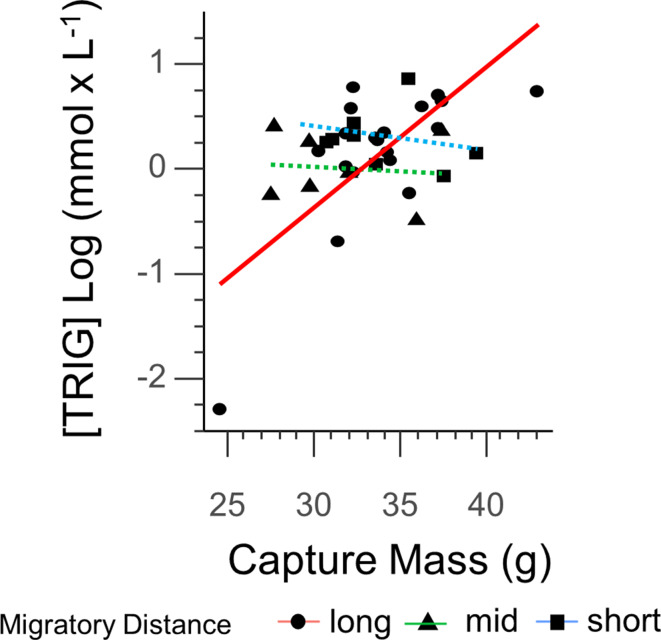 Figure 4
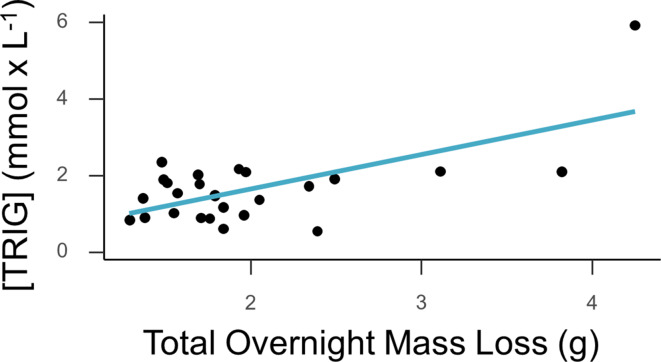 Figure 5
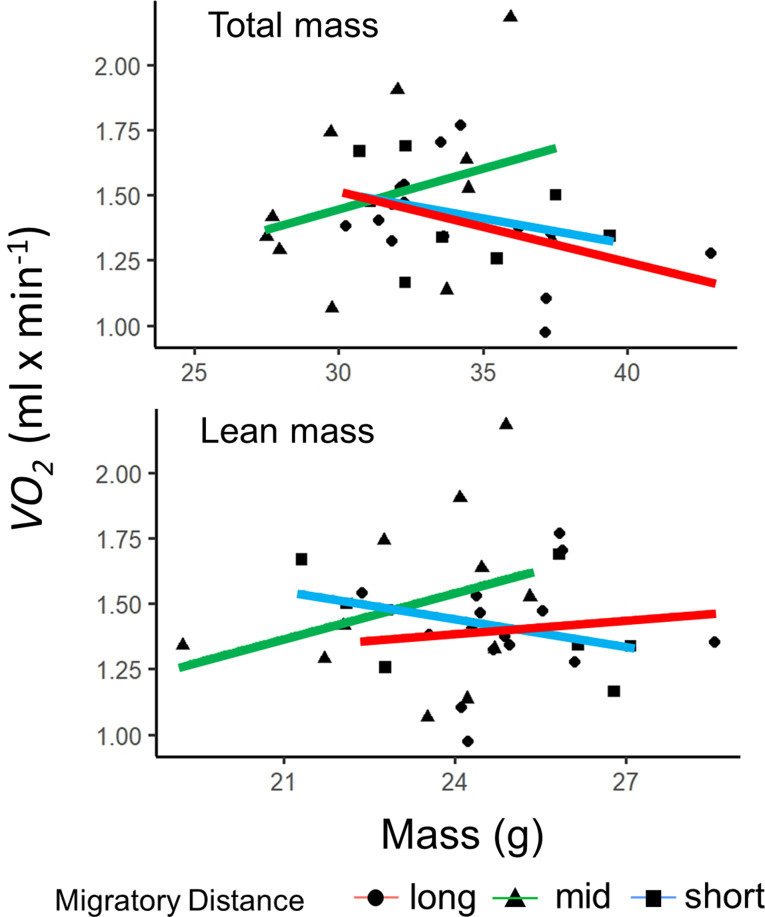 Figure 6
Peer Reviews
No public reviews on file for this paper yet. If you reviewed it on a platform where reviews are public (OpenReview, ICLR, NeurIPS, ICML), you can paste yours below so the community can read it here.
Videos
No videos yet. Explain this paper in a talk, walkthrough, or lecture? Add one.
Taxonomy
TopicsAvian ecology and behavior · Climate variability and models · Fish Ecology and Management Studies