MGL/CLEC10A is an important C-type lectin receptor activated in the innate immune response to Mycobacterium tuberculosis and is suppressed in people with HIV
Sarah E. Browning, Preeti Bharaj, Xiuzhen Fan, Harrison Nguyen, Alex J. Holloway, Kubra F. Naqvi, Joshua G. Lisinicchia, Reina N. Paez, Sadhana Chauhan, Matthew B. Huante, Yazmin B. Martinez-Martinez, Mark A. Endsley, Benjamin B. Gelman, Janice J. Endsley

TL;DR
MGL/CLEC10A is a key receptor in the immune response to tuberculosis and is reduced in people with HIV, suggesting a potential target for treatment.
Contribution
Human MGL is identified as an Mtb-responsive receptor with reduced expression in HIV, offering new insights into innate immunity and host-directed therapy.
Findings
MGL is activated in both M1 and M2 macrophage conditions during Mtb exposure.
MGL+ cells are abundant in TB granulomas, and MGL silencing increases Mtb replication.
MGL levels are reduced in people with HIV and correlate with viral load.
Abstract
Mycobacterium tuberculosis (Mtb) and HIV are leading infectious causes of death worldwide and act synergistically to worsen disease during co-infection. C-type lectin receptors (CLR) respond to pathogen-associated carbohydrates to activate downstream innate immunity and can be exploited for entry of intracellular pathogens. The macrophage (MΦ) galactose-type lectin (MGL, CLEC10A) is an immunomodulatory CLR associated with M2 MΦ. We previously described an immune role for a murine MGL homologue in an experimental model of tuberculosis (TB). Herein we extend these findings by identifying human MGL as an important member of the Mtb-responsive pathogen recognition receptor (PRR) repertoire that is activated in both M1 and M2 polarizing conditions. MΦ exposure to Mtb activates MGL expression and abundant MGL+ cells are present in TB granulomas of human lung and lymph node. Silencing of MGL…
Genes, proteins, chemicals, diseases, species, mutations and cell lines named across the full text — each resolved to its canonical identifier and authoritative record.
Click any figure to enlarge with its caption.
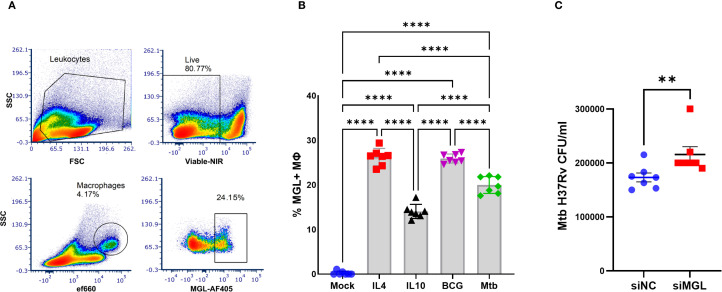 Figure 1
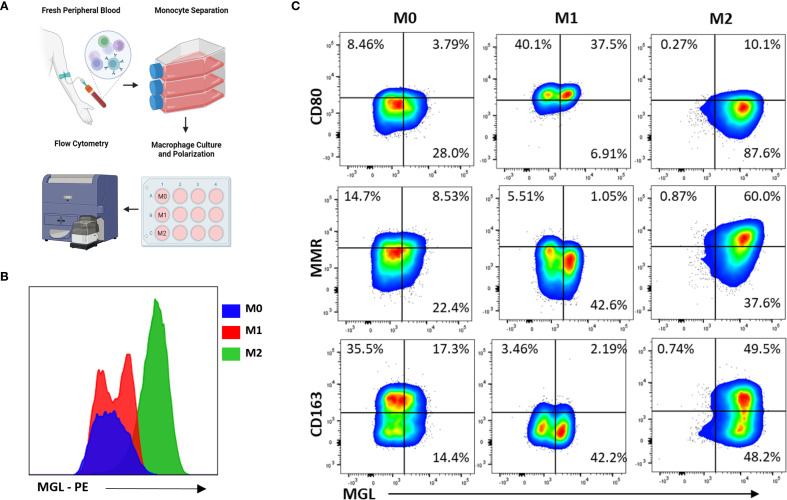 Figure 2
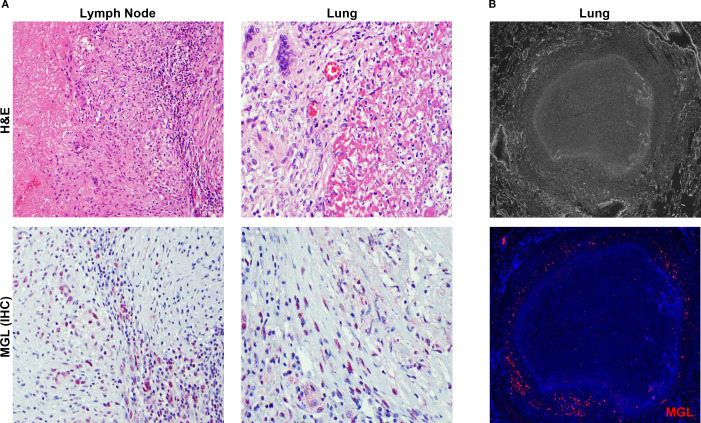 Figure 3
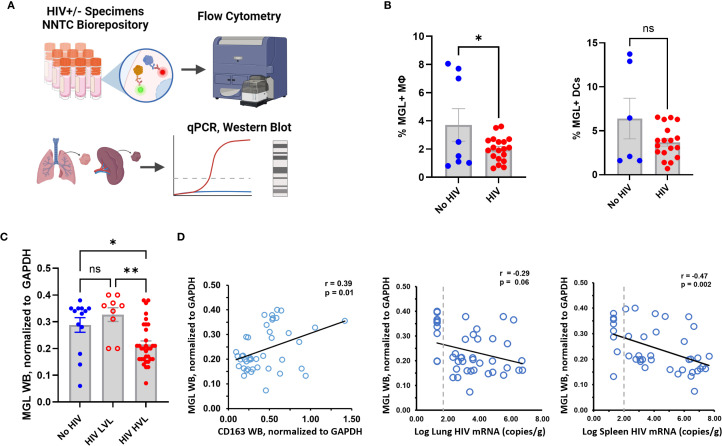 Figure 4
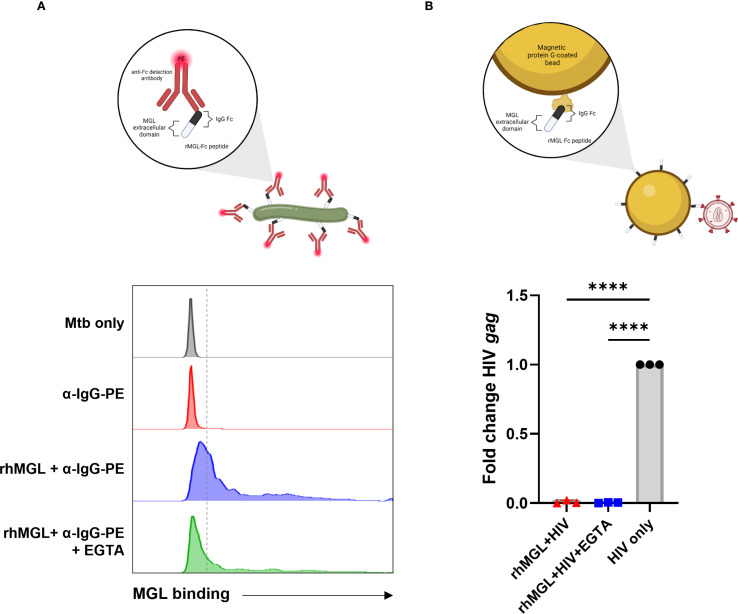 Figure 5
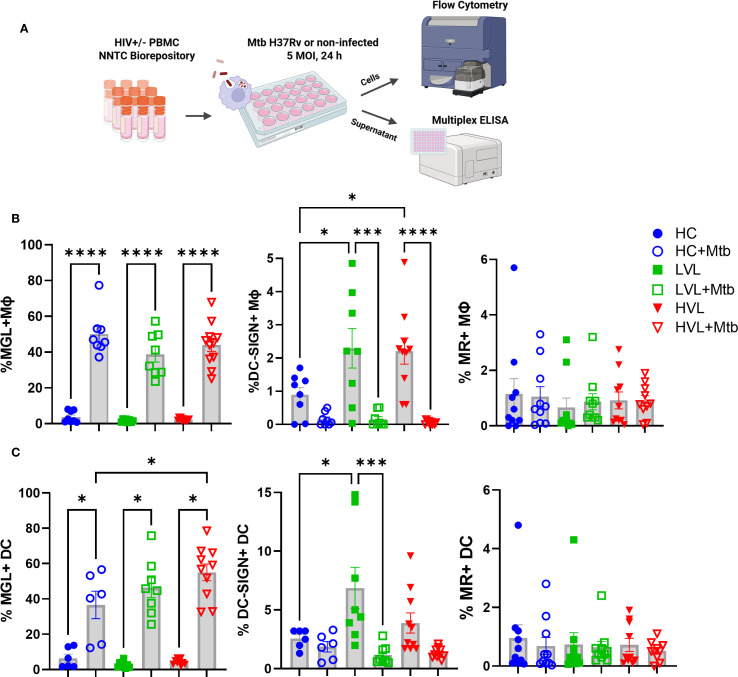 Figure 6
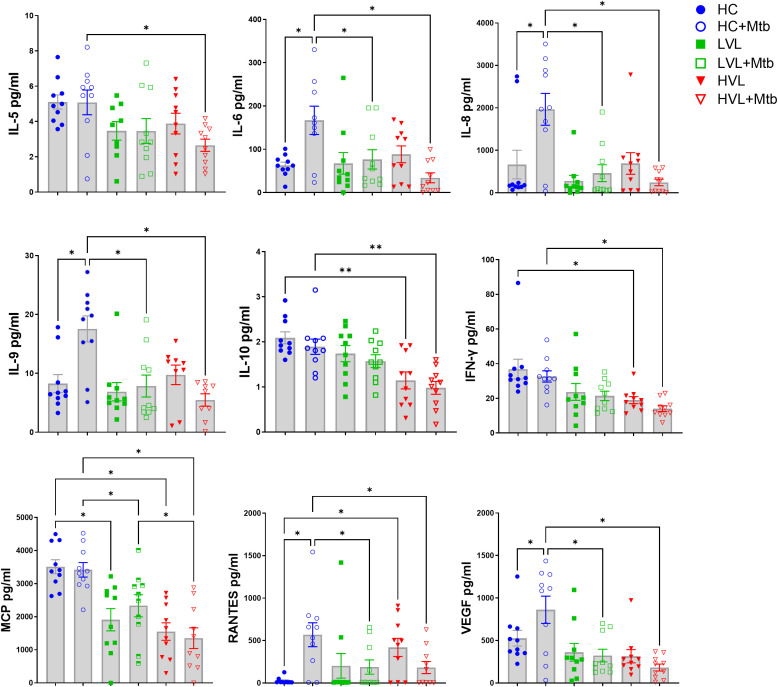 Figure 7
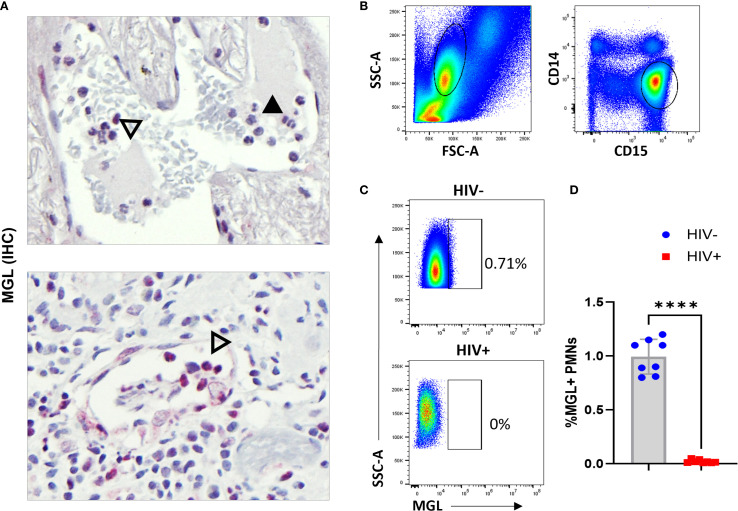 Figure 8
Peer Reviews
No public reviews on file for this paper yet. If you reviewed it on a platform where reviews are public (OpenReview, ICLR, NeurIPS, ICML), you can paste yours below so the community can read it here.
Videos
No videos yet. Explain this paper in a talk, walkthrough, or lecture? Add one.
Taxonomy
TopicsComplement system in diseases · Immune Cell Function and Interaction · HIV Research and Treatment