The structure of complexes between zinc(ii) cations and histidine-rich repeats from the unstructured N-terminal domain of human prion protein
Michał Nowakowski, Joanna Wolak, Maciej Gielnik, Adam Piotrowski, Igor Zhukov, Justyna Żygowska, Aneta Szymańska, Marta D. Wiśniewska, Wojciech Bal, Sebastian K. T. S. Wärmländer, Maciej Kozak, Wojciech M. Kwiatek

TL;DR
This study explores how zinc ions bind to a specific region of the prion protein, potentially contributing to neurodegenerative diseases.
Contribution
The study reveals the specific coordination geometry of Zn(ii) ions with histidine residues in prion protein octarepeats.
Findings
Zn(ii) ions are coordinated by histidine residues in an octahedral geometry with axial water molecules.
Zn(ii) binding promotes β-sheet formation and oligomerization of the prion protein octarepeats.
Zn(ii) coordination reduces structural disorder and may contribute to neurodegenerative diseases.
Abstract
Prion protein (PrPC), a well-known protein pathogenic agent, consists of an ordered C-terminal domain and an unstructured N-terminal tail. The N-terminal region includes a highly conserved region consisting of four octarepeat sequences PHGGGWGQ (in short, octarepeats). These octarepeats are capable of binding metal ions such as Cu(ii) and Zn(ii). In this study, XAS and FTIR experiments revealed the specific stoichiometry and characteristic features of the Zn(ii)-binding site in octarepeats. In the presence of Zn(ii) ions, the octarepeat peptide can self-assemble and form fibrils. Although fully developed aggregates are visually distinct, their base PrP–Zn(ii) complex geometry remains the same everywhere – Zn(ii) is coordinated by N atoms from His residues in the octahedral structure, with axial water molecules being preferred. The coordination of Zn(ii) ions promotes β-sheet formation…
Genes, proteins, chemicals, diseases, species, mutations and cell lines named across the full text — each resolved to its canonical identifier and authoritative record.
Click any figure to enlarge with its caption.
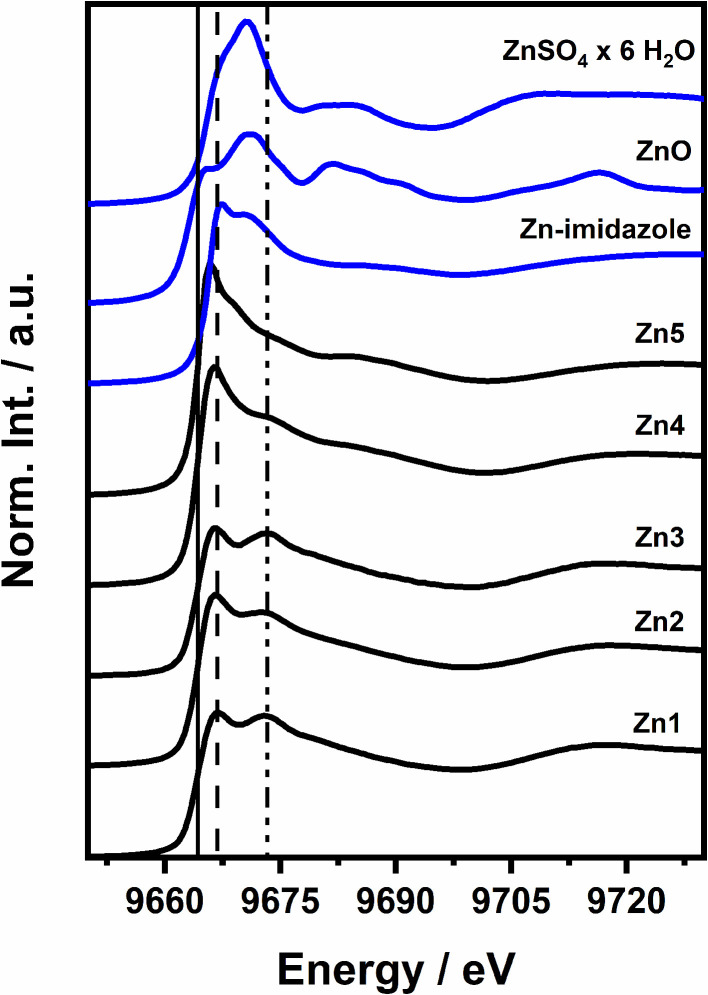 Figure 1
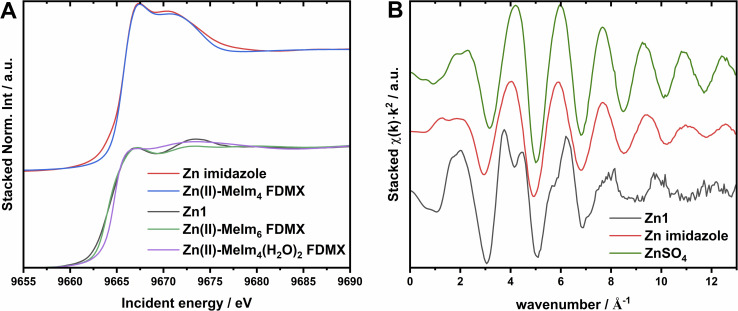 Figure 2
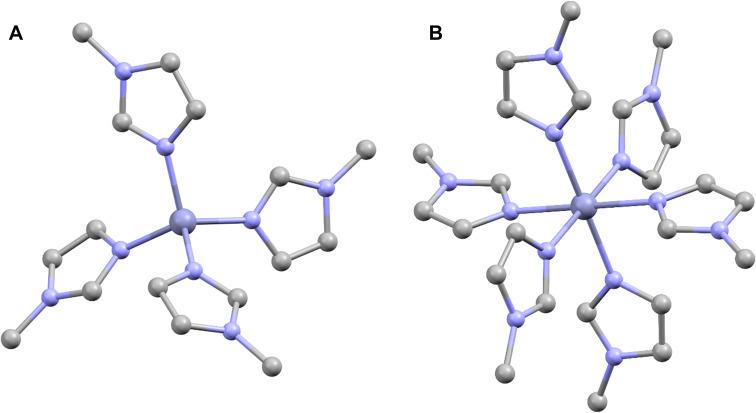 Figure 3
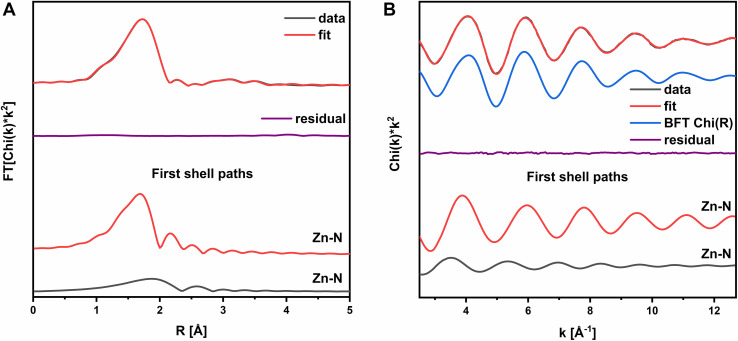 Figure 4
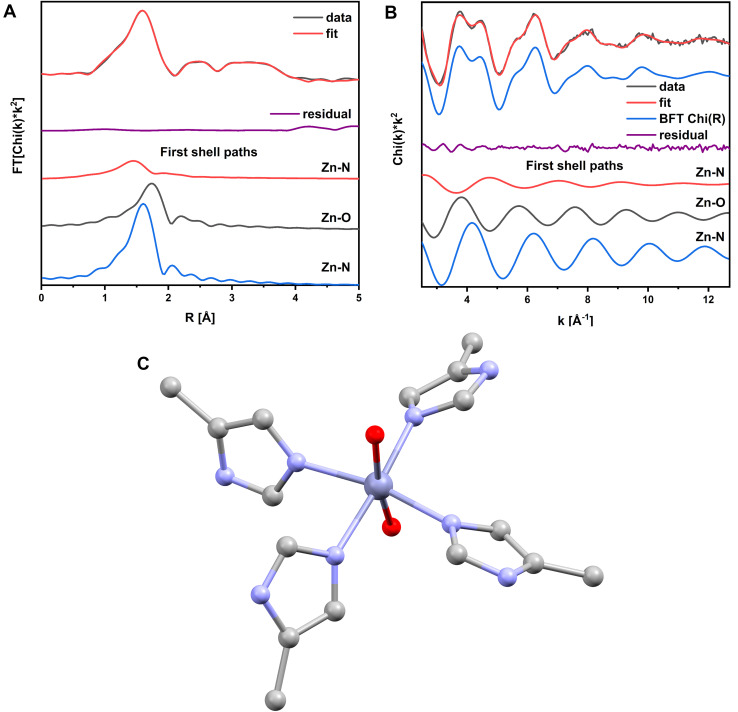 Figure 5
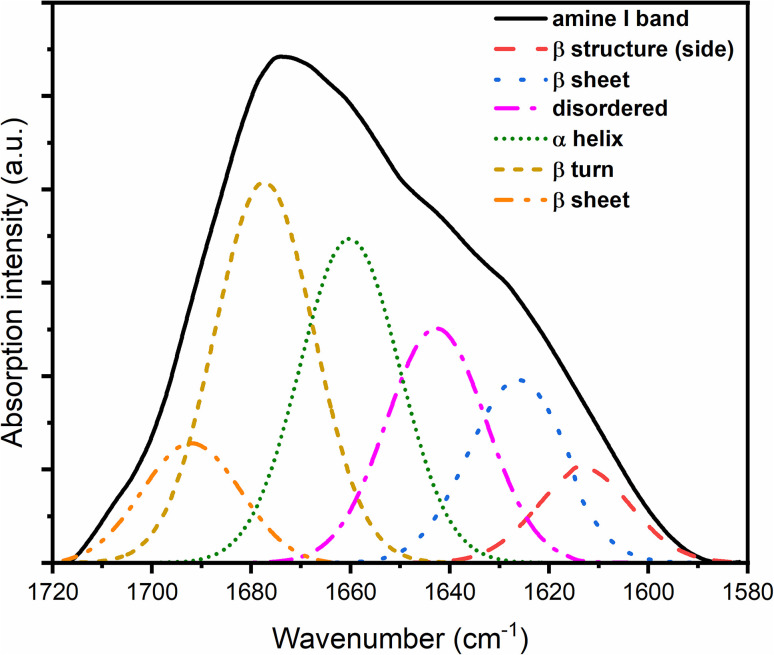 Figure 6
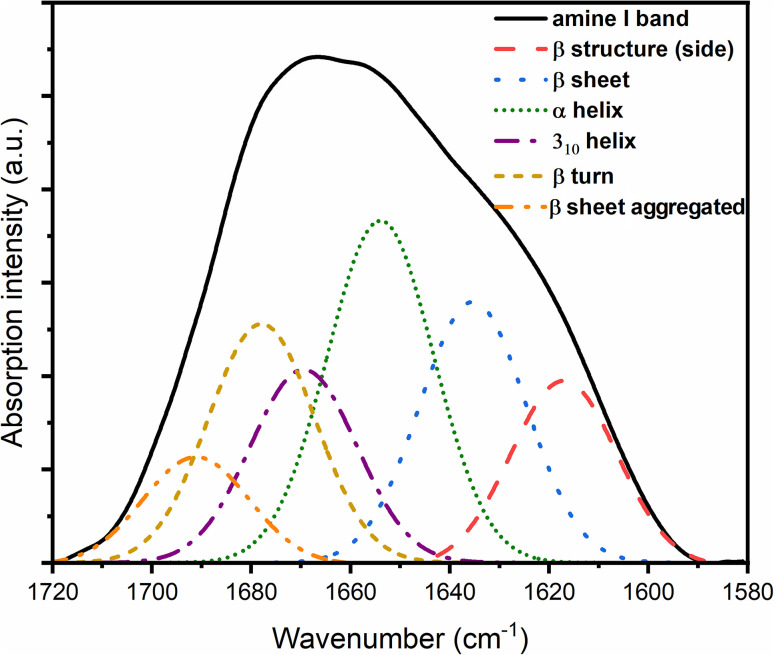 Figure 7
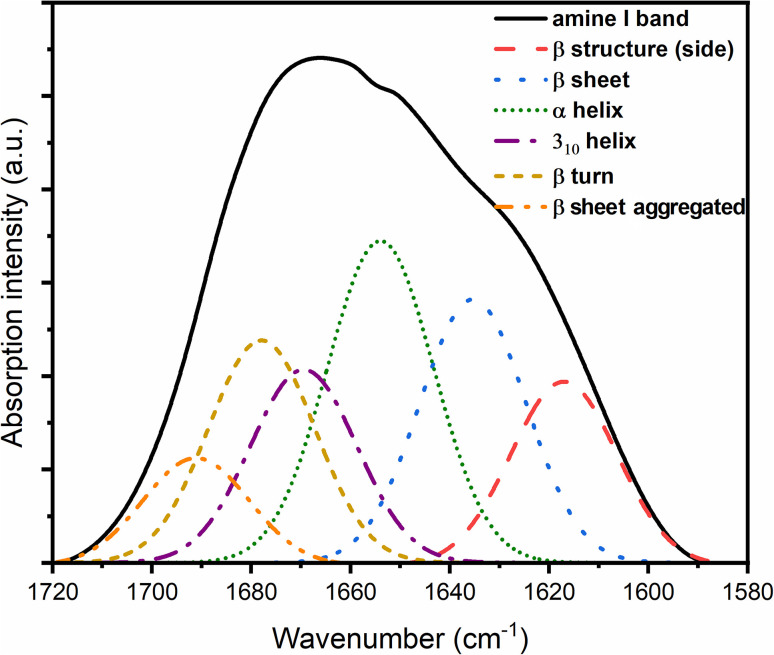 Figure 8
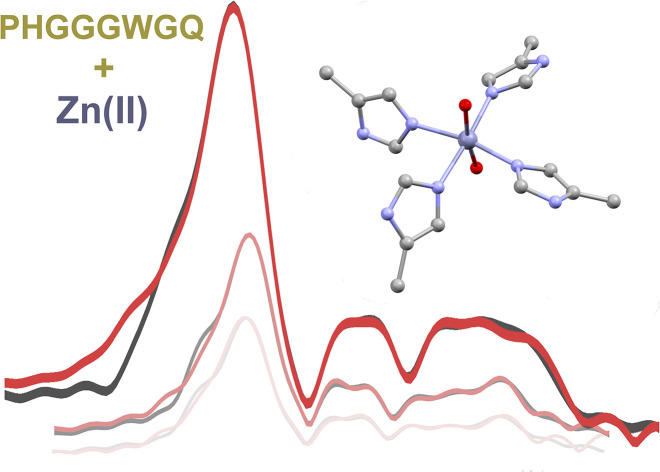 Figure 9
Peer Reviews
No public reviews on file for this paper yet. If you reviewed it on a platform where reviews are public (OpenReview, ICLR, NeurIPS, ICML), you can paste yours below so the community can read it here.
Videos
No videos yet. Explain this paper in a talk, walkthrough, or lecture? Add one.
Taxonomy
TopicsPrion Diseases and Protein Misfolding · Trace Elements in Health · RNA Research and Splicing