Prolonged Responses to Cemiplimab in Advanced Cutaneous Squamous Cell Carcinoma: A Case Series
Alexandra P Guedes, Catarina L Fernandes, Inês B Freitas, Paula C Ferreira, Maria I Vilas Boas

TL;DR
This case series shows that cemiplimab can lead to long-lasting responses in older patients with advanced skin cancer, even after treatment stops.
Contribution
The study demonstrates prolonged responses and potential rechallenge success with cemiplimab in advanced cutaneous squamous cell carcinoma.
Findings
Four patients with advanced CSCC achieved complete responses to cemiplimab with time to response ranging from 6 to 24 months.
Only one patient experienced a local relapse after treatment discontinuation, and cemiplimab rechallenge controlled the disease.
Immune-related adverse events occurred in two patients but were effectively managed.
Abstract
Cutaneous squamous cell carcinoma (CSCC) is a common skin malignancy with a subset of cases presenting as locally advanced or metastatic disease, often in elderly or comorbid patients. Cemiplimab, an anti-PD-1 antibody, has emerged as a standard treatment for advanced CSCC. This case series presents real-world outcomes of four patients (aged 75 to 83) with advanced CSCC treated with cemiplimab. Two patients had previous disease progression on first-line chemotherapy treatment. All four achieved complete responses, with time to response ranging from 6 to 24 months. Immune-related adverse events occurred in two cases, but were effectively managed. Cemiplimab was discontinued in all patients after sustained responses. Only one patient presented with a local relapse within 2 years after stopping treatment, after which cemiplimab was rechallenged with subsequent disease control. This case…
Genes, proteins, chemicals, diseases, species, mutations and cell lines named across the full text — each resolved to its canonical identifier and authoritative record.
Click any figure to enlarge with its caption.
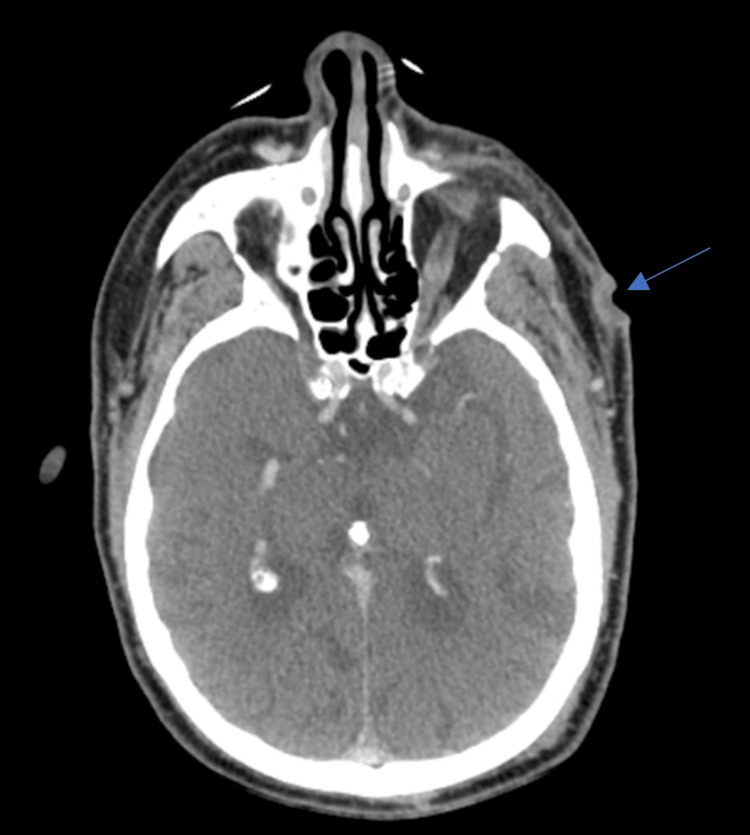 Figure 1
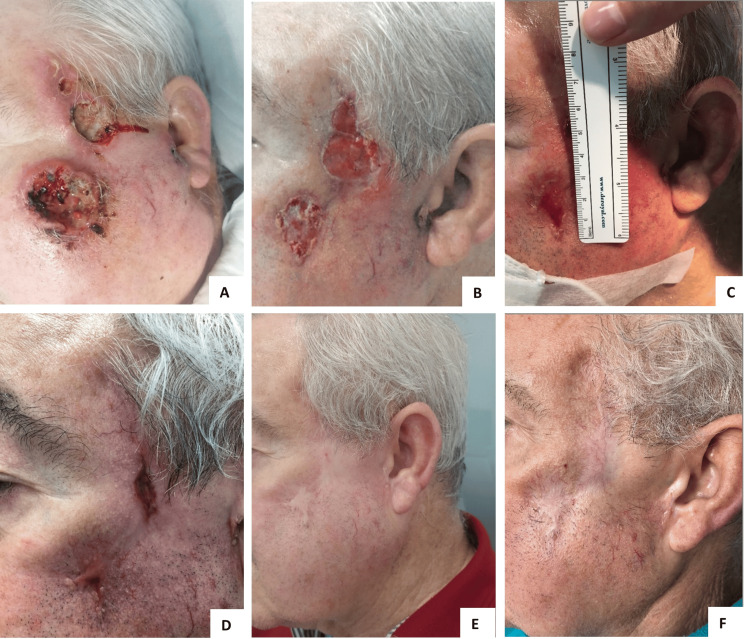 Figure 2
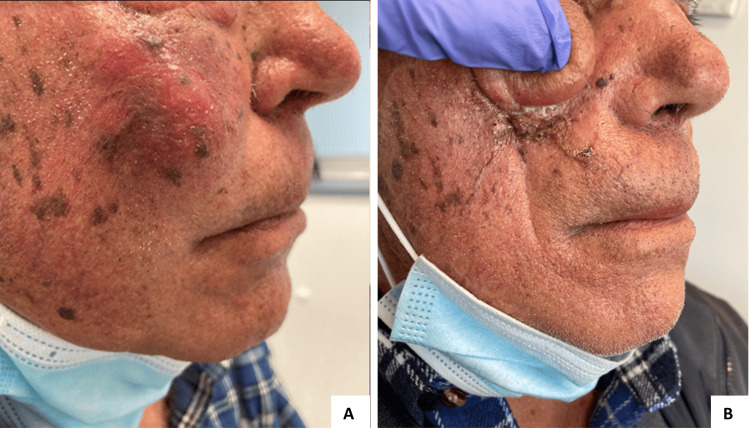 Figure 3
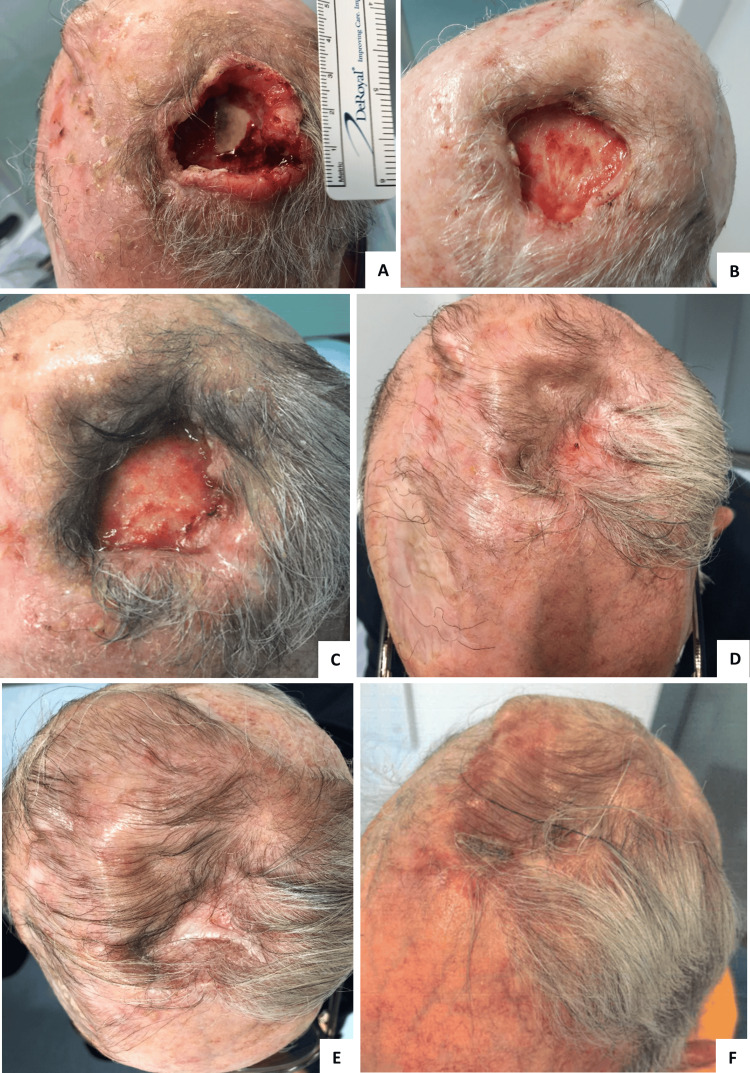 Figure 4
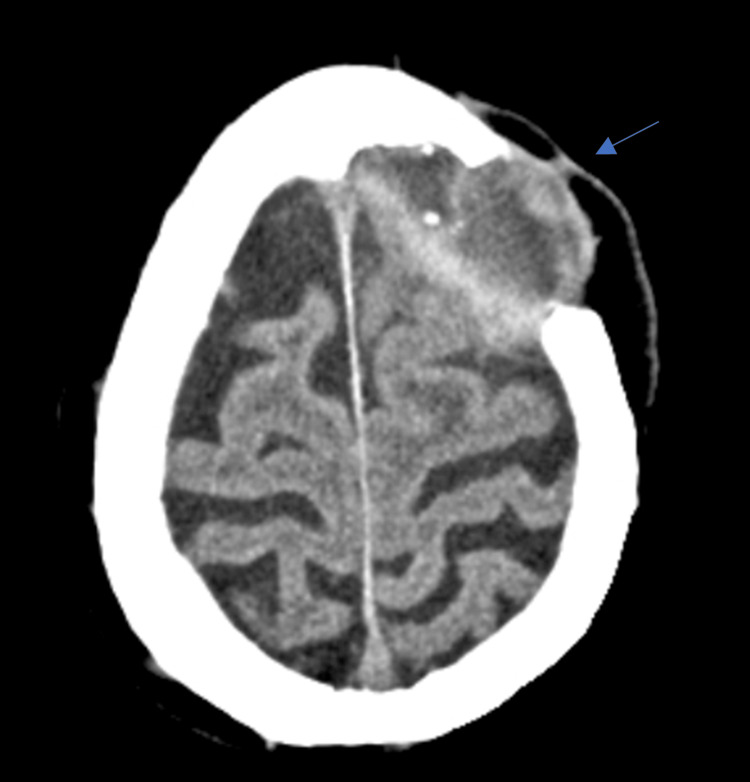 Figure 5
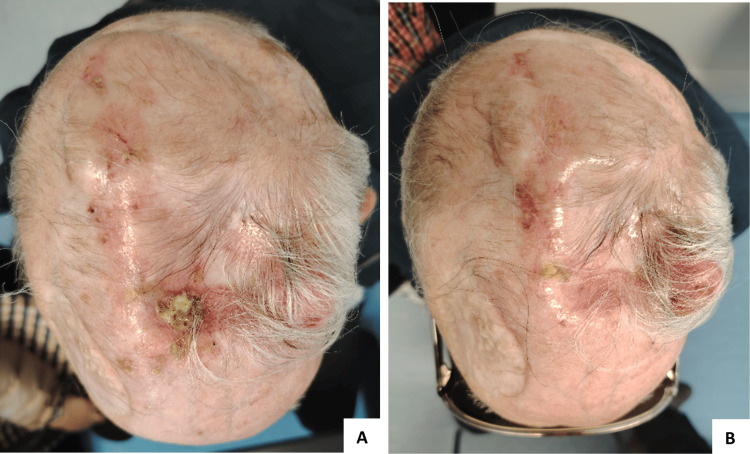 Figure 6
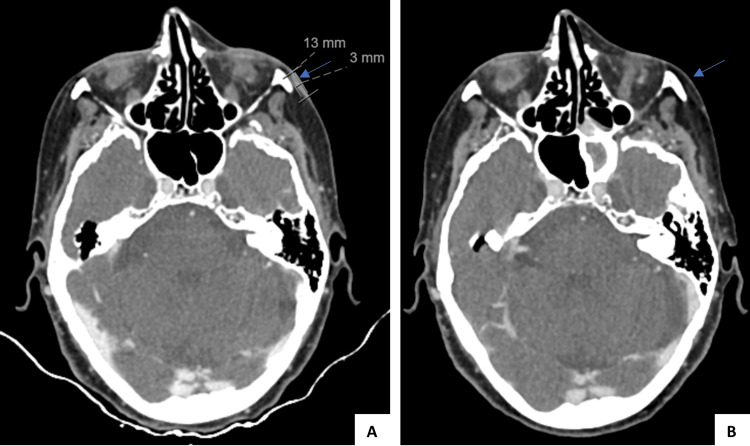 Figure 7
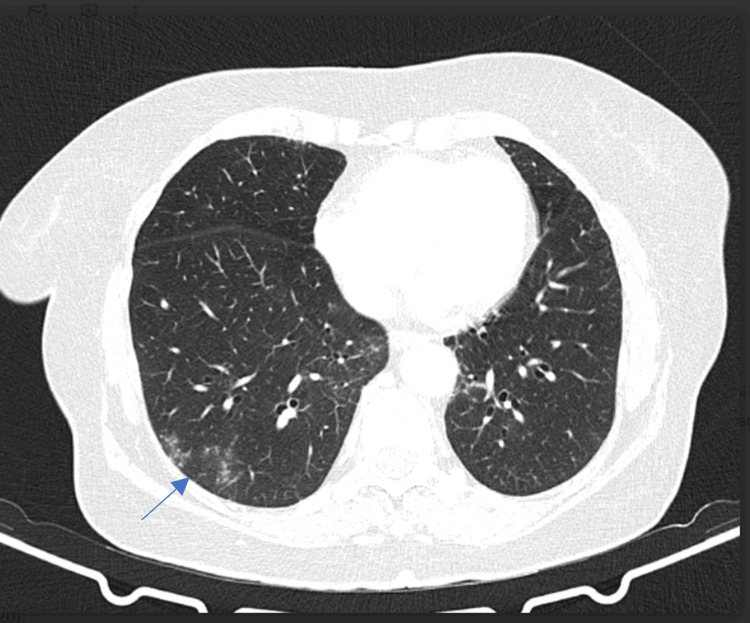 Figure 8
Peer Reviews
No public reviews on file for this paper yet. If you reviewed it on a platform where reviews are public (OpenReview, ICLR, NeurIPS, ICML), you can paste yours below so the community can read it here.
Videos
No videos yet. Explain this paper in a talk, walkthrough, or lecture? Add one.
Taxonomy
TopicsNonmelanoma Skin Cancer Studies · Cutaneous Melanoma Detection and Management · Cutaneous lymphoproliferative disorders research