The Significant Impact of Lost Species' Identity, Number and Abundance on Functional Structure of Alpine Meadow
Zhiyong Yang, Ci‐ren Qu‐zong, Yuan Zhang, Xine Li, Skalsang Gyal, Wei Mazhang, Ying Yang, Guotai Zhang, Cuo Se, Danzeng Quzhen, Jingting Mao, Chengwei Mu, Lan Wang, Shiping Wang, Tsechoe Dorji

TL;DR
This study shows that losing specific species, like Kobresia pygmaea, significantly affects the function of alpine meadow ecosystems, highlighting the importance of species identity in biodiversity conservation.
Contribution
The study reveals that species identity, not just number or abundance, uniquely affects alpine meadow functional structure.
Findings
Removing common species significantly alters the functional structure of alpine meadow plant communities.
Kobresia pygmaea has an exclusive ecological niche and is irreplaceable in alpine meadows.
Niche breadth, not overlap, plays a key role in how species loss affects functional structure.
Abstract
Biodiversity, the cornerstone of ecosystem functions and services, faces threats from anthropogenic climate change. However, it remains unclear how species loss, including abundance, number, and identity of lost species, would alter the functional structure of alpine meadow plant communities. Through a species removal experiment conducted in an alpine meadow of the central Tibetan Plateau, we found that removing common species typically altered the functional structure of plant communities. Changes in community functional structure were highly positively correlated with both the number of species removed and the degree of abundance loss. Beyond this, species removal treatments had significant direct effects on community functional structure, as revealed by a partial least squares path modeling approach. This indicates that the effects of species identity are independent of the number of…
Genes, proteins, chemicals, diseases, species, mutations and cell lines named across the full text — each resolved to its canonical identifier and authoritative record.
Click any figure to enlarge with its caption.
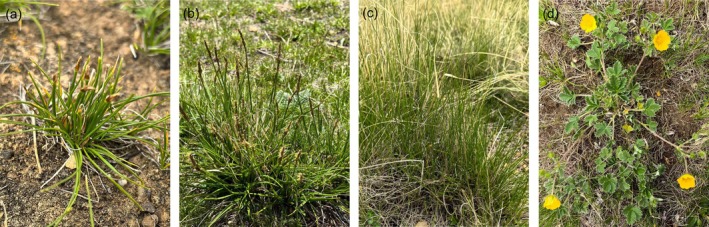 Figure 1
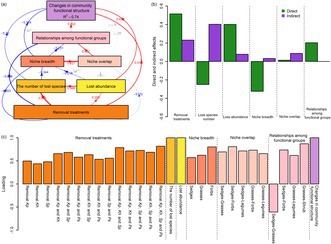 Figure 2
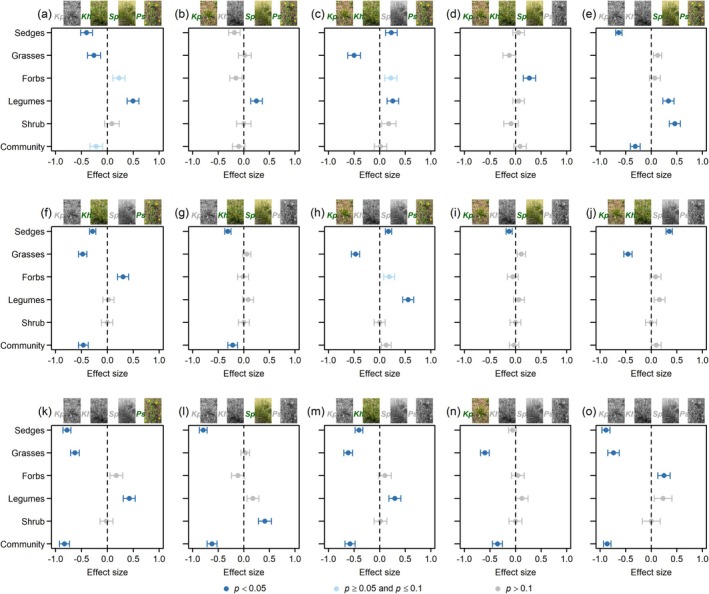 Figure 3
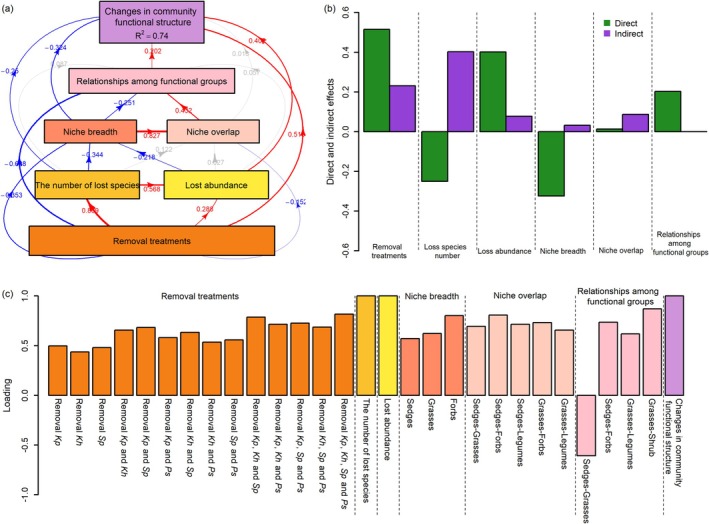 Figure 4
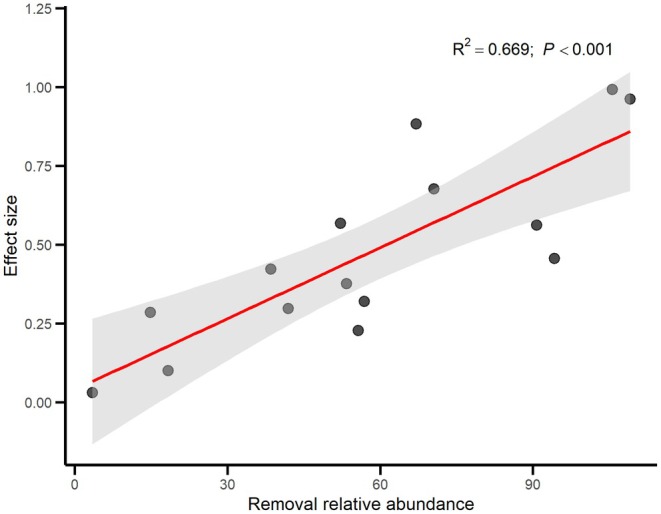 Figure 5
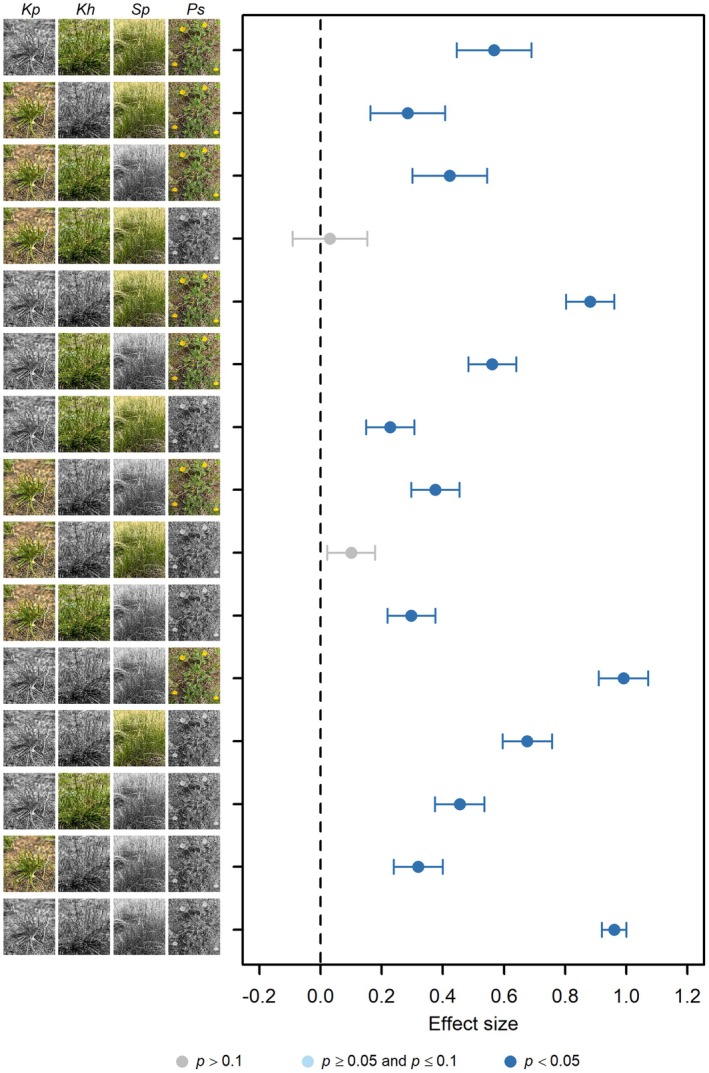 Figure 6
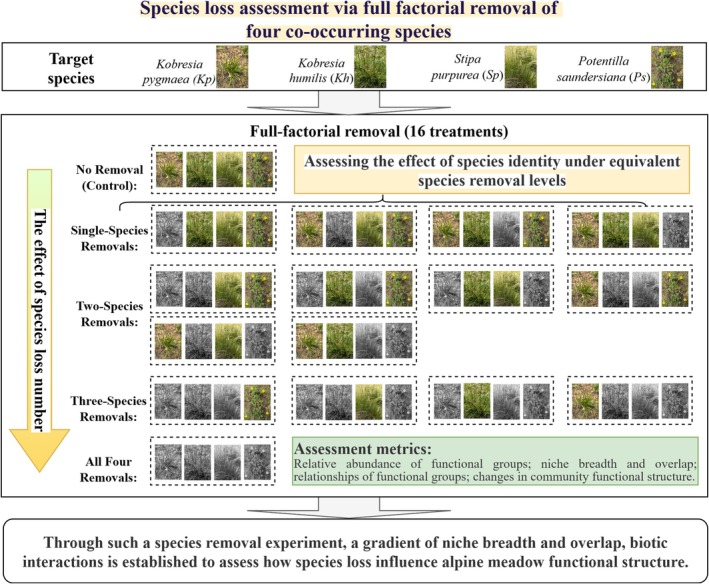 Figure 7
Peer Reviews
No public reviews on file for this paper yet. If you reviewed it on a platform where reviews are public (OpenReview, ICLR, NeurIPS, ICML), you can paste yours below so the community can read it here.
Videos
No videos yet. Explain this paper in a talk, walkthrough, or lecture? Add one.
Taxonomy
TopicsEcology and Vegetation Dynamics Studies · Plant and animal studies · Rangeland and Wildlife Management