Dust Mite Serodominance Profiles in Lugo
Francisco Carballada, Luis Alfredo González, Ramón Núñez, Raquel Lopez, Joaquín Martín, Nicola Giangrande, Antonio García‐Dumpierrez, Javier Alcover, David Rodríguez, Ricardo Palacios

TL;DR
This study examines dust mite allergy profiles in 50 patients, finding high sensitization rates to specific mite allergens, particularly Der p2 and Der p23.
Contribution
The study identifies Der p23 as a highly prevalent allergen and highlights its association with asthma.
Findings
96% of patients had a positive skin prick test to dust mites, with Der p2 being the most prevalent allergen.
Der p23 sensitization was high (72%) and all asthmatic patients were sensitive to Der p2.
Non-asthmatic patients showed reduced sensitivity to Der p23 compared to asthmatic patients.
Abstract
House dust mite allergy affects 65–130 million people worldwide. Untreated patients could develop severe allergic diseases such as atopic dermatitis and asthma. We consecutively recruited 50 patients with a clinical diagnosis of allergic rhinitis/rhino conjunctivitis. Mite Skin Prick Tests were performed. Mite specific IgE were tested. Ninety‐six per cent of the patients had a positive prick test for Dpt, Dfar 94%, Ldt 86%, Tput 82%, and Blot 82%. Der p1 was recognized by 70%, Der p2 84%, Der p23 72%. Regarding serodominances, Der p2 was the highest one (30.2 kU/L). Forty‐three patients presented sensitization to 3 Dermatophagoides pteronyssinus molecules, been 1 + 2 + 23 the main combination. Der p 1, 2, and 23 prevalence were similar in patients with intermittent or persistent allergic rhinitis. All patients with asthma recognized to Der p2 and more than 80% Der p1 and 23. In the…
Genes, proteins, chemicals, diseases, species, mutations and cell lines named across the full text — each resolved to its canonical identifier and authoritative record.
Click any figure to enlarge with its caption.
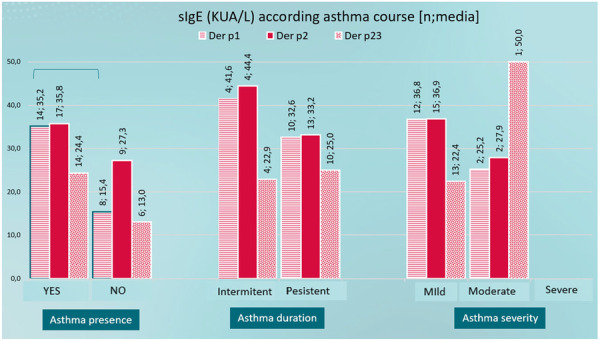 Figure 1
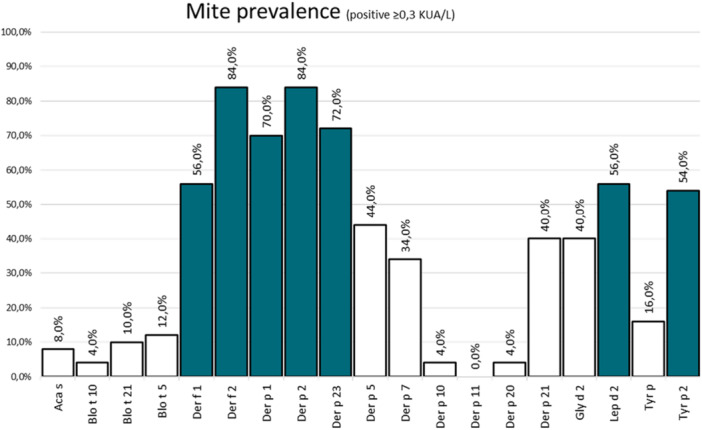 Figure 2
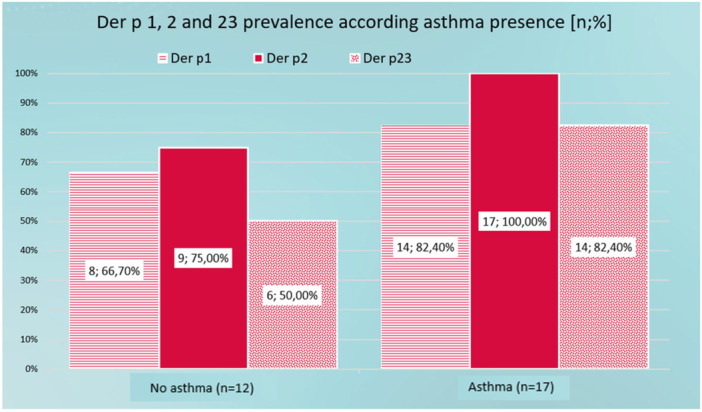 Figure 3
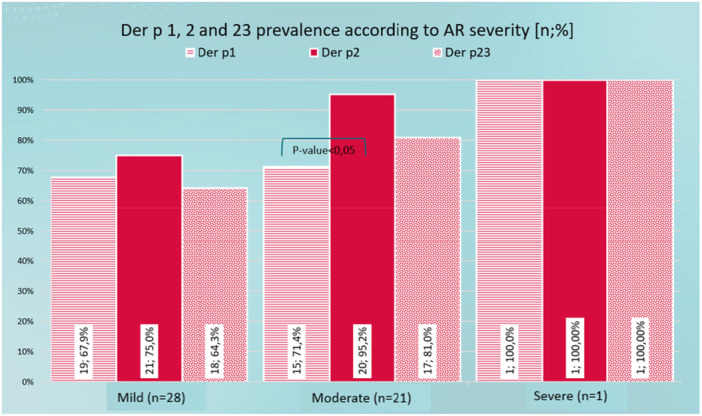 Figure 4
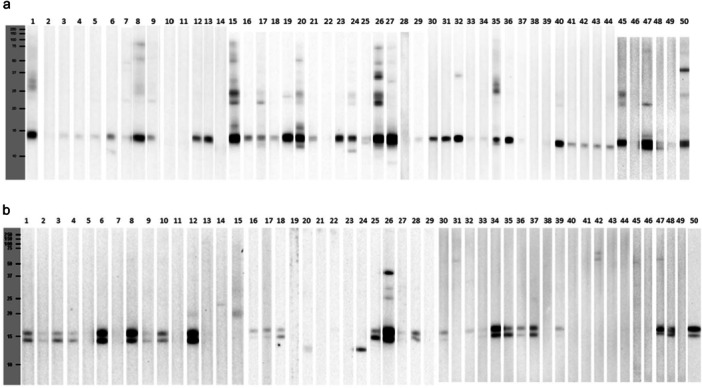 Figure 5
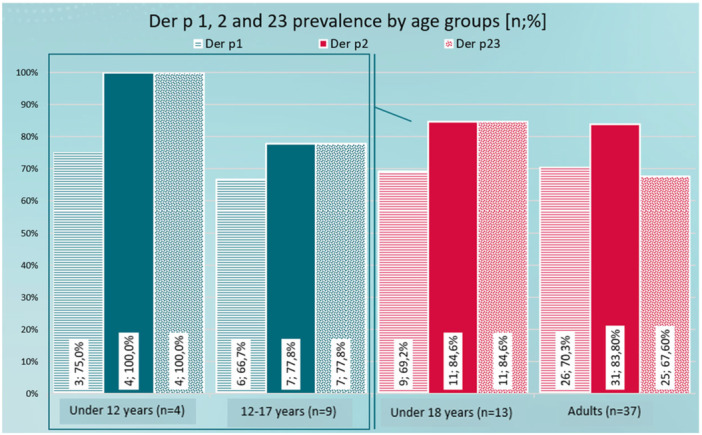 Figure 6
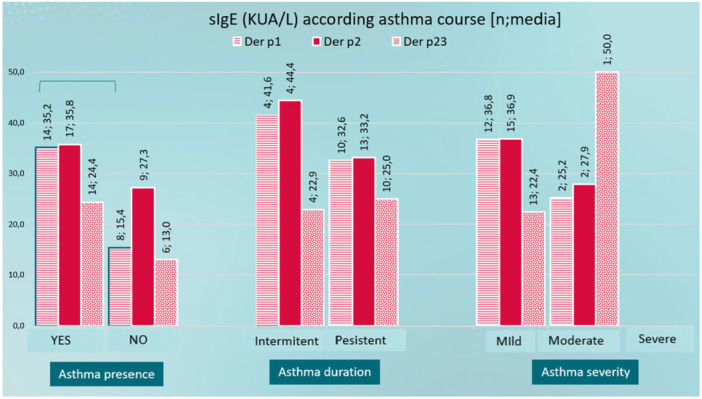 Figure 7
Peer Reviews
No public reviews on file for this paper yet. If you reviewed it on a platform where reviews are public (OpenReview, ICLR, NeurIPS, ICML), you can paste yours below so the community can read it here.
Videos
No videos yet. Explain this paper in a talk, walkthrough, or lecture? Add one.
Taxonomy
TopicsStudy of Mite Species · Insect and Pesticide Research · Vector-borne infectious diseases