Unveiling the complete organelle genomes of Gypsophila vaccaria: de novo assembly and evolutionary insights into a medicinally important species
Chaoqiang Zhang, Ruifeng Yang, Mengyue Wang, Jiayin Zhang, Jingting Shen, Bin Yang, Dongzhi Zhang, Liang Yin, Xiaoming Wang, Chien-Hsun Huang, Jinglong Li

TL;DR
This paper presents the first complete mitochondrial and chloroplast genomes of Gypsophila vaccaria, a medicinal plant, revealing evolutionary insights and molecular markers.
Contribution
The study provides the first organellar genomes for Gypsophila, uncovering novel mitochondrial DNA transfers and adaptive gene selection.
Findings
The mitochondrial genome contains 56.7 Kb of chloroplast DNA transfers, the highest in Caryophyllaceae.
Positive selection was detected in cytochrome c maturation genes, contrasting with overall purifying selection.
81 species-specific SSR markers were identified for molecular breeding in Caryophyllaceae.
Abstract
Gypsophila vaccaria (Caryophyllaceae) is a medicinal plant with over 2,000 years of documented use in China. Despite its known pharmacological properties and phytochemical profile, no organellar genomic resources are currently available, limiting evolutionary studies and molecular breeding efforts. We assembled the complete mitochondrial (361,814 bp) and quadripartite chloroplast (150,050 bp) genomes of G. vaccaria using HiFi sequencing. Codon usage, RNA editing, and selection pressure were analyzed, and phylogenomic relationships were inferred. Species-specific SSR markers were identified for potential molecular applications. HiFi-based assembly revealed exceptional mitochondrial genome plasticity, with 15.6% (56.7 Kb) derived from chloroplast DNA transfers—the highest reported in Caryophyllaceae—including 12 functional genes (e.g., rps7, ndhB, rrn16S). Both organellar genomes show…
Genes, proteins, chemicals, diseases, species, mutations and cell lines named across the full text — each resolved to its canonical identifier and authoritative record.
Click any figure to enlarge with its caption.
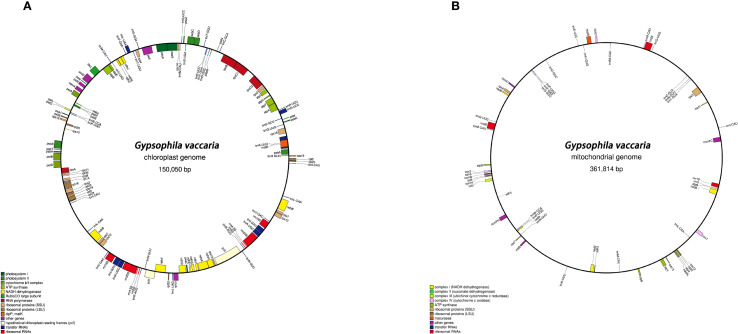 Figure 1
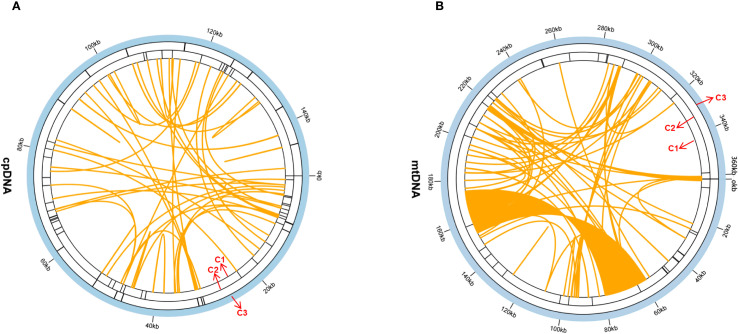 Figure 2
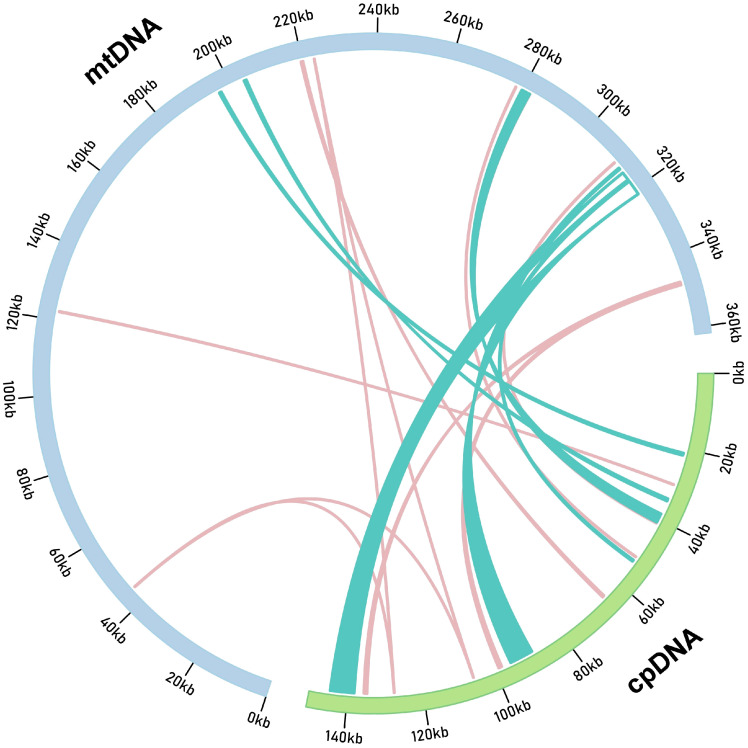 Figure 3
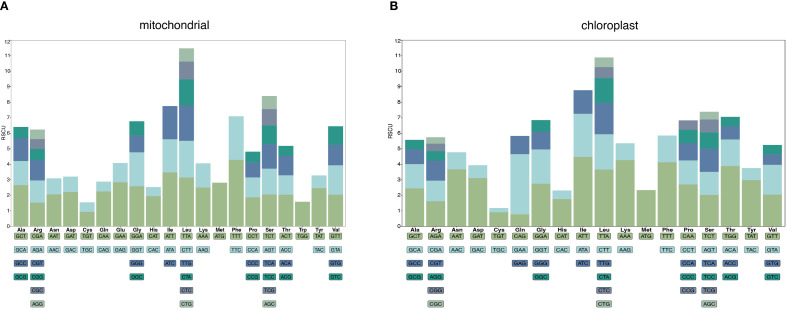 Figure 4
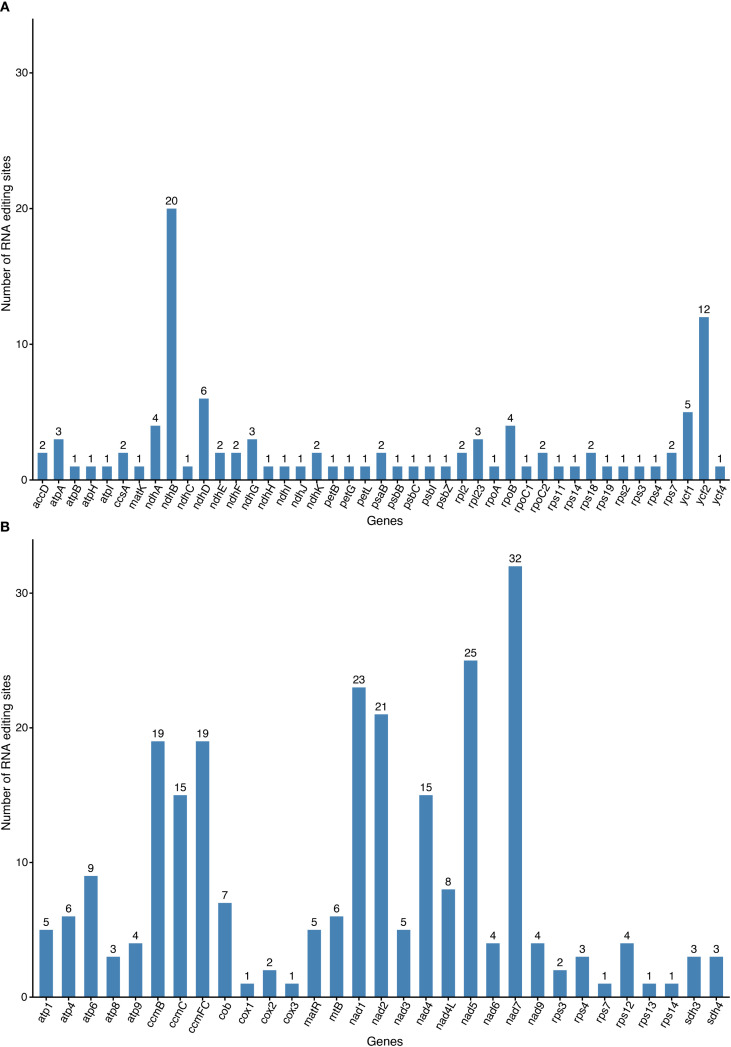 Figure 5
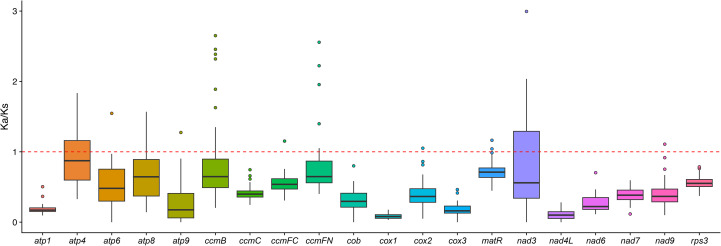 Figure 6
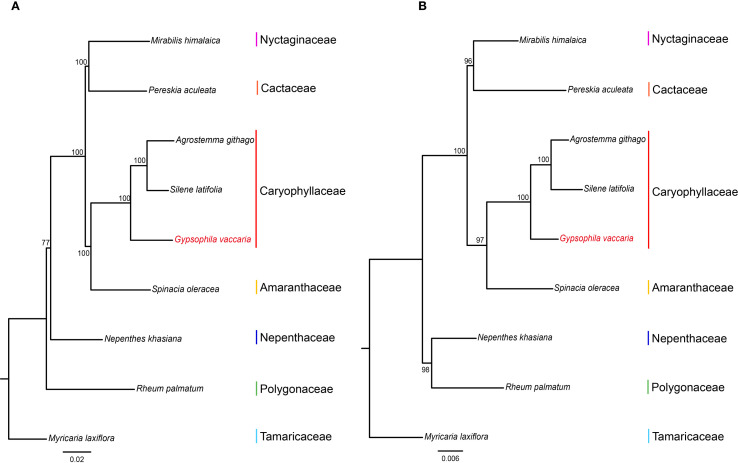 Figure 7
Peer Reviews
No public reviews on file for this paper yet. If you reviewed it on a platform where reviews are public (OpenReview, ICLR, NeurIPS, ICML), you can paste yours below so the community can read it here.
Videos
No videos yet. Explain this paper in a talk, walkthrough, or lecture? Add one.
Taxonomy
TopicsGenomics and Phylogenetic Studies · Microbial Natural Products and Biosynthesis · Genetic diversity and population structure