Therapeutic Oligonucleotides for Neurodegenerative Diseases: Aptamer Strategies and Clay Nanoparticle‐Based Delivery
Valentina Arciuolo, Federica D’Aria, Maria Rita Caruso, Martina Maria Calvino, Jussara Amato, Giuseppe Lazzara, Stefana Milioto, Concetta Giancola, Giuseppe Cavallaro, Bruno Pagano

TL;DR
This paper reviews how aptamers, especially G-quadruplex-forming ones, can be used to treat neurodegenerative diseases like Alzheimer's and Parkinson's, with clay nanoparticles improving their delivery and stability.
Contribution
The paper introduces clay nanoparticle-based delivery systems as a novel approach to enhance the therapeutic potential of G-quadruplex-forming aptamers.
Findings
G-quadruplex-forming aptamers show promise in inhibiting protein aggregation in neurodegenerative diseases.
Clay nanoparticles like halloysite nanotubes and montmorillonite improve the stability and bioavailability of therapeutic oligonucleotides.
Chemical modifications and nanocarriers synergistically enhance the therapeutic efficacy of aptamers.
Abstract
Aptamers have emerged as promising therapeutic oligonucleotides (TOs) due to their structural adaptability, high binding affinity, and remarkable specificity toward diverse biological targets. Among them, G‐quadruplex‐forming aptamers stand out for their unique secondary structures and distinct chemical properties. Their potential in neurodegenerative diseases such as Alzheimer's, Parkinson's, and Huntington's lies in their ability to inhibit protein aggregation and modulate pathogenic pathways. However, their application is hindered by enzymatic degradation and limited membrane permeability. To overcome these issues, chemical modifications, such as backbone and sugar alterations, and nanomaterial‐based delivery strategies have been developed. Notably, clay nanoparticles, such as halloysite nanotubes and montmorillonite, have gained attention as effective carriers for TOs, enhancing…
Genes, proteins, chemicals, diseases, species, mutations and cell lines named across the full text — each resolved to its canonical identifier and authoritative record.
Click any figure to enlarge with its caption.
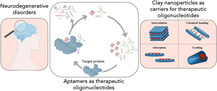 Figure 1
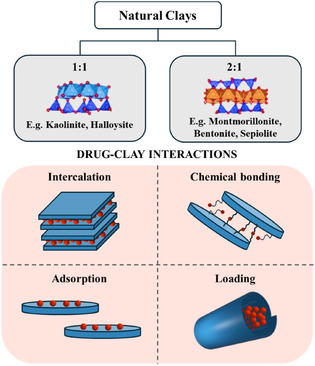 Figure 2
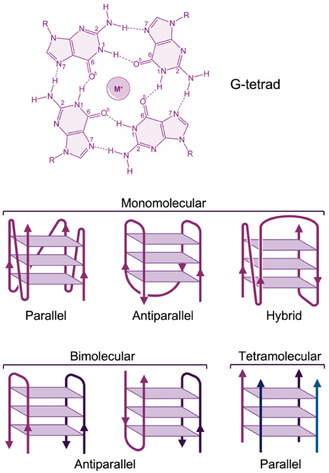 Figure 3
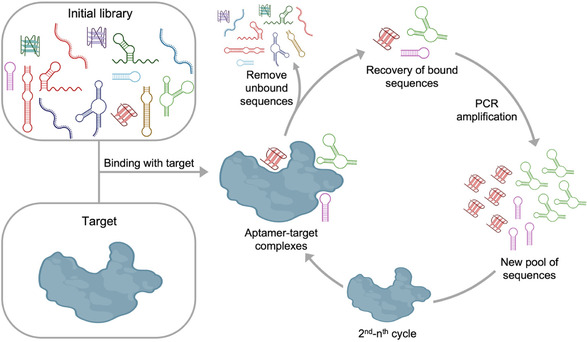 Figure 4
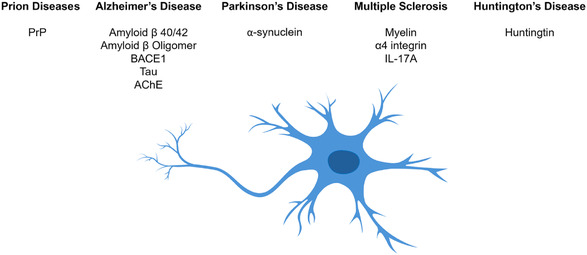 Figure 5
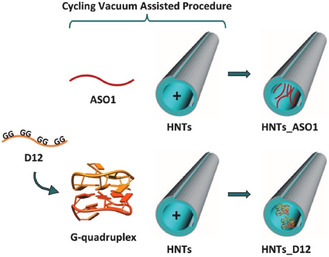 Figure 6
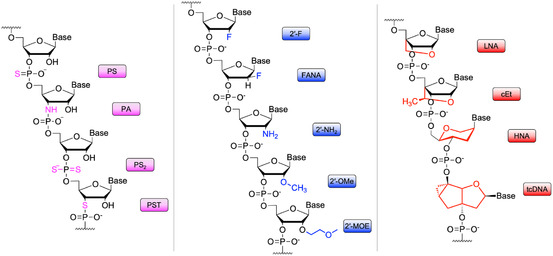 Figure 7
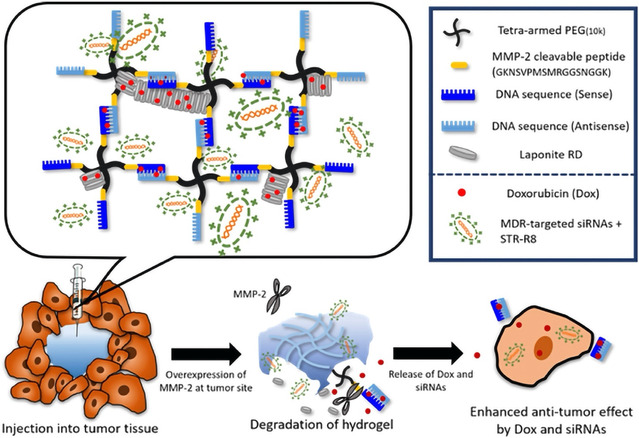 Figure 8
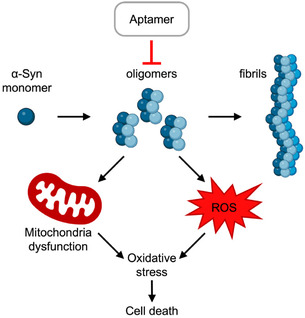 Figure 9
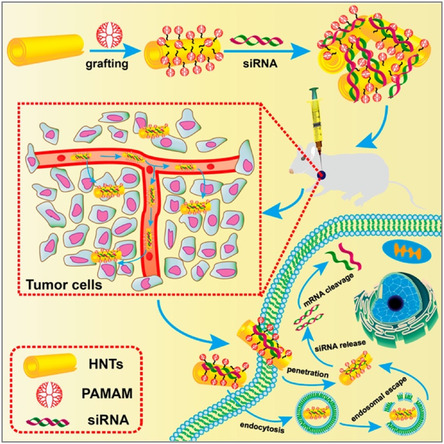 Figure 10
Peer Reviews
No public reviews on file for this paper yet. If you reviewed it on a platform where reviews are public (OpenReview, ICLR, NeurIPS, ICML), you can paste yours below so the community can read it here.
Videos
No videos yet. Explain this paper in a talk, walkthrough, or lecture? Add one.
Taxonomy
TopicsAdvanced biosensing and bioanalysis techniques · RNA Interference and Gene Delivery · DNA and Nucleic Acid Chemistry