Using economic value signals from primate prefrontal cortex in neuro-engineering applications
Tevin C Rouse, Shira M Lupkin, Vincent B McGinty

TL;DR
This study explores using brain signals related to economic value in brain-machine interfaces to predict and guide decision-making in non-human primates.
Contribution
The study introduces adaptive deep learning decoders that use subjective value signals for predicting and executing goal-directed actions in BMI systems.
Findings
Neural decoders predicted primate choices with over 70% accuracy using economic value signals.
A reinforcement learning approach enabled execution of action sequences aligned with user goals.
A forecasting model predicted choices up to 300 ms earlier when incorporating task-related information.
Abstract
Objective. Brain–machine interface (BMI) research has shown the efficacy of using motor and sensory-related neural signals to assist physically impaired patients. Despite the comparable ability to extract more abstract cognitive signals from the brain, little effort has been devoted to leveraging these signals in neuro-engineering applications. In this study, we explore the use of neural signals related to economic value, a key cognitive construct, in a BMI context. Approach. Using multivariate time series data collected from the orbitofrontal cortex in non-human primates, we develop deep learning-based neural decoders to predict the monkeys’ choices in a value-based decision-making task. We implement a reinforcement learning-based training approach to develop adaptive decoders that can be extended to handle multi-step decisions, which frequently arise in real-world settings. Main…
Genes, proteins, chemicals, diseases, species, mutations and cell lines named across the full text — each resolved to its canonical identifier and authoritative record.
Click any figure to enlarge with its caption.
 Figure 1
 Figure 2
 Figure 3
 Figure 4
 Figure 5
 Figure 6
 Figure 7
 Figure 8
 Figure 9
 Figure 10
 Figure 11
 Figure 12
 Figure 13
 Figure 14
 Figure 15
 Figure 16
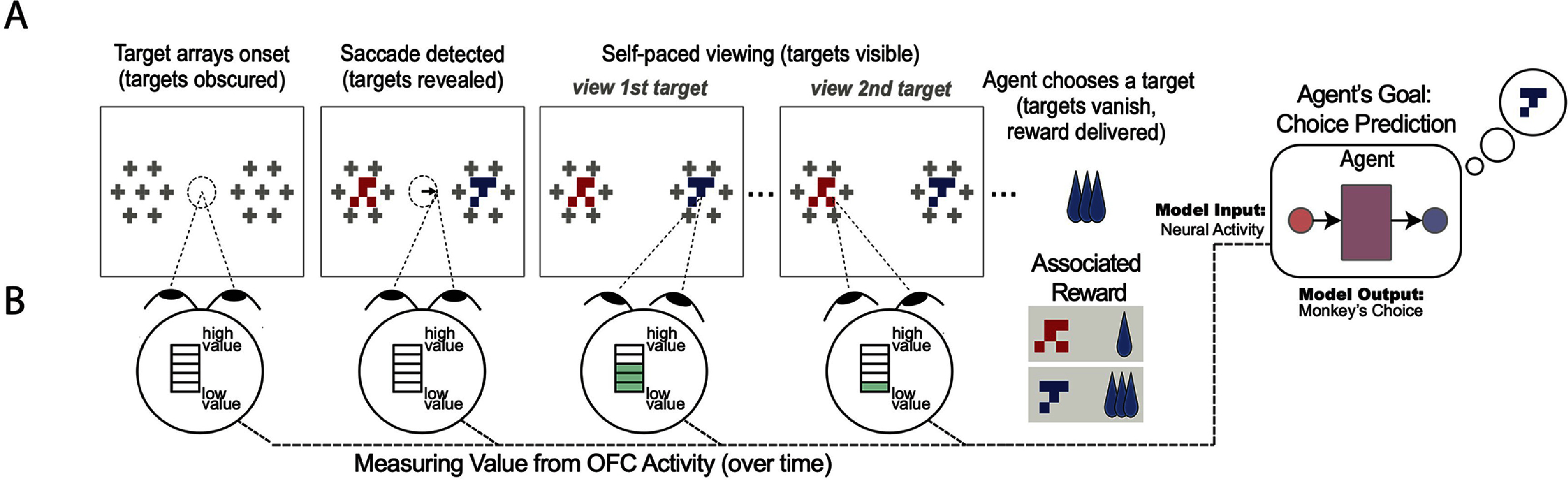 Figure 17
 Figure 18
 Figure 19
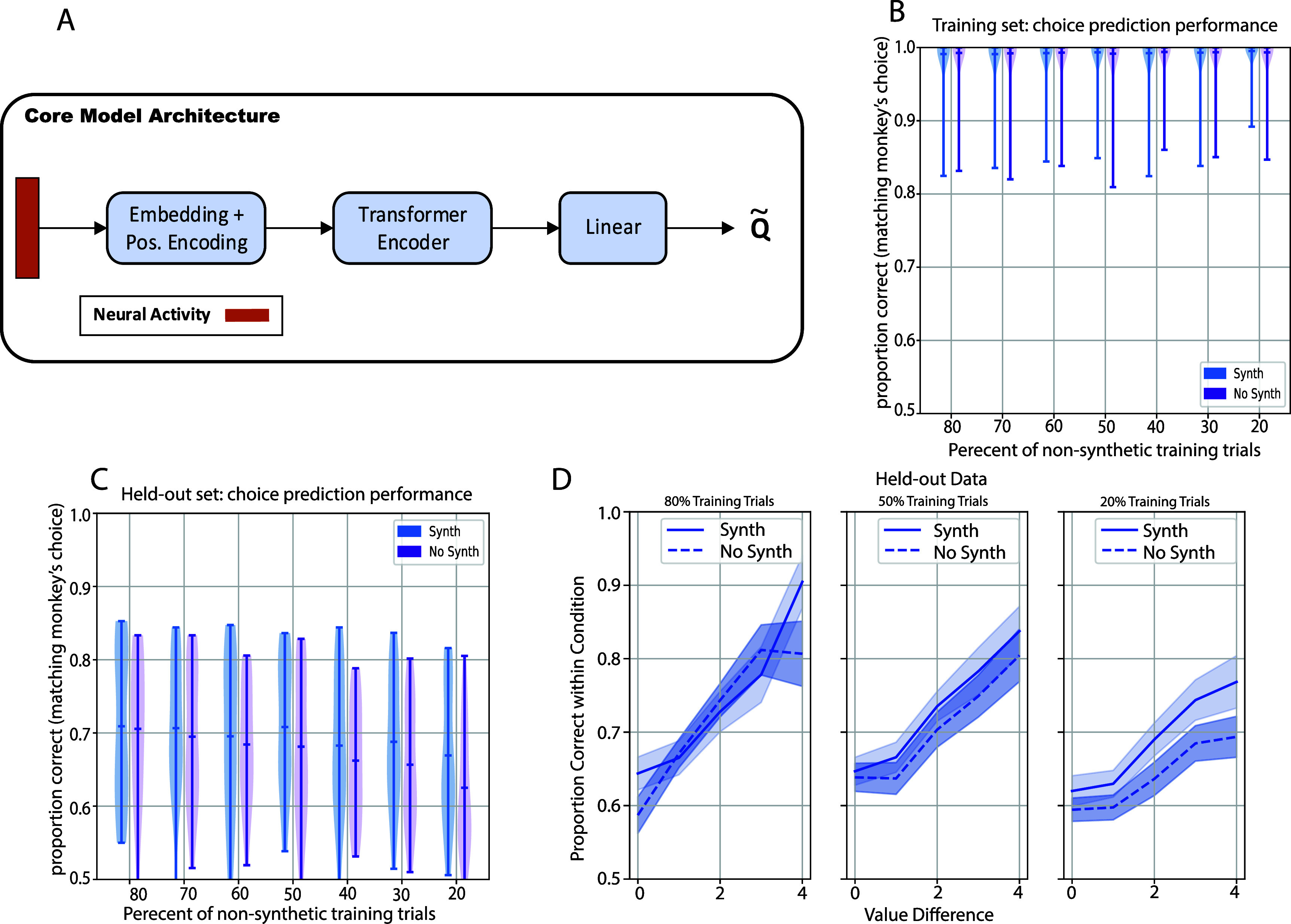 Figure 20
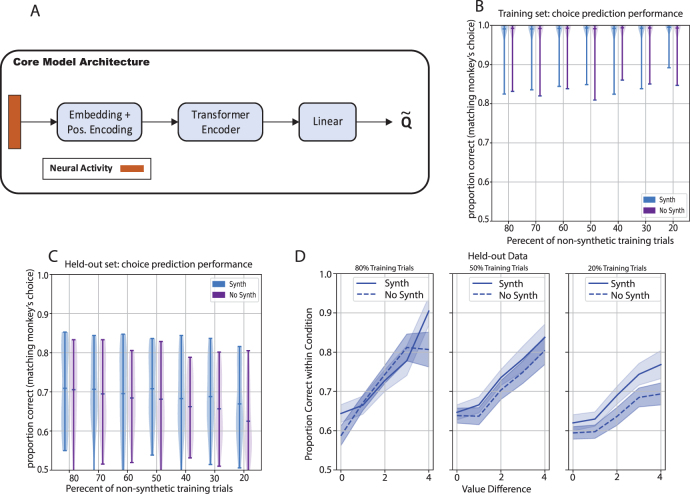 Figure 21
 Figure 22
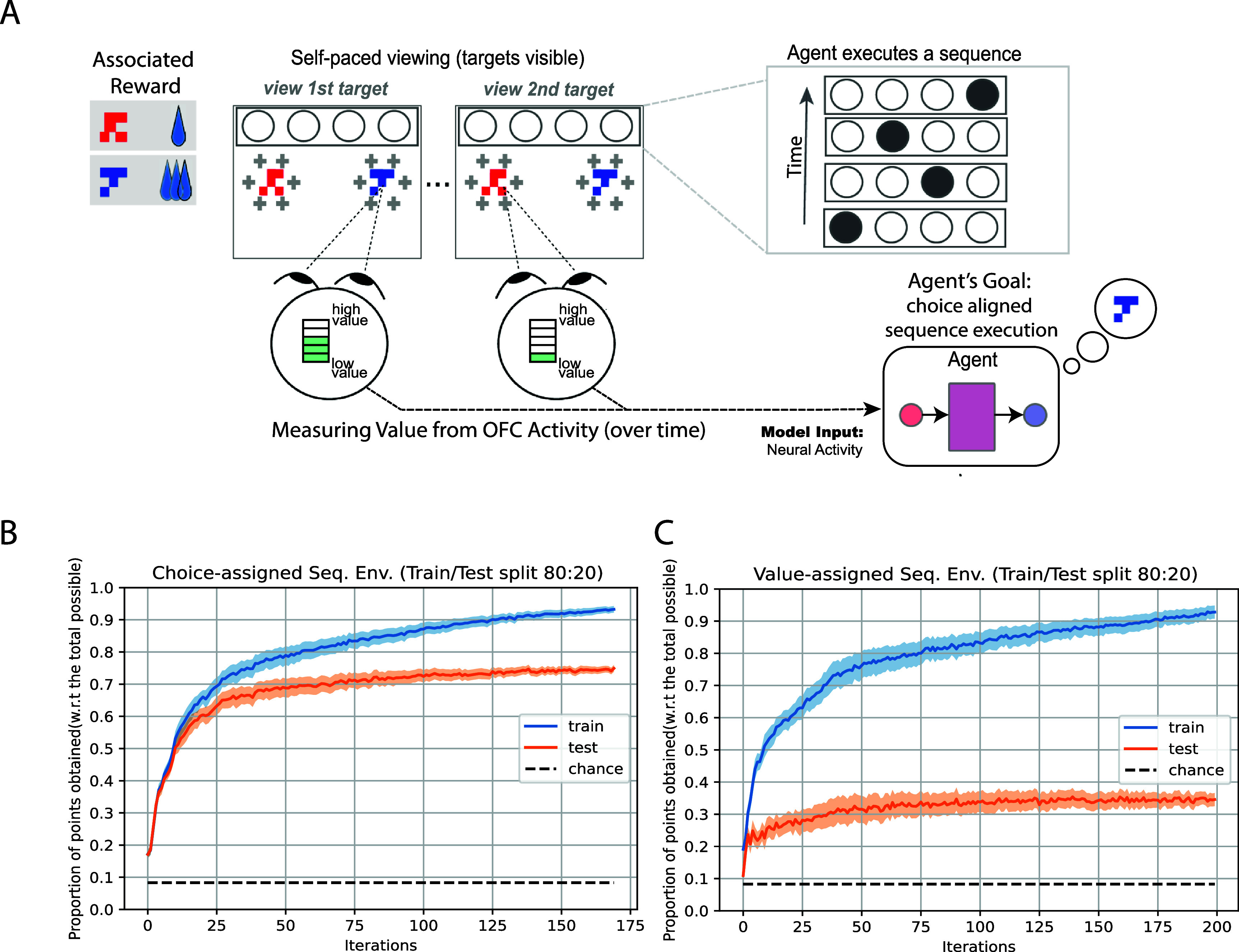 Figure 23
 Figure 24
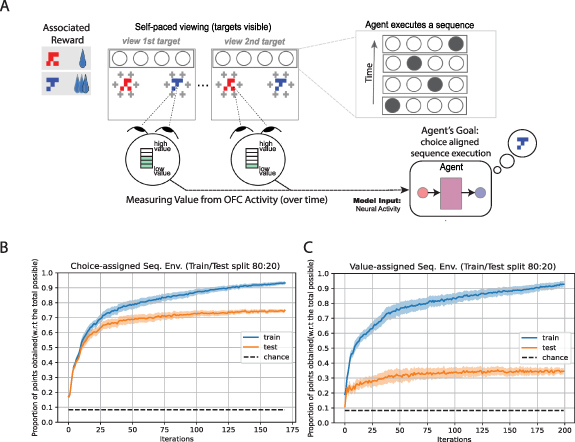 Figure 25
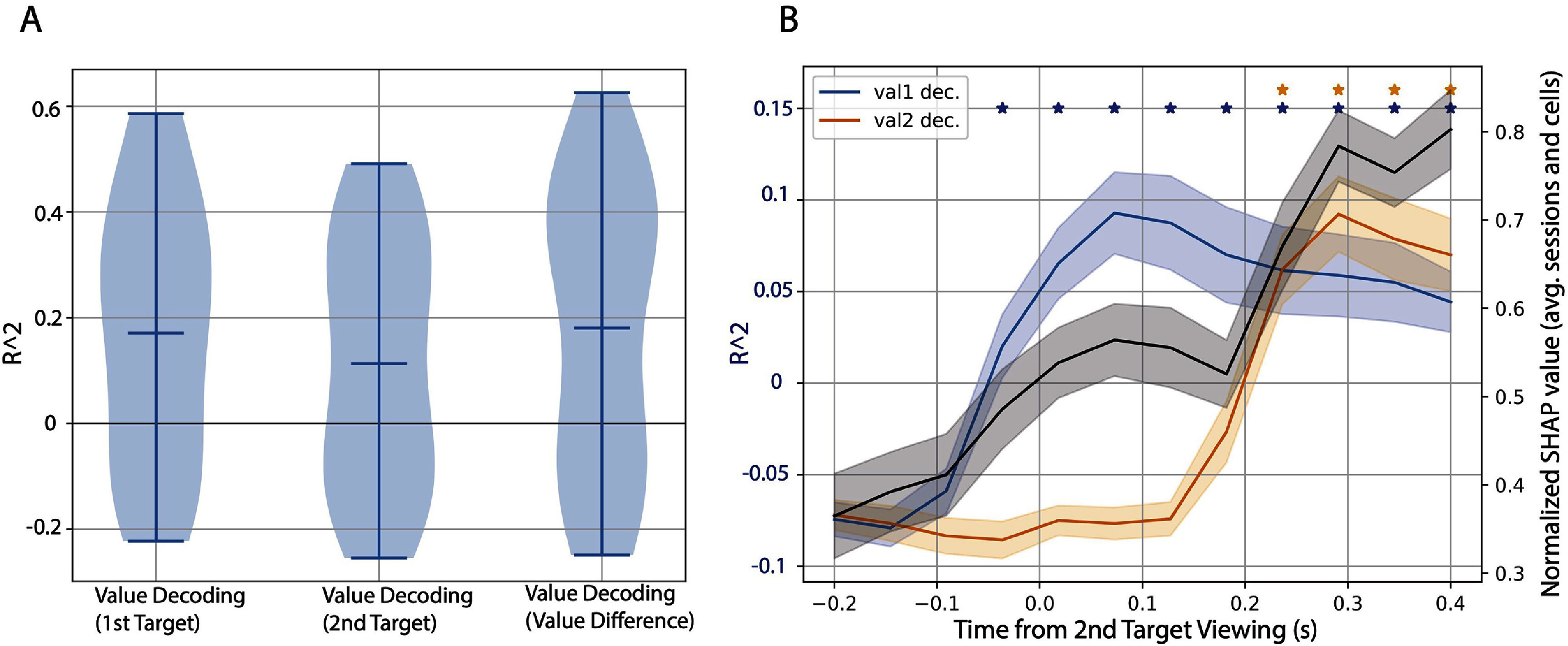 Figure 26
 Figure 27
 Figure 28
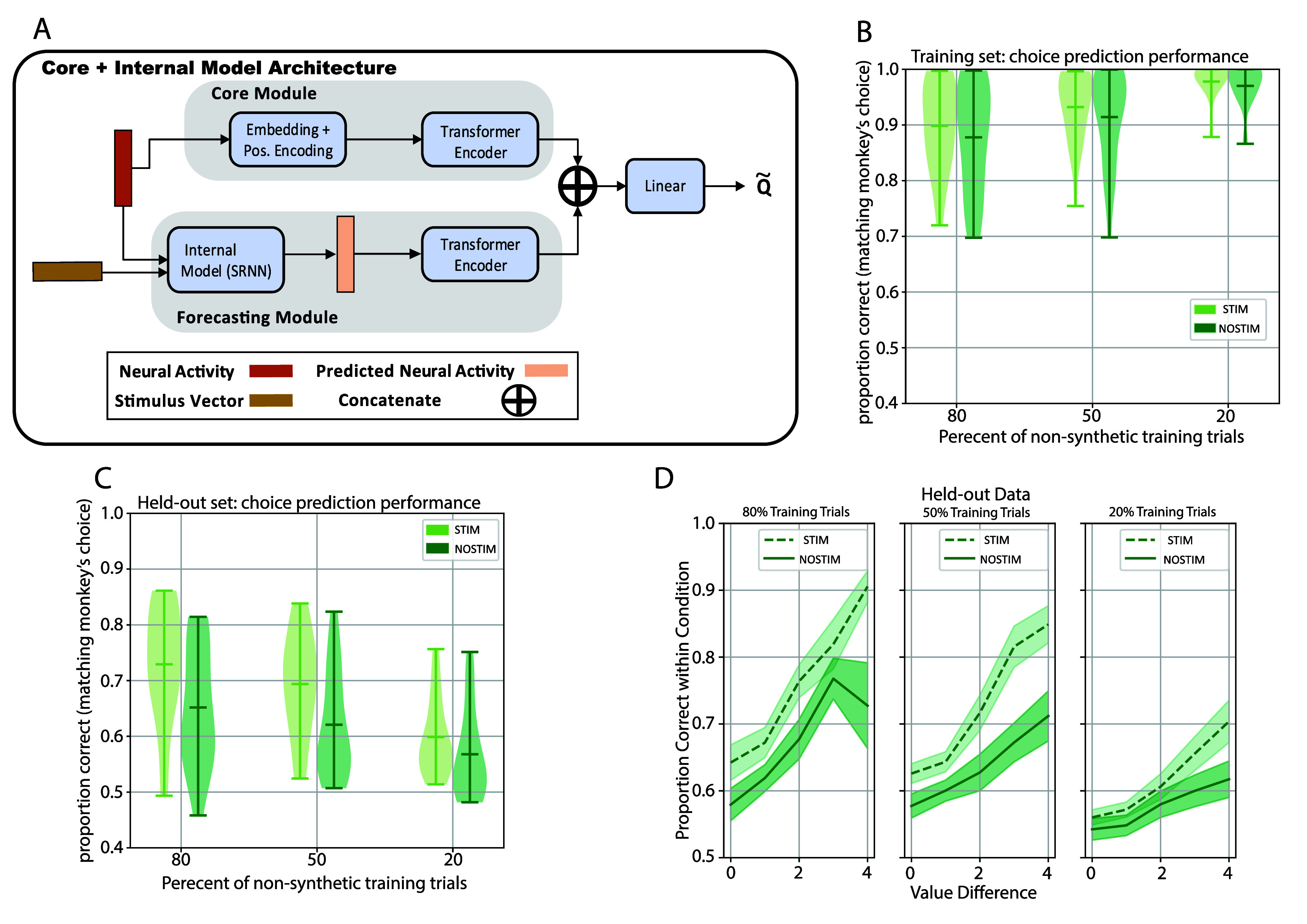 Figure 29
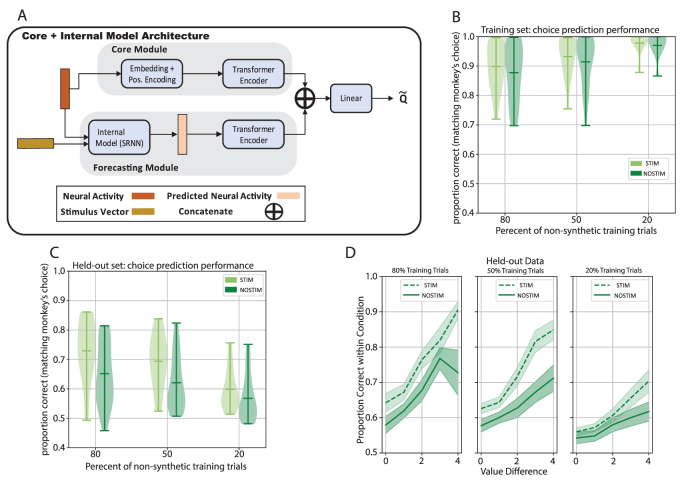 Figure 30
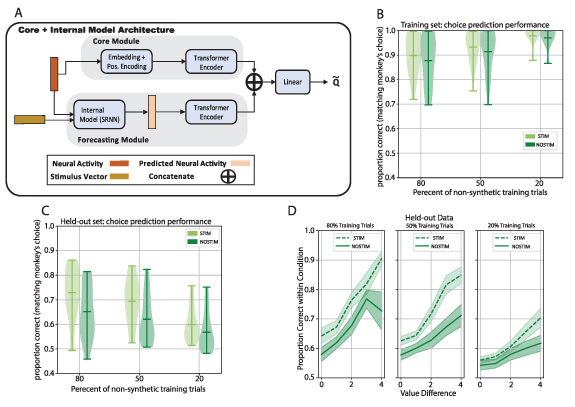 Figure 31
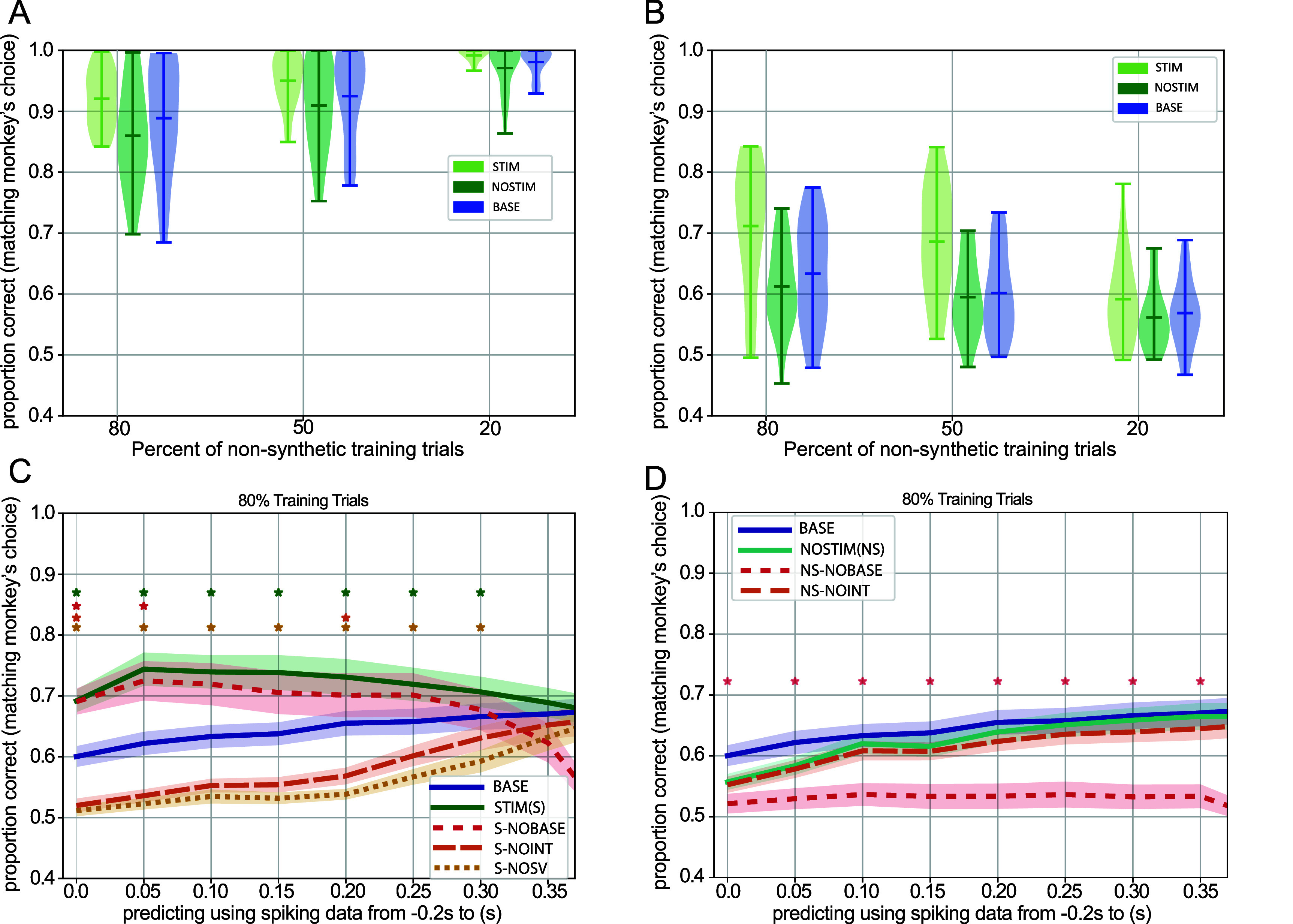 Figure 32
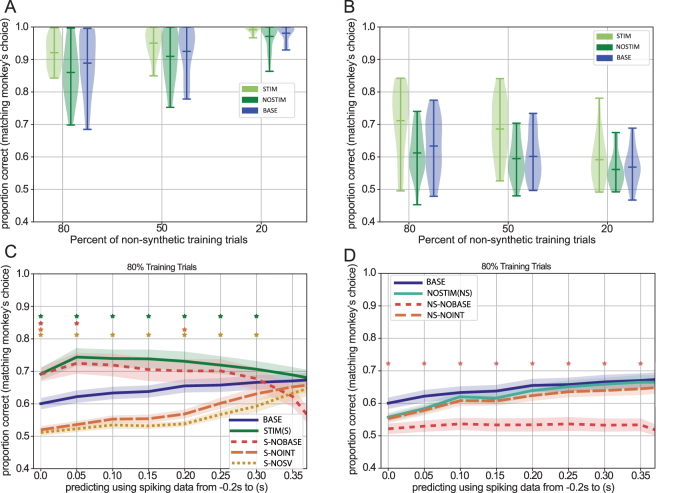 Figure 33
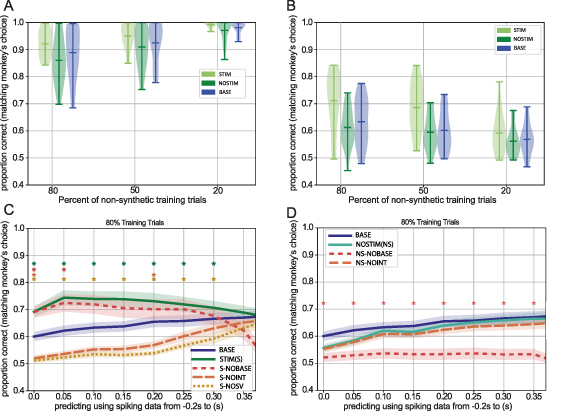 Figure 34
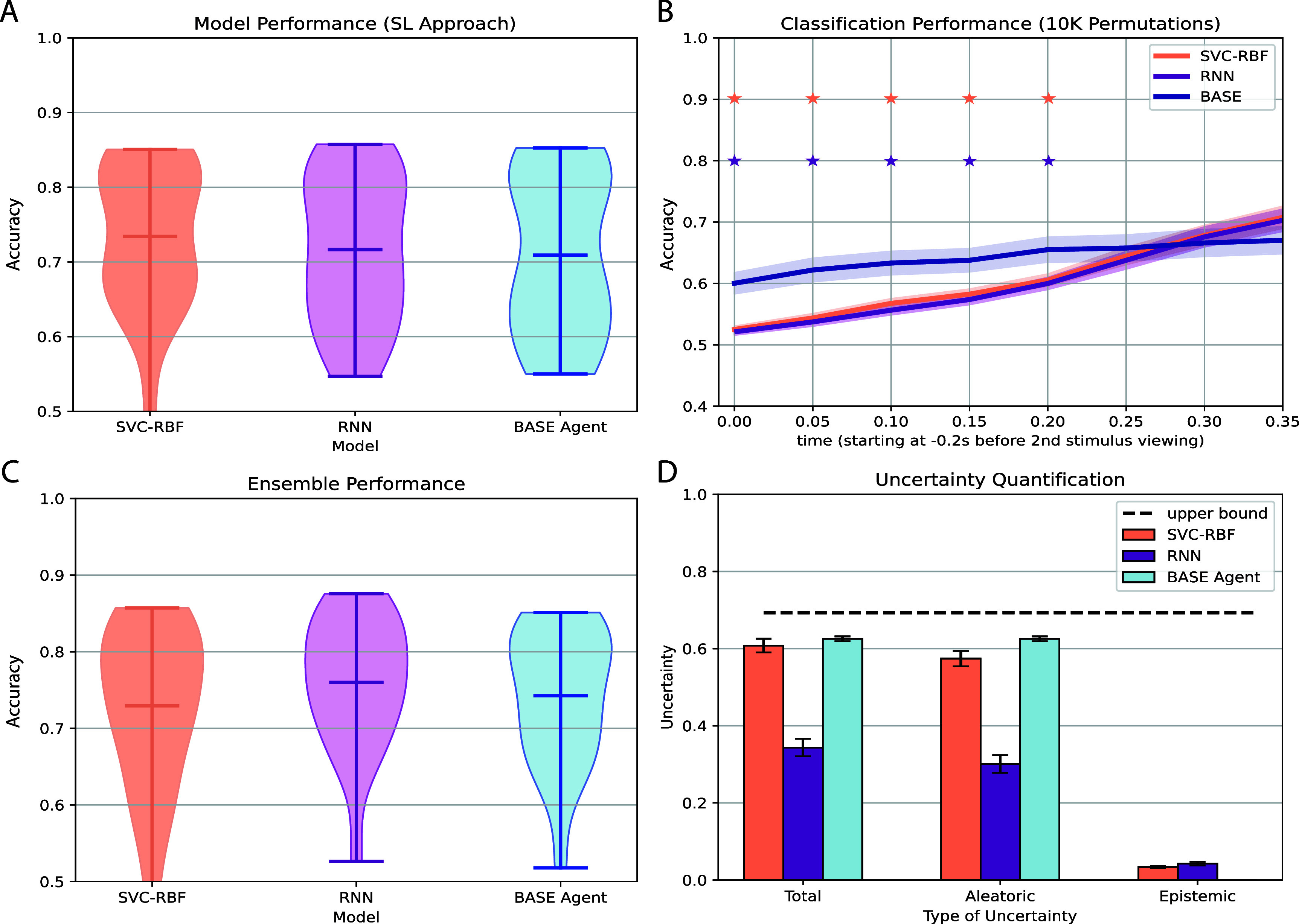 Figure 35
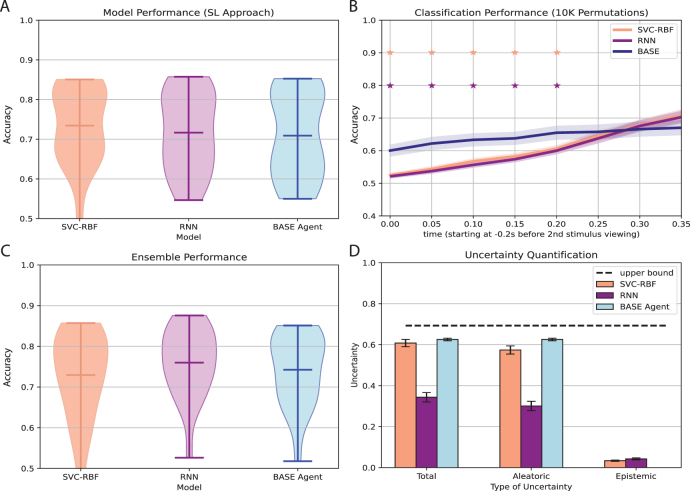 Figure 36
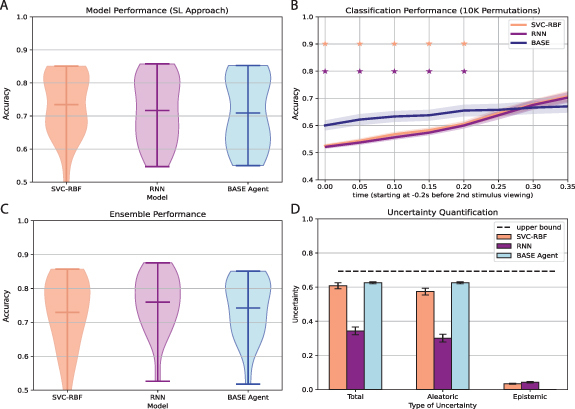 Figure 37
 Figure 38
 Figure 39
 Figure 40
 Figure 41
 Figure 42
 Figure 43
 Figure 44
 Figure 45
 Figure 46
 Figure 47
 Figure 48
 Figure 49
 Figure 50
Peer Reviews
No public reviews on file for this paper yet. If you reviewed it on a platform where reviews are public (OpenReview, ICLR, NeurIPS, ICML), you can paste yours below so the community can read it here.
Videos
No videos yet. Explain this paper in a talk, walkthrough, or lecture? Add one.
Taxonomy
TopicsEEG and Brain-Computer Interfaces · Neural and Behavioral Psychology Studies