The Improvement of Experimentally Induced Gastric Ulcers in Rats by Inhibiting Vascularization Through the Blocking of the TNF‐α Type 1 Receptor
Abdullah Alattar, Reem Alshaman, Fawaz E. Alanazi, Omar Bahattab, Hanan M. Hassan, Mohammed M. H. Al‐Gayyar

TL;DR
Blocking the TNF-α type 1 receptor with CAY10500 improves gastric ulcers in rats by reducing vascularization and promoting tissue healing.
Contribution
This study demonstrates that inhibiting TNFR1 with CAY10500 can heal gastric ulcers by modulating angiogenesis and cell proliferation pathways.
Findings
CAY10500 inhibits TNFR1 expression and reduces gastric ulcer severity in rats.
CAY10500 activates VEGF, ERK, PI3K, and AKT pathways, promoting tissue healing.
CAY10500 significantly reduces ICAM-1 expression, indicating reduced adhesion molecule activity.
Abstract
About 5%–10% of the world's population is affected by gastric ulcers, which can result in gastrointestinal perforation and bleeding. Consequently, we aimed to investigate whether blocking TNF‐α type 1 receptor (TNFR1) with CAY10500 could diminish experimentally induced gastric ulcer (GU) in rats by modulating vascularization. Rats were administered with a single oral dose of 80 mg/kg of indomethacin to produce gastric ulcers. Subsequently, some rats were given 1 mg/kg of CAY10500 orally. Gastric samples were used to assess the genetic expression and protein levels of TNFR1, VEGF, ERK, PI3K, AKT (also known as PKB), and ICAM‐1. Gastric sections underwent electron microscopic examination and were subjected to hematoxylin and eosin staining and immunostaining using anti‐TNFR1, anti‐VEGF, and anti‐ICAM‐1 antibodies. CAY10500 demonstrated the ability to inhibit the expression of TNFR1.…
Genes, proteins, chemicals, diseases, species, mutations and cell lines named across the full text — each resolved to its canonical identifier and authoritative record.
Click any figure to enlarge with its caption.
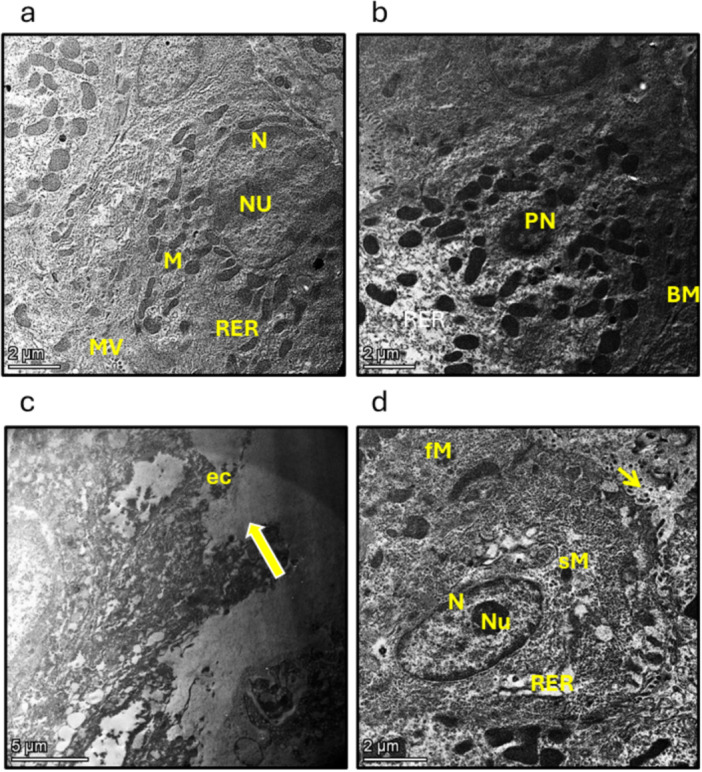 Figure 1
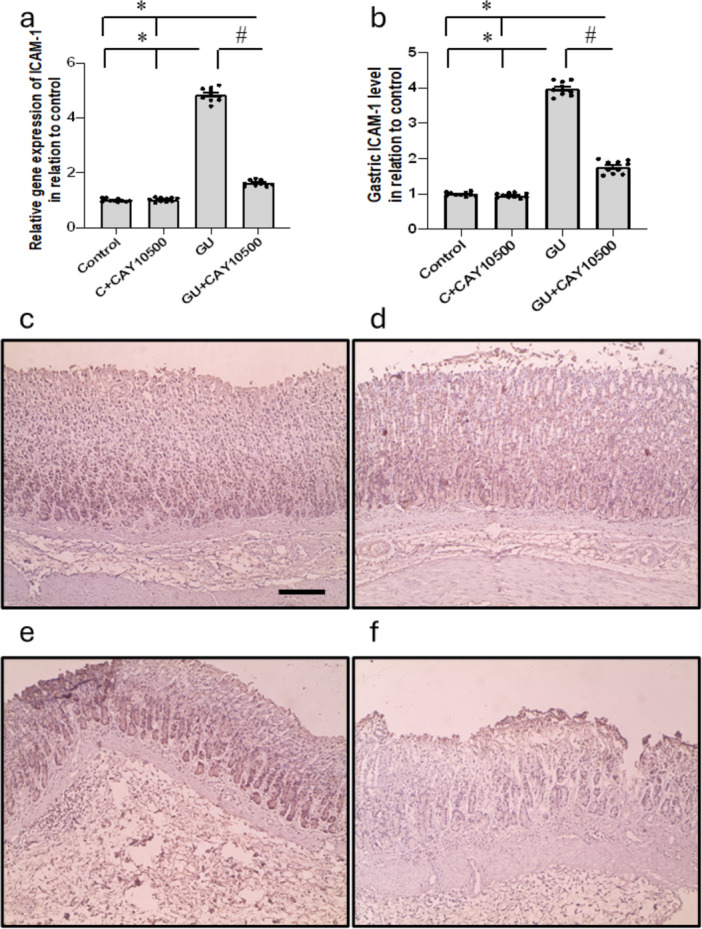 Figure 2
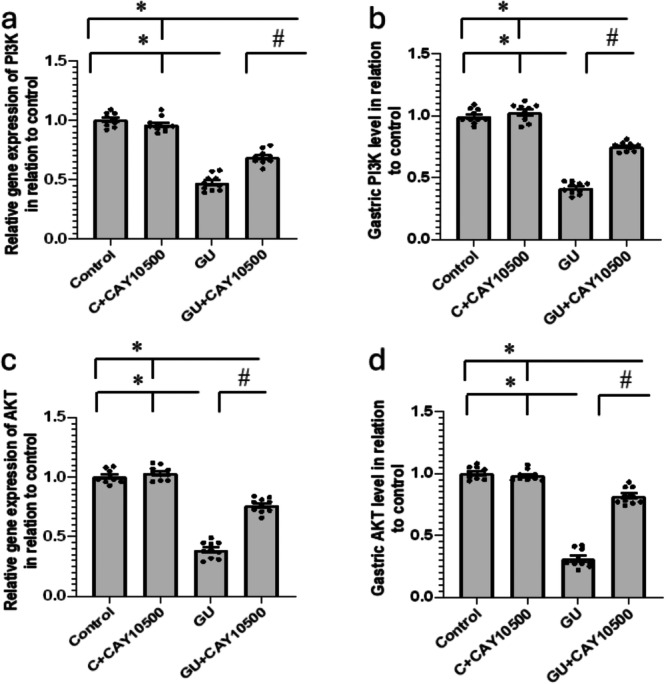 Figure 3
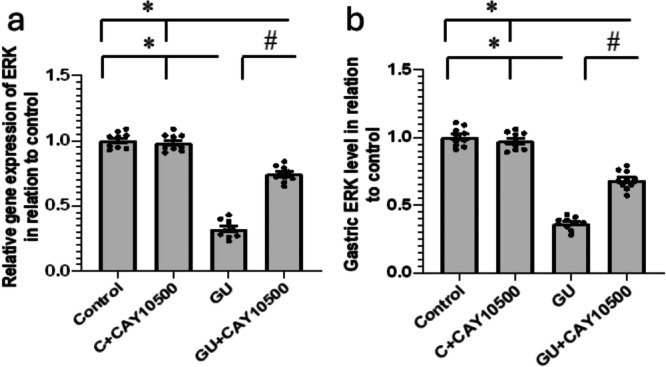 Figure 4
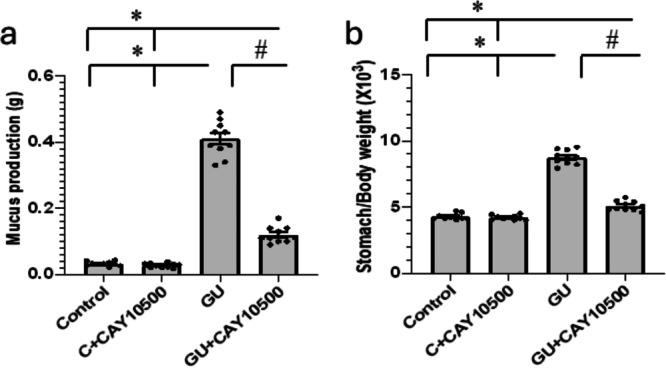 Figure 5
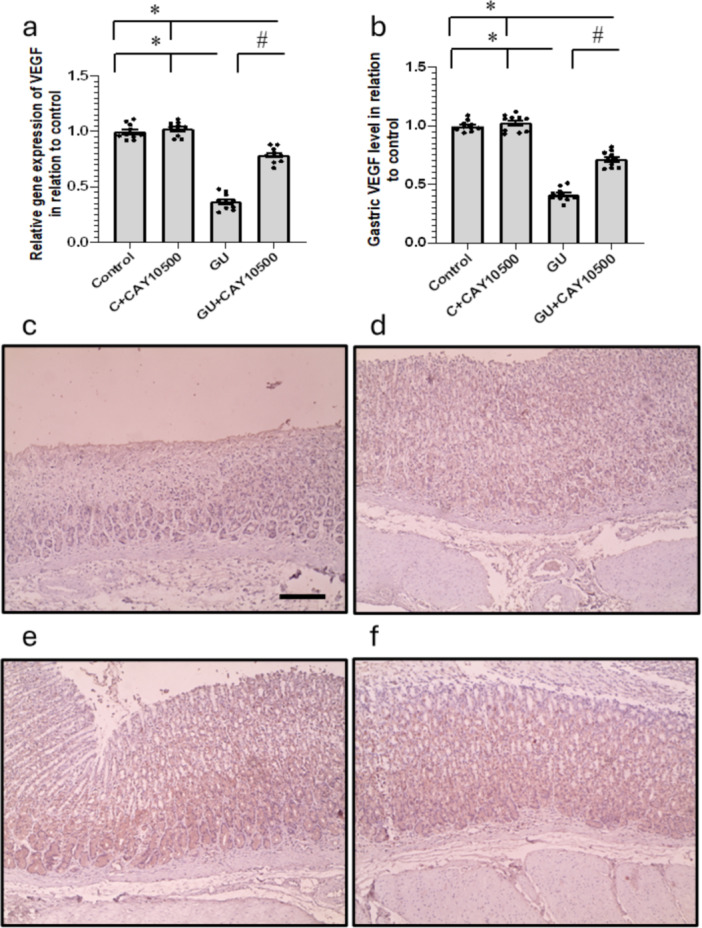 Figure 6
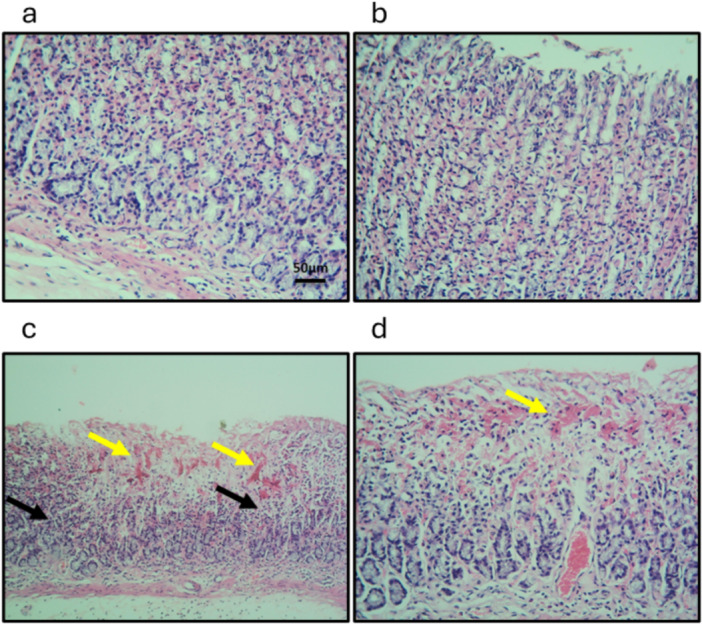 Figure 7
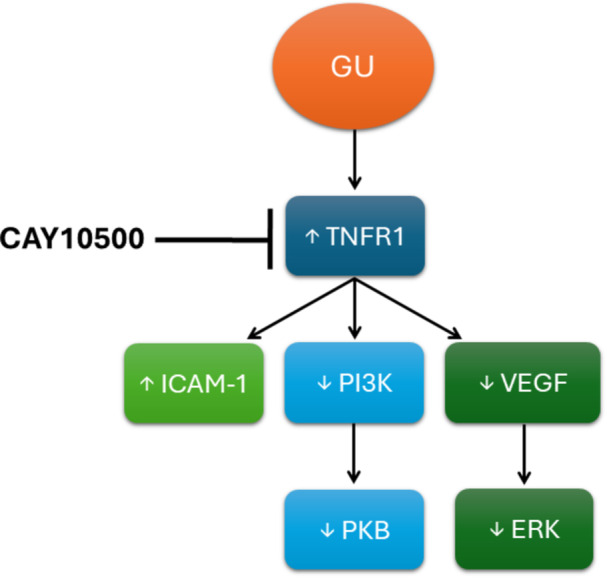 Figure 8
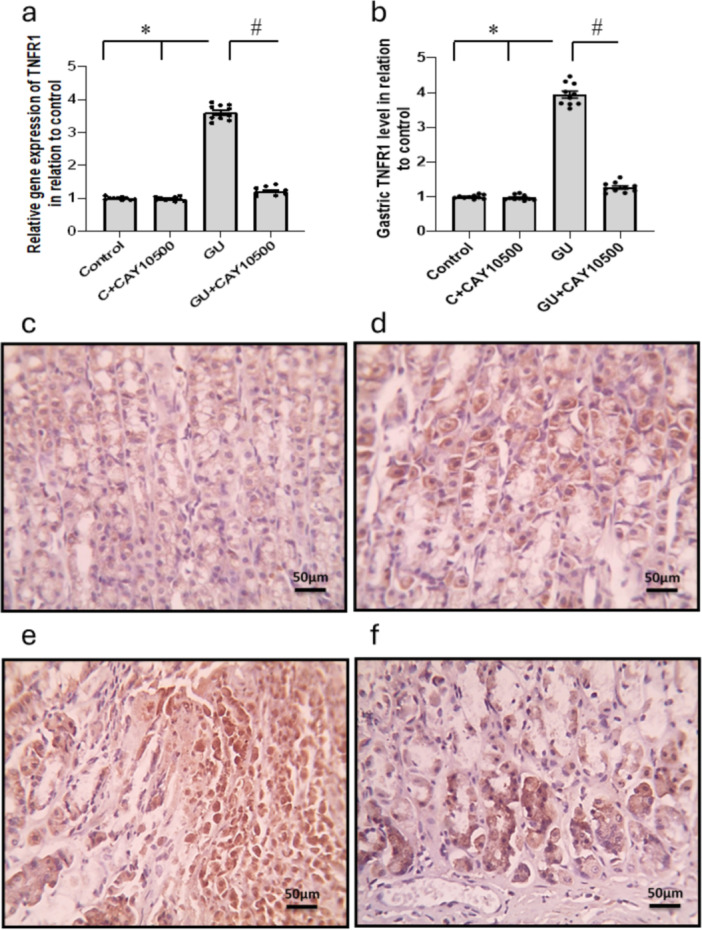 Figure 9
Peer Reviews
No public reviews on file for this paper yet. If you reviewed it on a platform where reviews are public (OpenReview, ICLR, NeurIPS, ICML), you can paste yours below so the community can read it here.
Videos
No videos yet. Explain this paper in a talk, walkthrough, or lecture? Add one.
Taxonomy
TopicsHelicobacter pylori-related gastroenterology studies · Galectins and Cancer Biology · IL-33, ST2, and ILC Pathways