Early heart disease prediction using LV-PSO and Fuzzy Inference Xception Convolution Neural Network on phonocardiogram signals
D. Prabha Devi, C. Palanisamy

TL;DR
This paper introduces a new system combining LV-PSO and a Fuzzy Inference Xception CNN to improve early detection of heart disease using PCG signals.
Contribution
A novel integration of LV-PSO and Fuzzy Inference Xception CNN for enhanced PCG-based heart disease prediction.
Findings
The proposed system achieved 95.8% prediction accuracy across multiple heart disease categories.
LV-PSO effectively reduces feature dimensionality, improving classification performance.
The model outperforms existing methods in precision and recall for heart disease diagnosis.
Abstract
Heart disease is one of the leading causes of mortality worldwide, and early detection is crucial for effective treatment. Phonocardiogram (PCG) signals have shown potential in diagnosing cardiovascular conditions. However, accurate classification of PCG signals remains challenging due to high dimensional features, leading to misclassification and reduced performance in conventional systems. To address these challenges, we propose a Linear Vectored Particle Swarm Optimization (LV-PSO) integrated with a Fuzzy Inference Xception Convolutional Neural Network (XCNN) for early heart risk prediction. PC G signals are analyzed to extract variations such as delta, theta, diastolic, and systolic differences. A Support Scalar Cardiac Impact Rate (S2CIR) is employed to capture disease specific scalar variations and behavioral impacts. LV-PSO is used to reduce feature dimensionality, and the…
Genes, proteins, chemicals, diseases, species, mutations and cell lines named across the full text — each resolved to its canonical identifier and authoritative record.
Click any figure to enlarge with its caption.
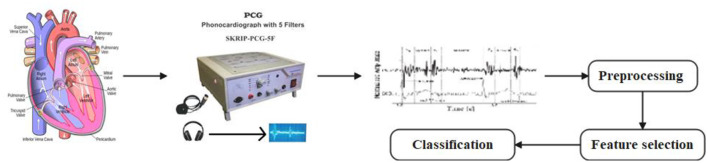 Figure 1
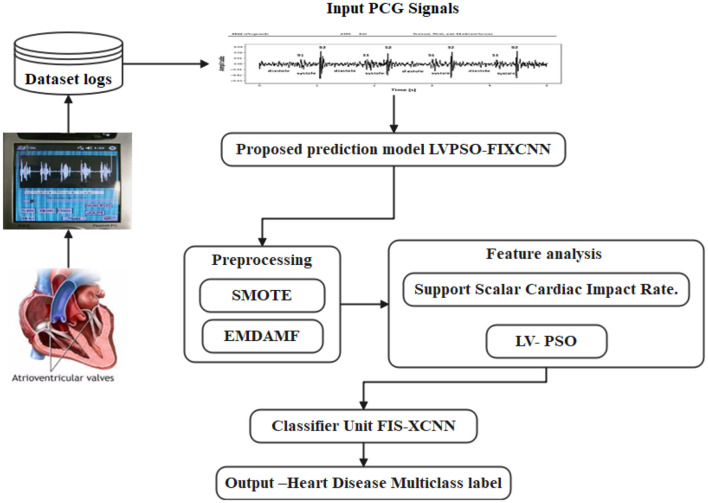 Figure 2
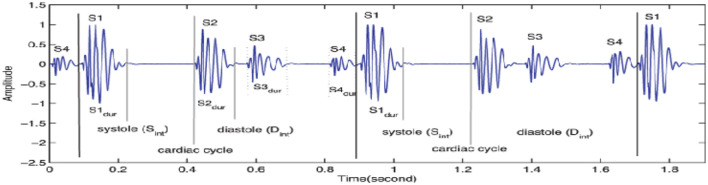 Figure 3
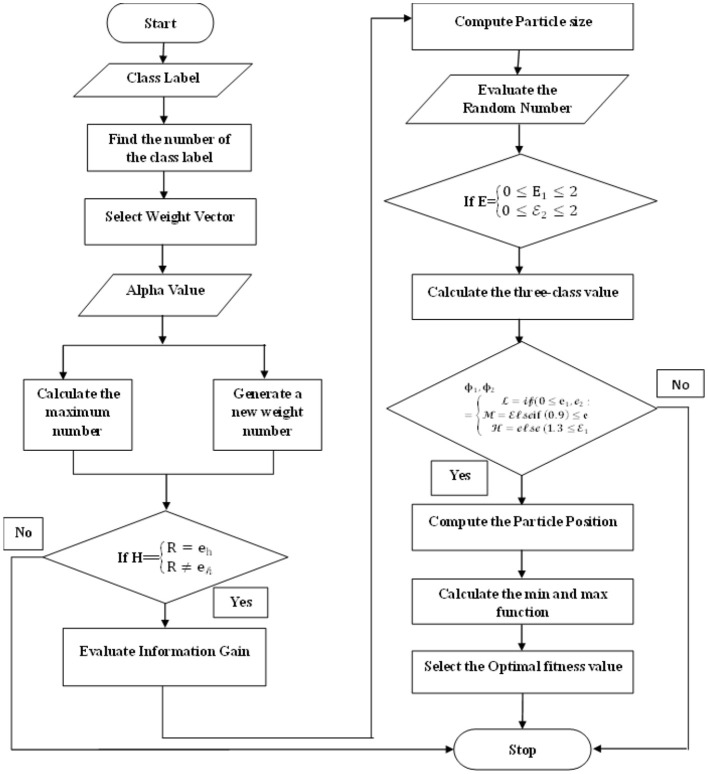 Figure 4
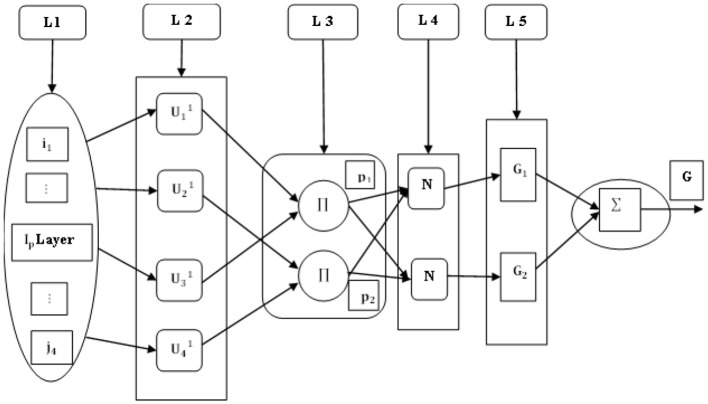 Figure 5
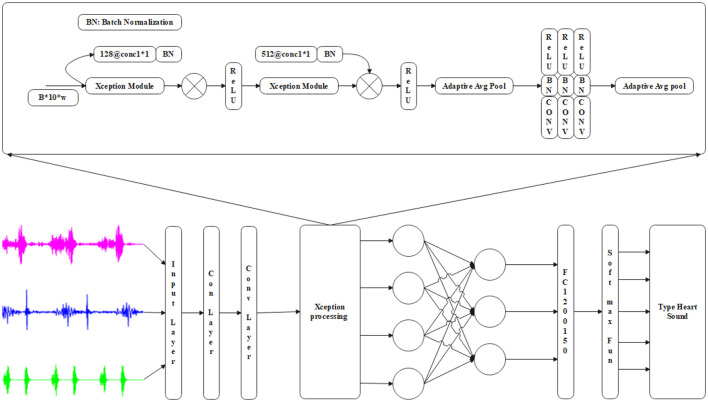 Figure 6
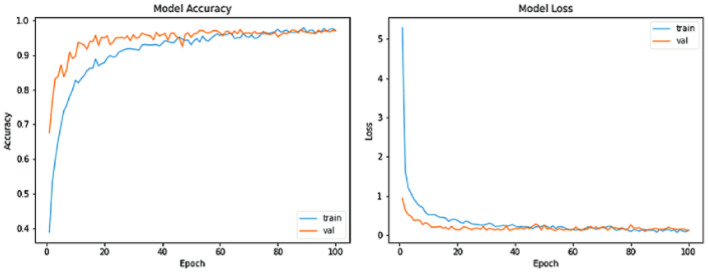 Figure 7
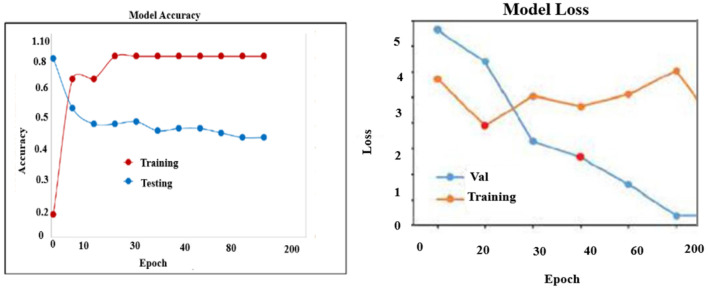 Figure 8
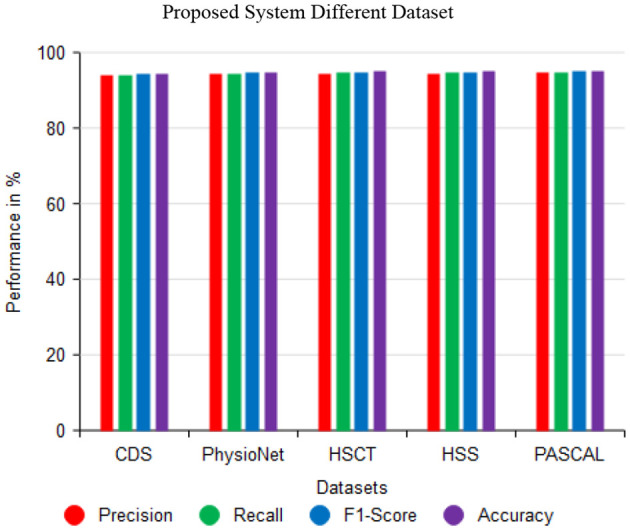 Figure 9
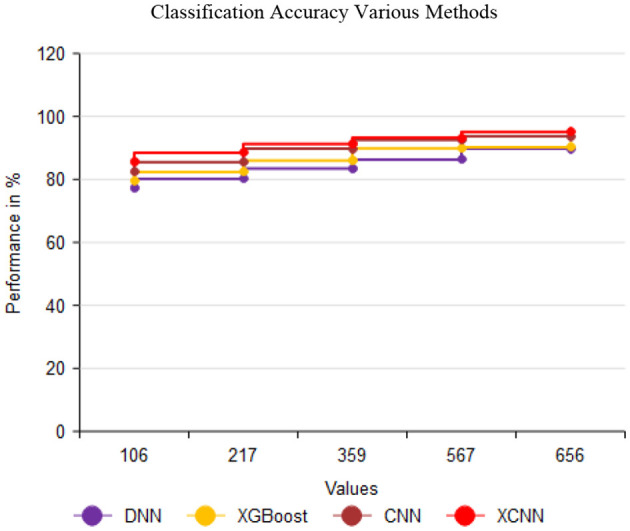 Figure 10
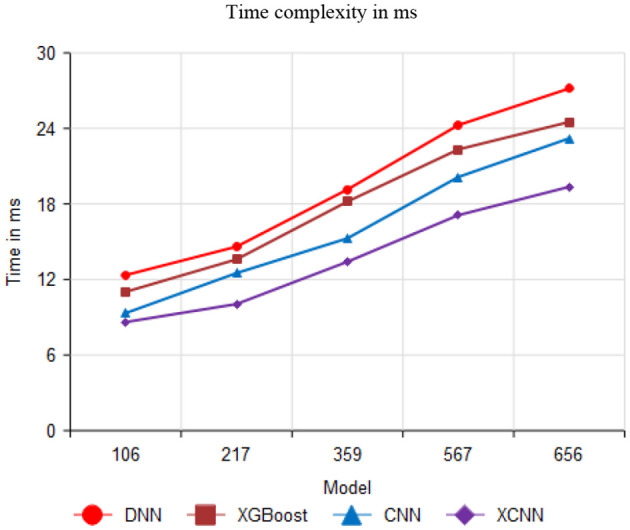 Figure 11
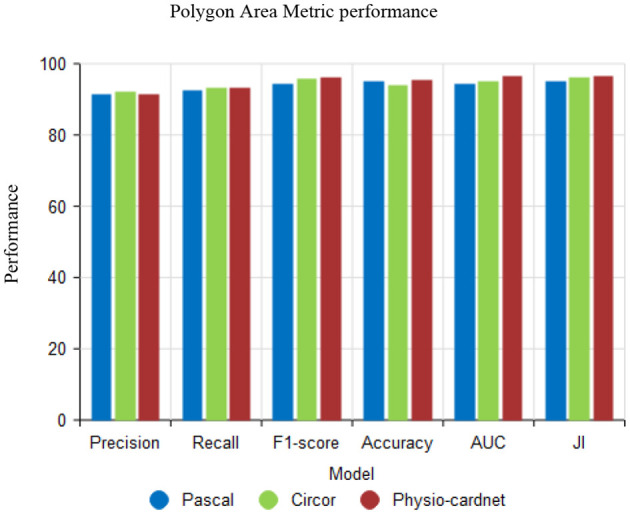 Figure 12
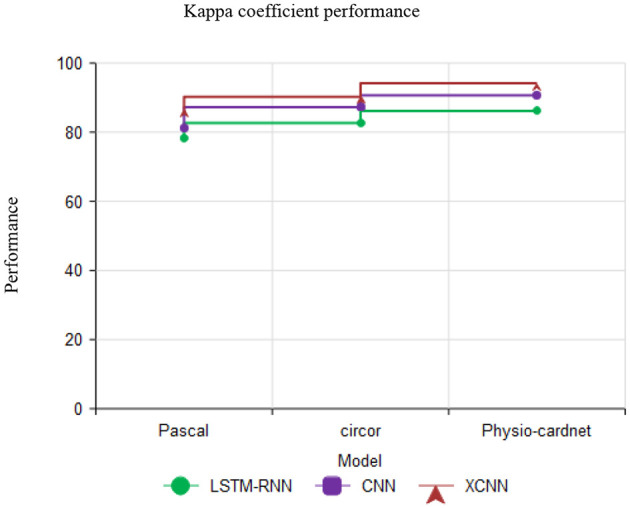 Figure 13
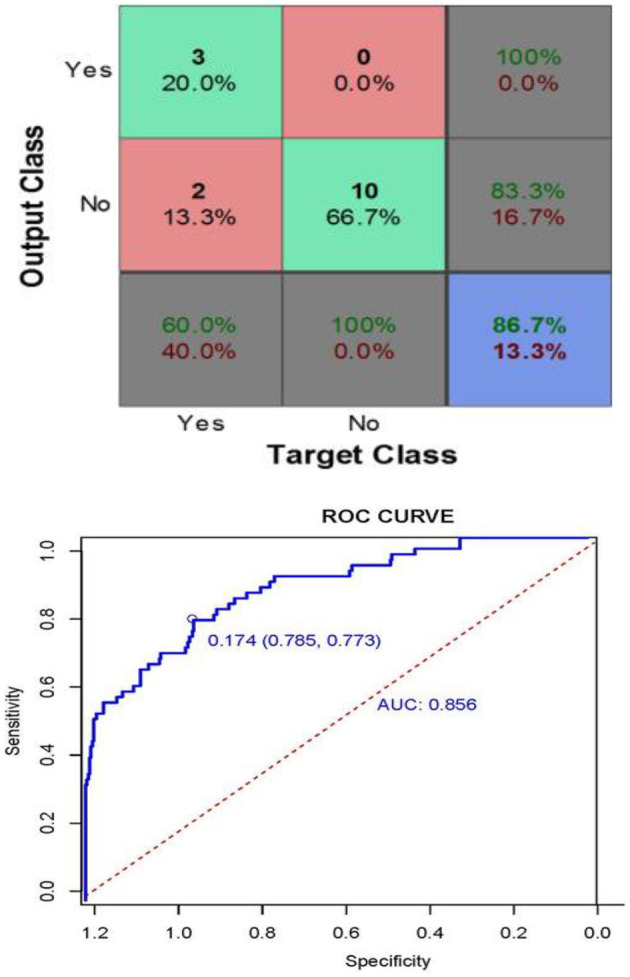 Figure 14
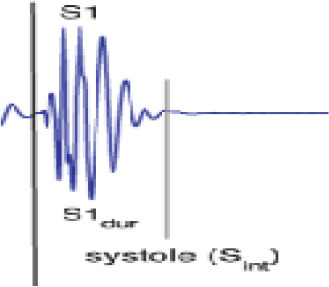 Figure 15
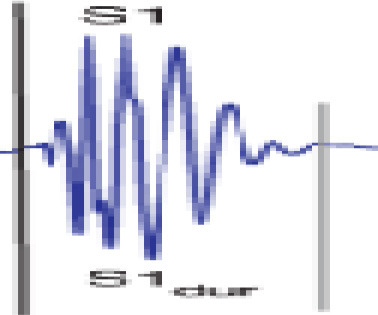 Figure 16
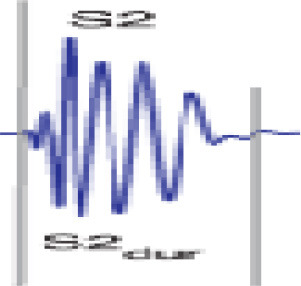 Figure 17
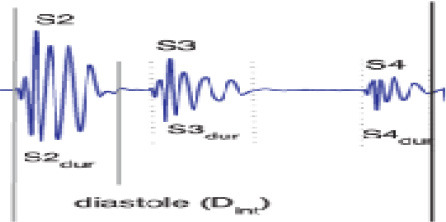 Figure 18
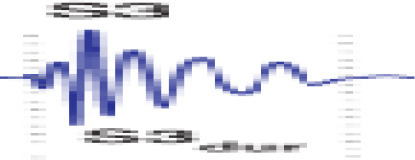 Figure 19
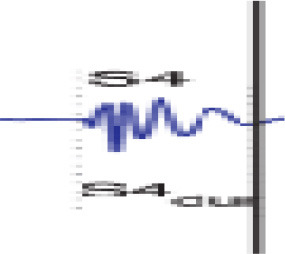 Figure 20
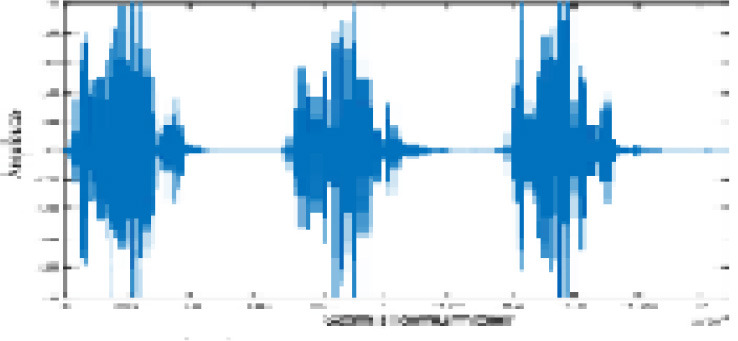 Figure 21
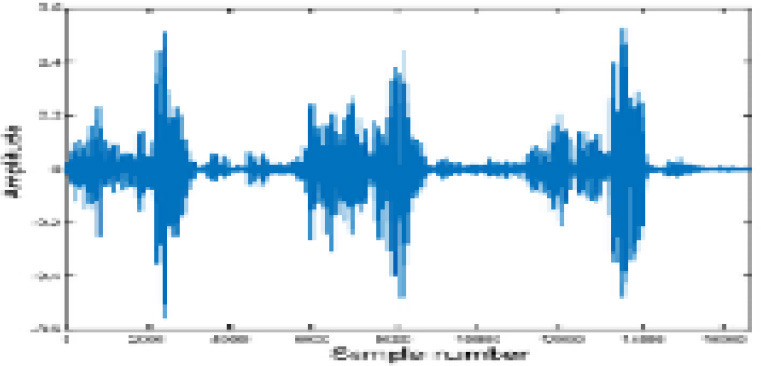 Figure 22
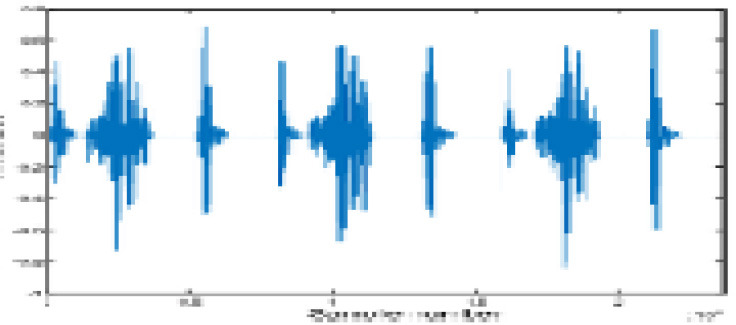 Figure 23
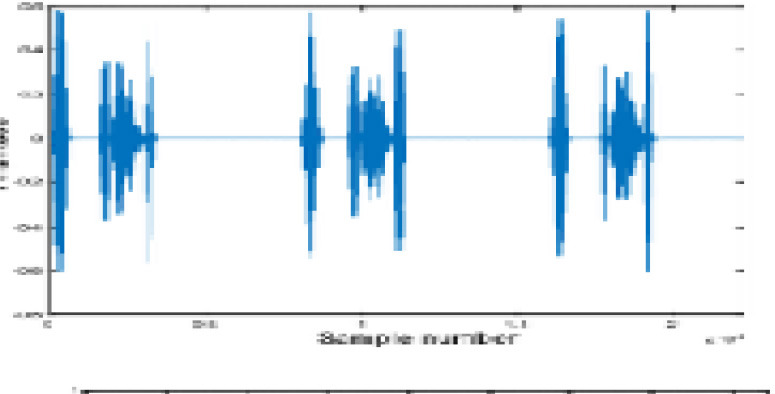 Figure 24
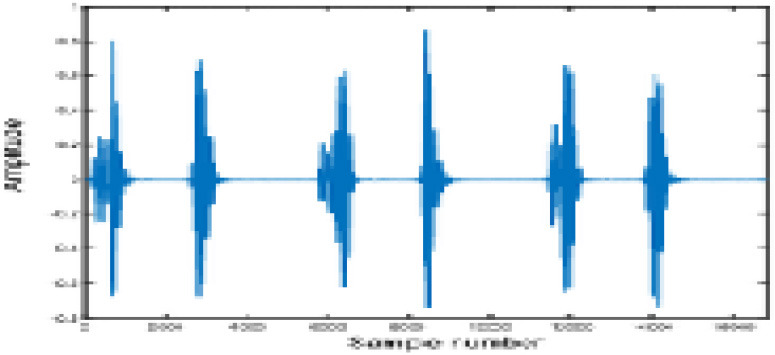 Figure 25
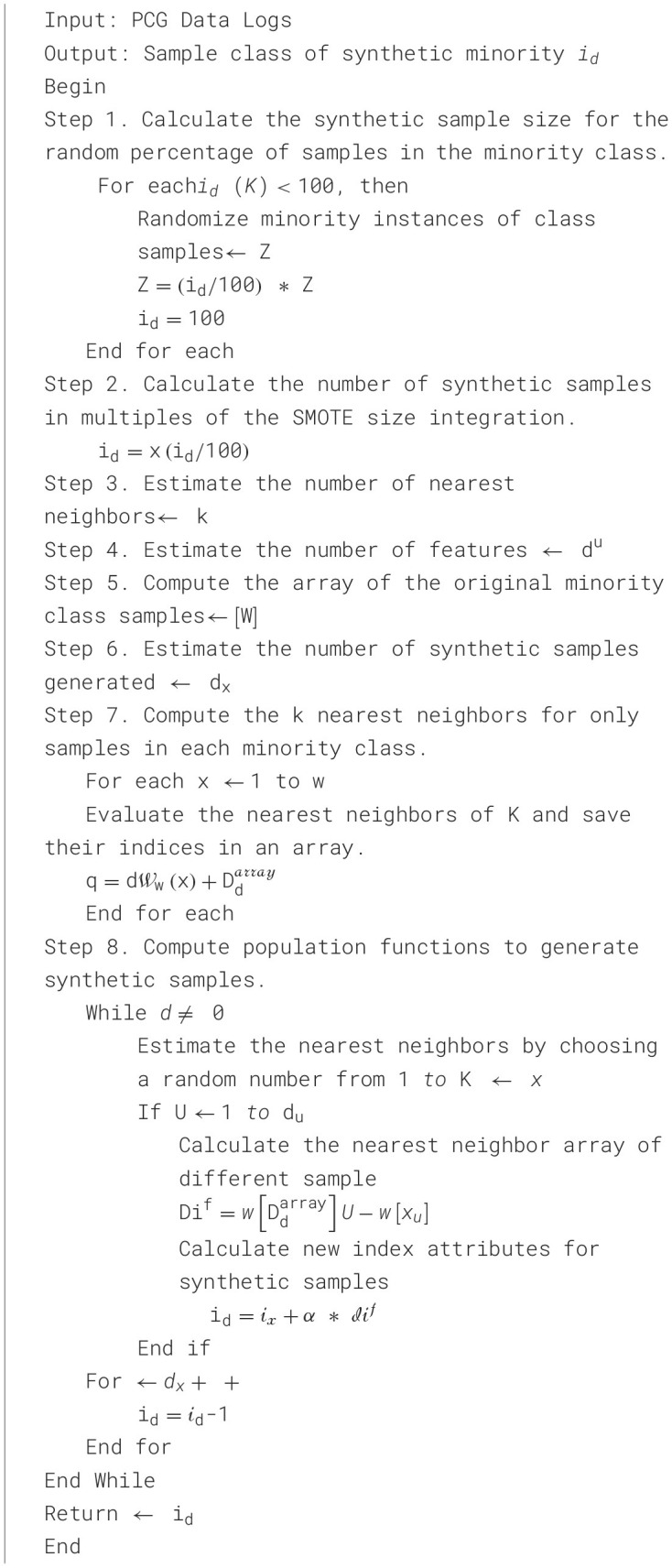 Figure 26
Peer Reviews
No public reviews on file for this paper yet. If you reviewed it on a platform where reviews are public (OpenReview, ICLR, NeurIPS, ICML), you can paste yours below so the community can read it here.
Videos
No videos yet. Explain this paper in a talk, walkthrough, or lecture? Add one.
Taxonomy
TopicsPhonocardiography and Auscultation Techniques · COVID-19 diagnosis using AI · ECG Monitoring and Analysis