Umbilical cord blood‐derived cytotoxic T lymphocytes target melanoma via HLA‐A2‐restricted tumour antigens
Jiaji Liang, Xiao Jiang, Xi He, Zhiqin Dong, Jinqiang Lu, Shuxian Jiang, Hengyu Du, Haoran Mao, Songtao Luo, Xifeng An, Hongwei Liu

TL;DR
Umbilical cord blood can be used to generate T cells for melanoma therapy, with similar effectiveness to peripheral blood but with distinct cell types.
Contribution
Demonstrates umbilical cord blood as a viable source for melanoma-targeting T cells and expands the TCR repertoire for therapy.
Findings
Antigen-specific CD8⁺ T cells from umbilical cord blood and peripheral blood show comparable cytotoxic effects against melanoma.
TCR sequencing revealed diverse clonotypes in peripheral blood and strong pMHC binding in cord blood-derived TCRs.
Umbilical cord blood-derived T cells consist mainly of memory and effector cells, potentially offering more durable anti-tumor effects.
Abstract
Melanoma is recognized as a highly malignant cancer with a generally poor prognosis, underscoring the critical need for effective therapeutic strategies. Adoptive cell therapy has emerged as a promising modality to improve treatment outcomes in melanoma. For endogenous cell therapy (ECT), peripheral blood (PB) has traditionally served as the primary cell source. However, the potential of umbilical cord blood (UCB) as an alternative source for ECT remains unclear. Furthermore, the repertoire of TCRs remains limited. These deficiencies impede the optimization and broader application of ECT for melanoma, highlighting the necessity for focused investigations to resolve these issues. To evaluate the effects of HLA‐A2 restricted antigen‐specific CD8⁺ T cells on melanoma cells, the cytotoxic activity of CD8⁺ T cells derived from UCB and PB were conducted in vivo and in vitro assays.…
Genes, proteins, chemicals, diseases, species, mutations and cell lines named across the full text — each resolved to its canonical identifier and authoritative record.
Click any figure to enlarge with its caption.
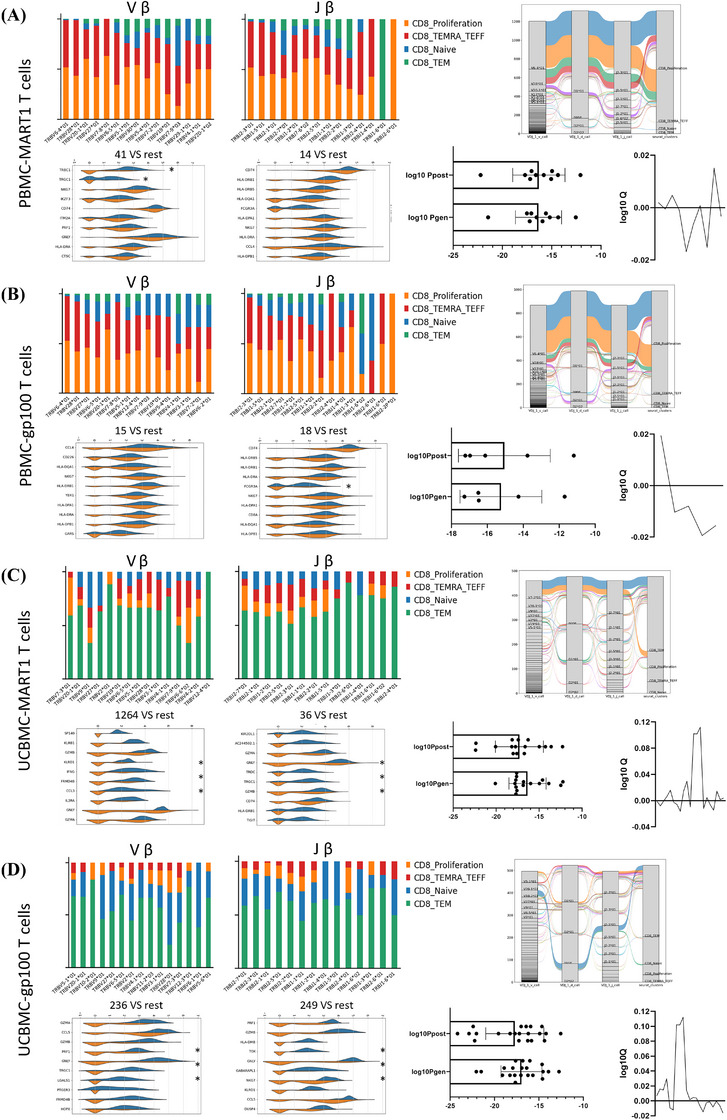 Figure 1
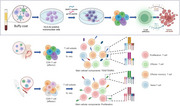 Figure 2
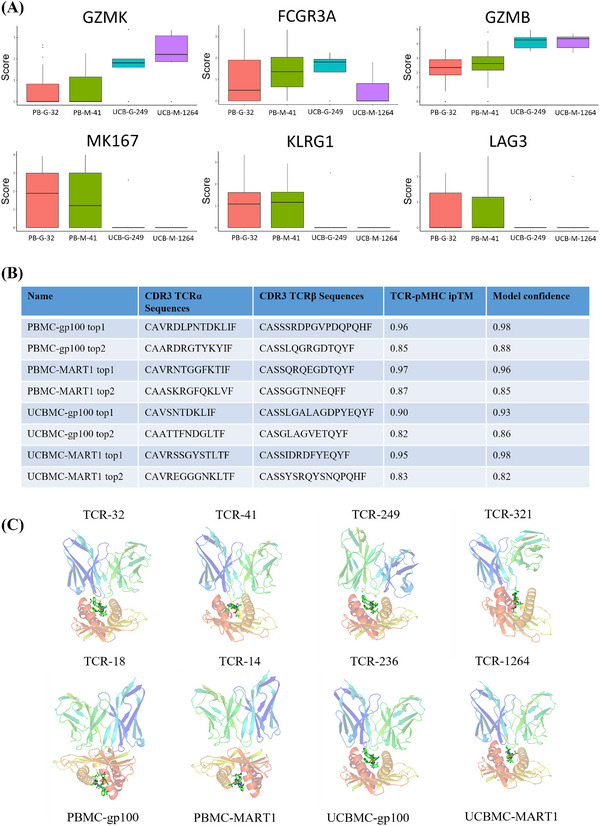 Figure 3
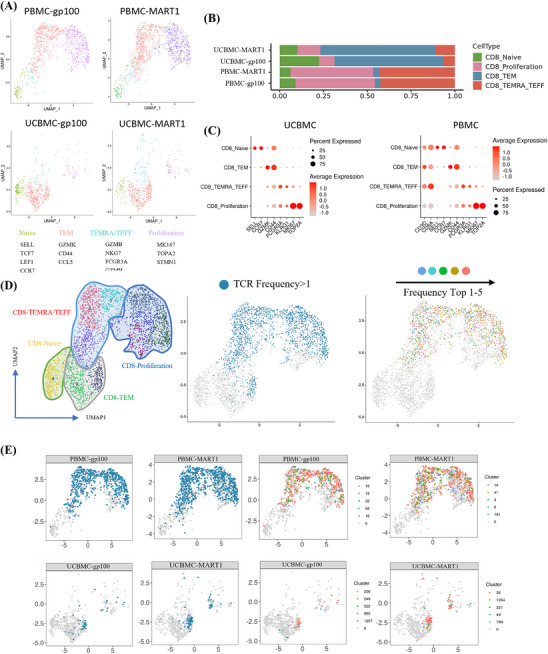 Figure 4
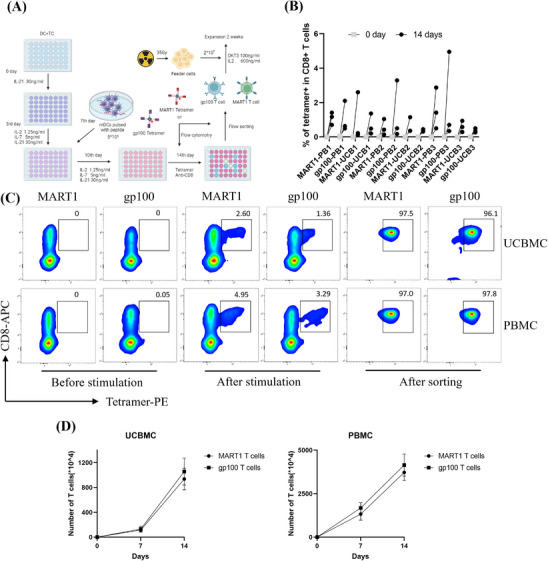 Figure 5
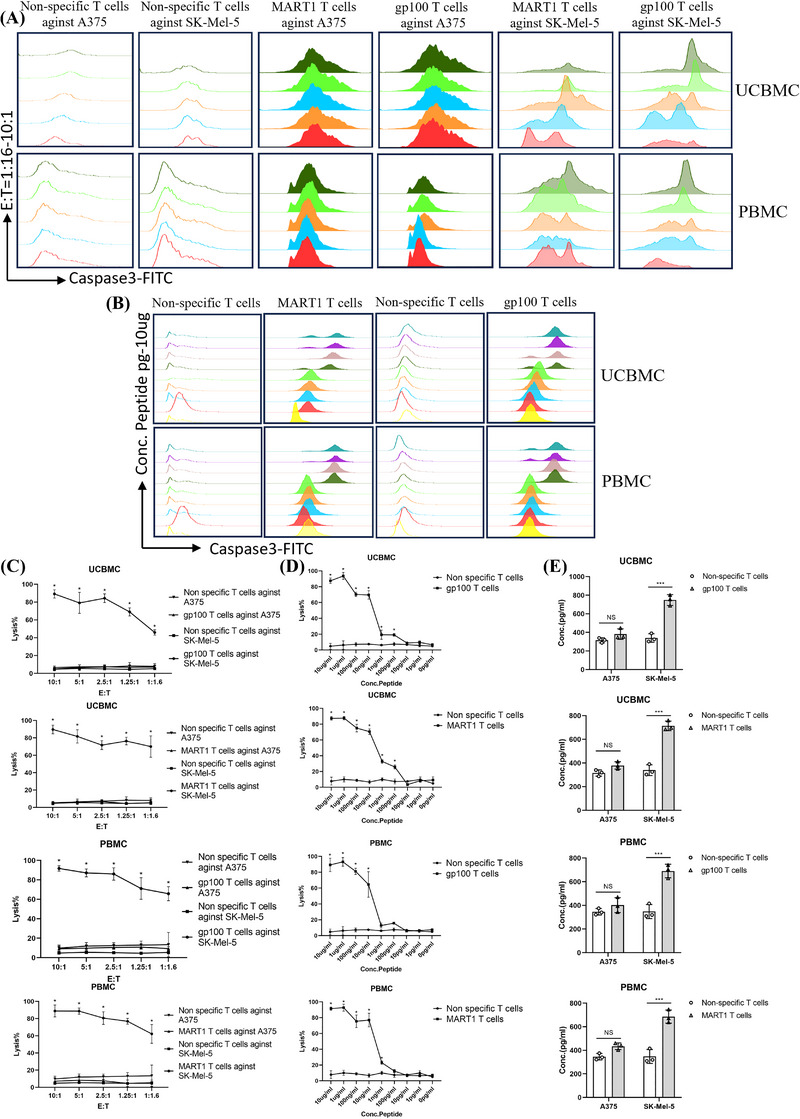 Figure 6
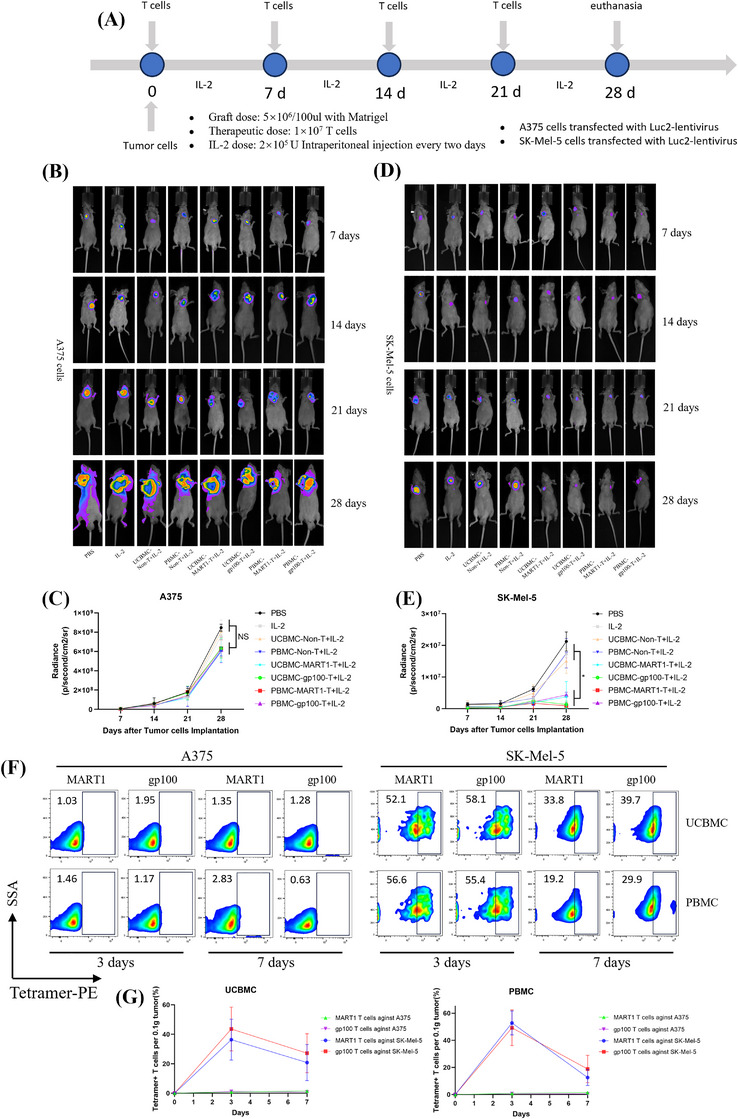 Figure 7
Peer Reviews
No public reviews on file for this paper yet. If you reviewed it on a platform where reviews are public (OpenReview, ICLR, NeurIPS, ICML), you can paste yours below so the community can read it here.
Videos
No videos yet. Explain this paper in a talk, walkthrough, or lecture? Add one.
Taxonomy
TopicsCAR-T cell therapy research · Single-cell and spatial transcriptomics · Immune Cell Function and Interaction