Peripheral Precocious Puberty Due to Autonomous Gonadal Activation: A Multicenter Experience
Sushil Yewale, Vaman Khadilkar, Nikhil Shah, Shalmi Mehta, Hemchand K Prasad, Chirantap Oza, Aniket Kumbhojkar, Ruma Deshpande, Ankita Maheshwari, Anuradha Khadilkar

TL;DR
This study examines children with peripheral precocious puberty in India, highlighting the importance of early diagnosis and treatment to prevent growth issues.
Contribution
The paper provides a multicenter Indian clinical experience on managing peripheral precocious puberty due to gonadal activation.
Findings
Most children presented with menarche as the primary symptom, with a mean age of 4.6 years.
Letrozole was the primary treatment, with leuprolide acetate added for those progressing to central precocious puberty.
Thirty percent of children with peripheral PP progressed to central precocious puberty.
Abstract
Introduction: Peripheral precocious puberty (PP) is far less commonly encountered compared to central precocious puberty (CPP) in pediatric endocrine practice. Long-standing non-diagnosis may cause rapidly advancing bone age, leading to CPP and resultant short stature. We aimed to report the clinical profile and current Indian experience in the management of children with peripheral PP due to autonomous gonadal activation. Methods: This multicentric retrospective study reports data on 23 children (20 girls) presenting with peripheral PP as a result of autonomous gonadal activation from eight pediatric endocrine centers across India. Their clinicodemographic, anthropometric, and laboratory measurements were reviewed. Results: The mean ± SD chronological age at the time of presentation was 4.9 ± 2.0 years, and the mean bone age was 7.6 ± 2.6 years. Nine (39%) children were tall for…
Genes, proteins, chemicals, diseases, species, mutations and cell lines named across the full text — each resolved to its canonical identifier and authoritative record.
Click any figure to enlarge with its caption.
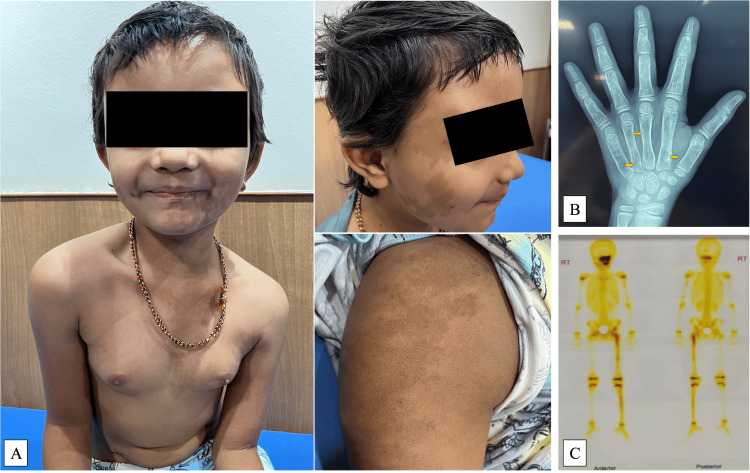 Figure 1
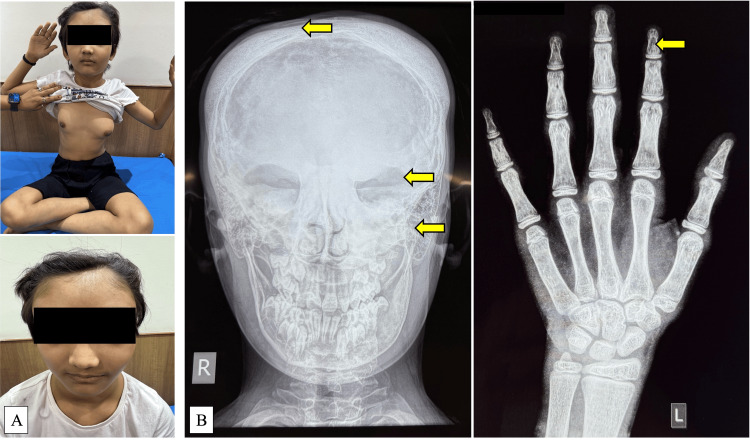 Figure 2
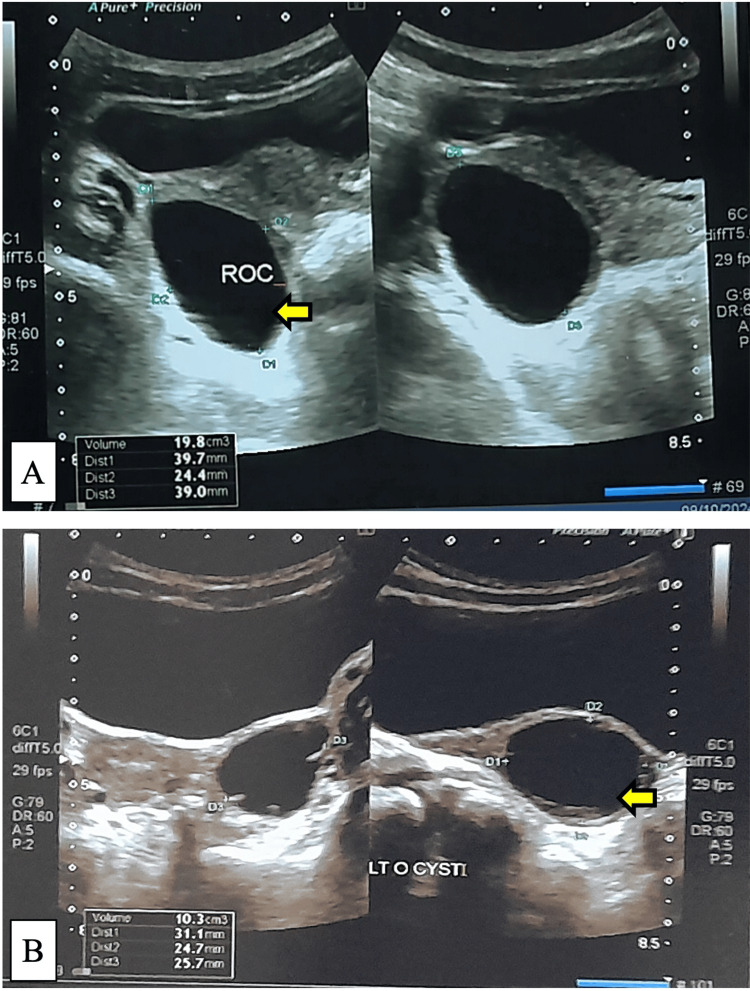 Figure 3
Peer Reviews
No public reviews on file for this paper yet. If you reviewed it on a platform where reviews are public (OpenReview, ICLR, NeurIPS, ICML), you can paste yours below so the community can read it here.
Videos
No videos yet. Explain this paper in a talk, walkthrough, or lecture? Add one.
Taxonomy
TopicsHypothalamic control of reproductive hormones · Sexual Differentiation and Disorders · Genetic and Clinical Aspects of Sex Determination and Chromosomal Abnormalities