Advancing cancer research through 3D cell culture models
Isidora Panez-Toro, Joshua Mountford, Javier Muñoz-Garcia, Dominique Heymann

TL;DR
This paper reviews how 3D cell culture models can better mimic cancer's complexity compared to traditional 2D methods, improving research and treatment understanding.
Contribution
The paper provides a comprehensive review of 3D cell culture techniques in oncology, highlighting their advantages over monolayer models.
Findings
3D cell culture models better replicate tumor biology and heterogeneity.
Techniques like scaffolds and microfluidic platforms enhance 3D modeling.
3D models offer improved applications for studying cancer progression and drug resistance.
Abstract
Cancer is a multifactorial disease with cellular proliferative molecular networks and immune evasion properties. The well-known cancer intra- and inter-tumoral heterogeneity presents a notable limitation of the current histological and diagnostic techniques. Thus, biasing the risk of invasiveness and restricting its broader application in oncology in prognostic, survival, and treatment response differences between patients. Monolayer cell cultures have been a consistent in vitro model in cancer research throughout time. However, this system fails to replicate the complex pathogenesis of this disease, as key mechanisms underlying initiation, metastasis, drug resistance, and recurrence remain poorly understood. 3D culture models are presented as the most suitable model to better reflect the patient's tumor development. Some methods to introduce the third dimension into cell cultures is by…
Genes, proteins, chemicals, diseases, species, mutations and cell lines named across the full text — each resolved to its canonical identifier and authoritative record.
Click any figure to enlarge with its caption.
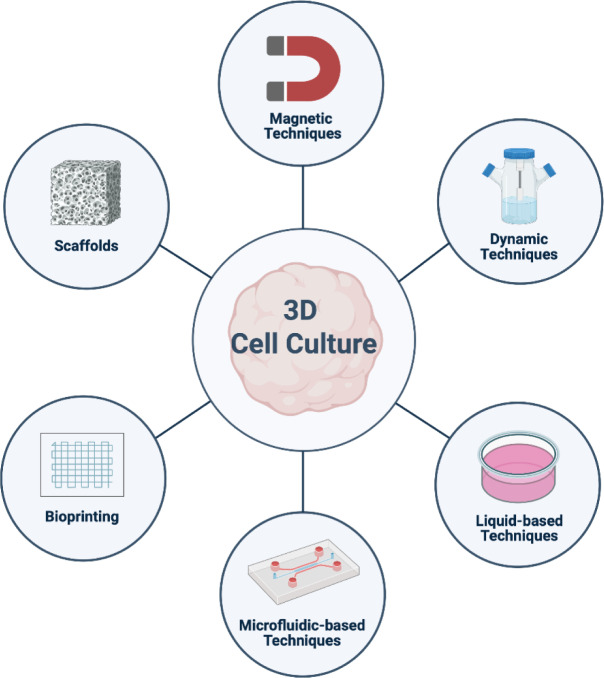 Figure 1
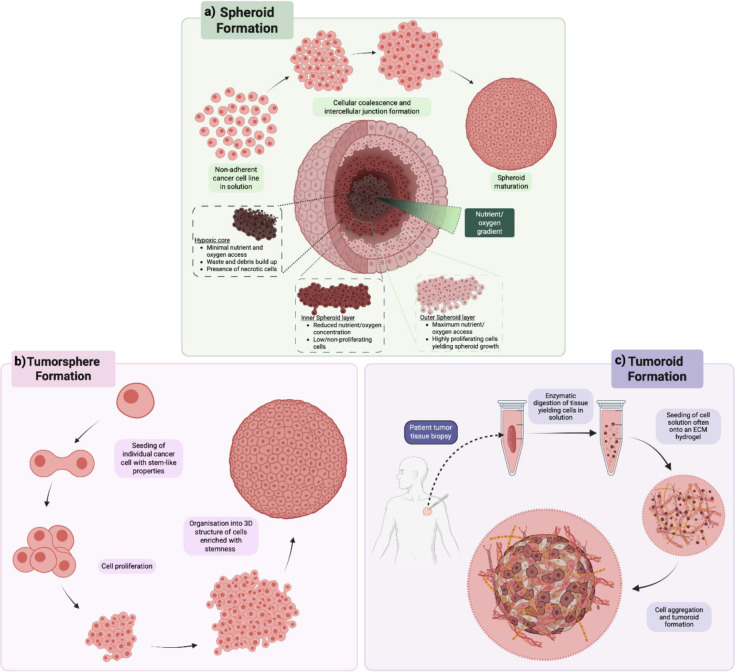 Figure 2
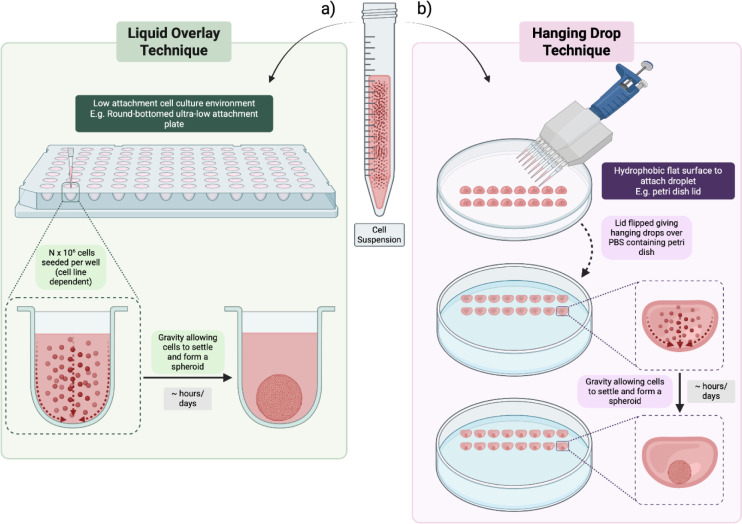 Figure 3
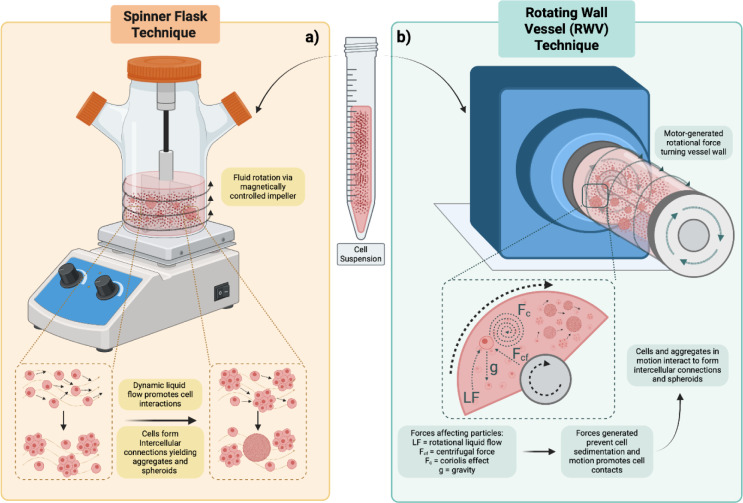 Figure 4
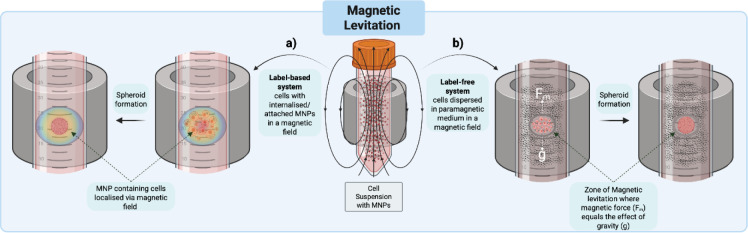 Figure 5
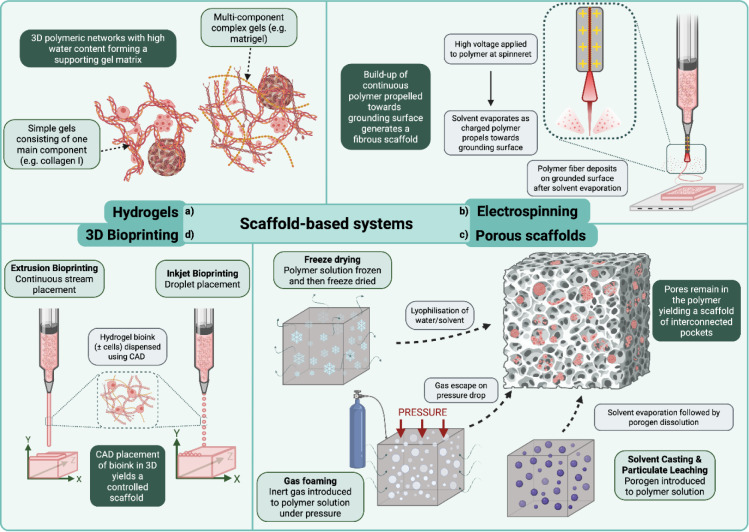 Figure 6
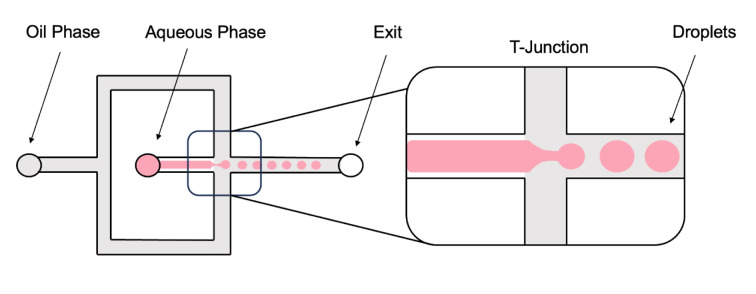 Figure 7
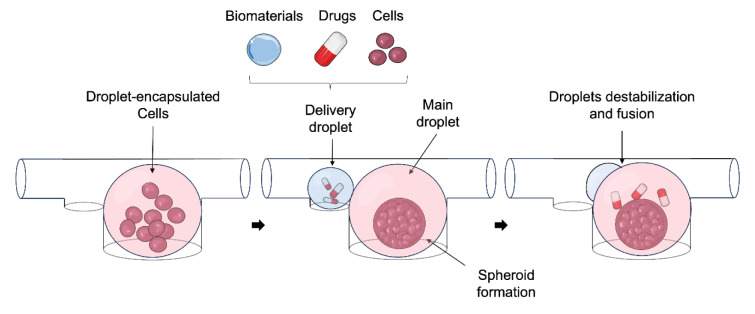 Figure 8
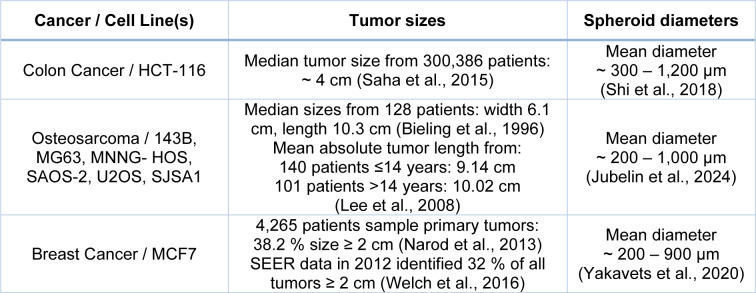 Figure 9
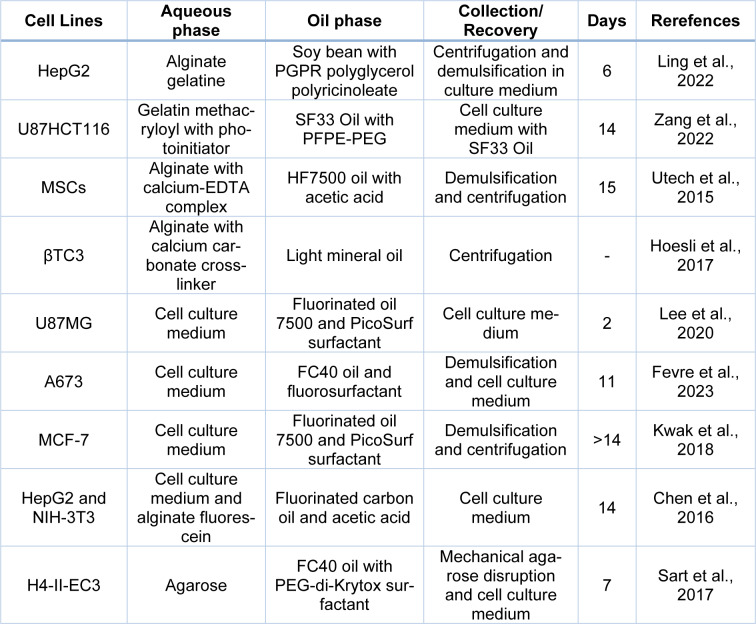 Figure 10
Peer Reviews
No public reviews on file for this paper yet. If you reviewed it on a platform where reviews are public (OpenReview, ICLR, NeurIPS, ICML), you can paste yours below so the community can read it here.
Videos
No videos yet. Explain this paper in a talk, walkthrough, or lecture? Add one.
Taxonomy
Topics3D Printing in Biomedical Research