Amino acid substitutions at rheostat positions in the Na+/taurocholate cotransporting polypeptide substrate channel have pleiotropic effects
Liskin Swint‐Kruse, Melissa J. Ruggiero, Bruno Hagenbuch

TL;DR
This study shows that amino acid substitutions in specific positions of the NTCP protein can have varied and complex effects on its function and stability.
Contribution
The study identifies new rheostat positions in NTCP and demonstrates their pleiotropic effects on transport and expression.
Findings
Position G102 acts as a rheostat, affecting both substrate transport and cell surface expression.
Position Y146, though solvent-exposed, had substitutions that unexpectedly disrupted cellular expression.
NTCP's substrate channel appears lined with rheostat positions that influence multiple characteristics.
Abstract
In the human Na+/taurocholate cotransporting polypeptide (NTCP), several non‐synonymous SNPs are known to have positive or negative medical consequences, and hundreds more are “variants of unknown significance.” One reason outcomes remain unknown is that computational predictions are not yet reliable. Such predictions are especially problematic for “rheostat” positions, where amino acid substitutions have widely varied outcomes. We previously predicted that NTCP contains multiple rheostat positions for substrate transport. To test this, we selected two positions that—by classical assumptions—would not be rheostat positions. Position G102 is highly conserved and buried deep in the substrate channel; as such, most substitutions are expected to be catastrophic. In contrast, position Y146 is non‐conserved with a solvent‐exposed side chain near the channel opening; thus, most substitutions…
Genes, proteins, chemicals, diseases, species, mutations and cell lines named across the full text — each resolved to its canonical identifier and authoritative record.
Click any figure to enlarge with its caption.
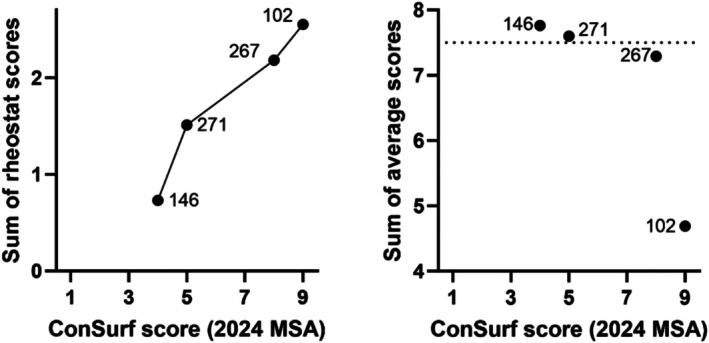 Figure 1
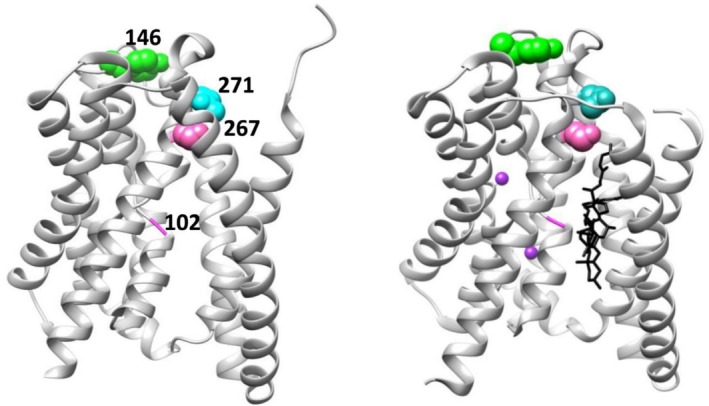 Figure 2
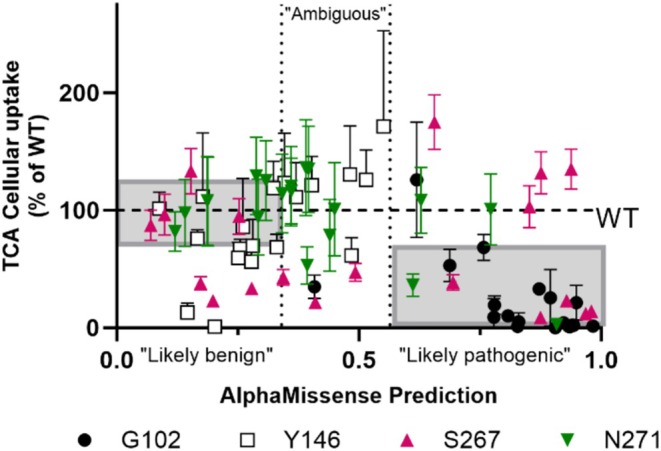 Figure 3
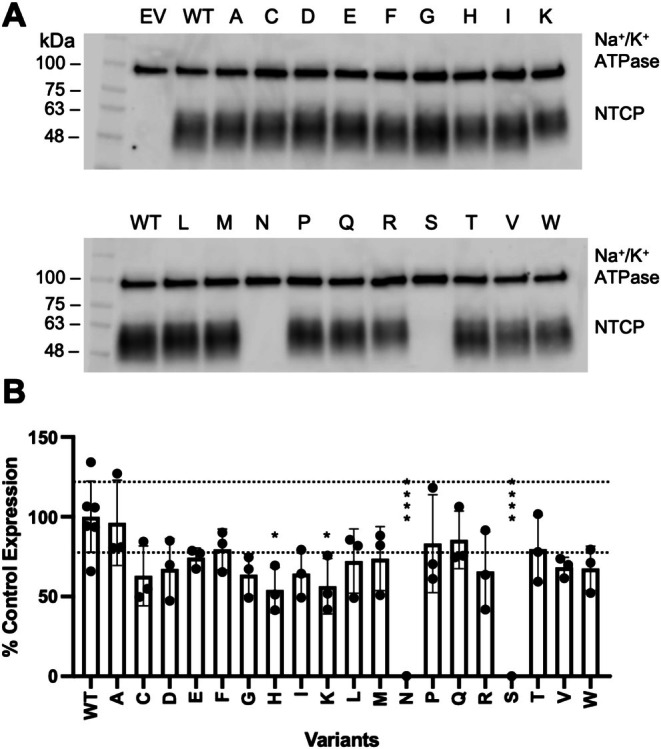 Figure 4
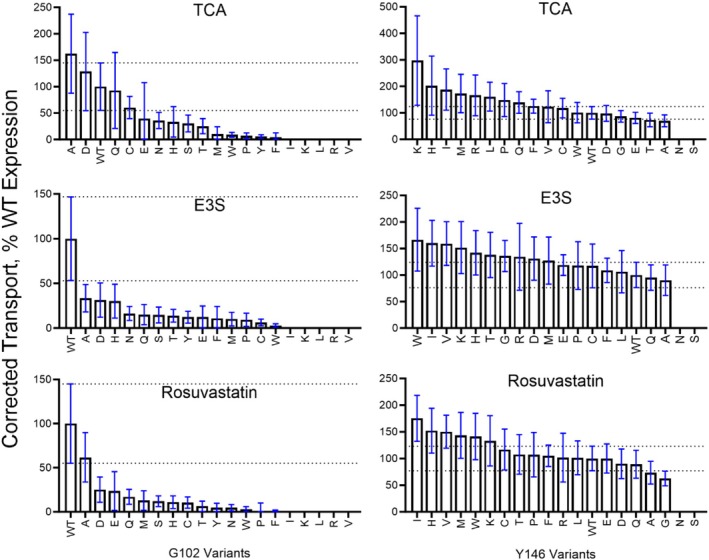 Figure 5
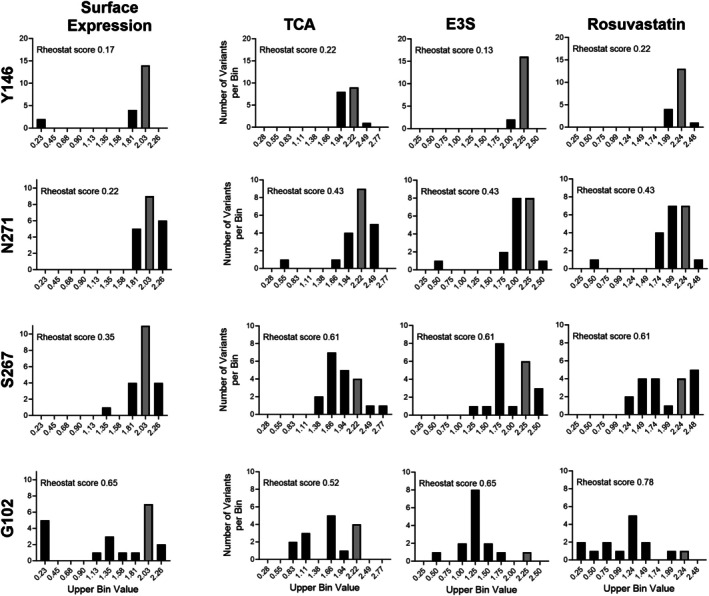 Figure 6
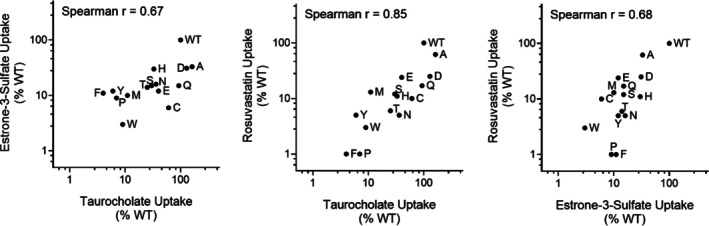 Figure 7
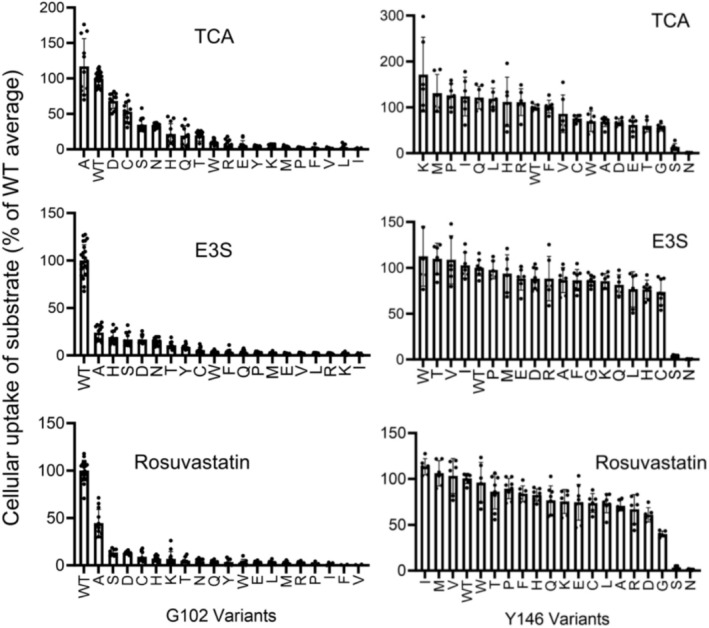 Figure 8
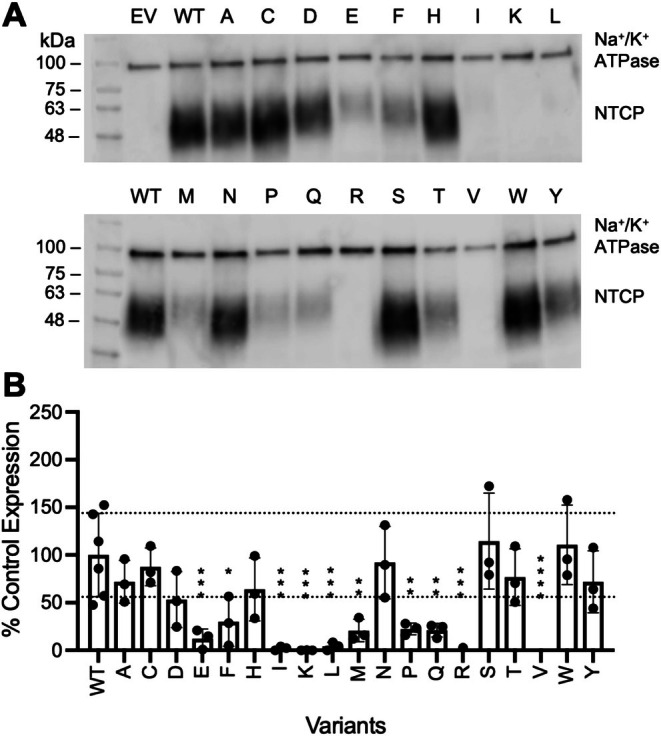 Figure 9
Peer Reviews
No public reviews on file for this paper yet. If you reviewed it on a platform where reviews are public (OpenReview, ICLR, NeurIPS, ICML), you can paste yours below so the community can read it here.
Videos
No videos yet. Explain this paper in a talk, walkthrough, or lecture? Add one.
Taxonomy
TopicsDiabetes Treatment and Management · Drug Transport and Resistance Mechanisms · Ion Transport and Channel Regulation