Enigmatic H2- and CH4-rich hydrothermal plumes at the ultramafic-hosted Lucky B site, 81°N on Lena Trough, Arctic Ocean
Elmar Albers, Felix Genske, Jeffrey S. Seewald, Maren Walter, Jonathan Mette, Gunter Wegener, Massimiliano Molari, Christopher Klaembt, Luigi Gallucci, Tea Isler, Lilian Böhringer, Jessica N. Fitzsimmons, Shelby Gunnells, Vera Schlindwein, Christopher R. German

TL;DR
A hydrothermal site in the Arctic Ocean emits hydrogen and methane, revealing unique geological and microbial processes.
Contribution
Discovery of H2- and CH4-rich plumes at an ultramafic-hosted site with distinct venting styles and microbial activity.
Findings
Lucky B emits high concentrations of dissolved hydrogen and methane, differing from typical serpentinization-derived systems.
The site features distinct venting styles, including diffuse fluid discharge and massive sulfide deposits.
Microbiological analysis shows chemoautotrophs using hydrothermal H2 and sulfide as energy sources.
Abstract
Tectonic uplift of mantle rocks along slow- and ultraslow-spreading mid-ocean ridges facilitates diverse styles of hydrothermal circulation. Here, we report on Lucky B, an ultramafic-hosted hydrothermal field on the ultraslow-spreading Lena Trough at 81°N in the ice-covered Arctic Ocean. At the seafloor we observed diffuse, metal-poor fluid discharge with abundant vent fauna alongside sites of massive sulfide deposits and hydrothermal chimneys, extending laterally over at least 1.9 km. The overlying water column exhibited two geochemically distinct plumes, the stronger of which showed strong redox and particle anomalies. We hence identify Lucky B as ‘black smoker’-type system featuring distinct styles of venting from several major fluid sources. The strongest plume also contained high concentrations of dissolved hydrogen (H2) and methane (CH4), distinguishing Lucky B from other…
Genes, proteins, chemicals, diseases, species, mutations and cell lines named across the full text — each resolved to its canonical identifier and authoritative record.
Click any figure to enlarge with its caption.
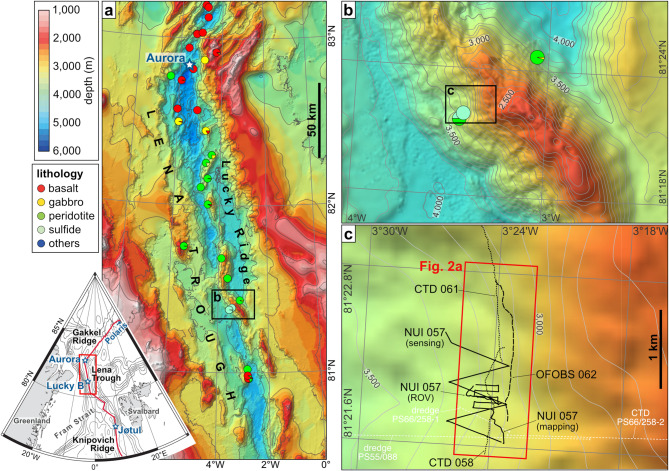 Figure 1
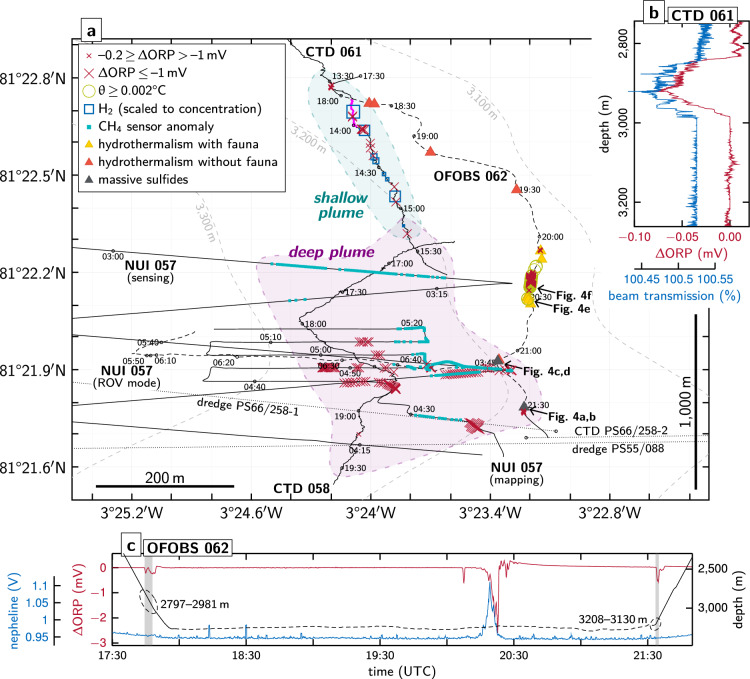 Figure 2
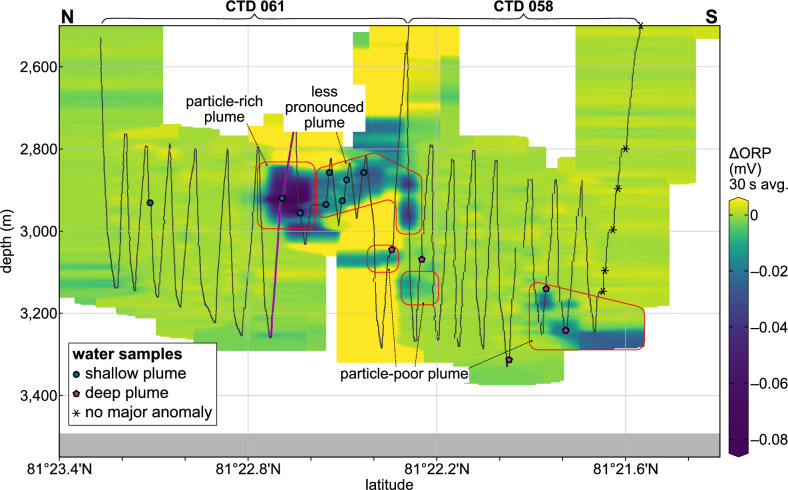 Figure 3
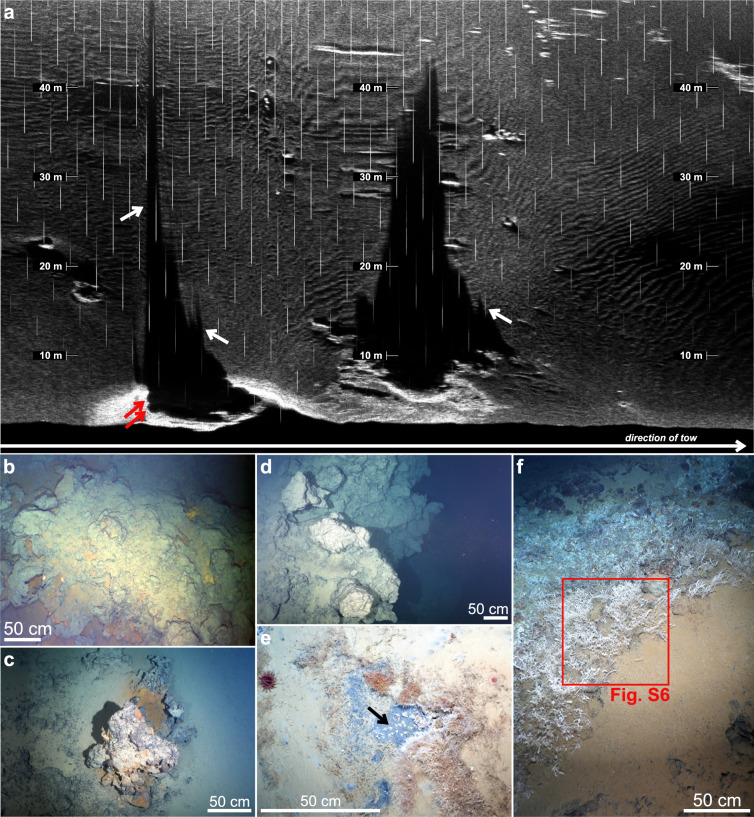 Figure 4
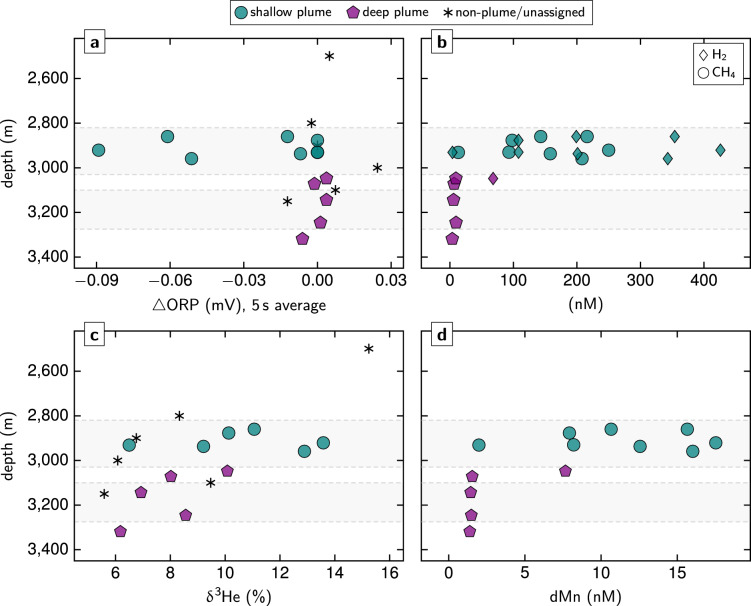 Figure 5
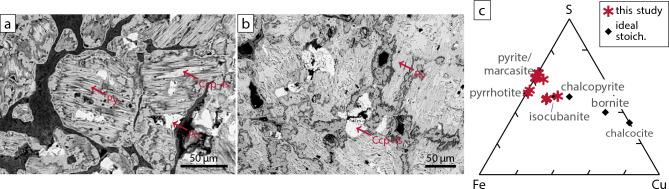 Figure 6
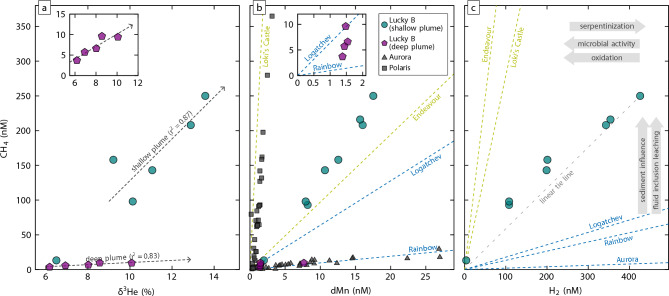 Figure 7
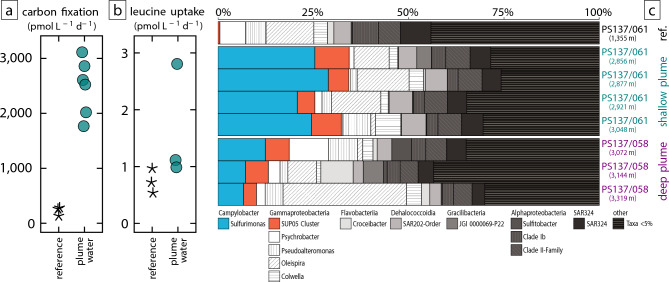 Figure 8
Peer Reviews
No public reviews on file for this paper yet. If you reviewed it on a platform where reviews are public (OpenReview, ICLR, NeurIPS, ICML), you can paste yours below so the community can read it here.
Videos
No videos yet. Explain this paper in a talk, walkthrough, or lecture? Add one.
Taxonomy
TopicsMethane Hydrates and Related Phenomena · Geology and Paleoclimatology Research · Geological Studies and Exploration