Role of CaMKIIa reticular neurons of caudal medulla in control of posture
Pavel V. Zelenin, Vladimir F. Lyalka, Shih-Hsin Chang, Francois Lallemend, Tatiana G. Deliagina, Li-Ju Hsu

TL;DR
This study identifies a specific group of brainstem neurons that help mice maintain upright posture on flat and sloped surfaces.
Contribution
The study reveals that CaMKIIa-expressing reticular neurons in the caudal medulla are crucial for postural control in mice.
Findings
Unilateral activation of CaMKIIa-RNs causes ipsilateral roll tilt of the head and trunk.
CaMKIIa-RNs project to spinal cord regions controlling limb movement for posture.
These neurons stabilize posture on flat surfaces and adapt to inclined ones.
Abstract
Terrestrial quadrupeds stabilize dorsal-side-up body orientation (the vertical orientation of its dorso-ventral axis) through the postural control system, with supraspinal inputs, including those from the reticular formation, playing a central role. The contribution of specific molecularly identified reticular neuron populations to posture, however, has remained unclear. We investigated CaMKIIa-expressing reticular neurons (CaMKIIa-RNs) in the caudal medulla and their role in postural regulation. Using chemogenetic activation and inactivation in mice, we found that unilateral activation of CaMKIIa-RNs produced ipsilateral roll tilt of the head and trunk, driven by flexion/adduction of ipsilateral limbs and extension/abduction of contralateral limbs. This tilt was actively stabilized on a tilting platform and maintained during locomotion. In contrast, unilateral inactivation evoked…
Genes, proteins, chemicals, diseases, species, mutations and cell lines named across the full text — each resolved to its canonical identifier and authoritative record.
Click any figure to enlarge with its caption.
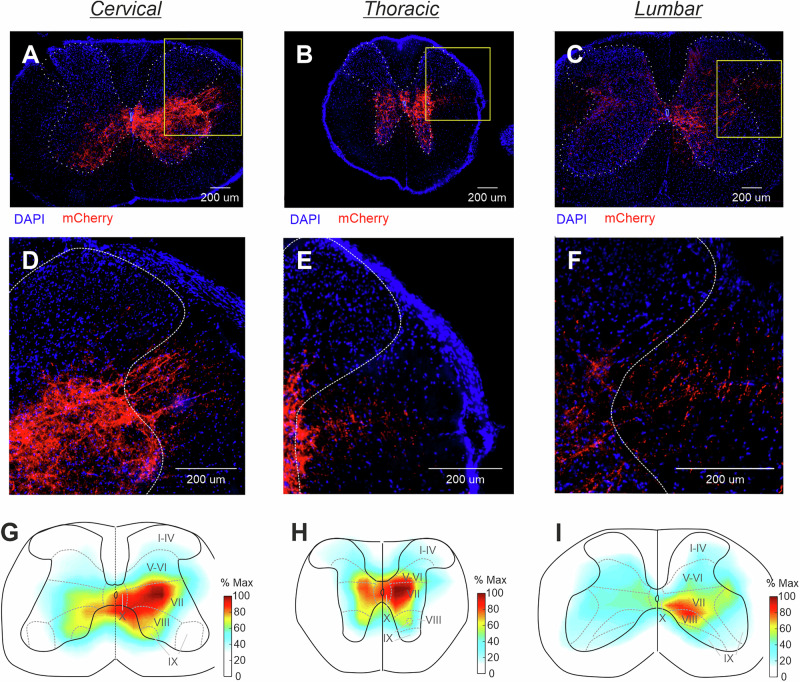 Figure 10
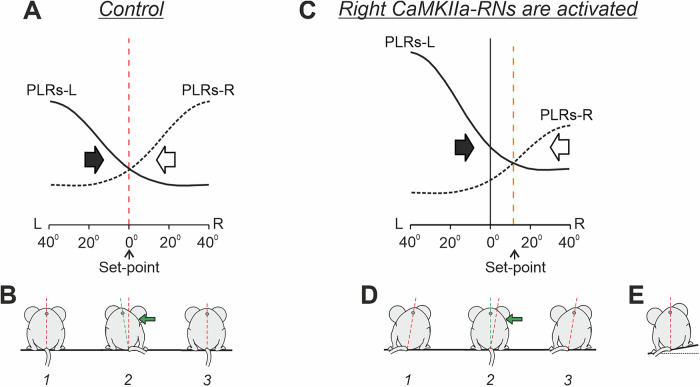 Figure 11
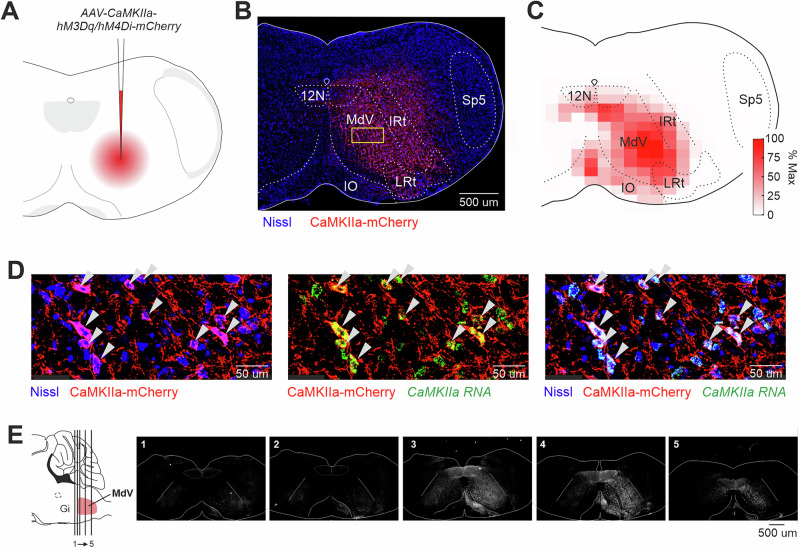 Figure 1
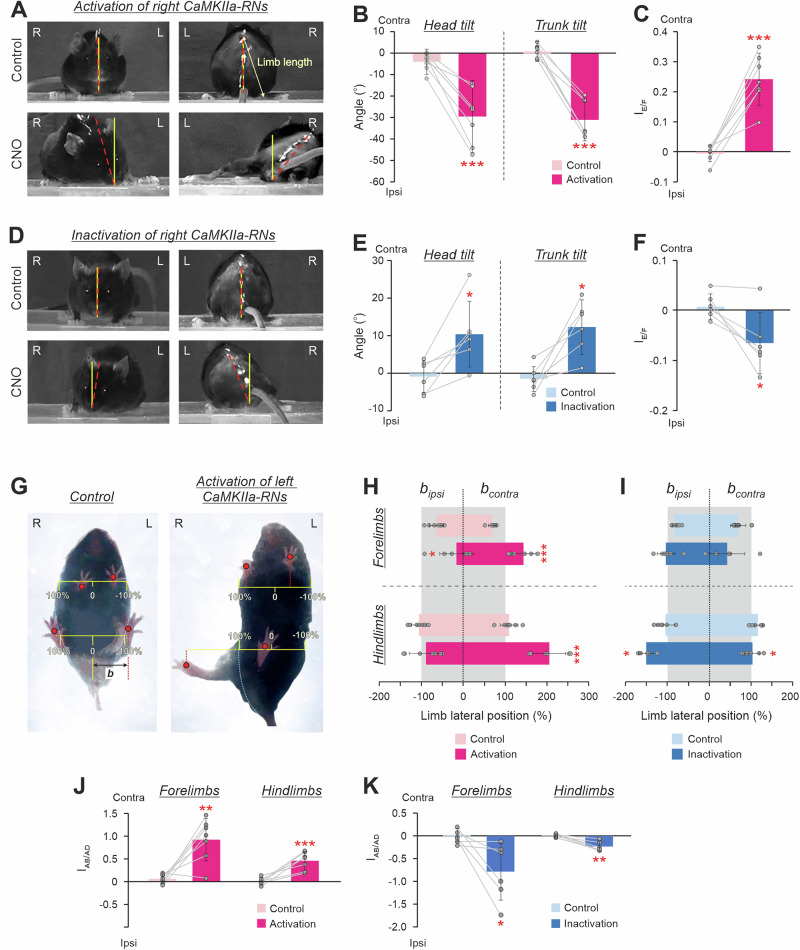 Figure 2
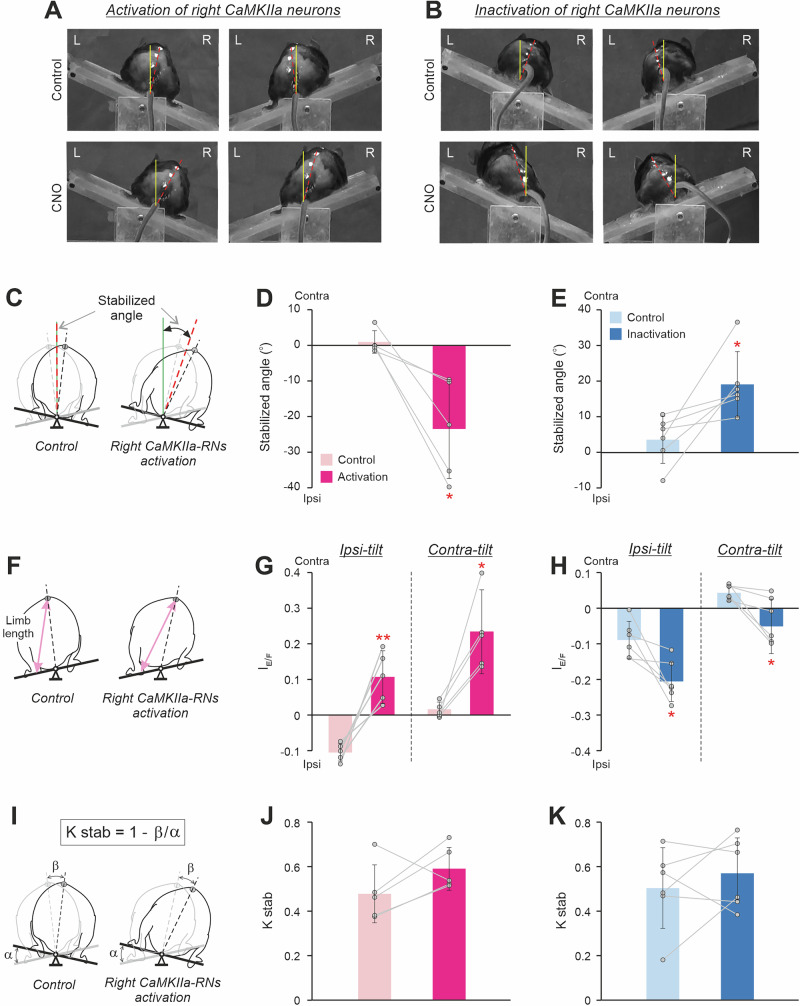 Figure 3
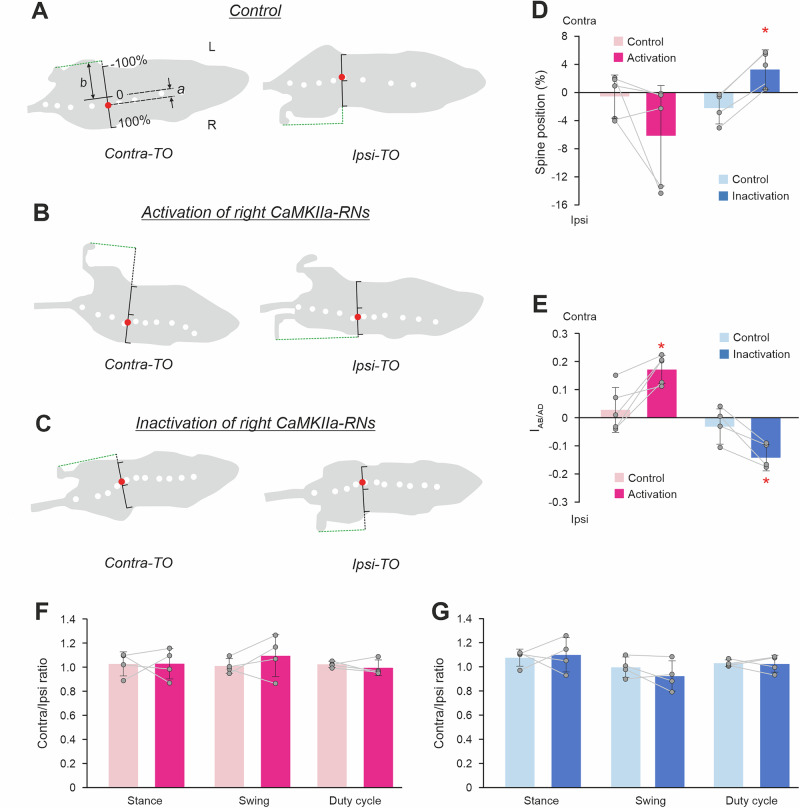 Figure 4
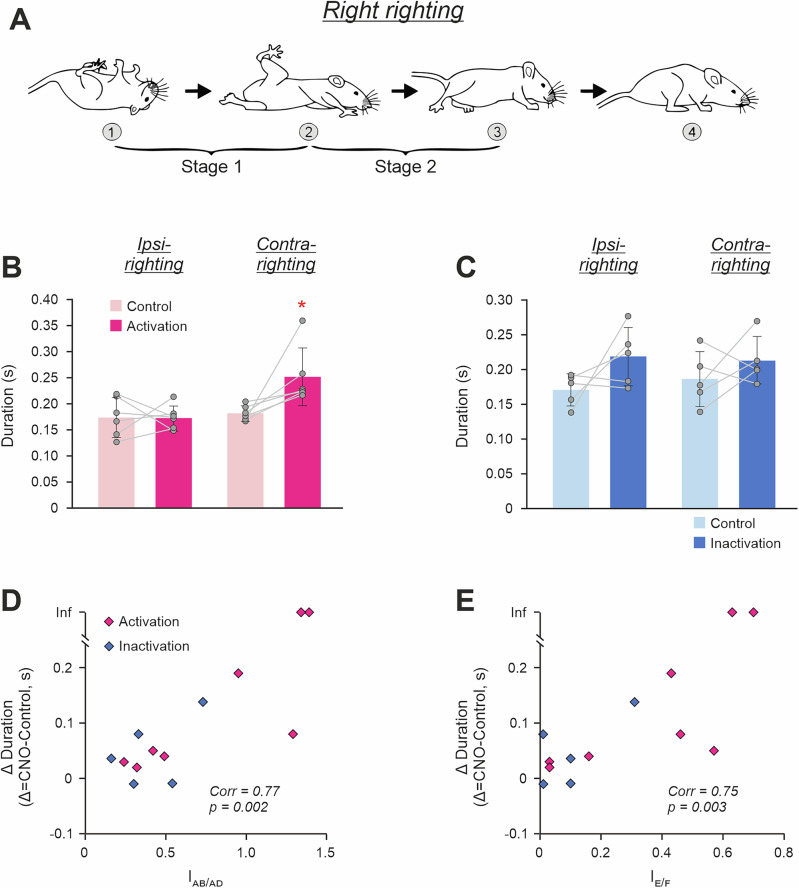 Figure 5
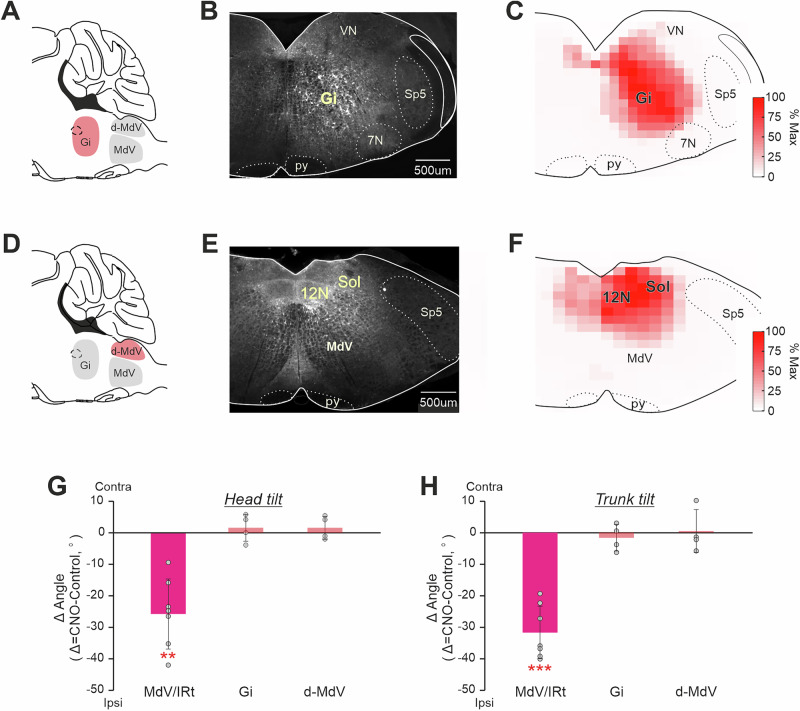 Figure 6
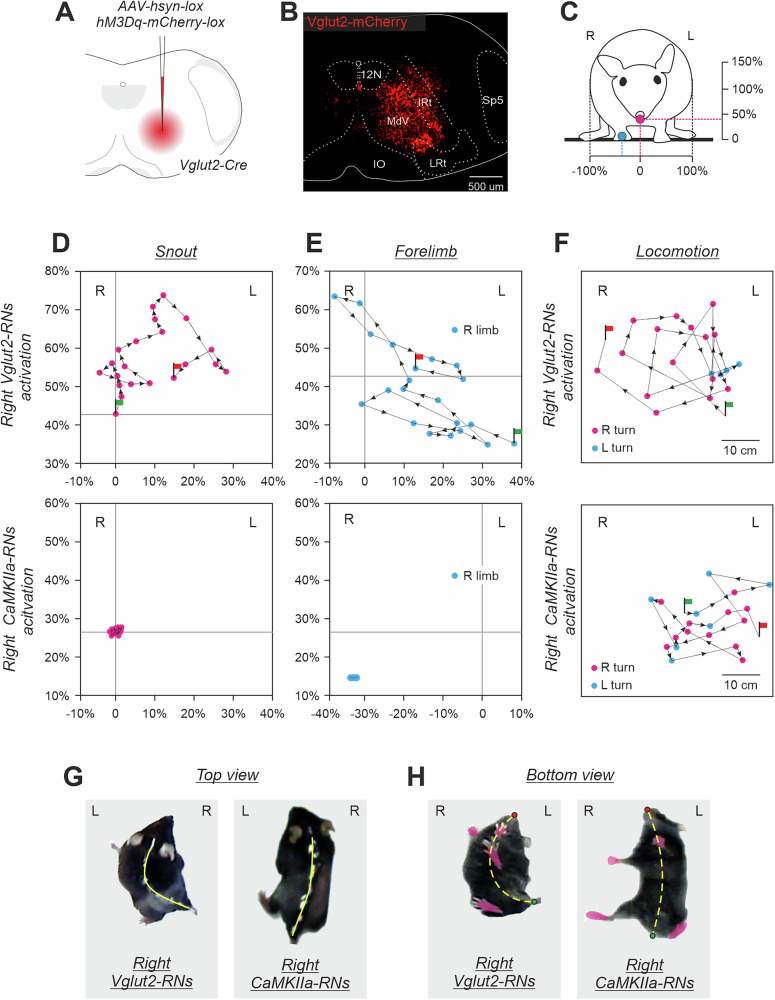 Figure 7
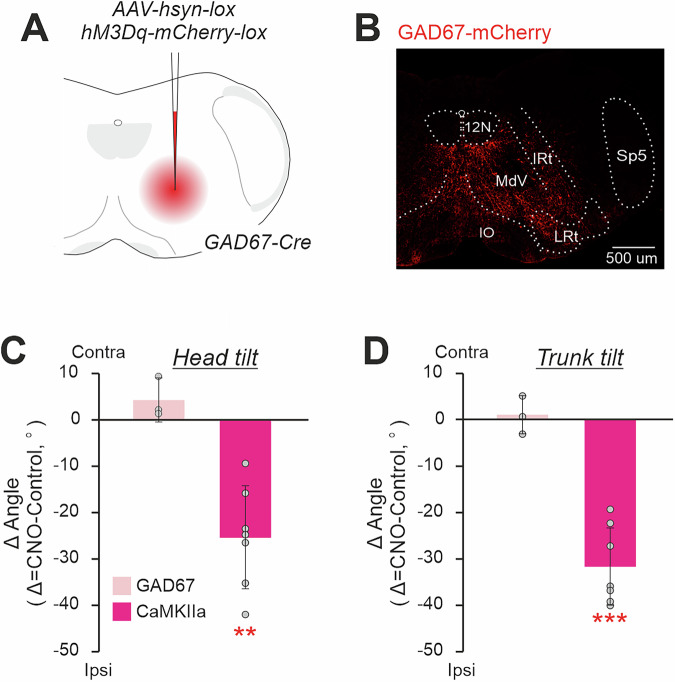 Figure 8
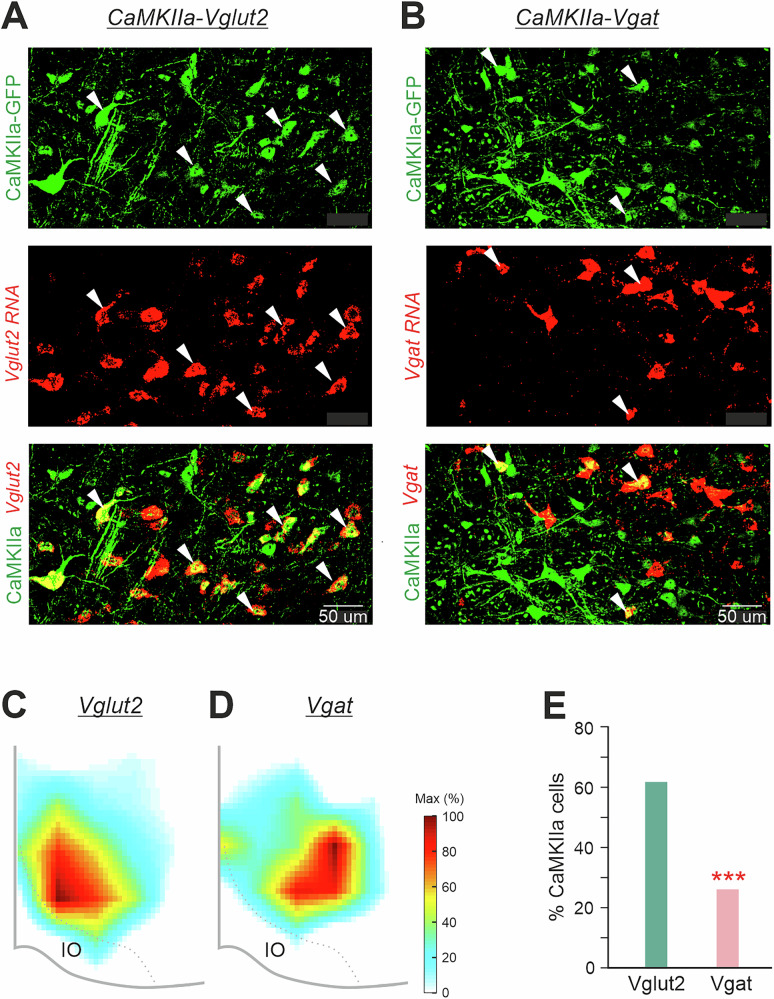 Figure 9
Peer Reviews
No public reviews on file for this paper yet. If you reviewed it on a platform where reviews are public (OpenReview, ICLR, NeurIPS, ICML), you can paste yours below so the community can read it here.
Videos
No videos yet. Explain this paper in a talk, walkthrough, or lecture? Add one.
Taxonomy
TopicsSpinal Cord Injury Research · Zebrafish Biomedical Research Applications · Balance, Gait, and Falls Prevention