Heart rates, facial expressions and self-reports: a multimodal longitudinal approach of learners' emotions in the foreign language classroom
Delphine Guedat-Bittighoffer, Abderrazzaq Moufidi, Jean-Marc Dewaele, David Rousseau, Hugo Voyneau, Pejman Rasti

TL;DR
This study uses heart rate, facial expressions, and self-reports to track learners' emotions in foreign language classrooms over time, revealing how emotions change during lessons.
Contribution
The study introduces a multimodal longitudinal method to capture individual emotional patterns in real classroom settings.
Findings
Positive emotional contagion was observed during peer interactions in language learning.
Multimodal data revealed transient emotional states linked to classroom activities and interactions.
Individualized emotional patterns highlight the variability in learners' emotional experiences.
Abstract
Emotions in educational settings are often studied through self-reports or lab experiments, limiting insights into their real-world dynamics. This study examines learner emotions in authentic foreign language classrooms using a multimodal longitudinal approach. Over 16 consecutive sessions, we collected heart rate (HR) signals, emotional facial expressions (EFE), classroom observations, and self-reports on enjoyment, anxiety, and boredom to capture both physiological and self-perceived emotional responses. Rather than aggregating data across students, we focused on individualized emotional patterns to understand variations in emotional experiences. Each dataset included extensive video recordings, continuous HR monitoring, detailed observational notes, and post-session questionnaires, providing a high-resolution picture of emotional dynamics. Using unsupervised clustering techniques, we…
Genes, proteins, chemicals, diseases, species, mutations and cell lines named across the full text — each resolved to its canonical identifier and authoritative record.
Click any figure to enlarge with its caption.
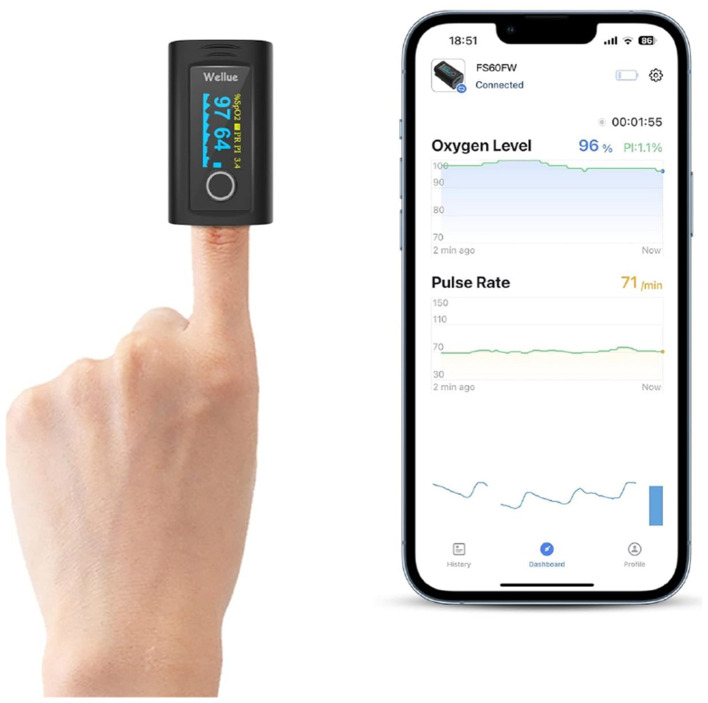 Figure 1
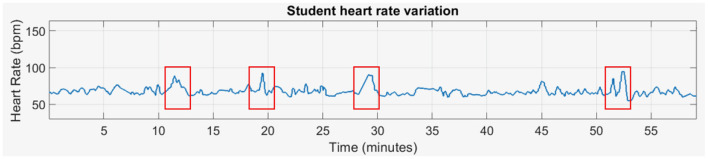 Figure 2
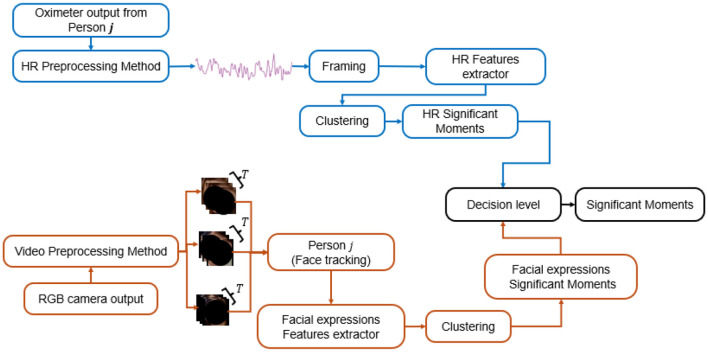 Figure 3
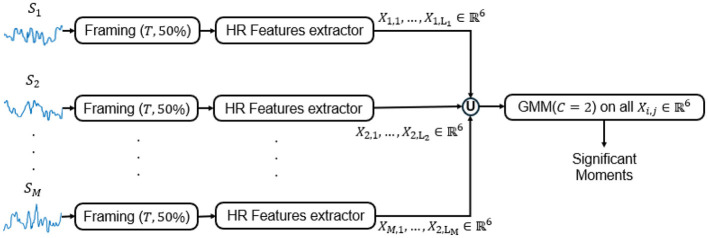 Figure 4
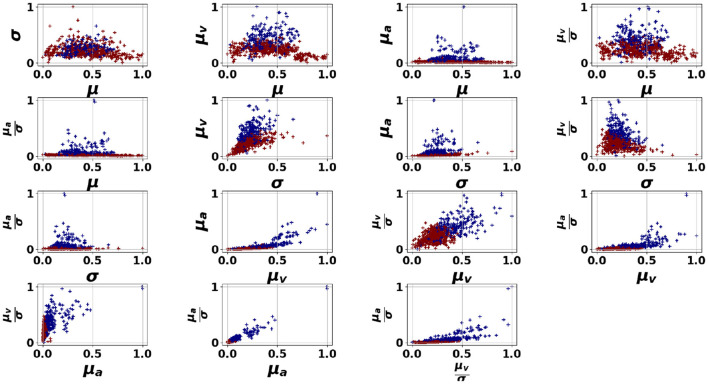 Figure 5
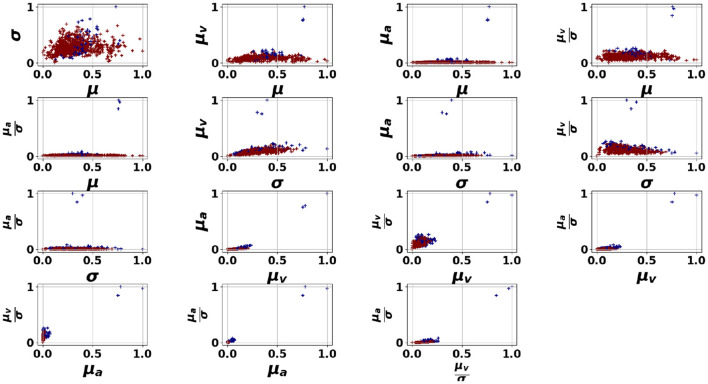 Figure 6
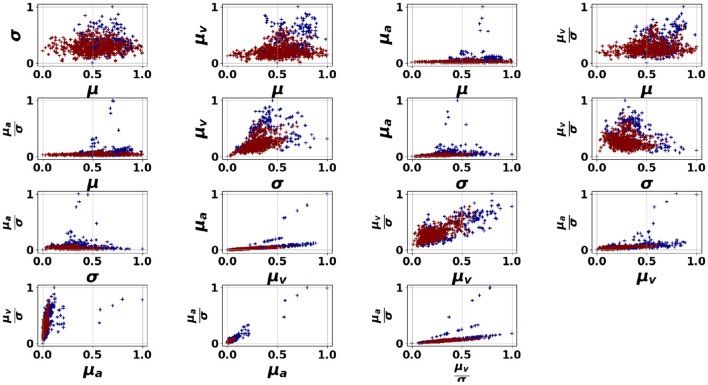 Figure 7
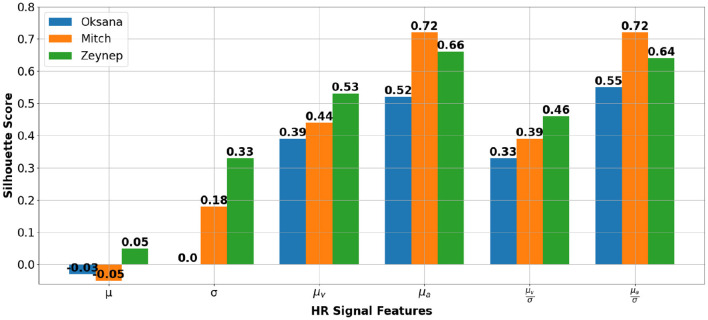 Figure 8
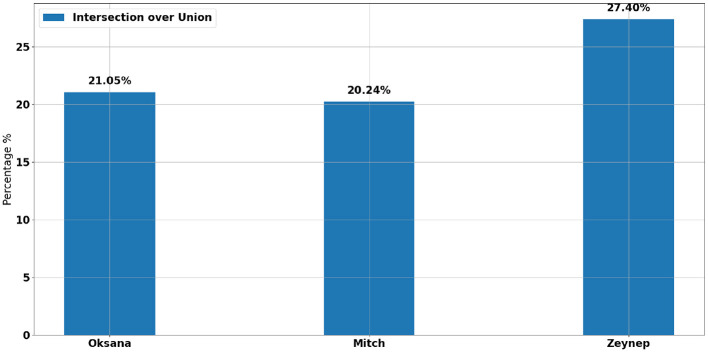 Figure 9
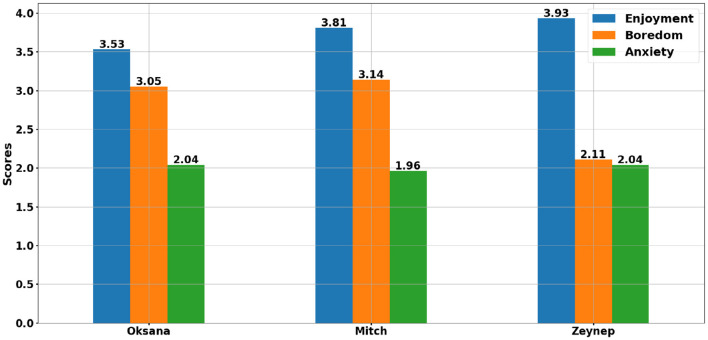 Figure 10
Peer Reviews
No public reviews on file for this paper yet. If you reviewed it on a platform where reviews are public (OpenReview, ICLR, NeurIPS, ICML), you can paste yours below so the community can read it here.
Videos
No videos yet. Explain this paper in a talk, walkthrough, or lecture? Add one.
Taxonomy
TopicsEmotion and Mood Recognition · Humor Studies and Applications · Emotional Intelligence and Performance