Development of a two-tube multiplex real-time fluorescent PCR for the simultaneous differentiation of the mpox virus clades and the A.1, B.1 and C.1 lineages within clade IIb
Guohao Fan, Yuanlong Lin, Liuqing Yang, Yun Peng, Guanyong Ou, Qi Qian, Dongmei Lai, Fuxiang Wang, Yingxia Liu, Yang Yang

TL;DR
Scientists developed a new PCR test to quickly and accurately identify different types of mpox virus, including newly emerging lineages.
Contribution
A two-tube multiplex real-time PCR assay with LNA probes for simultaneous differentiation of MPXV clades and IIb lineages.
Findings
The assay showed high sensitivity (33–69 copies/reaction) and specificity with low variation (CV < 5%).
Clinical validation showed 100% concordance for clade II differentiation and 97.6% for lineage differentiation.
The method enables efficient screening of diverse clinical samples and addresses false negatives in clade Ib detection.
Abstract
New clades and lineages emerged with the globally prevalent of Mpox virus (MPXV), accompanied by changing clinical symptoms, pathogenesis and transmission dynamics in associated with specific clades and lineages. Here, we developed a two tube multiplex real-time fluorescent quantitative PCR (mrt-qPCR) assay for simultaneous differentiation of MPXV clades Ia, Ib, II, and innovative binding lock nucleic acid (LNA) probes to detect A.1, B.1 and C.1 lineages within the clade IIb. The assay demonstrated high sensitivity (33–69 copies/reaction) and specificity with expected linearity and stability. The intra-assay and intre-assay coefficients of variations (CV) were below the acceptable threshold of 5%, and the mrt-qPCR method has good stability and reproducibility. Clinical validation using 109 qPCR positive, 1 clade IIb B.1 virus strain and 15 negative specimens revealed 100% concordance…
Genes, proteins, chemicals, diseases, species, mutations and cell lines named across the full text — each resolved to its canonical identifier and authoritative record.
Click any figure to enlarge with its caption.
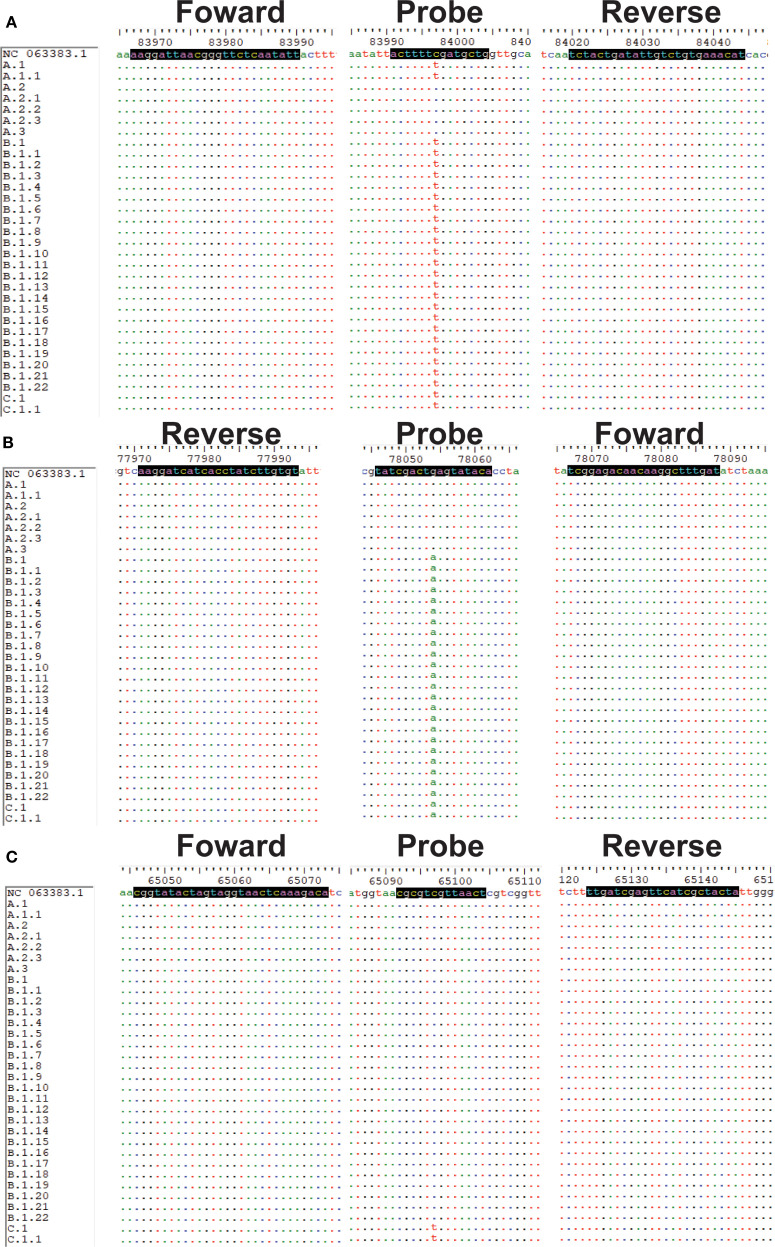 Figure 1
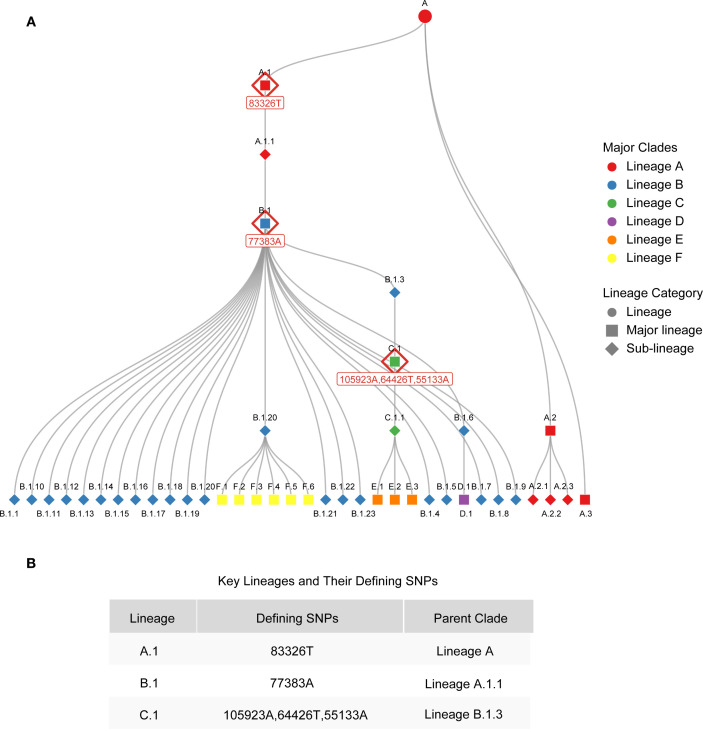 Figure 2
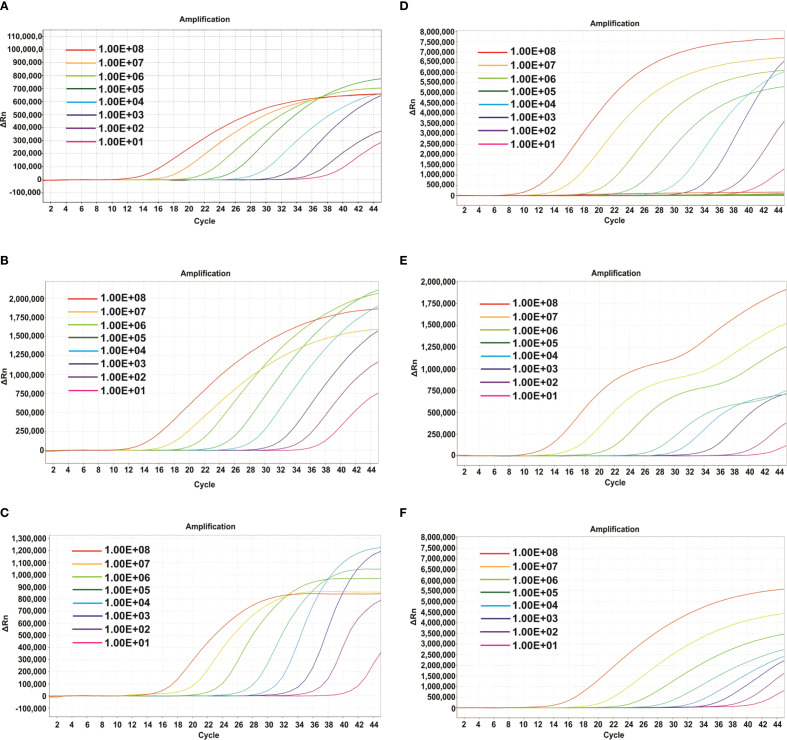 Figure 3
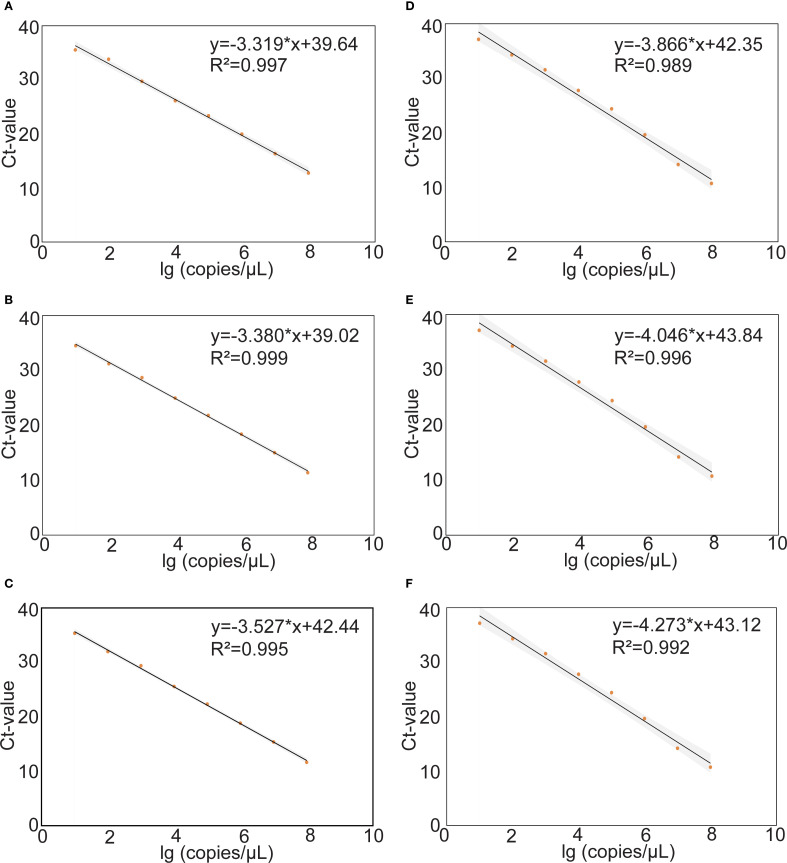 Figure 4
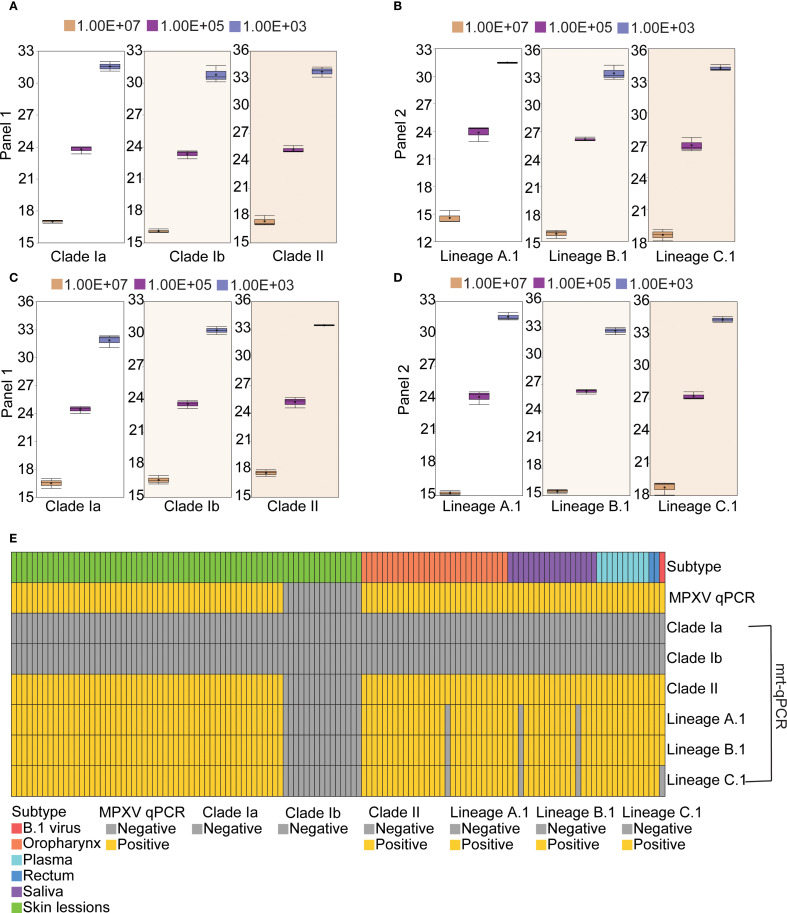 Figure 5
Peer Reviews
No public reviews on file for this paper yet. If you reviewed it on a platform where reviews are public (OpenReview, ICLR, NeurIPS, ICML), you can paste yours below so the community can read it here.
Videos
No videos yet. Explain this paper in a talk, walkthrough, or lecture? Add one.
Taxonomy
TopicsPoxvirus research and outbreaks · Herpesvirus Infections and Treatments · Bacillus and Francisella bacterial research