Clinical features and genetic analysis of acrodermatitis enteropathica in an ethnic minority infant from Western China: a case report and literature review
Tuerhongjiang Axirejiang, Gulinigeer Simayi, Abudushalamu Abuduwake, Yunxia Liu, Gang Zheng, Irshat Ibrahim

TL;DR
This paper reports the first case of acrodermatitis enteropathica in a Xinjiang ethnic minority infant, highlighting the role of SLC39A4 mutations and the effectiveness of zinc therapy.
Contribution
The first reported case of AE in a Xinjiang minority infant, emphasizing genetic testing and zinc therapy for early diagnosis and treatment.
Findings
A homozygous c.197G > T(p.C66F) mutation in the SLC39A4 gene was identified in the infant.
Zinc supplementation improved skin lesions, hair regrowth, and increased serum zinc levels.
The case highlights the importance of early genetic testing to prevent misdiagnosis in ethnic minority populations.
Abstract
Acrodermatitis enteropathy (AE) is a rare autosomal recessive disorder caused by mutations in the SLC39A4 gene. It is characterized by acral and perioral dermatitis, alopecia, and diarrhea. We reported the clinical features, genetic findings, and treatment response of a minority ethnic infant with AE from Xinjiang, China, and reviewed advances in AE management. A 10-month-old minority female infant presented with characteristic perioral, acral, and perianal erythematous erosions; alopecia; and diarrhea. Her serum zinc level significantly decreased (0.19 mg/L). Whole-exome sequencing revealed a homozygous c.197G > T(p. C66F) mutation in the SLC39A4 gene. Her skin lesions improved, her hair regrew, and her serum zinc level increased to 0.62 mg/L following zinc supplementation (3 mg/kg/d) and comprehensive treatment. This is the first case of AE in a Xinjiang minority infant and…
Genes, proteins, chemicals, diseases, species, mutations and cell lines named across the full text — each resolved to its canonical identifier and authoritative record.
Click any figure to enlarge with its caption.
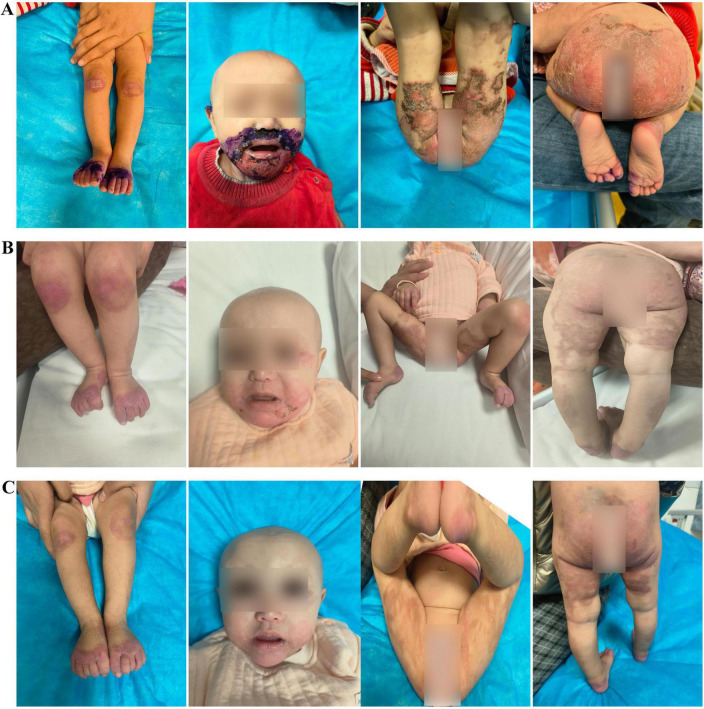 Figure 1
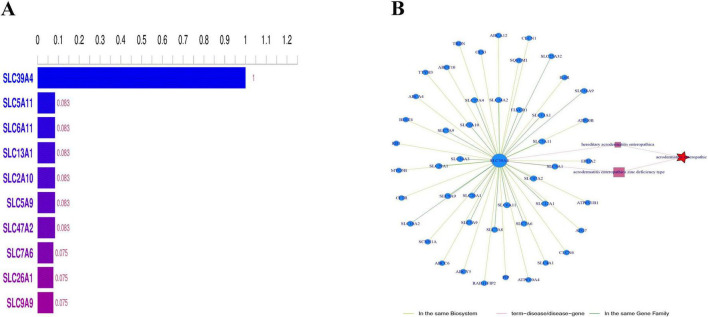 Figure 2
Peer Reviews
No public reviews on file for this paper yet. If you reviewed it on a platform where reviews are public (OpenReview, ICLR, NeurIPS, ICML), you can paste yours below so the community can read it here.
Videos
No videos yet. Explain this paper in a talk, walkthrough, or lecture? Add one.
Taxonomy
TopicsTrace Elements in Health · Food Allergy and Anaphylaxis Research · Aluminum toxicity and tolerance in plants and animals