Case Report: Cranial intradural chordoma following extradural spinal chordoma
Ramazan Sarı, Mehmet Osman Akçakaya, Kadir Özyılmaz, Yasin Temel, Ilhan Elmacı

TL;DR
This case report describes a rare instance of a brain chordoma developing six years after a spinal chordoma, highlighting its unusual location and clinical presentation.
Contribution
The novelty lies in reporting the first documented case of a cranial intradural chordoma away from the midline following an extradural spinal chordoma.
Findings
A 67-year-old male developed hemiparesis and hemihypoesthesia six years after spinal chordoma surgery.
MRI and histopathology confirmed an intradural chordoma in the frontoparietal area, a first for this location.
This case expands the known clinical spectrum and behavior of chordomas.
Abstract
Chordomas are rare, locally invasive, and slow-growing neoplasms that originate from remnants of the primitive notochord. They account for approximately 1% of all intracranial tumors and are typically found in the sacrococcygeal region or at the skull base. Purely intradural intracranial chordomas are exceptionally rare, with only 67 cases documented to date, to the best of our knowledge. These tumors are generally situated near the midline. We present the case of a 67-year-old male who developed hemiparesis and hemihypoesthesia 6 years after undergoing surgery for a classical spinal chordoma that was purely extradural. Magnetic resonance imaging revealed a mass in the frontoparietal area, initially suggestive of an intraaxial tumor. However, intraoperative findings indicated that the lesion was extraaxial, and histopathological evaluation confirmed it as an intradural chordoma. To our…
Genes, proteins, chemicals, diseases, species, mutations and cell lines named across the full text — each resolved to its canonical identifier and authoritative record.
Click any figure to enlarge with its caption.
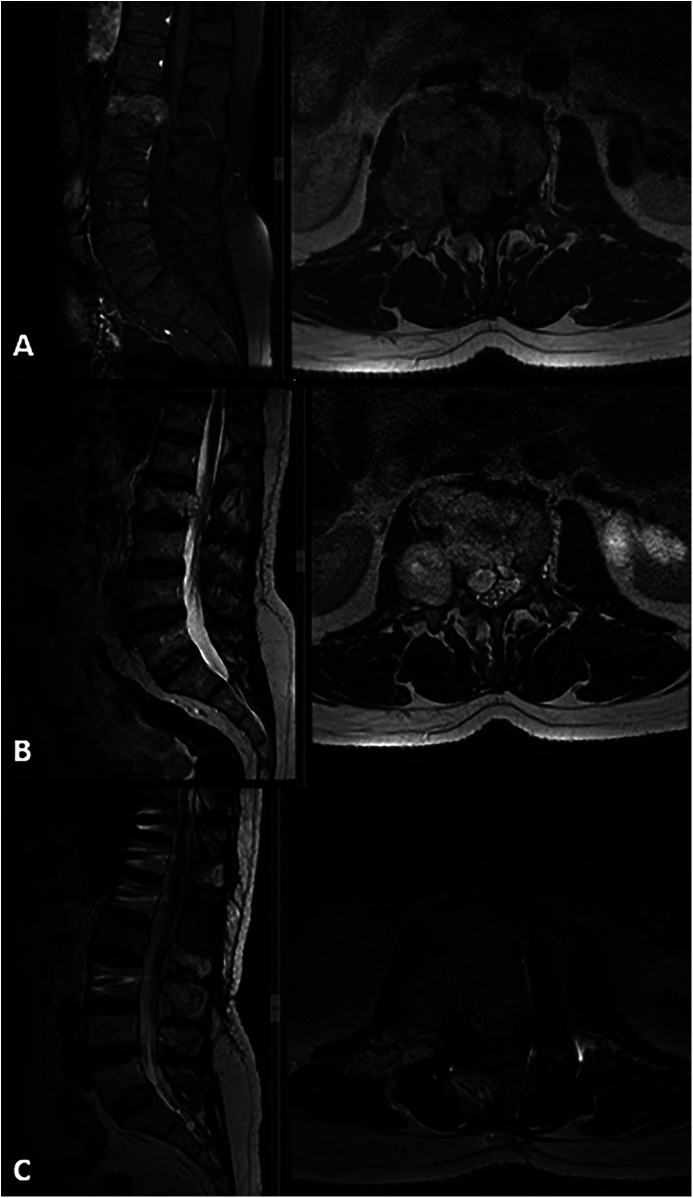 Figure 1
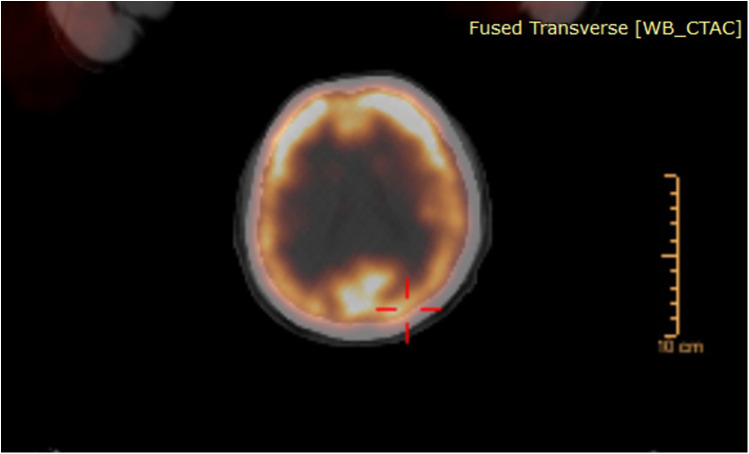 Figure 2
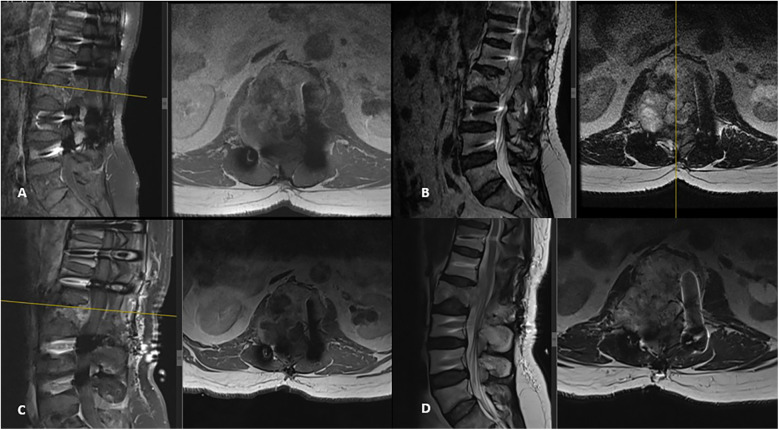 Figure 3
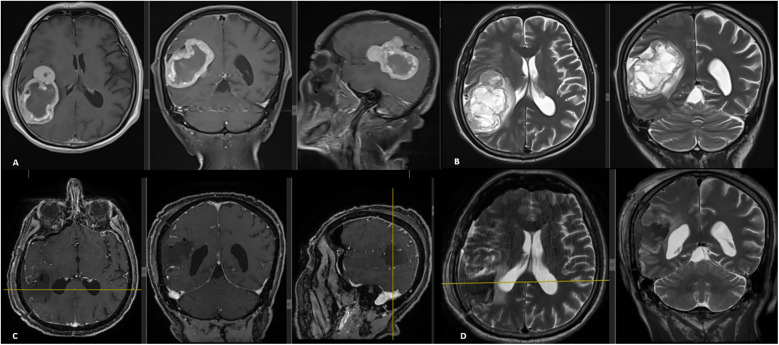 Figure 4
Peer Reviews
No public reviews on file for this paper yet. If you reviewed it on a platform where reviews are public (OpenReview, ICLR, NeurIPS, ICML), you can paste yours below so the community can read it here.
Videos
No videos yet. Explain this paper in a talk, walkthrough, or lecture? Add one.
Taxonomy
TopicsBone Tumor Diagnosis and Treatments · Sarcoma Diagnosis and Treatment · Oral and Maxillofacial Pathology