Complete deletion of the Chlamydia muridarum putative cytotoxin locus reveals contributions during invasion in tissue culture and oviduct pathology during murine genital tract infection
Lucie H. Berclaz, Gracie Eicher, Grace Wieselquist, Akosua Frimpong, Aria Mallare, Rebeccah S. Lijek, Kenneth A. Fields

TL;DR
Deleting three putative cytotoxin genes in Chlamydia muridarum reduced its ability to invade cells and cause oviduct damage in mice, though it did not affect overall infection levels.
Contribution
This study is the first to demonstrate the role of putative cytotoxins in cellular invasion and genital tract pathology using a complete deletion in C. muridarum.
Findings
Deletion of TC0437–0439 reduced invasion efficiency in tissue culture.
The null strain caused less oviduct pathology in murine genital tract infections.
Bacterial burden in the upper genital tract was unaffected by the deletion.
Abstract
Chlamydiaceae is a family of obligate intracellular bacteria that infect a wide range of human and animal hosts. Chlamydia muridarum is a murine-specific species that has been leveraged as an efficacious model of disease mediated by human-specific Chlamydia trachomatis. Genes within the plasticity zone, a region of the chromosome with increased genetic variation across species and serovars, are speculated to contribute to species-specific pathogenesis. C. muridarum expresses three homologous proteins (TC0437–0439) that show similarity to large clostridial cytotoxins. The putative chlamydial cytotoxins have been proposed to mediate immediate toxicity in highly infected epithelial cells by interfering with actin polymerization. We utilized FRAEM mutagenesis to delete all three putative cytotoxins (tc0437–0439). The null strain retained immediate cytotoxicity but exhibited decreased…
Genes, proteins, chemicals, diseases, species, mutations and cell lines named across the full text — each resolved to its canonical identifier and authoritative record.
Click any figure to enlarge with its caption.
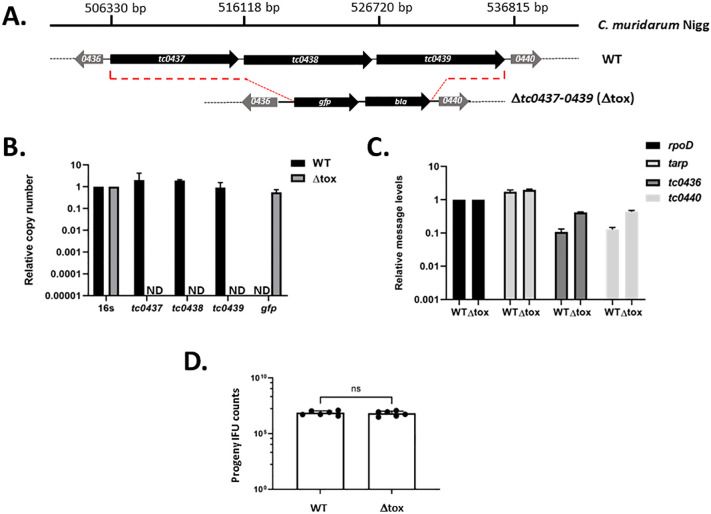 Figure 1
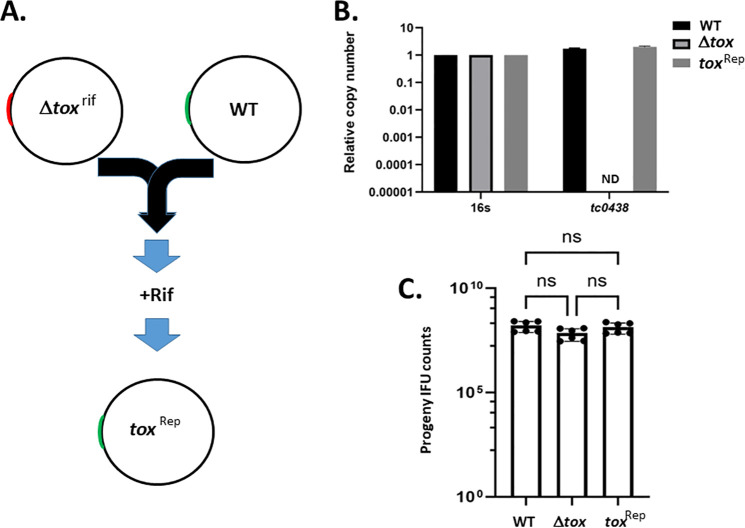 Figure 2
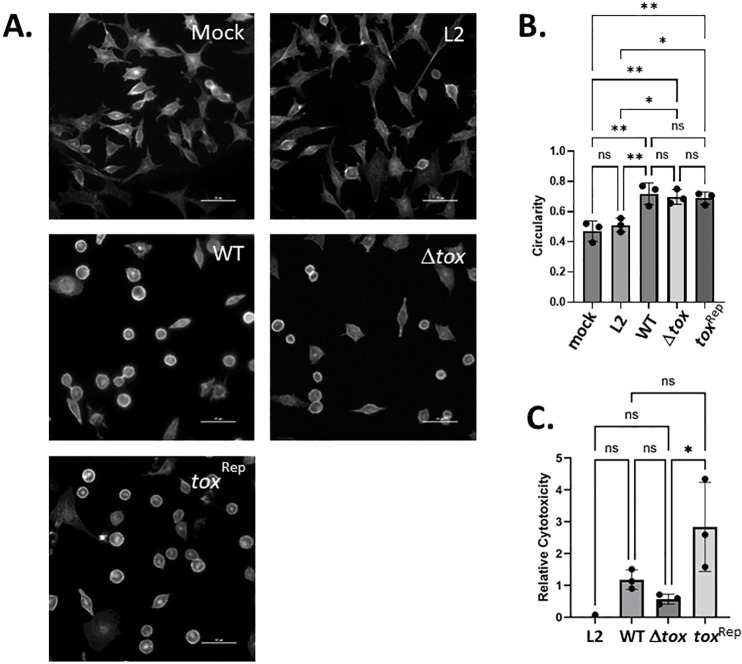 Figure 3
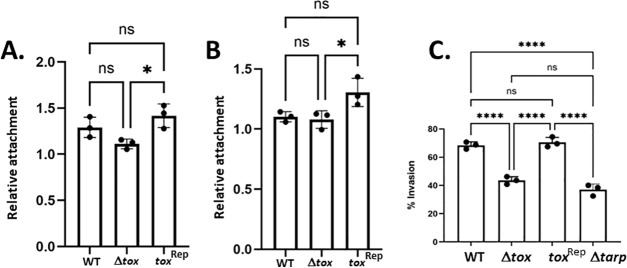 Figure 4
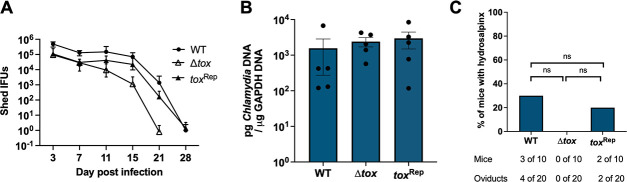 Figure 5
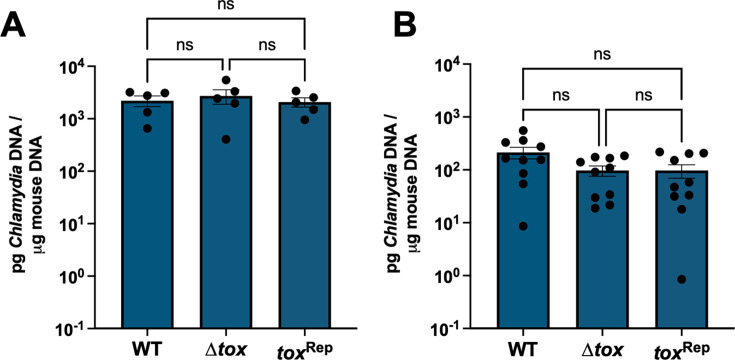 Figure 6
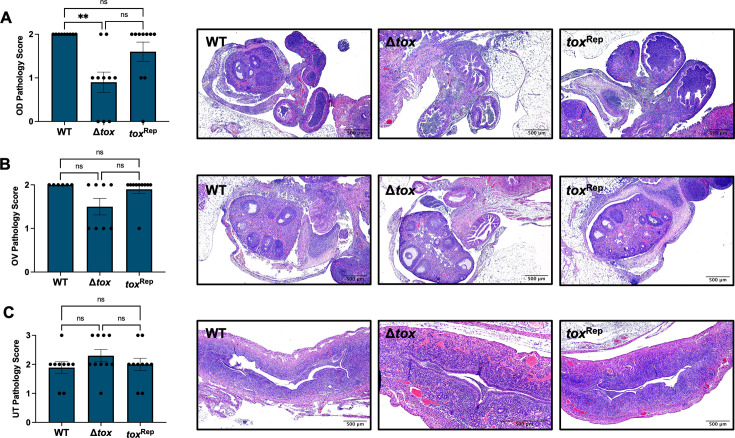 Figure 7
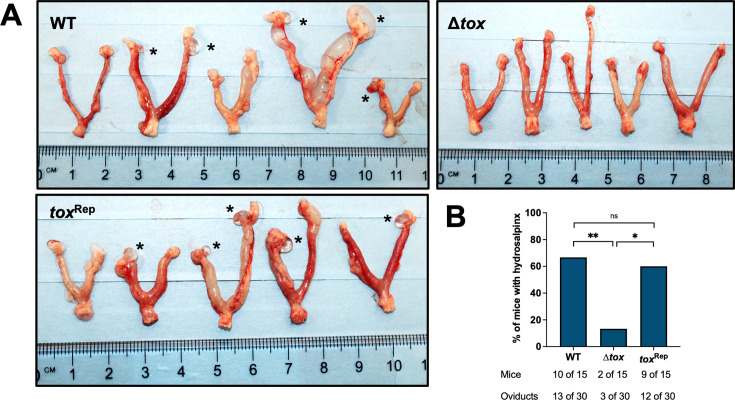 Figure 8
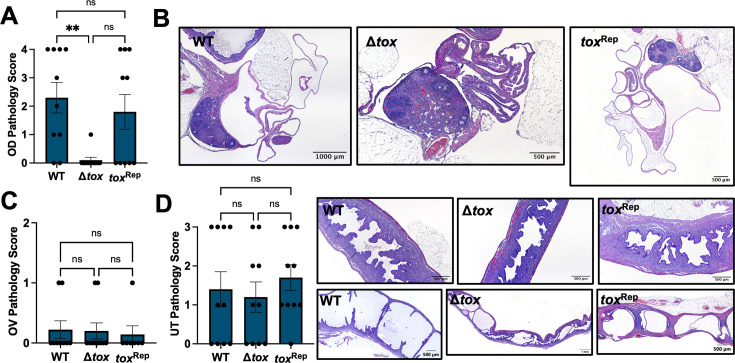 Figure 9
Peer Reviews
No public reviews on file for this paper yet. If you reviewed it on a platform where reviews are public (OpenReview, ICLR, NeurIPS, ICML), you can paste yours below so the community can read it here.
Videos
No videos yet. Explain this paper in a talk, walkthrough, or lecture? Add one.
Taxonomy
TopicsReproductive tract infections research · Urinary Tract Infections Management · Cervical Cancer and HPV Research