The host calcium system contributes to intracellular Rickettsia pathogenesis
Jinyi C. Zhu, Jack H. Cook, Mustapha Dahmani, Sean P. Riley

TL;DR
This study shows that calcium channel blockers, commonly used for heart conditions, can inhibit the growth of Rickettsia bacteria inside host cells by disrupting their actin polymerization.
Contribution
The study identifies calcium channel blockers as potential host-targeted therapeutics against Rickettsia by revealing their impact on rickettsial actin polymerization.
Findings
CCBs inhibit Rickettsia proliferation within endothelial cells.
Disruption of host Ca2+ equilibrium also disrupts Rickettsia growth.
CCBs significantly disrupt Rickettsia's ability to polymerize actin.
Abstract
Bacteria in the genus Rickettsia are obligate intracellular parasites of the eukaryotic cytoplasm. Pathogenic Rickettsia species are exquisitely evolved to only proliferate within eukaryotic host cells, particularly within endothelial cells of the mammalian vasculature. Through evolution in this very specific niche, Rickettsia have developed an inextricable dependence on multiple host functions. This absolute dependence on host cell biology offers a potential strategy for antibacterial development called host-targeted therapeutics. A previous screen of compounds that specifically target mammalian cell biology indicated that host-targeted calcium channel blockers (CCBs) inhibit Rickettsia conorii proliferation within human cells. CCBs are routinely prescribed to human patients as antihypertensives or antianginals that function by disrupting the calcium ion equilibrium in vesicula/cardiac…
Genes, proteins, chemicals, diseases, species, mutations and cell lines named across the full text — each resolved to its canonical identifier and authoritative record.
Click any figure to enlarge with its caption.
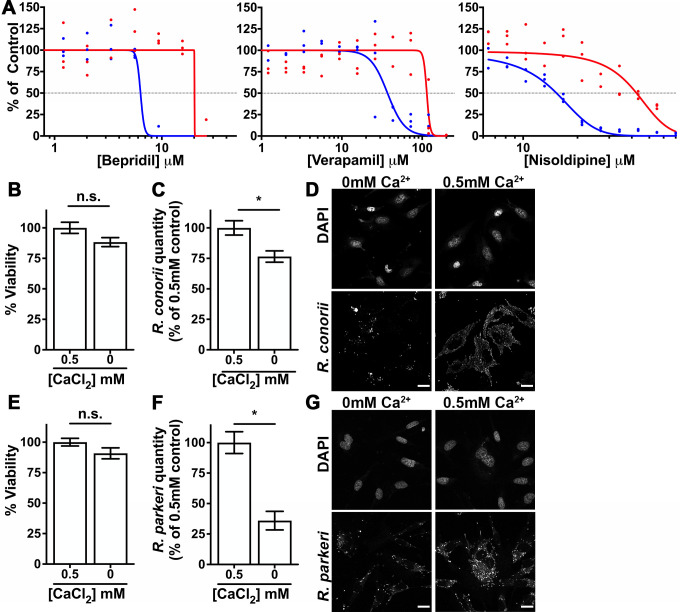 Figure 1
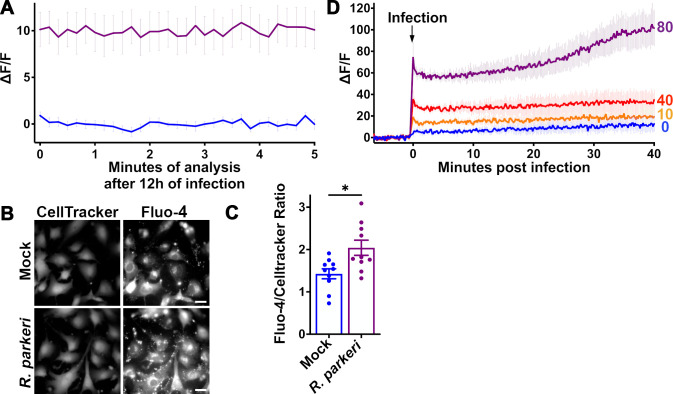 Figure 2
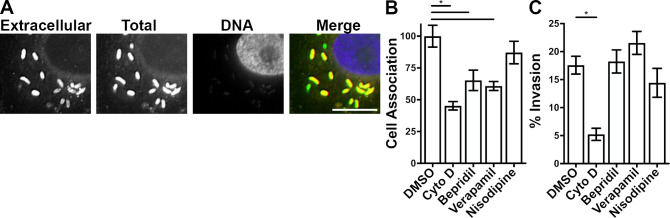 Figure 3
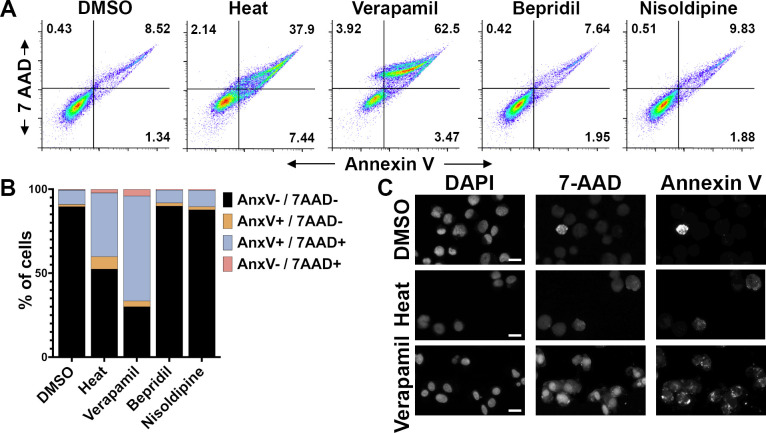 Figure 4
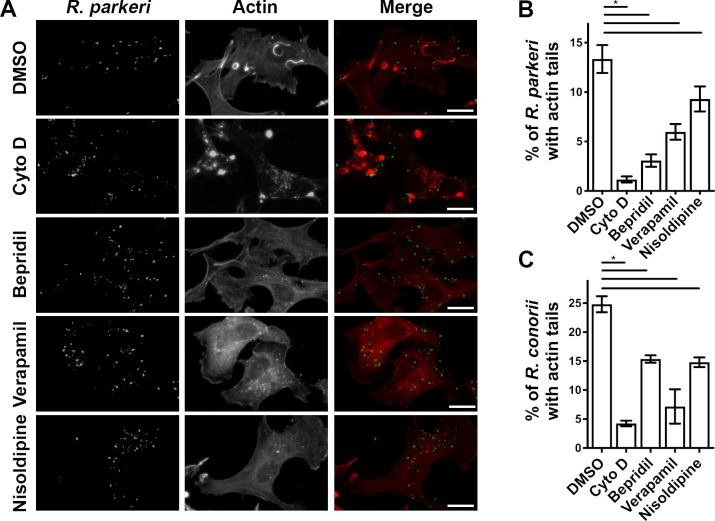 Figure 5
 Figure 6
 Figure 7
Peer Reviews
No public reviews on file for this paper yet. If you reviewed it on a platform where reviews are public (OpenReview, ICLR, NeurIPS, ICML), you can paste yours below so the community can read it here.
Videos
No videos yet. Explain this paper in a talk, walkthrough, or lecture? Add one.
Taxonomy
TopicsVector-borne infectious diseases · Yersinia bacterium, plague, ectoparasites research · Insect and Pesticide Research