Long non-coding RNA U90926 modulates IFN-γ-stimulated gene transcription and cell-intrinsic anti-Cryptosporidium defense in intestinal epithelial cells
Marion L. Graham, Ai-Yu Gong, Kehua Jin, Chansorena Pok, Zinat Sharmin, Juliane K. Strauss-Soukup, Xian-Ming Chen

TL;DR
A long non-coding RNA called U90926 helps the Cryptosporidium parasite by suppressing immune defenses in intestinal cells.
Contribution
U90926 modulates IFN-γ-stimulated gene transcription via epigenetic mechanisms to aid Cryptosporidium infection.
Findings
Inhibition of U90926 increases expression of IFN-γ-stimulated genes Irgm2, Igtp, and Iigp1.
U90926 interacts with Ehmt2 to alter histone modifications in defense gene promoters.
U90926 knockout enhances IFN-γ-mediated inhibition of Cryptosporidium infection.
Abstract
Cryptosporidium infects the intestine in a wide variety of vertebrates, and intestinal epithelial cells provide the first line of defense against Cryptosporidium infection. Interferon gamma (IFN-γ) from immune cells infiltrated at the site of infection plays a key role in the epithelial cell-intrinsic defense. Nevertheless, the success of the parasite is the result of its ability to evade the host immune responses. Increasing evidence suggests that long noncoding RNAs (lncRNA) participate in host-pathogen interactions, but the underlying mechanisms are not fully understood. We previously demonstrated that lncRNA U90926 is upregulated in response to infection but appears to be playing a pro-parasitic role given its ability to repress transcription of defense genes and aid the parasite during infection. We show here that inhibition of U90926 during Cryptosporidium infection increased…
Genes, proteins, chemicals, diseases, species, mutations and cell lines named across the full text — each resolved to its canonical identifier and authoritative record.
Click any figure to enlarge with its caption.
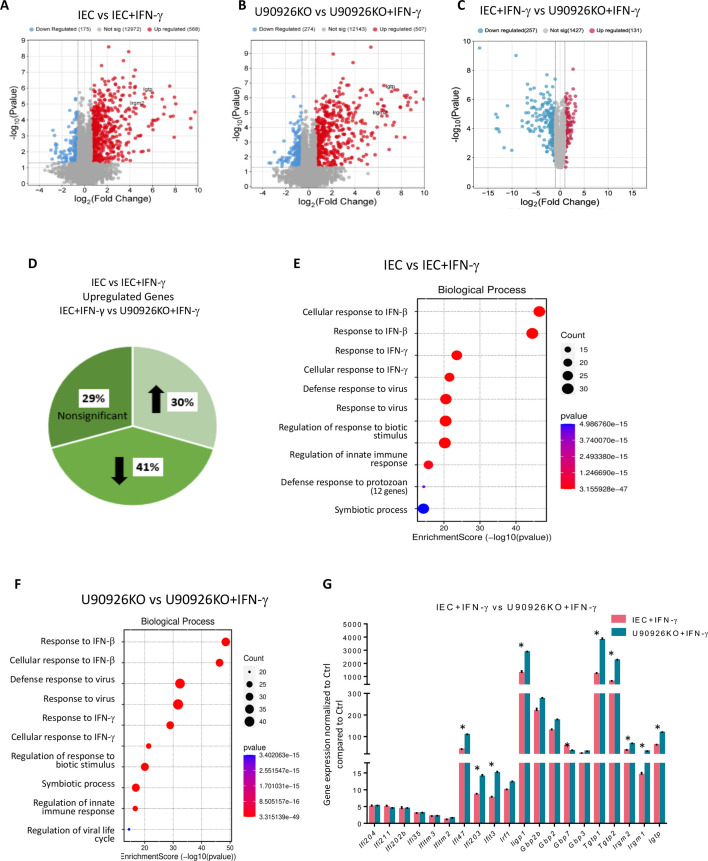 Figure 1
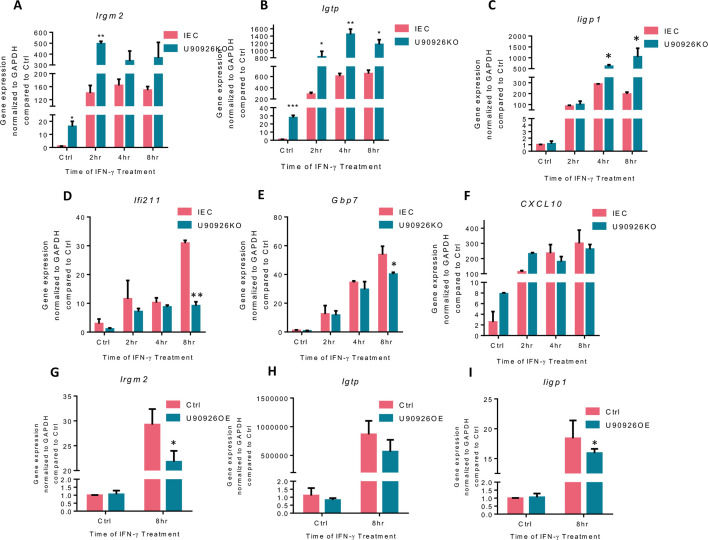 Figure 2
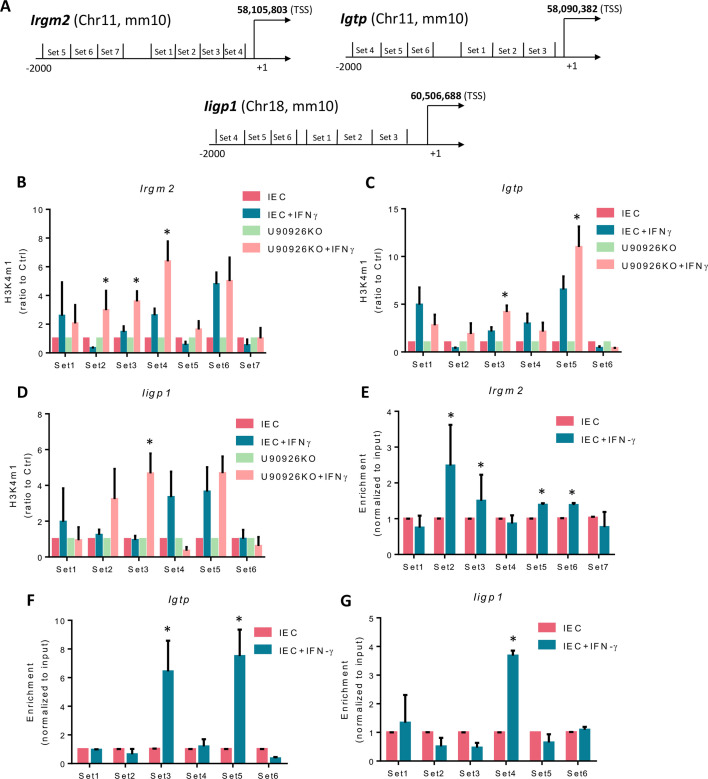 Figure 3
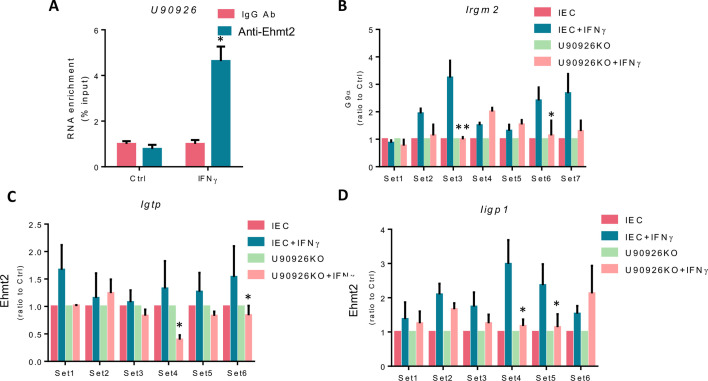 Figure 4
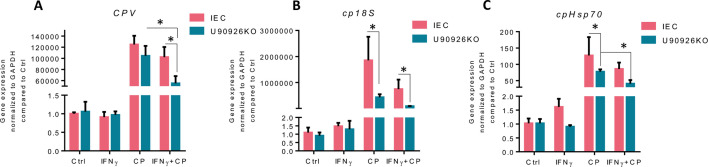 Figure 5
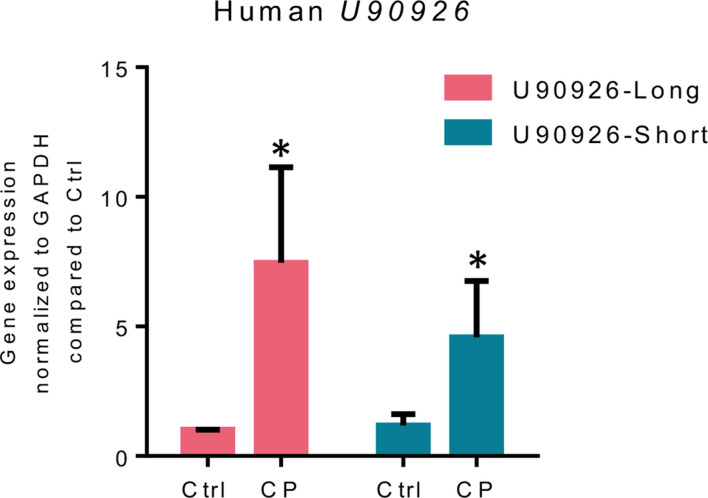 Figure 6
Peer Reviews
No public reviews on file for this paper yet. If you reviewed it on a platform where reviews are public (OpenReview, ICLR, NeurIPS, ICML), you can paste yours below so the community can read it here.
Videos
No videos yet. Explain this paper in a talk, walkthrough, or lecture? Add one.
Taxonomy
TopicsParasitic Infections and Diagnostics · Cancer-related molecular mechanisms research · Mycobacterium research and diagnosis