Prevalence and risk of adverse intrapartum-related outcomes in Uganda: a cross-sectional study with nested case–control
Phillip Wanduru, Manuela Straneo, Samantha Sadoo, Cally J Tann, Angelina Mwesige Kakooza, Rolland Mutumba, Kristi Sidney Annerstedt, Peter Waiswa, Claudia Hanson

TL;DR
This study in Uganda finds that intrapartum complications are common and lead to poor outcomes for newborns, with emergency interventions not always effective in reducing risks.
Contribution
The study identifies specific maternal risk factors and evaluates the effectiveness of emergency interventions in reducing intrapartum-related neonatal encephalopathy.
Findings
10.2% of births had adverse perinatal outcomes, with the highest rates among mothers with antepartum haemorrhage or prolonged/obstructed labour.
Emergency caesarean section reduced the risk of IP-NE in cases of prolonged/obstructed labour but not in other risk groups.
Emergency interventions may not be timely or effective enough to prevent IP-NE in most obstetric risk groups.
Abstract
Intrapartum-related complications are a leading cause of adverse perinatal outcomes, including stillbirths, neonatal deaths and intrapartum-related neonatal encephalopathy (IP-NE). We assessed the prevalence of adverse intrapartum-related outcomes, evaluated the association between IP-NE and obstetric and fetal risk factors, and examined whether emergency referral and emergency caesarean section (CS) modified this association through interaction effects. Cross-sectional with a nested case–control study. Two hospitals in rural Eastern Uganda. Women giving birth to a live or stillborn baby weighing >2000 g between June and December 2022. We used prospectively collected perinatal e-registry data to assess the prevalence of adverse perinatal outcomes. Logistic regression with interaction with postregression margins analysis was used to determine the association between IP-NE and…
Genes, proteins, chemicals, diseases, species, mutations and cell lines named across the full text — each resolved to its canonical identifier and authoritative record.
Click any figure to enlarge with its caption.
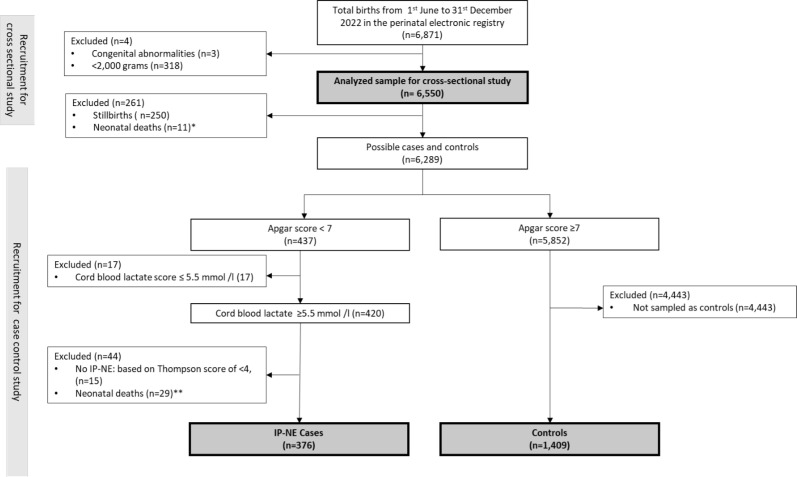 Figure 1
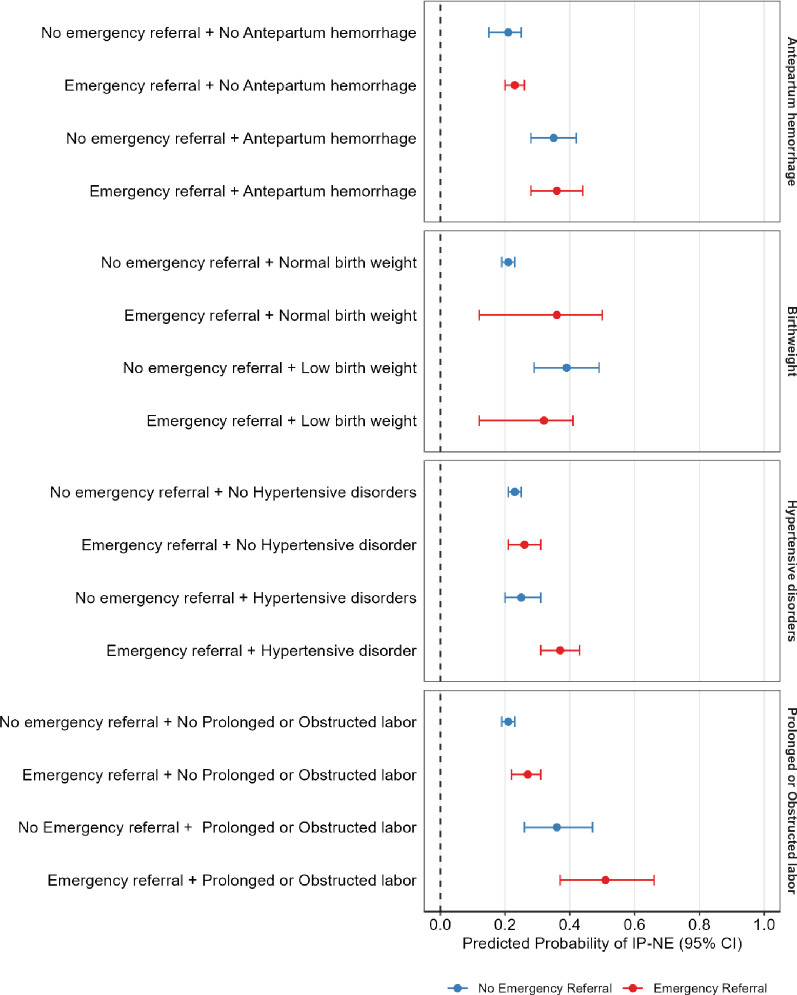 Figure 2
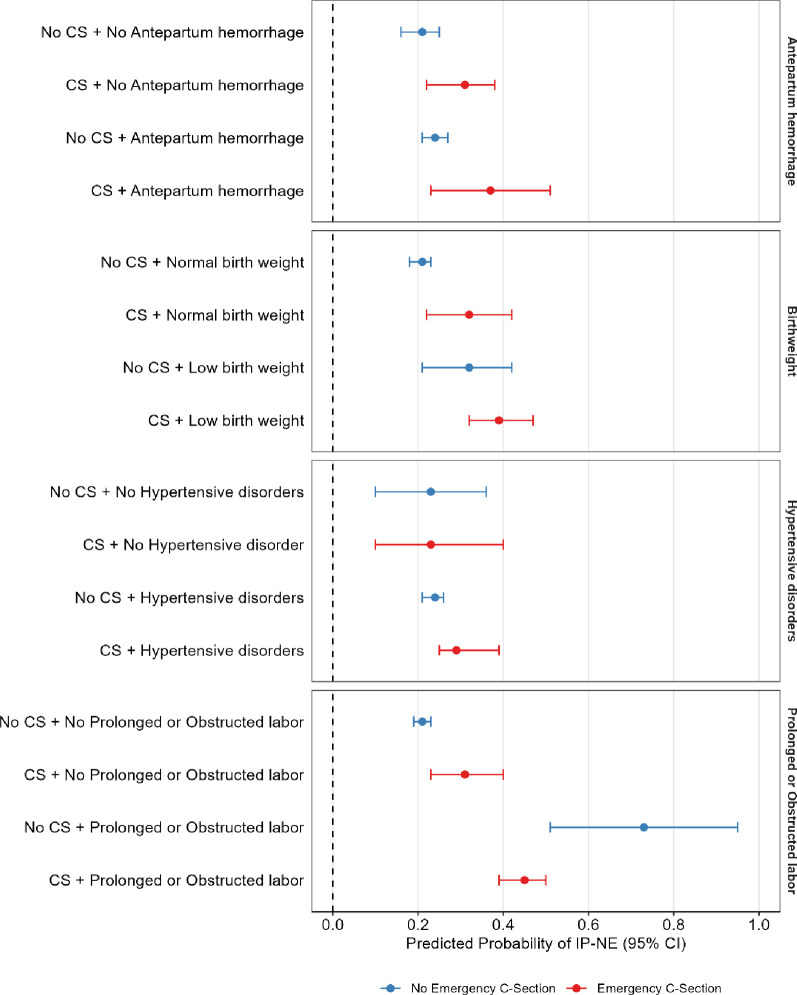 Figure 3
Peer Reviews
No public reviews on file for this paper yet. If you reviewed it on a platform where reviews are public (OpenReview, ICLR, NeurIPS, ICML), you can paste yours below so the community can read it here.
Videos
No videos yet. Explain this paper in a talk, walkthrough, or lecture? Add one.
Taxonomy
TopicsGlobal Maternal and Child Health