Evaluating and optimizing hearing-aid self-fitting methods using population coverage
Dhruv Vyas, Erik Jorgensen, Yu-Hsiang Wu, Octav Chipara

TL;DR
This paper introduces a new way to design self-fitting hearing aids by evaluating how well they meet the needs of a wide range of users.
Contribution
A novel metric called population coverage is proposed to evaluate and optimize self-fitting hearing aid methods.
Findings
The proposed metric estimates the fraction of users who can find a preferred configuration using self-fitting methods.
Algorithms that maximize population coverage outperform clustering-based approaches in simulations.
The tools can help reduce development costs by evaluating designs before user studies.
Abstract
Adults with mild-to-moderate hearing loss can use over-the-counter hearing aids to treat their hearing loss at a fraction of traditional hearing care costs. These products incorporate self-fitting methods that allow end-users to configure their hearing aids without the help of an audiologist. A self-fitting method helps users configure the gain-frequency responses that control the amplification for each frequency band of the incoming sound. This paper considers how to guide the design of self-fitting methods by evaluating certain aspects of their design using computational tools before performing user studies. Most existing fitting methods provide various user interfaces to allow users to select a configuration from a predetermined set of presets. Accordingly, it is essential for the presets to meet the hearing needs of a large fraction of users who suffer from varying degrees of…
Genes, proteins, chemicals, diseases, species, mutations and cell lines named across the full text — each resolved to its canonical identifier and authoritative record.
Click any figure to enlarge with its caption.
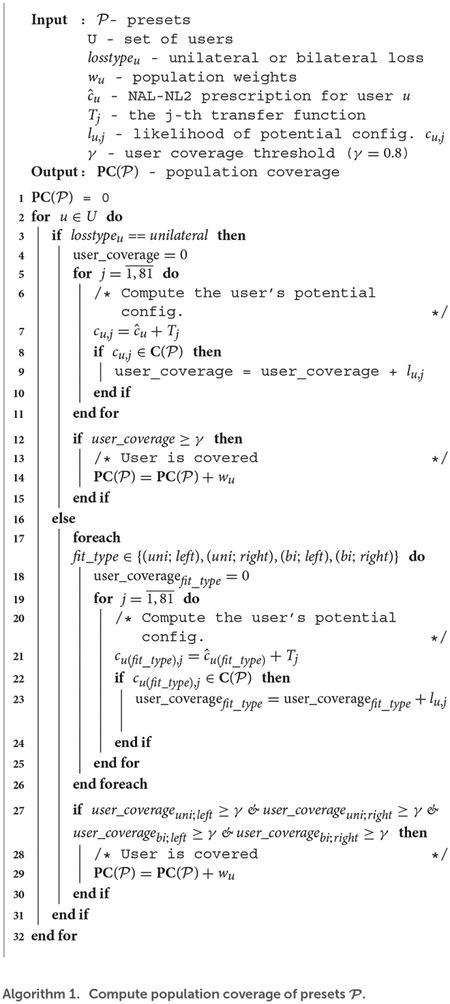 Figure 1
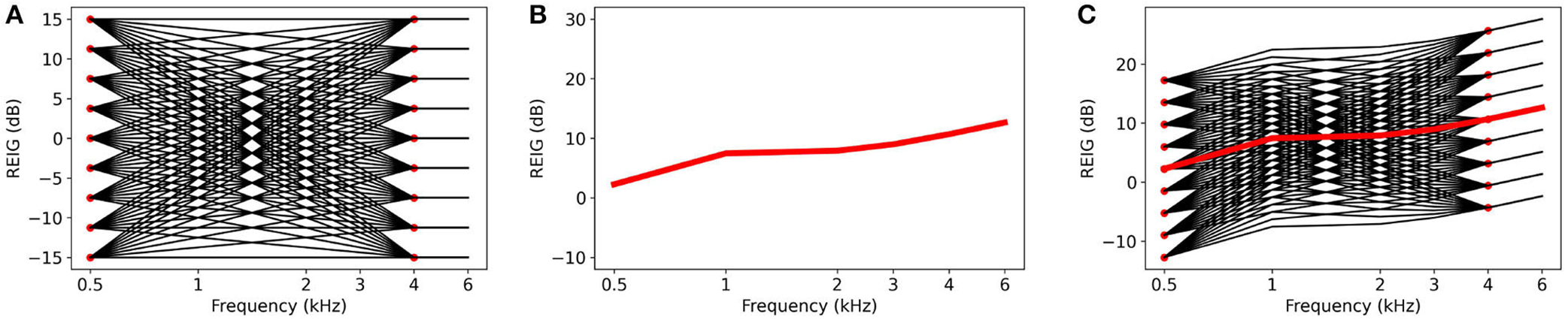 Figure 2
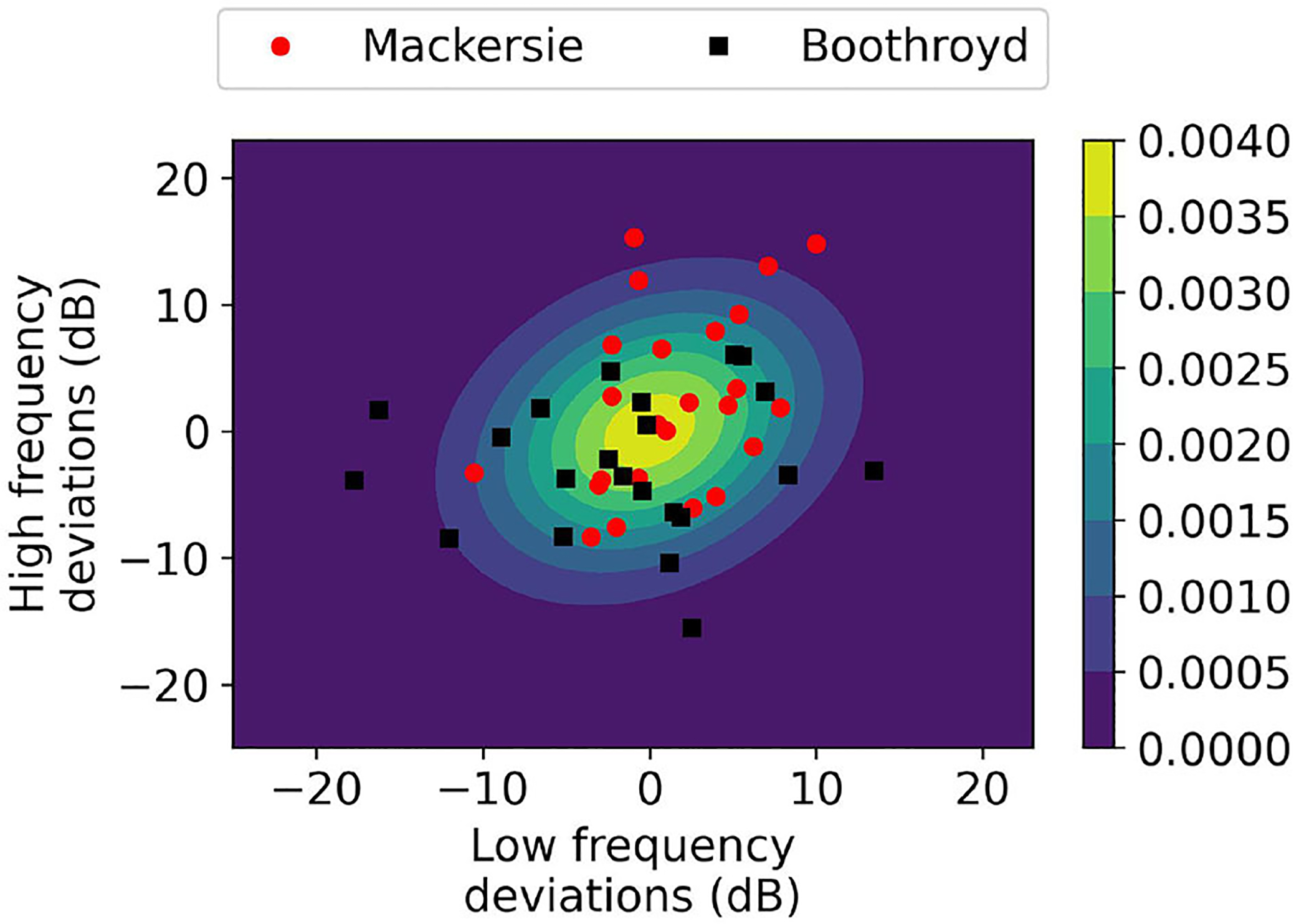 Figure 3
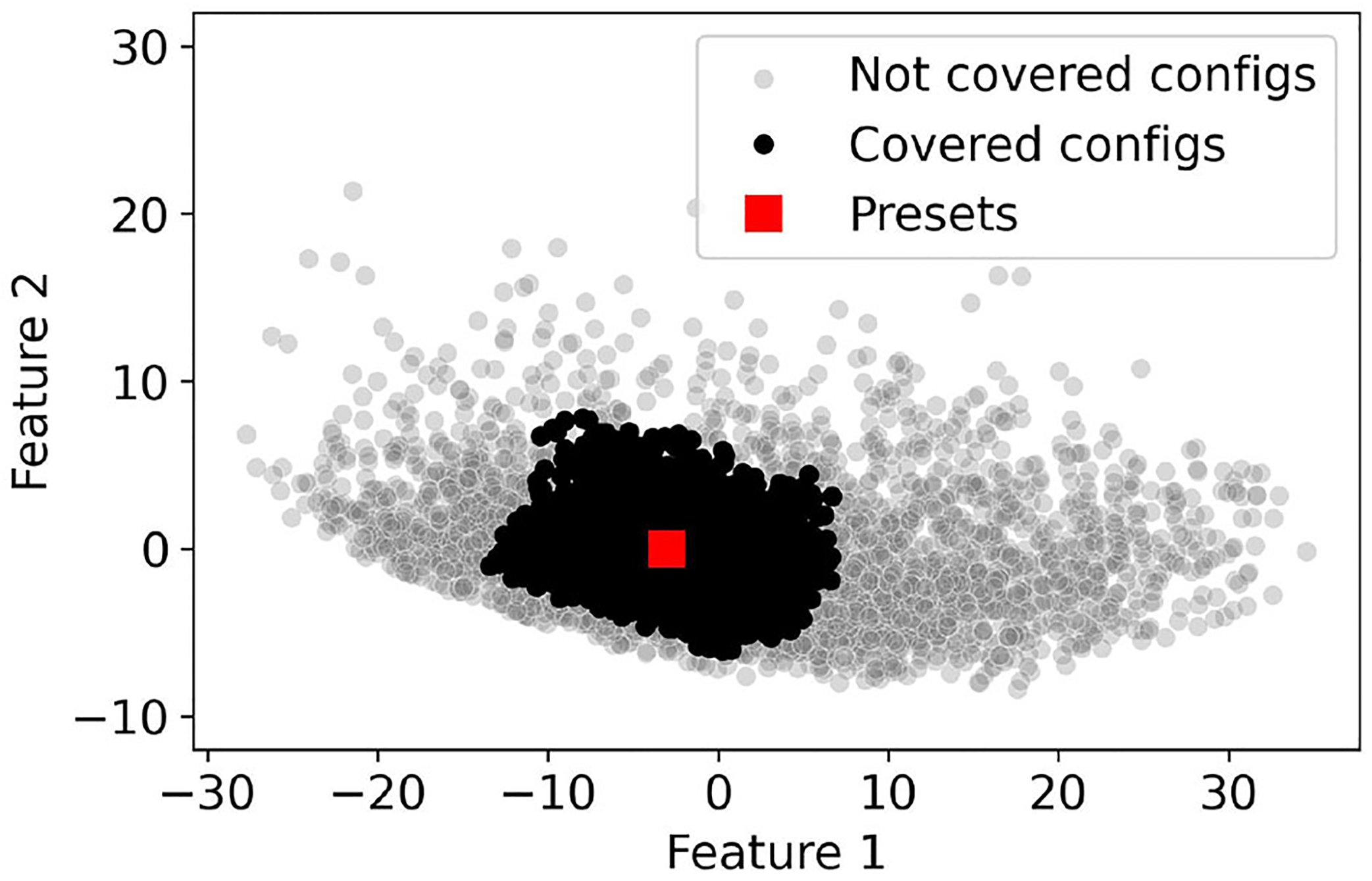 Figure 4
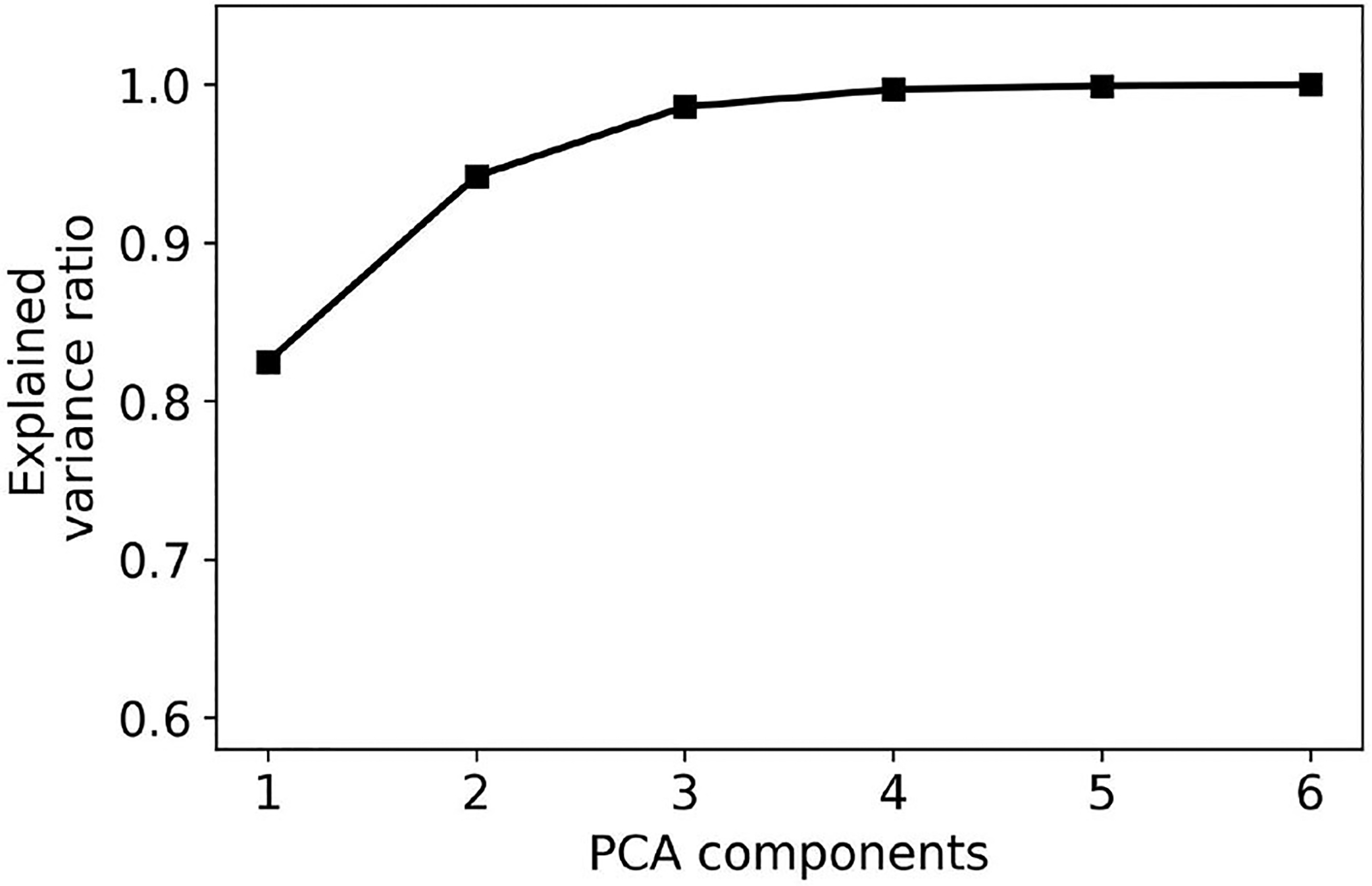 Figure 5
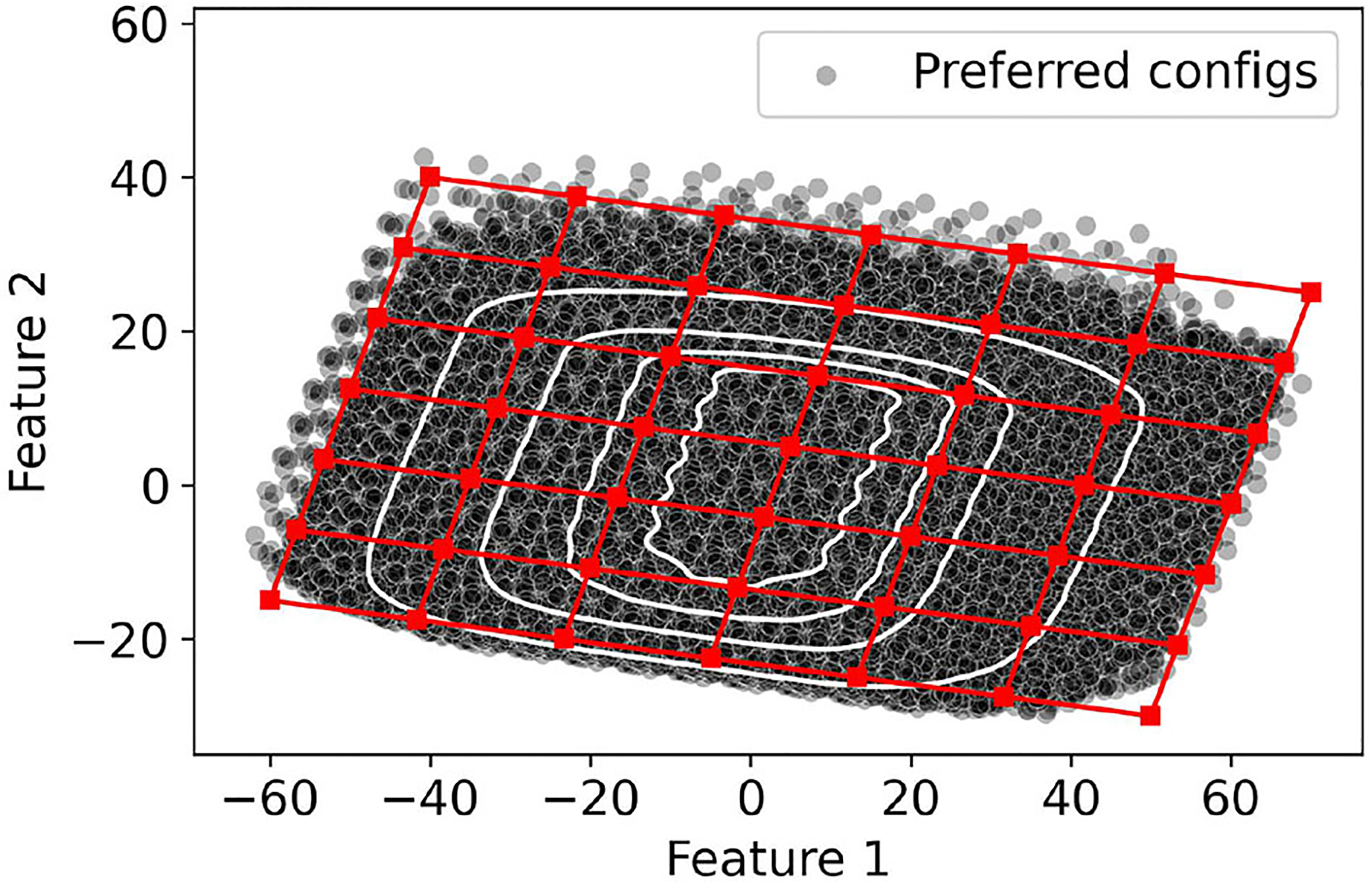 Figure 6
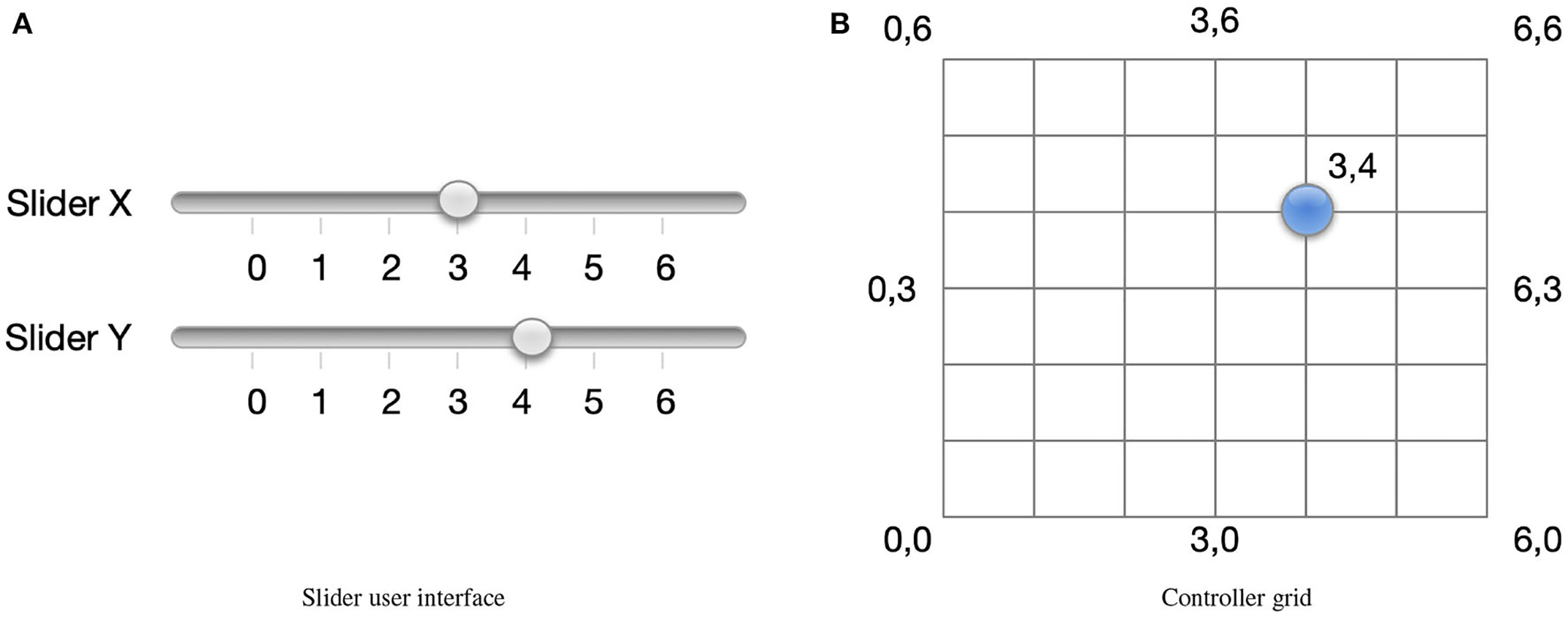 Figure 7
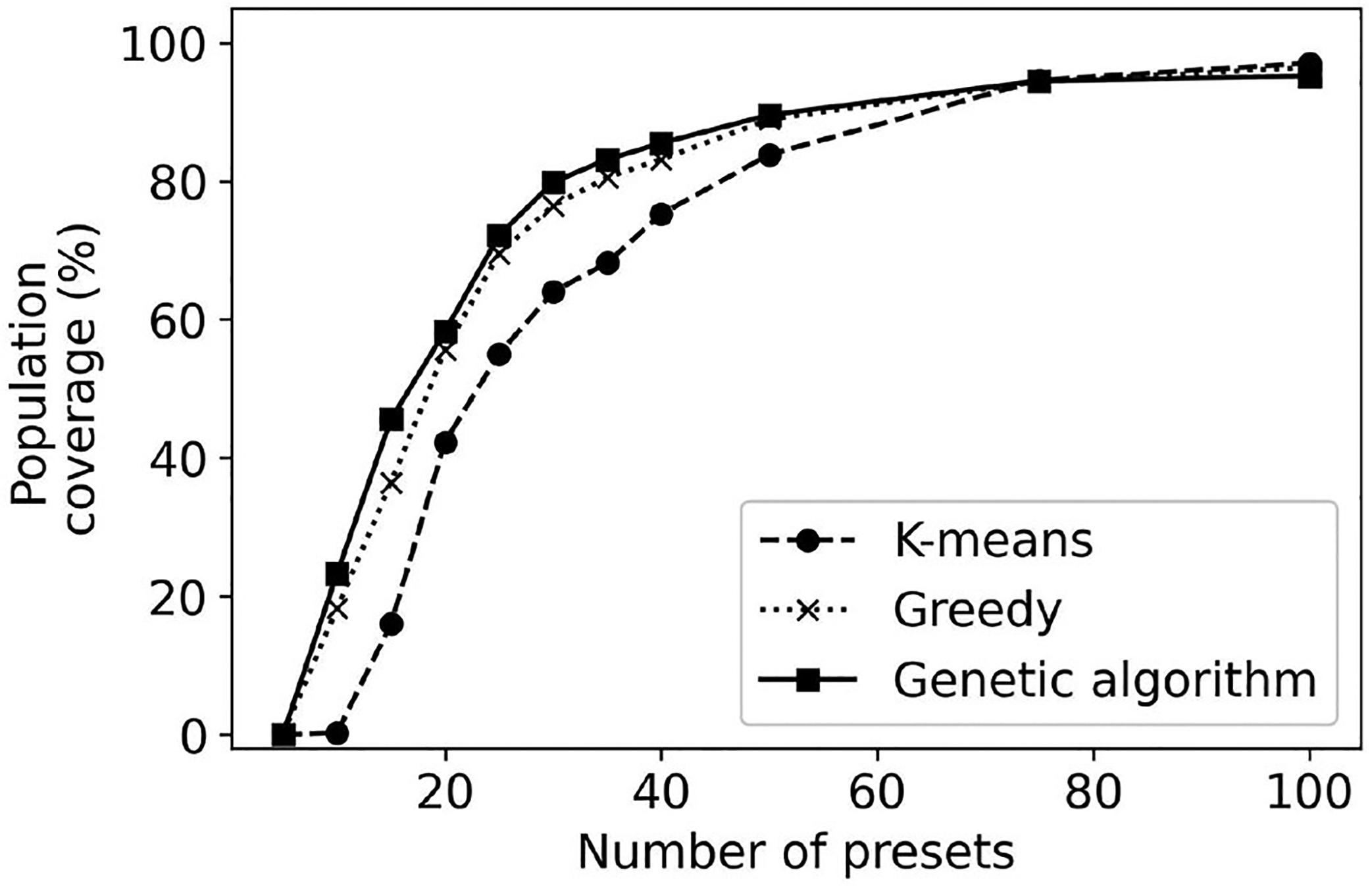 Figure 8
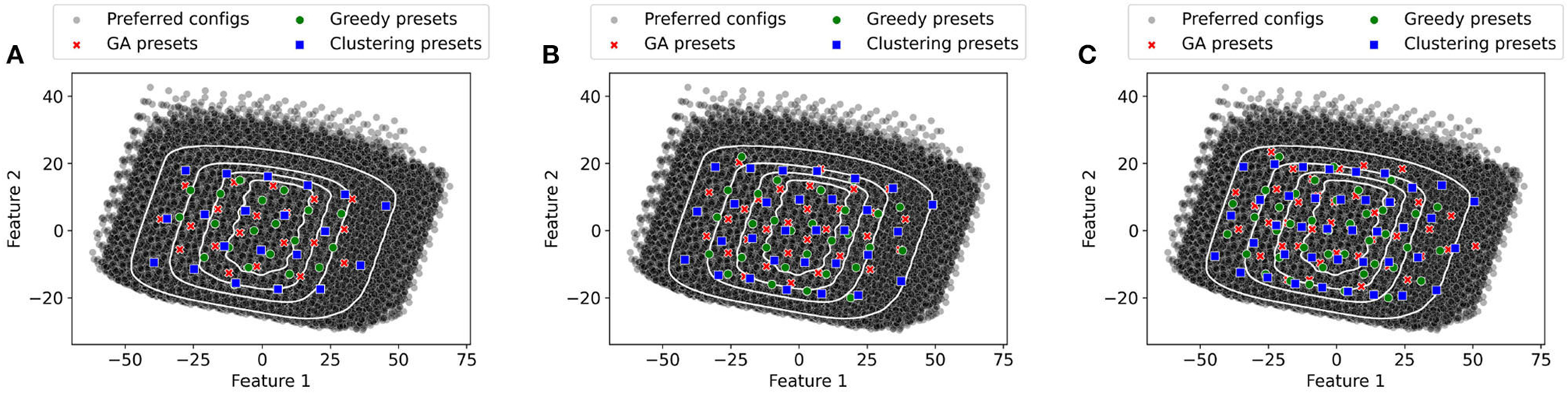 Figure 9
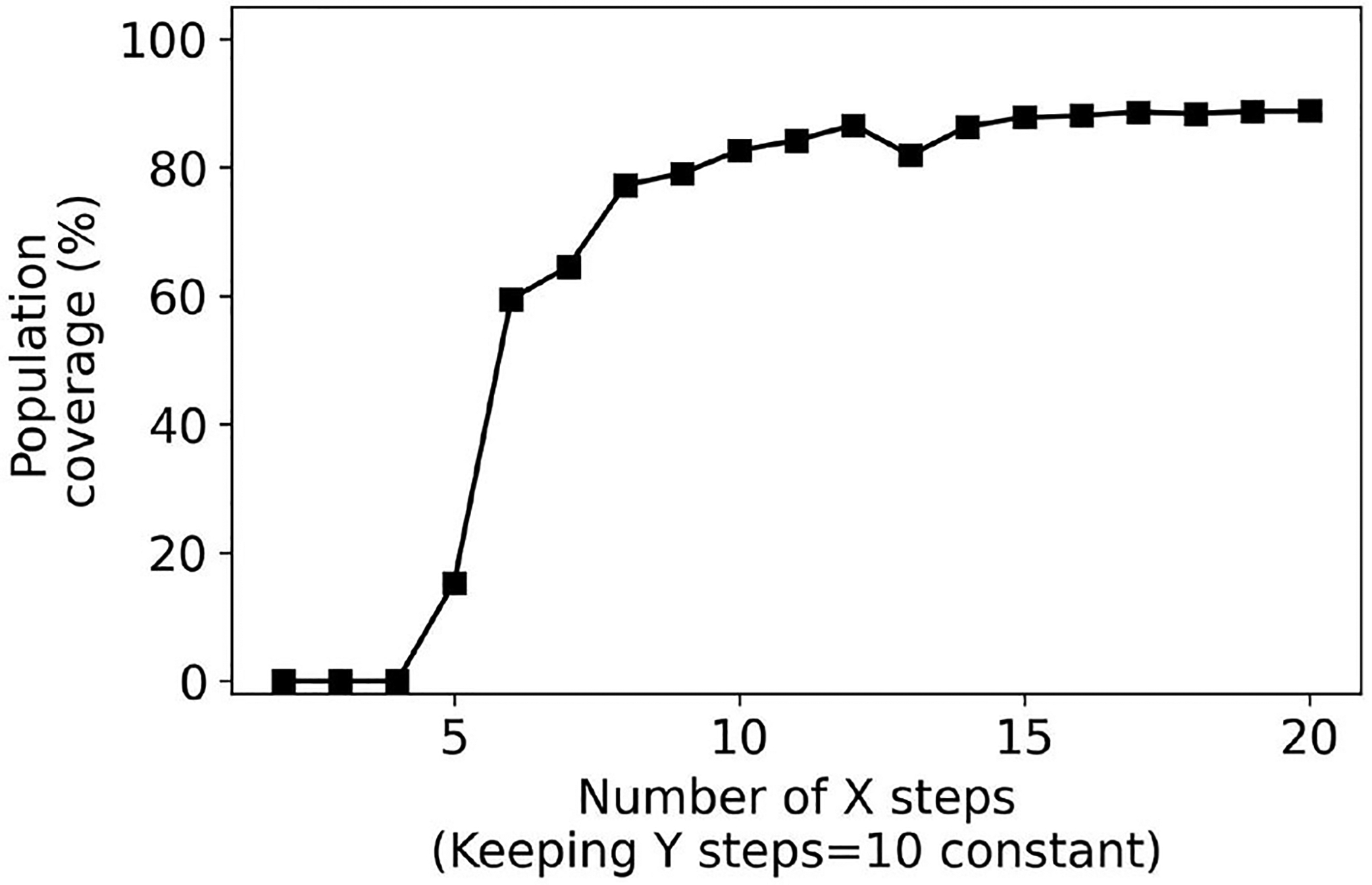 Figure 10
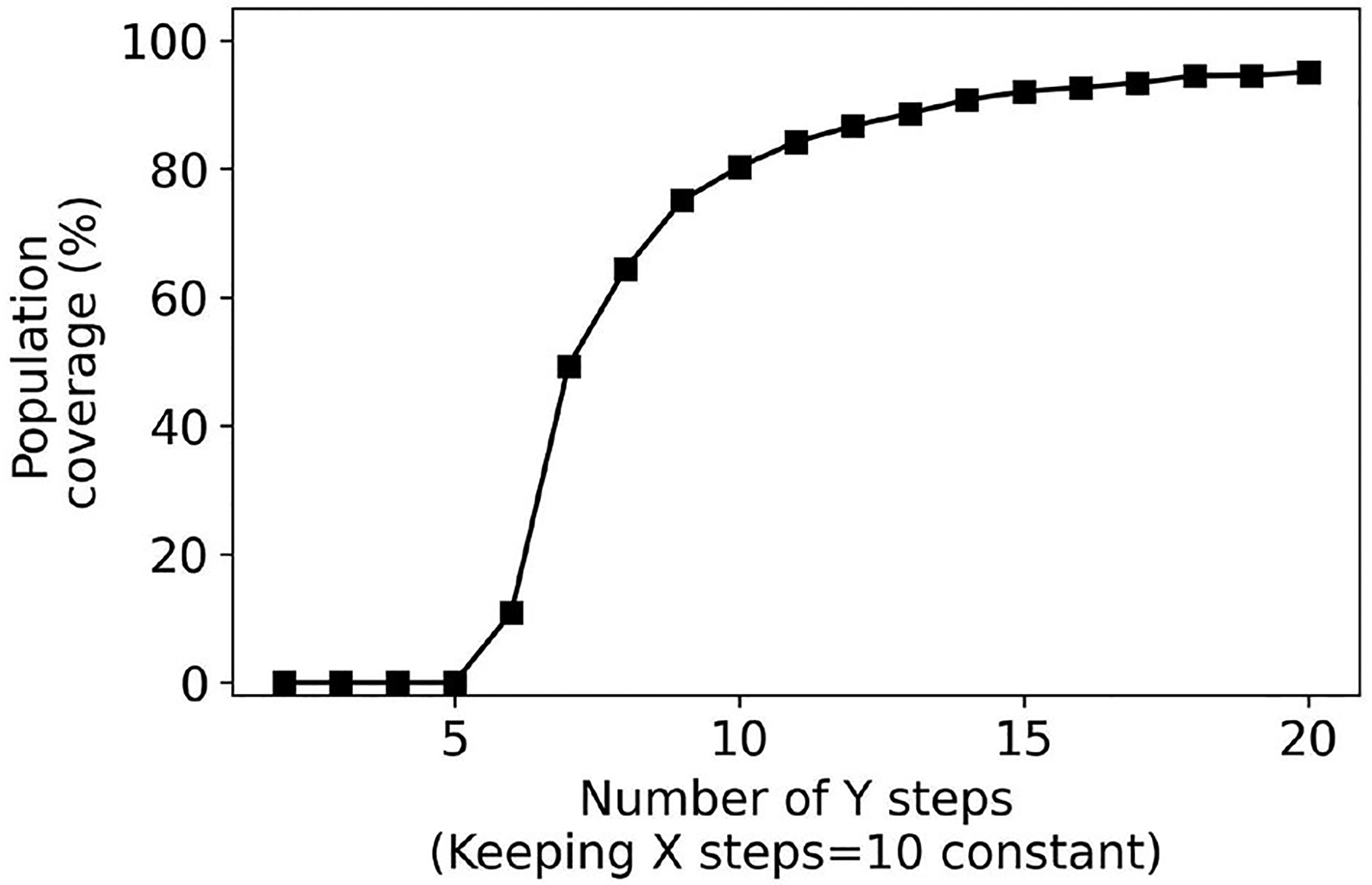 Figure 11
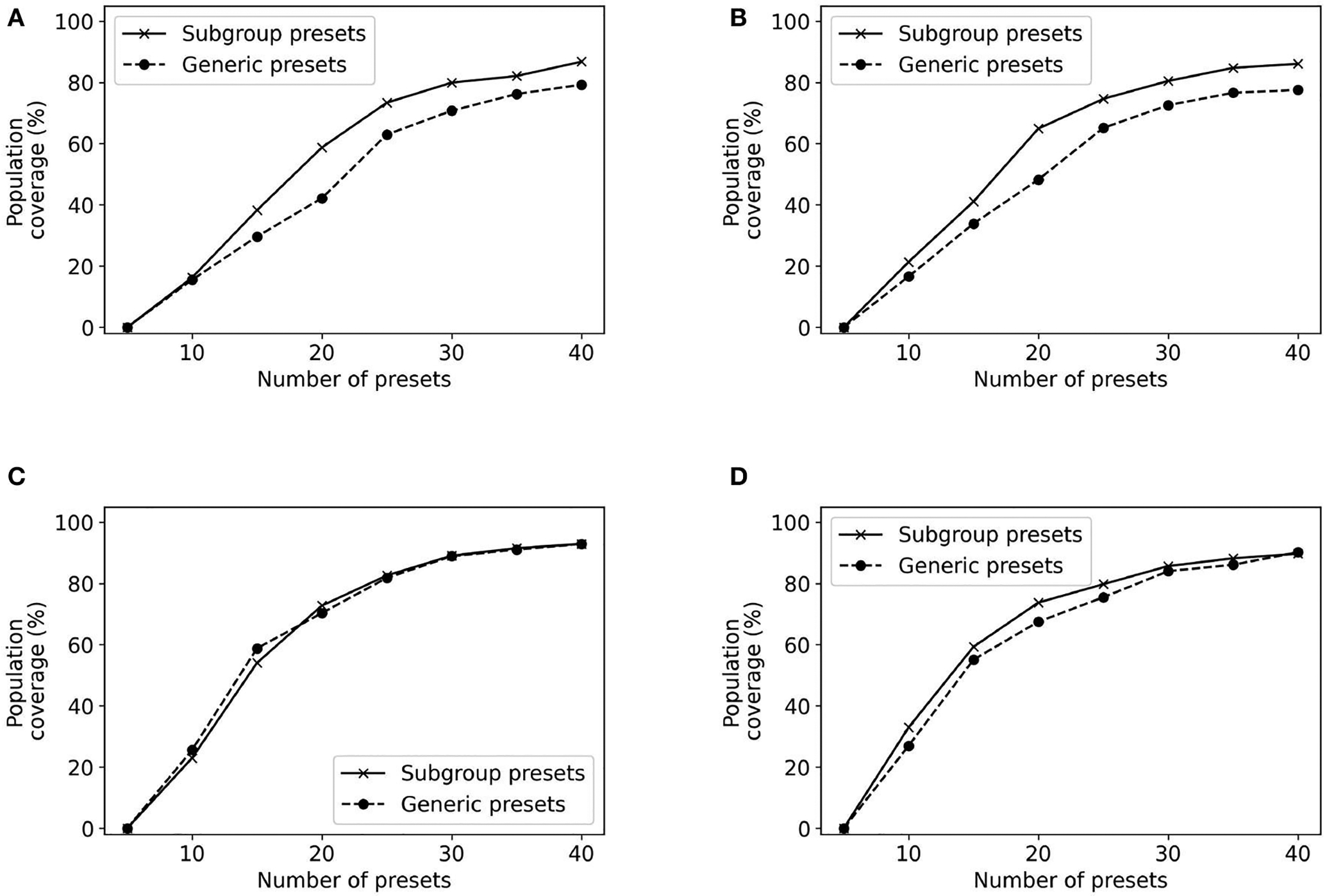 Figure 12
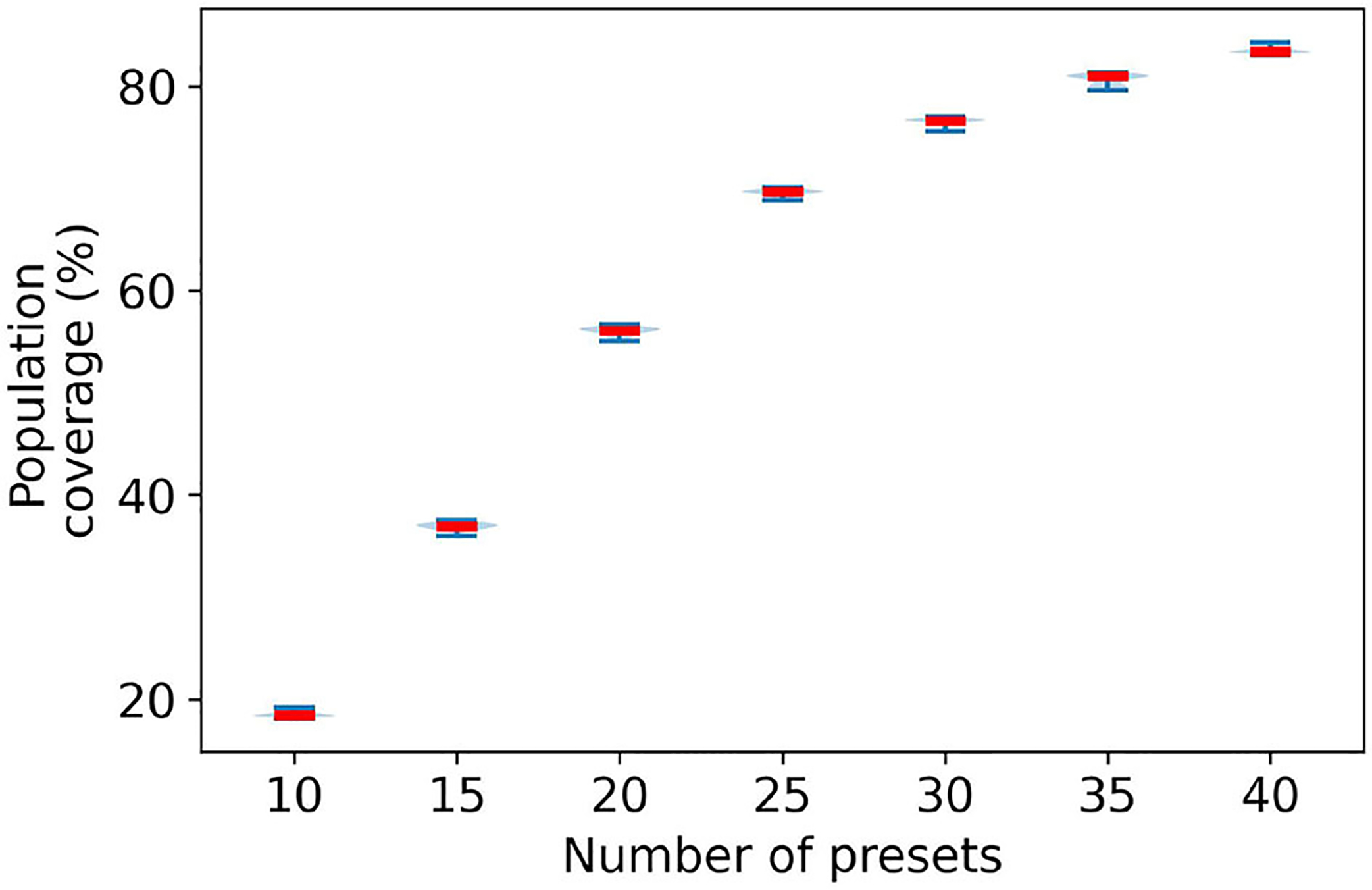 Figure 13
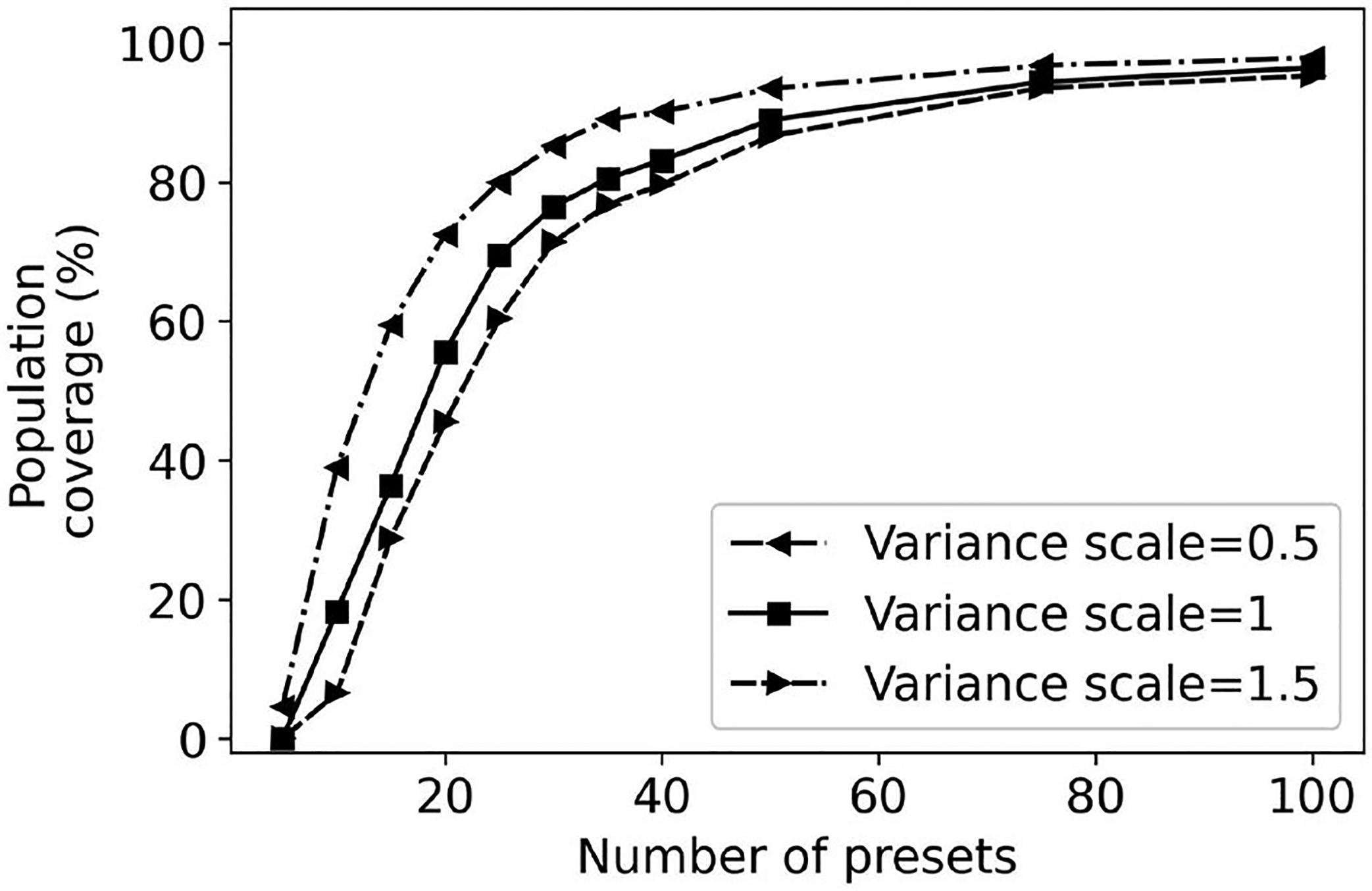 Figure 14
Peer Reviews
No public reviews on file for this paper yet. If you reviewed it on a platform where reviews are public (OpenReview, ICLR, NeurIPS, ICML), you can paste yours below so the community can read it here.
Videos
No videos yet. Explain this paper in a talk, walkthrough, or lecture? Add one.
Taxonomy
TopicsHearing Loss and Rehabilitation · Speech and Audio Processing · Noise Effects and Management