Anion Association and Macrocycle Encapsulation Tune the Fluorescence of N‑Alkylpyridinium-Conjugated Push–Pull Thiazolothiazole Derivatives
Chao-En Kuo, Chia-Chun Liu, Kanhu Charan Behera, Sheng-Hsien Chiu

TL;DR
This paper shows how anion pairing and macrocycle encapsulation can control the fluorescence of a specific type of thiazolothiazole compound.
Contribution
The study introduces a new method to modulate fluorescence via anion association and macrocycle complexation in TTZ fluorophores.
Findings
Iodide counterions induce blue emission, useful for anion sensing.
Macrocyclic encapsulation enables reversible dual-color fluorescence.
Electronic environment of TTZ is significantly altered by host-guest interactions.
Abstract
The fluorescence properties of N-alkylpyridinium-conjugated thiazolothiazole (TTZ) fluorophores can be effectively modulated through counterion pairing and macrocyclic encapsulation. A distinct blue emission response to the iodide counterion offers potential applications in anion sensing. Host–guest complexation at the pyridinium site with macrocyclic receptors significantly perturbs the electronic environment of the TTZ core, enabling reversible dual-color emission.
Genes, proteins, chemicals, diseases, species, mutations and cell lines named across the full text — each resolved to its canonical identifier and authoritative record.
Click any figure to enlarge with its caption.
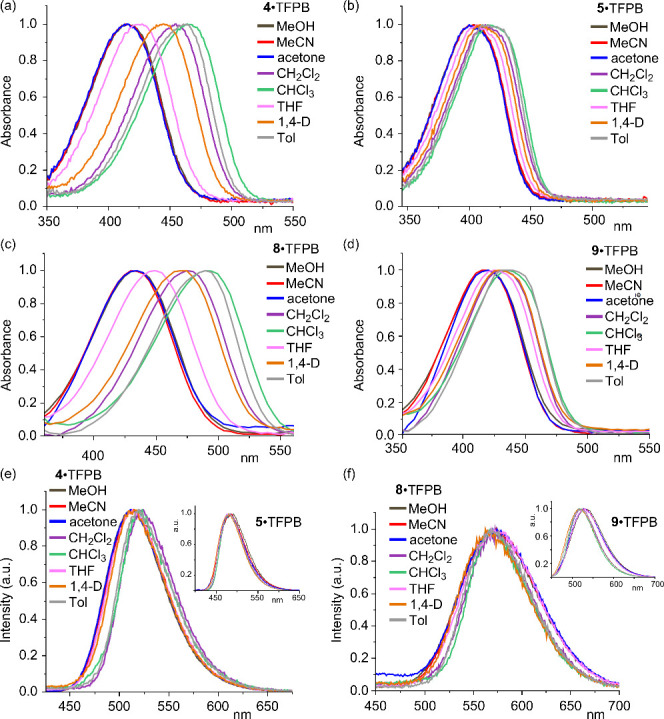 Figure 1
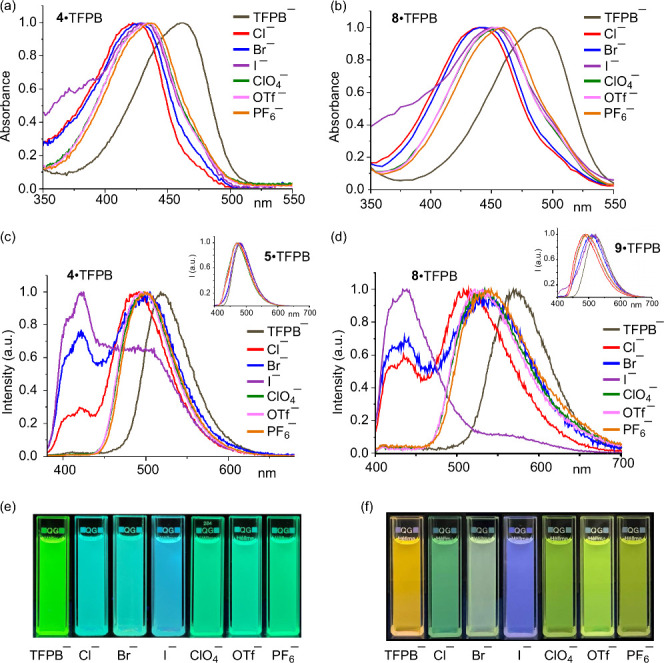 Figure 2
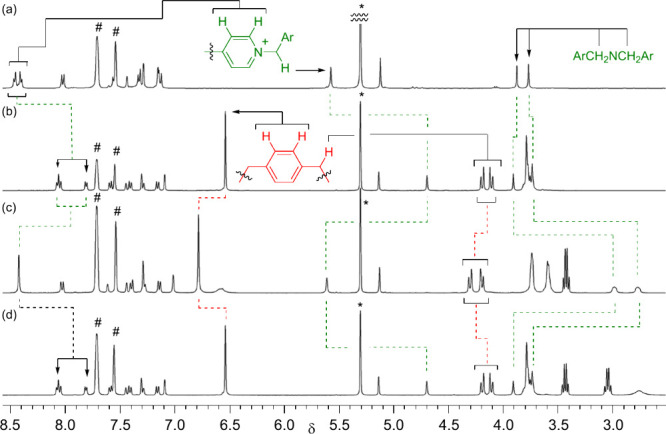 Figure 3
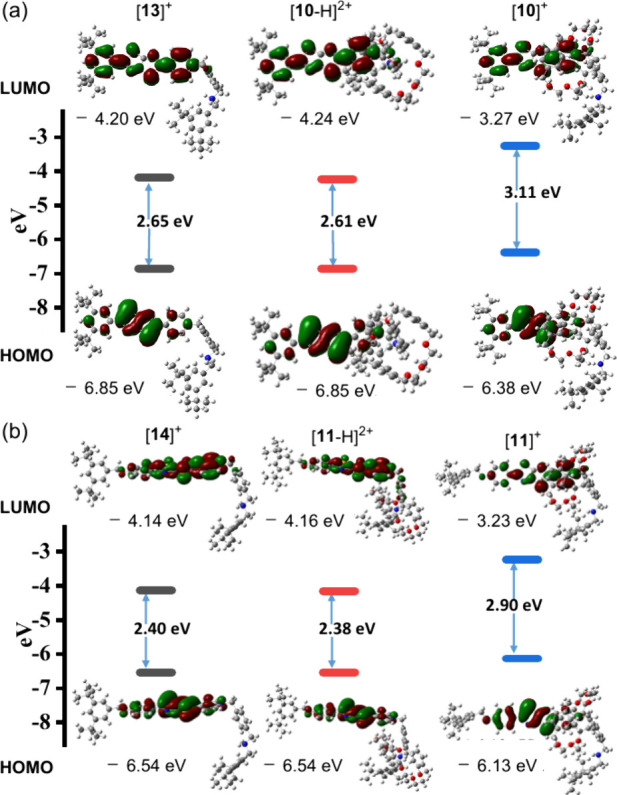 Figure 4
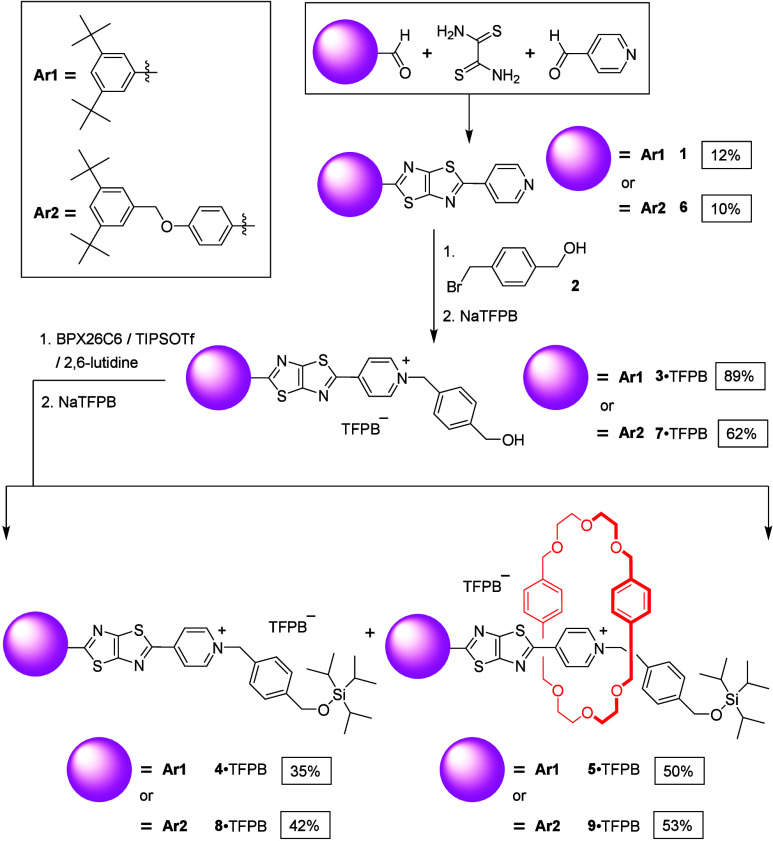 Figure 5
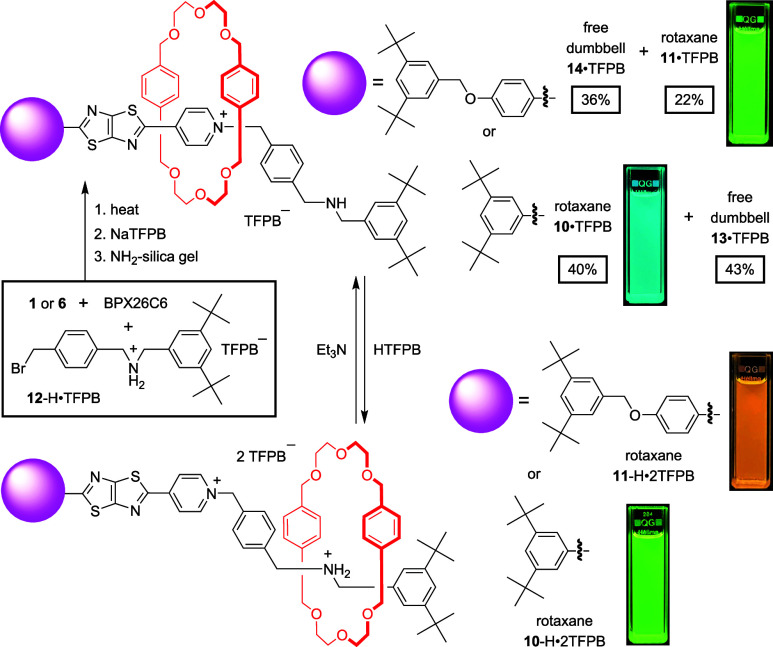 Figure 6
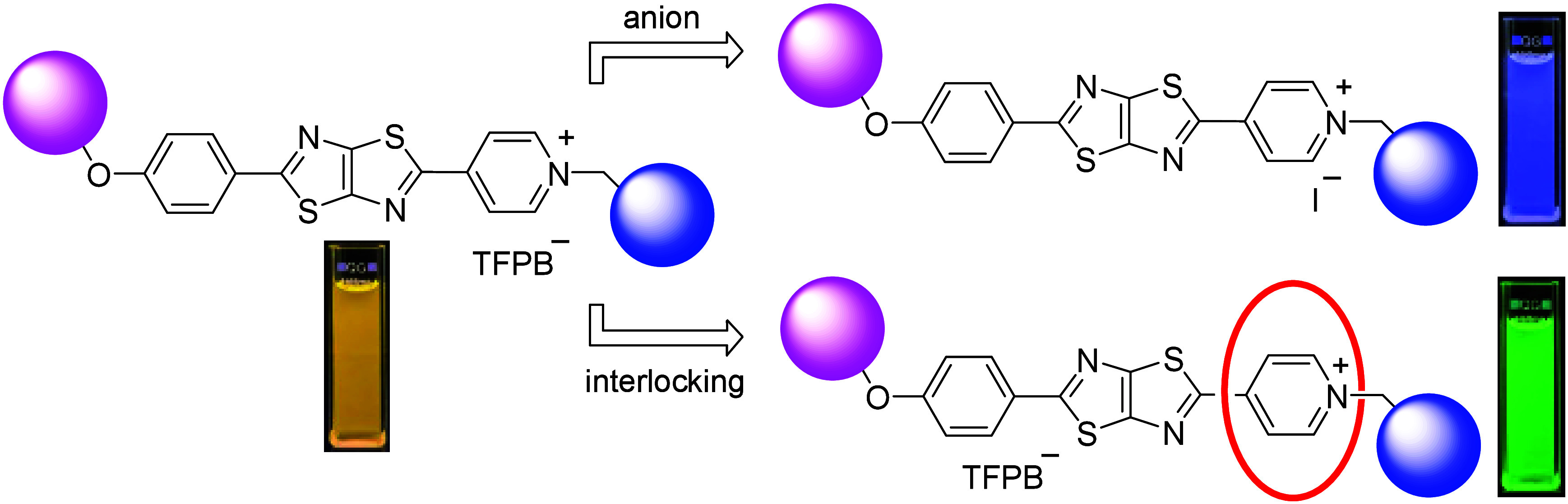 Figure 7
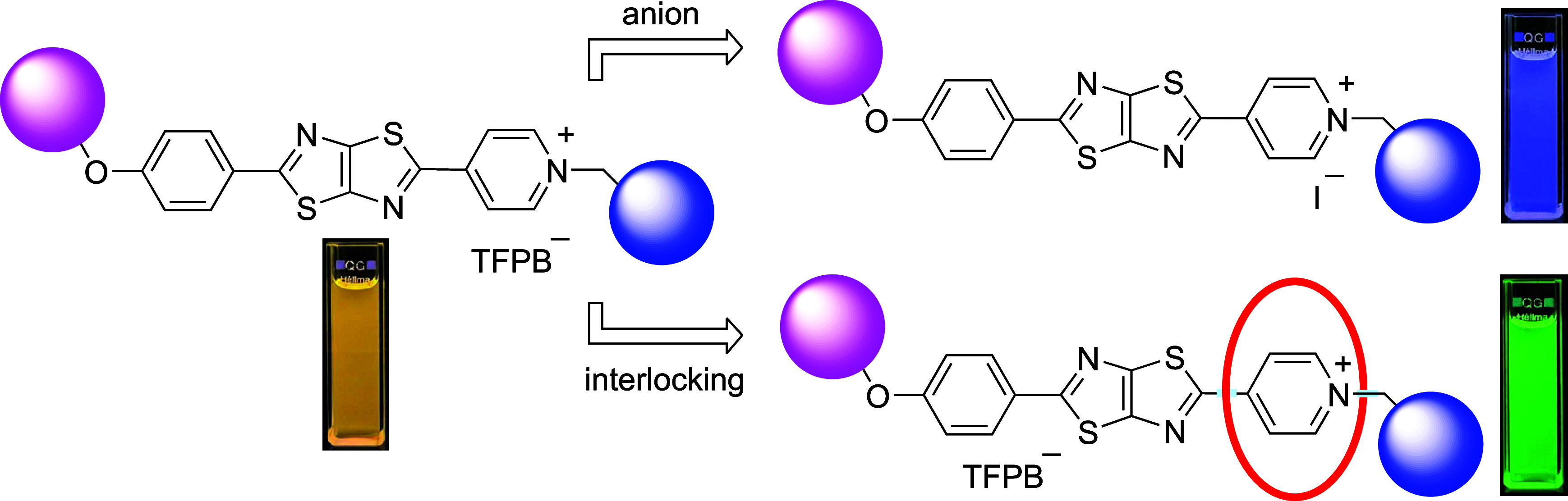 Figure 8
Peer Reviews
No public reviews on file for this paper yet. If you reviewed it on a platform where reviews are public (OpenReview, ICLR, NeurIPS, ICML), you can paste yours below so the community can read it here.
Videos
No videos yet. Explain this paper in a talk, walkthrough, or lecture? Add one.
Taxonomy
TopicsLuminescence and Fluorescent Materials · Molecular Sensors and Ion Detection · Synthesis and Characterization of Heterocyclic Compounds