Differential In Vitro Lung Cell Toxicity of Fresh and Photochemically Aged Smoke Aerosol Emissions from Simulated Wildland Fires of Duff and Surface Fuels
Alexandra Noël, Chase K. Glenn, Omar El Hajj, Anita Anosike, Kruthika Kumar, Muhammad Isa Abdurrahman, Steven Flanagan, Mac A. Callaham, E. Louise Loudermilk, Elijah T. Roberts, Jonathan H. Choi, Bin Bai, Pengfei Liu, I. Jonathan Amster, Joseph O’Brien, Rawad Saleh

TL;DR
This study shows that smoke from simulated wildland fires affects lung cells differently depending on fuel moisture and whether the smoke is aged in the atmosphere.
Contribution
The study reveals that photochemical aging reduces the oxidative potential of wildfire smoke, while prescribed fire smoke is more toxic.
Findings
PM extracts from all fire types induced oxidative stress in lung cells, but Wild-Aged smoke showed reduced toxicity.
Prescribed fire (Rx) smoke was more toxic than wildfire (Wild) smoke based on cell damage and gene expression.
Toxicity was linked to aromatic compounds in PM, with the highest levels in Rx smoke.
Abstract
We investigated the effects of the fuel moisture content and photochemical aging on the toxicity of smoke particulate matter (PM) emissions in simulated wildland fires. We burned fuel beds consisting of surface fuels and duff under moderate and low moisture contents, representative of prescribed fires (Rx) and drought-induced wildfires (Wild), respectively. The Wild emissions were photochemically aged in an oxidation flow reactor (Wild-Aged). We exposed human bronchial epithelial cells to PM extracts from each permutation. PM extracts from all experimental permutations (Rx, Wild, Wild-Aged) induced oxidative stress, evidenced by a significant increase in 8-isoprostane concentration in the cell media compared to control. However, the increase of 8-isoprostane was significantly less in Wild-Aged compared to that in Wild and Rx, indicating loss of oxidative potential due to photochemical…
Genes, proteins, chemicals, diseases, species, mutations and cell lines named across the full text — each resolved to its canonical identifier and authoritative record.
Click any figure to enlarge with its caption.
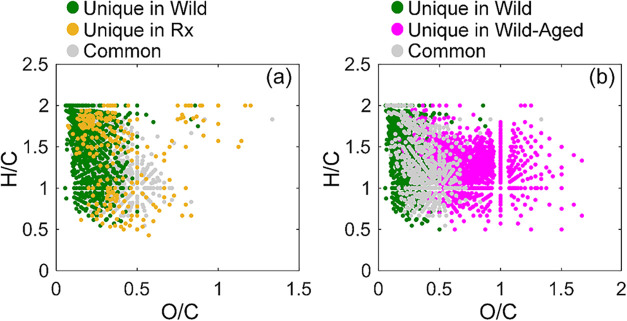 Figure 1
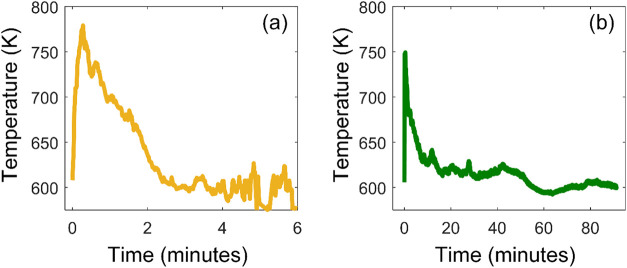 Figure 2
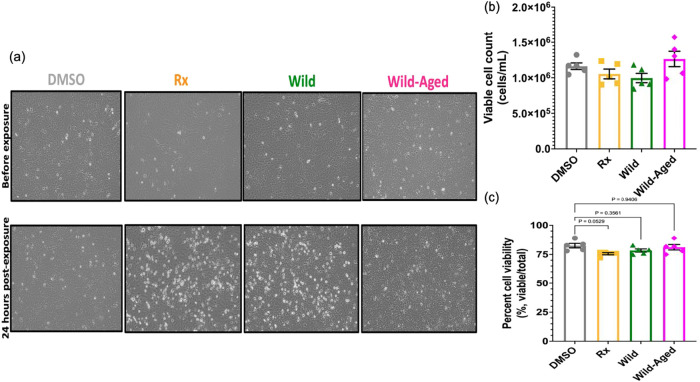 Figure 3
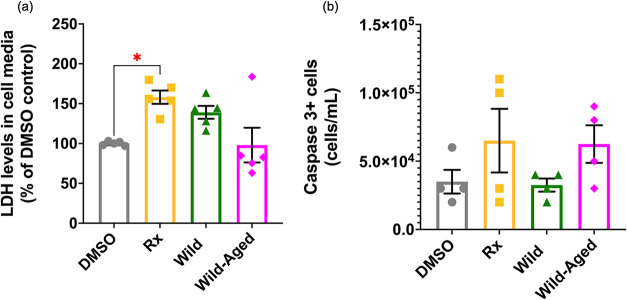 Figure 4
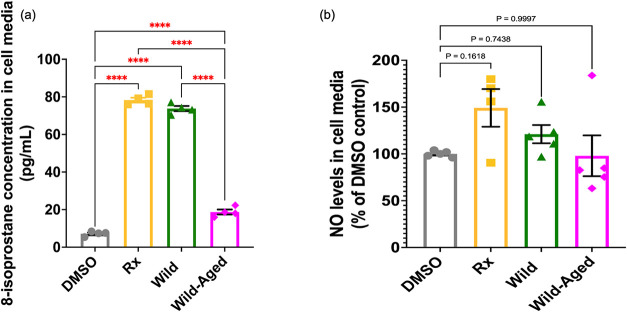 Figure 5
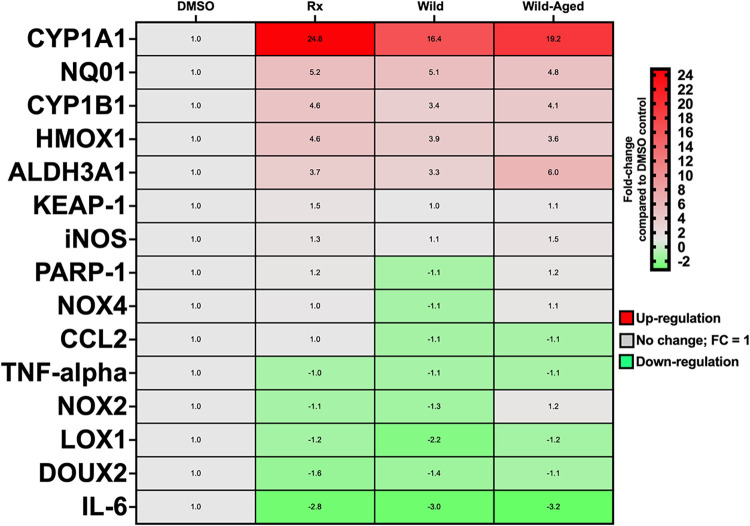 Figure 6
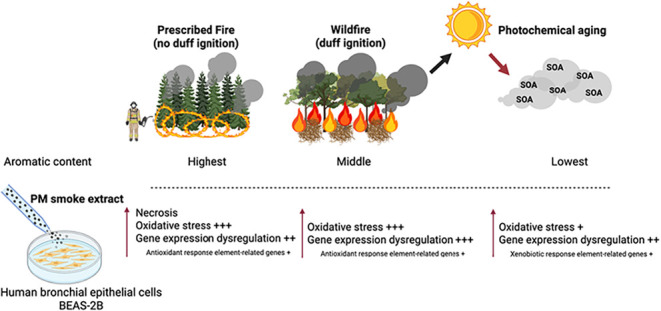 Figure 7
 Figure 8
Peer Reviews
No public reviews on file for this paper yet. If you reviewed it on a platform where reviews are public (OpenReview, ICLR, NeurIPS, ICML), you can paste yours below so the community can read it here.
Videos
No videos yet. Explain this paper in a talk, walkthrough, or lecture? Add one.
Taxonomy
TopicsAtmospheric chemistry and aerosols · Air Quality and Health Impacts · Vehicle emissions and performance