Continuous Flow Techniques in the Total Synthesis of Jaspine B: Part II
Michal Gurský, Dorotea Trnovcová, Pavol Lopatka, Martin Markovič, Peter Koóš, Steven V. Ley, Tibor Gracza

TL;DR
This paper describes a streamlined continuous flow synthesis of jaspine B, a complex natural product, using efficient chemical reactions in microreactors.
Contribution
The novel contribution is the development of a multistep continuous flow system for synthesizing jaspine B with efficient hydrogenation and scalable methods.
Findings
A Pd-catalyzed carbonylation strategy was successfully used in continuous flow for jaspine B synthesis.
Efficient transfer hydrogenation was achieved using formic acid and palladium immobilized on a urea-based polymer support.
A scalable multistep flow system integrated hydrogenation and deprotection steps for complex natural product synthesis.
Abstract
In this work, we report on the completion of the total synthesis of jaspine B from Garner’s aldehyde using a Pd-catalyzed carbonylation strategy under continuous flow conditions. The target compound was synthesized from the key intermediate bicyclic aminolactone 5 via a sequence of Wittig olefination, DiBAl-H reduction, and hydrogenation, all implemented in flow microreactors. A particularly efficient transfer hydrogenation of the C C double bond in alkene 8 was achieved by using formic acid as the hydrogen donor and palladium immobilized within a urea-based polymer support (UBPS). Furthermore, a multistep flow system was developed, enabling the direct integration of the hydrogenation of alkene 8 with the final carbamate 9 deprotection step. The methodology was successfully scaled for the preparation of lactol 6 intermediates, demonstrating the potential of continuous flow techniques…
Genes, proteins, chemicals, diseases, species, mutations and cell lines named across the full text — each resolved to its canonical identifier and authoritative record.
Click any figure to enlarge with its caption.
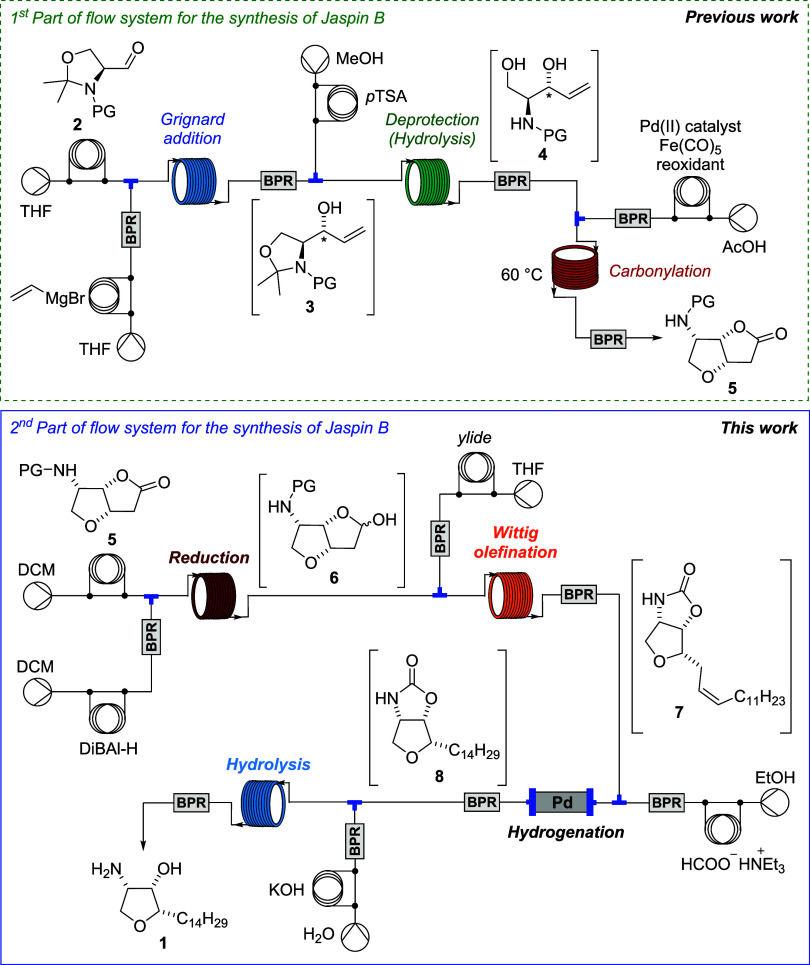 Figure 1
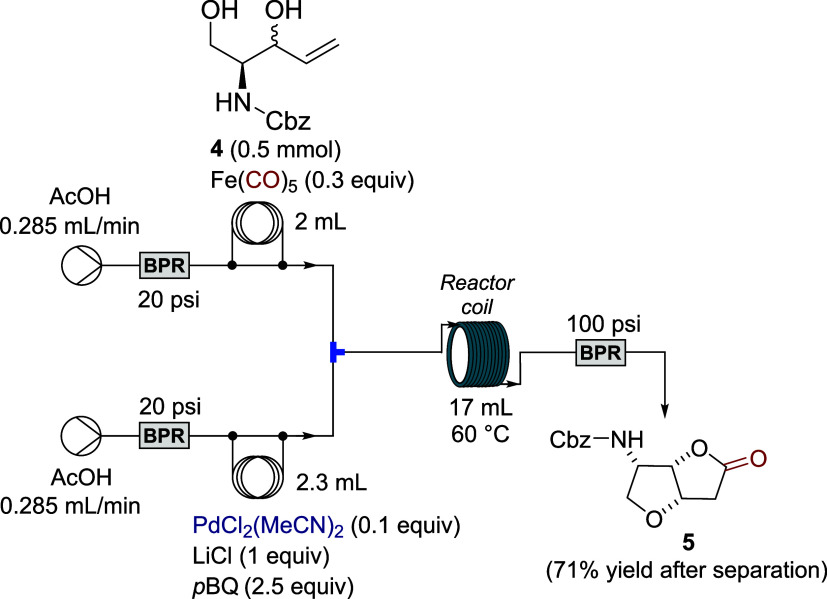 Figure 2
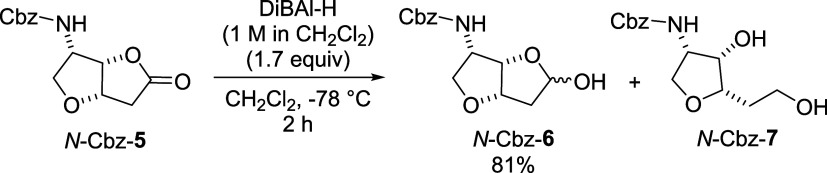 Figure 3
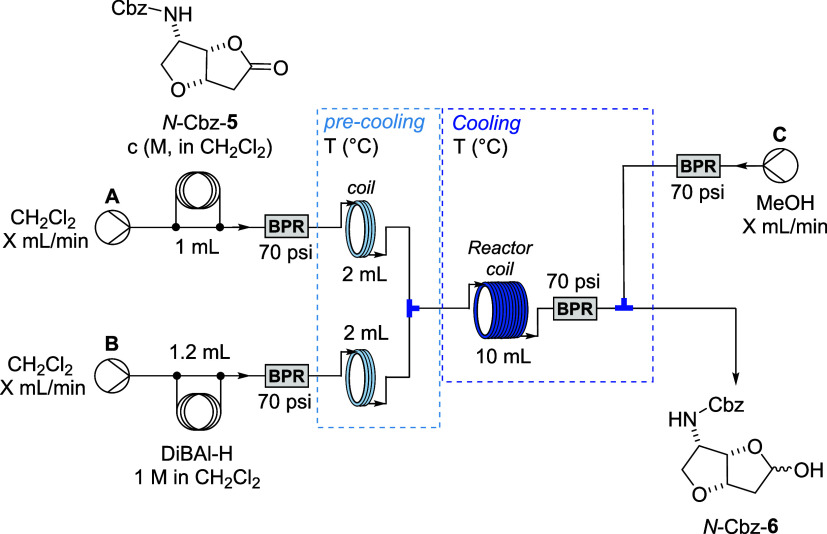 Figure 4
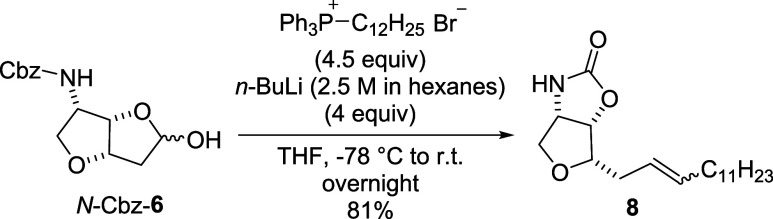 Figure 5
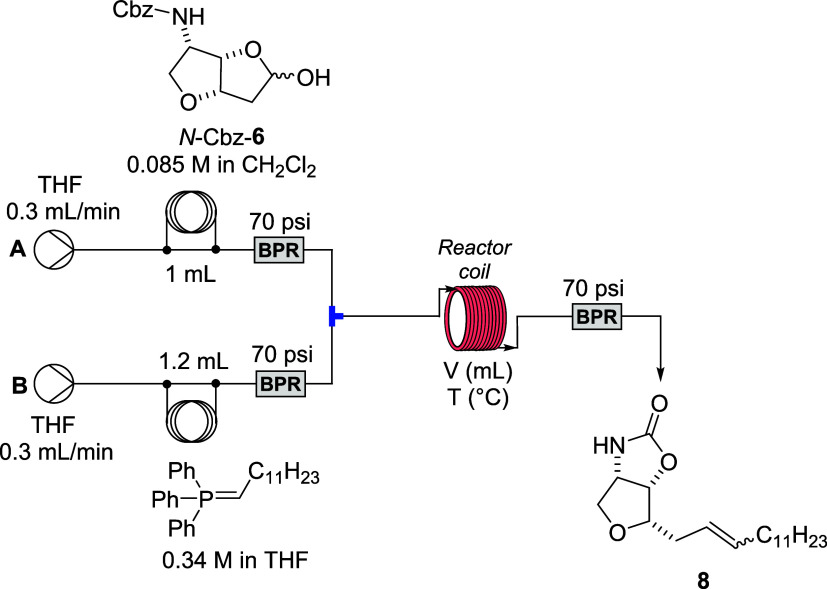 Figure 6
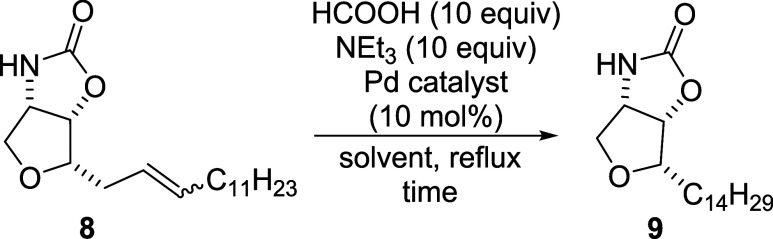 Figure 7
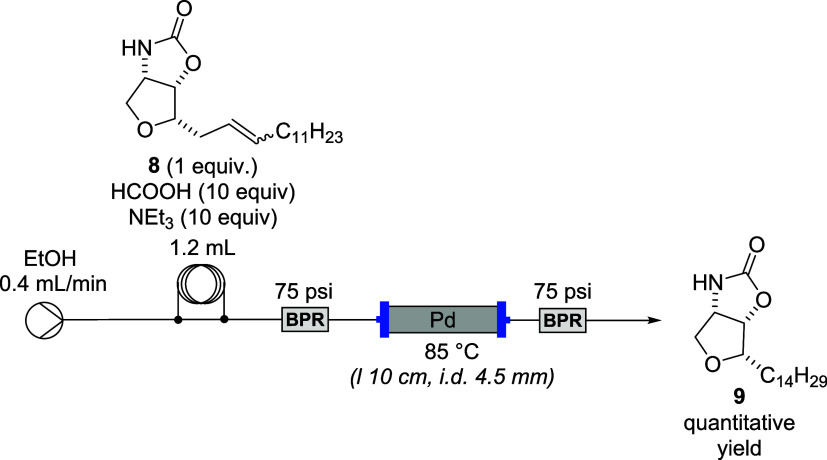 Figure 8
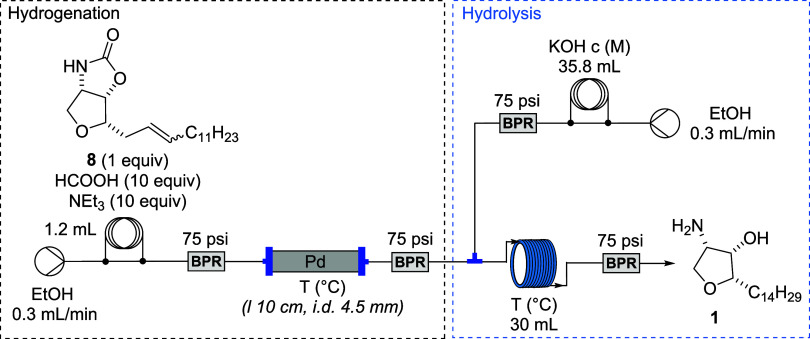 Figure 9
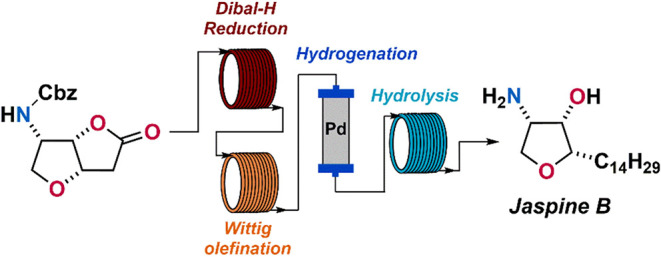 Figure 10
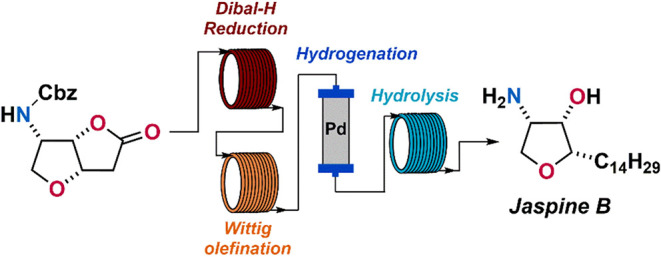 Figure 11
Peer Reviews
No public reviews on file for this paper yet. If you reviewed it on a platform where reviews are public (OpenReview, ICLR, NeurIPS, ICML), you can paste yours below so the community can read it here.
Videos
No videos yet. Explain this paper in a talk, walkthrough, or lecture? Add one.
Taxonomy
TopicsInnovative Microfluidic and Catalytic Techniques Innovation · Asymmetric Hydrogenation and Catalysis · Berberine and alkaloids research