Differentially Expressed Genes in Head and Neck Squamous Cell Carcinoma: Exploratory Research Using the Cancer Genome Atlas (TCGA) RNA Sequence Data and DESeq2 Package
Naoki Katase, Yae Sakamoto, Hiroki Suda, Rin Miyahara, Shuichi Fujita

TL;DR
This study identifies genes that are abnormally active in head and neck cancer using large-scale genetic data, pointing to potential new treatment targets.
Contribution
The study identifies novel prognostic markers and candidate therapeutic targets for HNSCC using TCGA RNA-seq data and DESeq2 analysis.
Findings
10,976 differentially expressed genes were identified, with significant enrichment in cancer-related pathways.
Genes like HOXC6, NUCB2, and IL12A-AS1 were found to correlate with poorer prognosis in HNSCC patients.
Up-regulated genes were enriched in pathways like 'Pathway in Cancer' and 'PI3K-Akt signaling', while down-regulated genes were linked to 'Metabolic pathways'.
Abstract
Introduction Head and neck squamous cell carcinoma (HNSCC) is the most common cancer of the head and neck region, including the oral cavity, larynx, pharynx, nasal cavity, and paranasal sinuses. Cancer arises because of cumulative genetic and epigenetic alterations in cancer-associated genes. It is important to understand the genetic/epigenetic background of the tumors to establish molecular targeted therapies. So far, the knowledge of key genes or molecules, which are closely associated with the carcinogenesis and development of HNSCC, is insufficient for targeted therapies. On the other hand, recent advances in next-generation sequencing (NGS) have greatly contributed to cancer genome research. In this research, using RNA sequence data of HNSCC stored in The Cancer Genome Atlas (TCGA) database, we identified differentially expressed genes (DEGs), functionally enriched gene sets, and…
Genes, proteins, chemicals, diseases, species, mutations and cell lines named across the full text — each resolved to its canonical identifier and authoritative record.
Click any figure to enlarge with its caption.
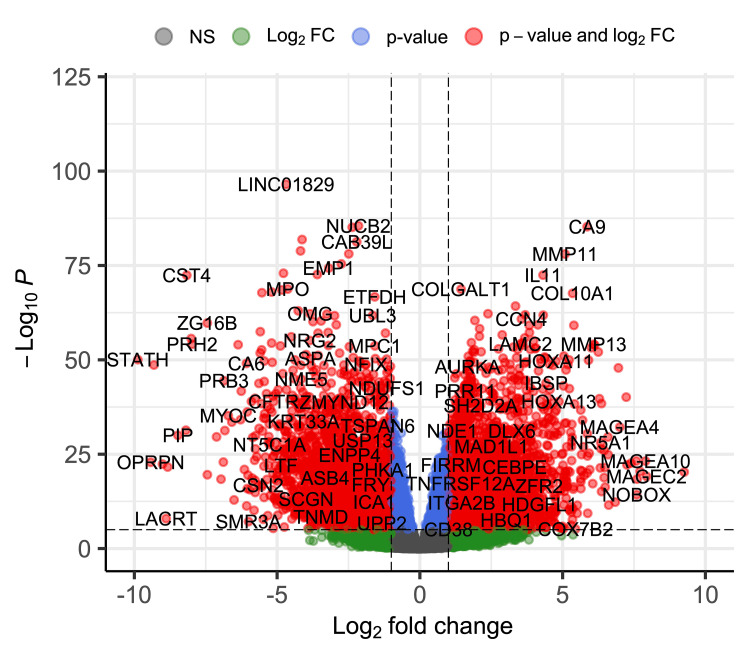 Figure 1
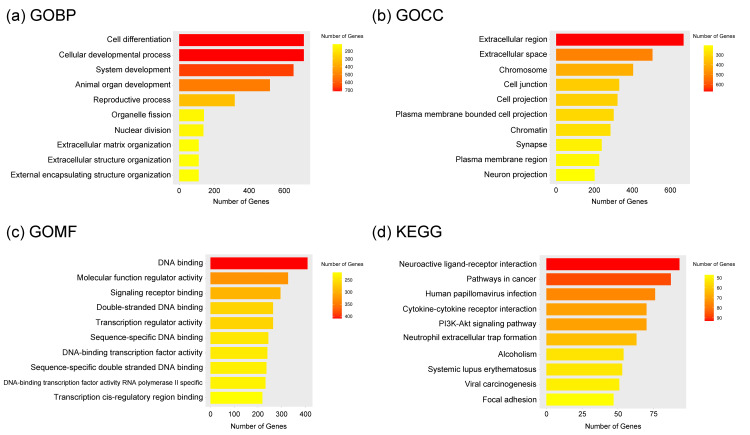 Figure 2
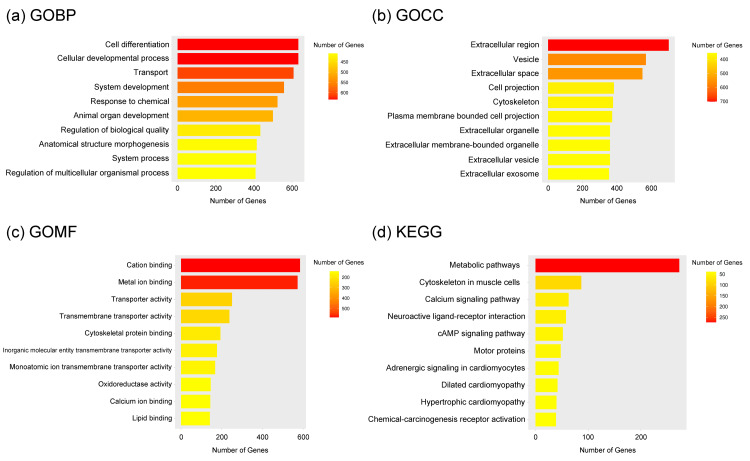 Figure 3
 Figure 4
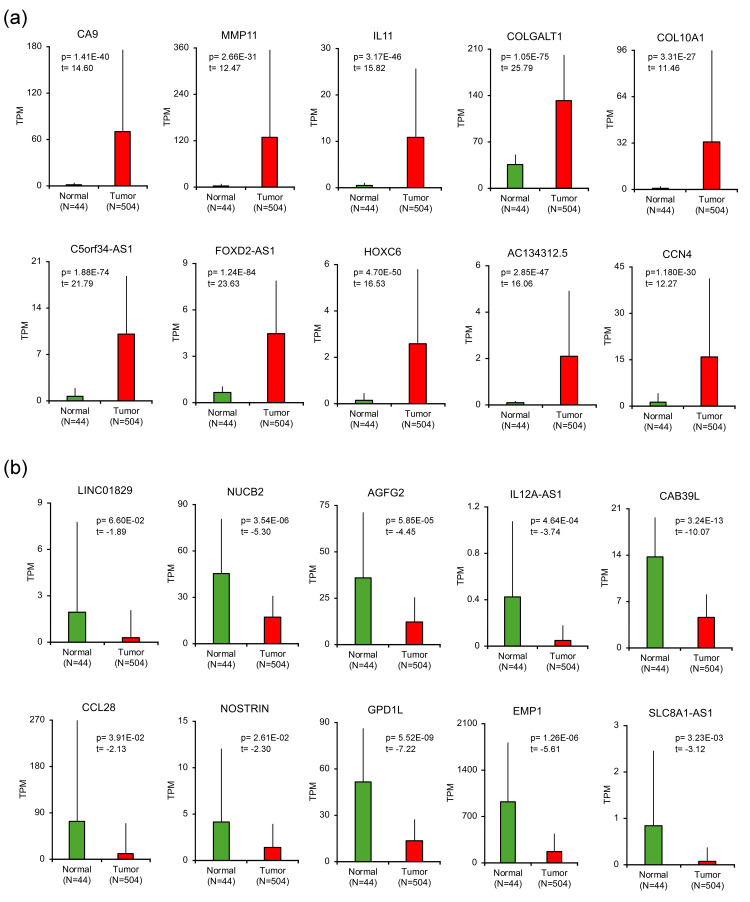 Figure 5
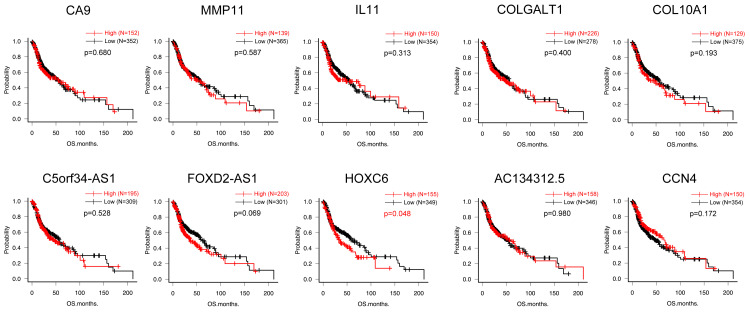 Figure 6
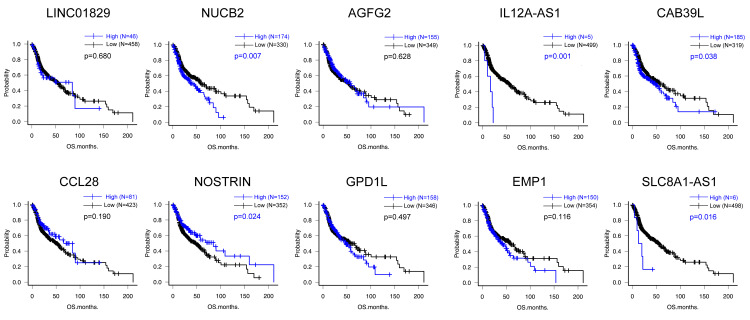 Figure 7
Peer Reviews
No public reviews on file for this paper yet. If you reviewed it on a platform where reviews are public (OpenReview, ICLR, NeurIPS, ICML), you can paste yours below so the community can read it here.
Videos
No videos yet. Explain this paper in a talk, walkthrough, or lecture? Add one.
Taxonomy
TopicsRNA modifications and cancer · Cancer-related molecular mechanisms research · Ferroptosis and cancer prognosis