Isolation of a Lewis acid-base stabilized stannanone
Mike Jörges, Daniel Knyszek, Manoj Kumar, Varre S. V. S. N. Swamy, Viktoria H. Gessner

TL;DR
Scientists isolated a stannanone stabilized by a Lewis acid, revealing a highly polarized and reactive Sn–O bond.
Contribution
The first isolation of a diylide-substituted stannanone stabilized by a Lewis acid-base interaction.
Findings
A monomeric stannanone was isolated using a thiophosphinoyl-substituted ylide.
The Sn–O bond is short but highly polarized with negligible π-contribution.
The bond shows high reactivity toward cleavage due to opposing charges.
Abstract
A diylide-substituted stannanone, stabilized by the Lewis acid SnCl2 (formally written as Y2Sn <svg xmlns="http://www.w3.org/2000/svg" version="1.0" width="13.200000pt" height="16.000000pt" viewBox="0 0 13.200000 16.000000" preserveAspectRatio="xMidYMid meet"><metadata> Created by potrace 1.16, written by Peter Selinger 2001-2019 </metadata><g transform="translate(1.000000,15.000000) scale(0.017500,-0.017500)" fill="currentColor" stroke="none"><path d="M0 440 l0 -40 320 0 320 0 0 40 0 40 -320 0 -320 0 0 -40z M0 280 l0 -40 320 0 320 0 0 40 0 40 -320 0 -320 0 0 -40z"/></g></svg> O → SnCl2) has been successfully isolated and characterized by spectroscopic, crystallographic and computational methods. The nature of the ylide substituent proved critical for its successful isolation. While oxidation of a stannylene with a cyano-substituted ylide yielded only a dimeric stannoxane,…
Genes, proteins, chemicals, diseases, species, mutations and cell lines named across the full text — each resolved to its canonical identifier and authoritative record.
Click any figure to enlarge with its caption.
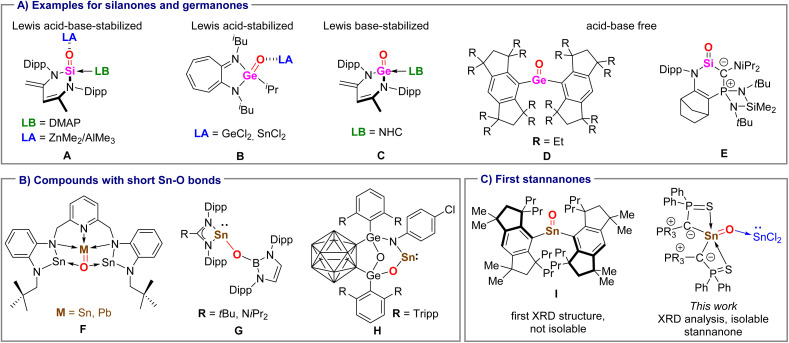 Figure 1
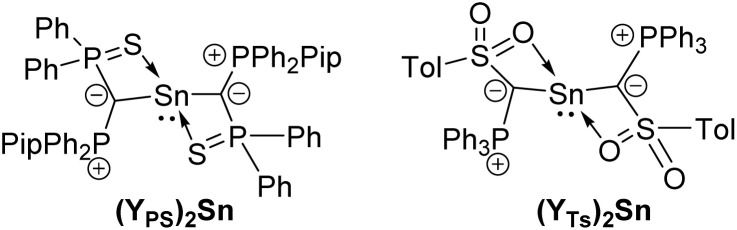 Figure 2
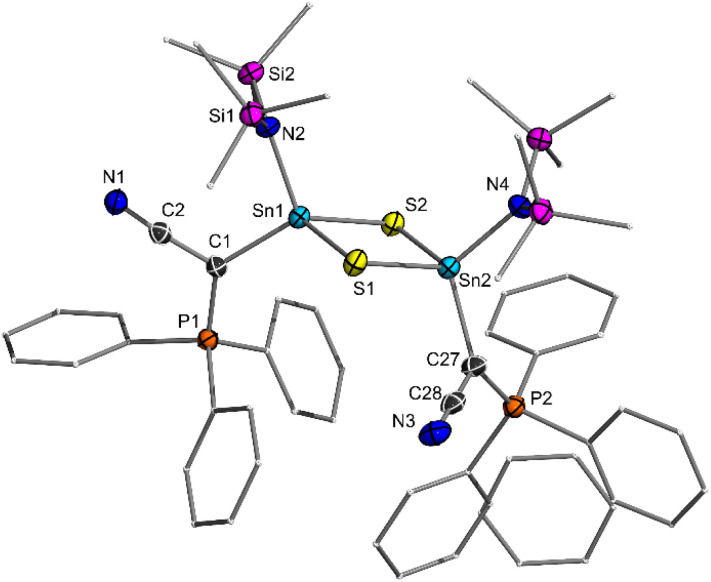 Figure 3
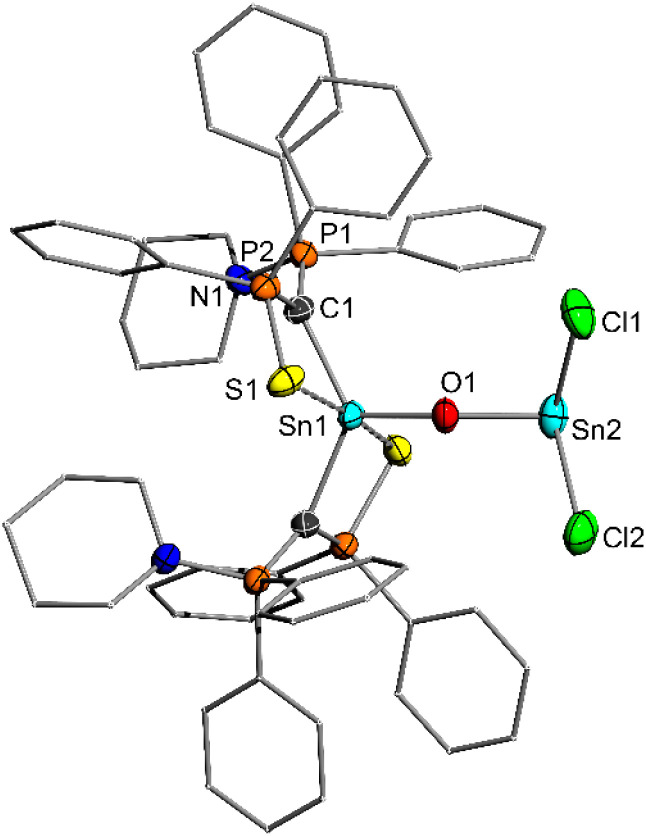 Figure 4
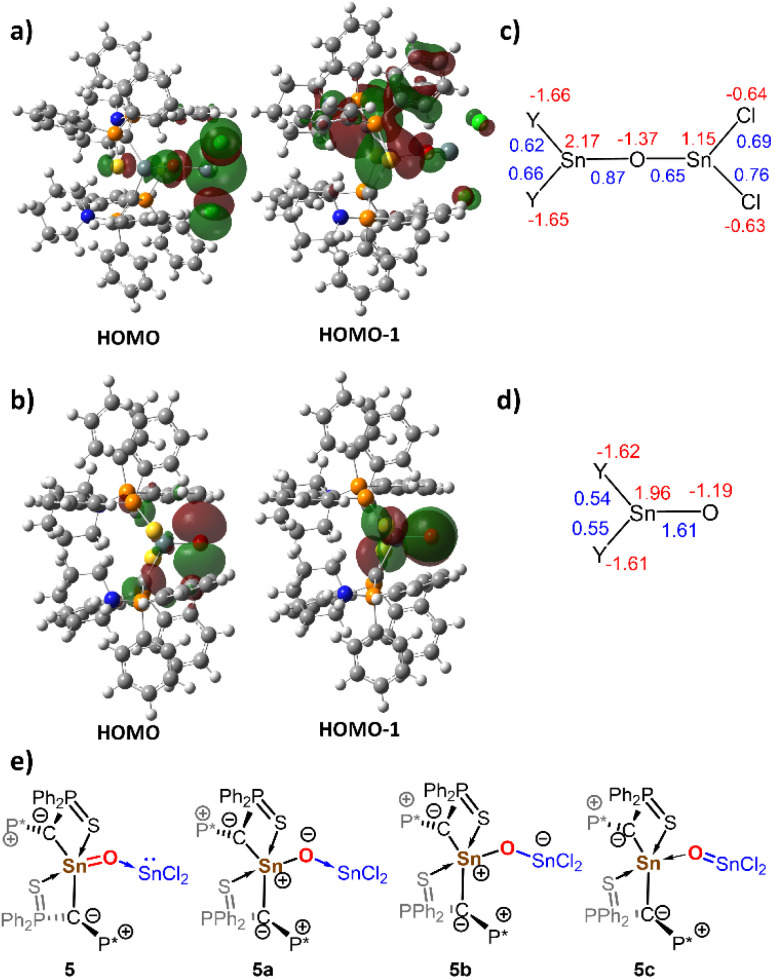 Figure 5
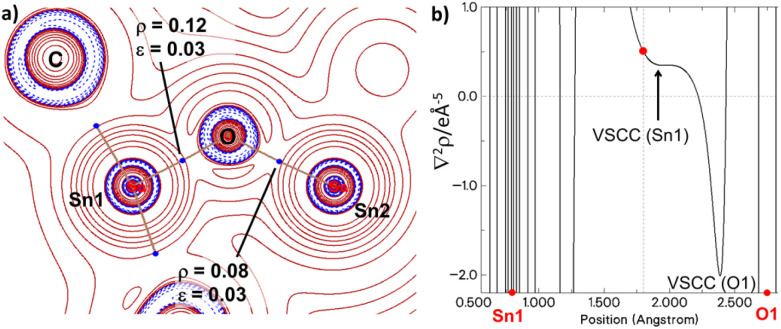 Figure 6
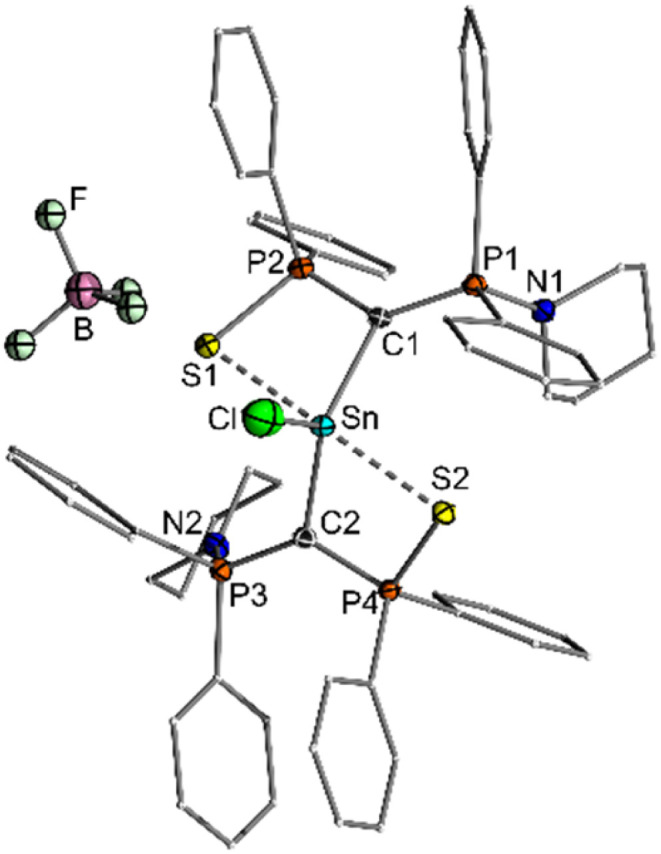 Figure 7
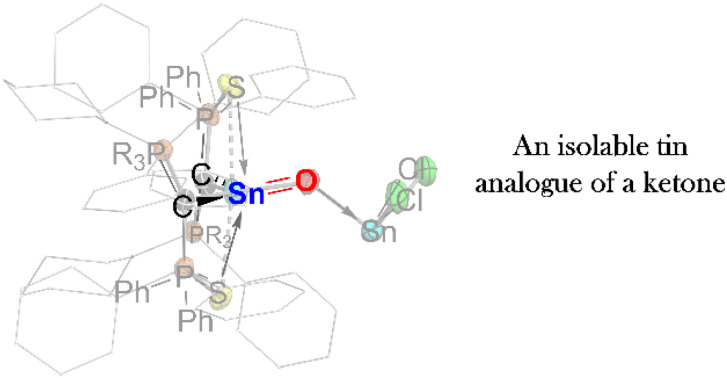 Figure 8
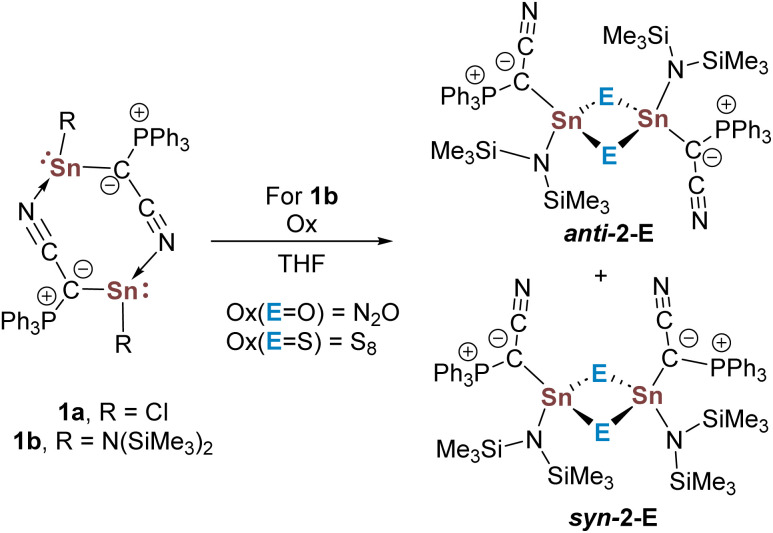 Figure 9
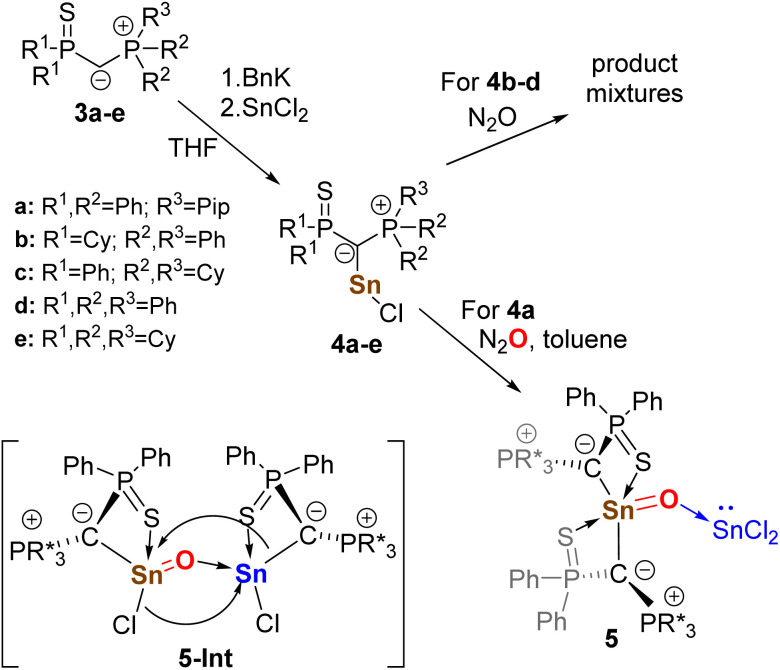 Figure 10
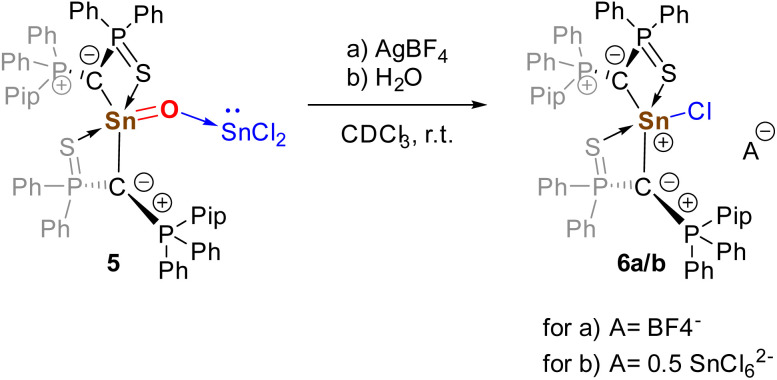 Figure 11
Peer Reviews
No public reviews on file for this paper yet. If you reviewed it on a platform where reviews are public (OpenReview, ICLR, NeurIPS, ICML), you can paste yours below so the community can read it here.
Videos
No videos yet. Explain this paper in a talk, walkthrough, or lecture? Add one.
Taxonomy
TopicsSynthetic Organic Chemistry Methods · Asymmetric Synthesis and Catalysis · Oxidative Organic Chemistry Reactions