The AI-DRM protocol to enhance the lifetime of wireless sensor network
Santosh Anand, Anantha Narayanan V

TL;DR
This paper introduces an AI-based protocol to optimize energy use in wireless sensor networks, extending their operational lifetime.
Contribution
The novel AI-DRM protocol dynamically adjusts transmission power using machine learning and propagation models.
Findings
The AI-DRM protocol outperforms existing methods in extending the network's lifetime.
It achieves higher residual energy, allowing transmission until 1403 rounds.
Dynamic tuning improves energy efficiency compared to fixed transmission power methods.
Abstract
Energy is a major research challenge in wireless sensor networks since it is placed in an area that is inaccessible to humans. In the current study, nodes send data to their neighboring nodes at any distance using the same energy level. Smaller distances require less energy to transmit to adjacent nodes, creating a strong research gap. High-distance transmissions require more energy. The node must tailor its transmission energy to distance, not fixed energy. The best transmission power for communication is determined via the neural network-based machine learning technique, which is based on the propagation model and network properties, such as the node density, residual energy, and energy harvesting rate. In this work, sensor nodes transmit information to their neighboring nodes via the multiple linear regression model for dynamic radio tuning with the FRIIS propagation model, and the…
Genes, proteins, chemicals, diseases, species, mutations and cell lines named across the full text — each resolved to its canonical identifier and authoritative record.
Click any figure to enlarge with its caption.
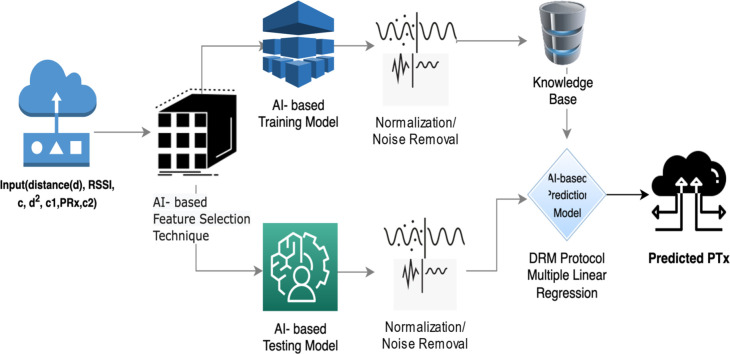 Figure 1
 Figure 2
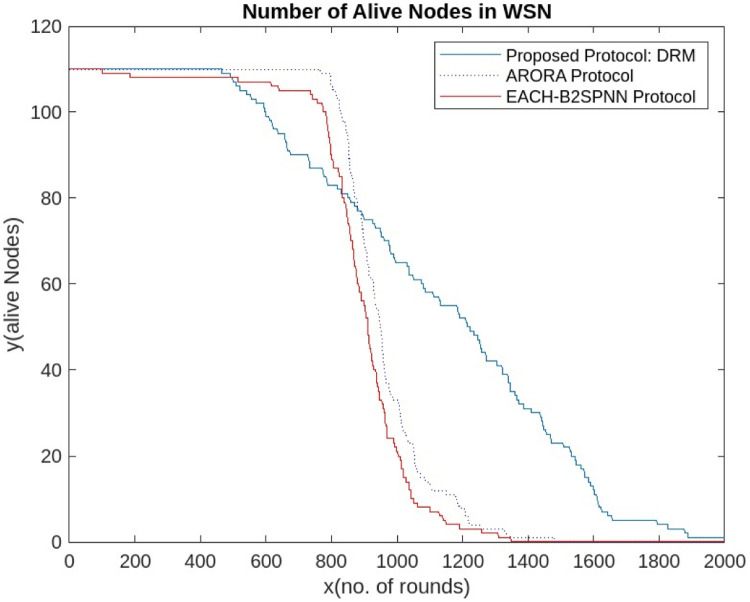 Figure 3
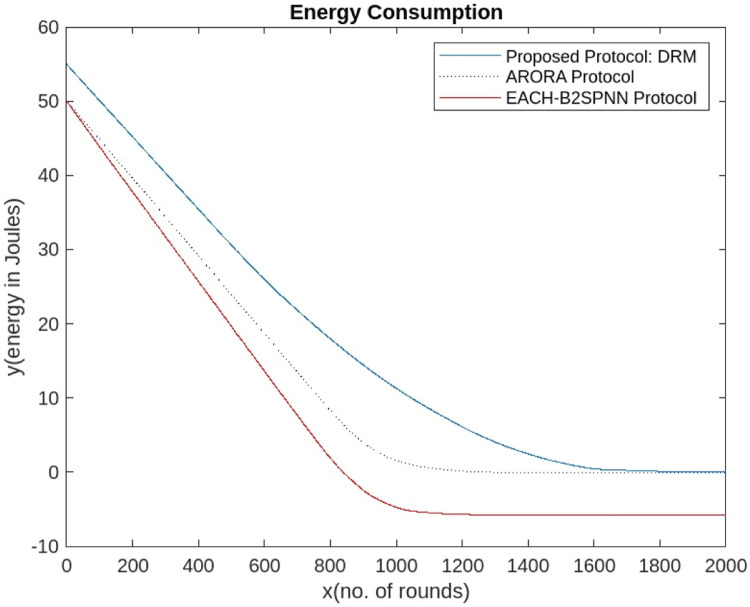 Figure 4
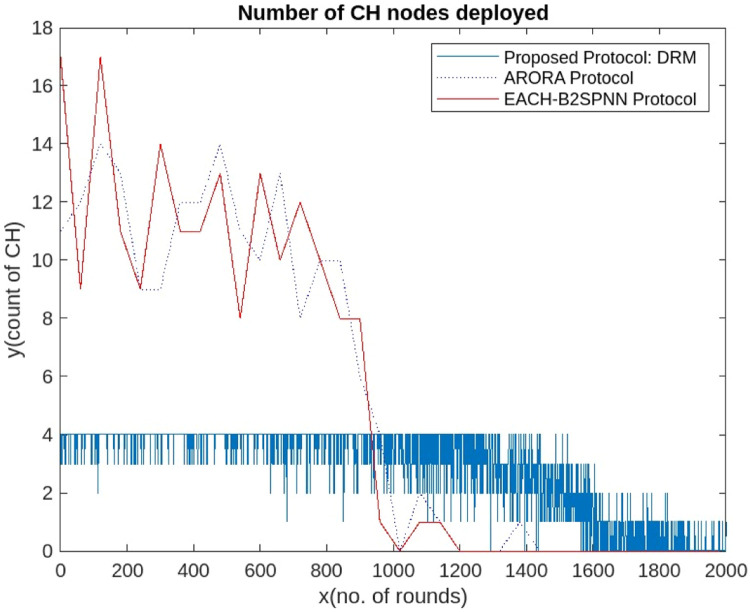 Figure 5
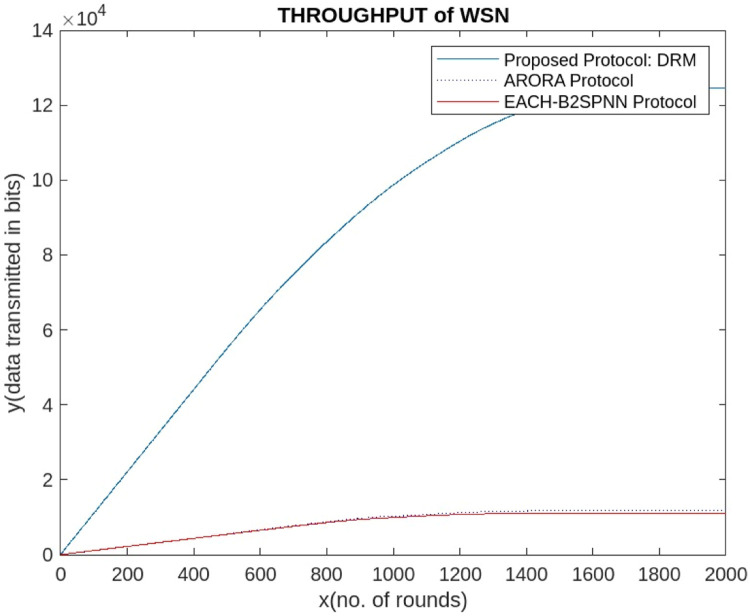 Figure 6
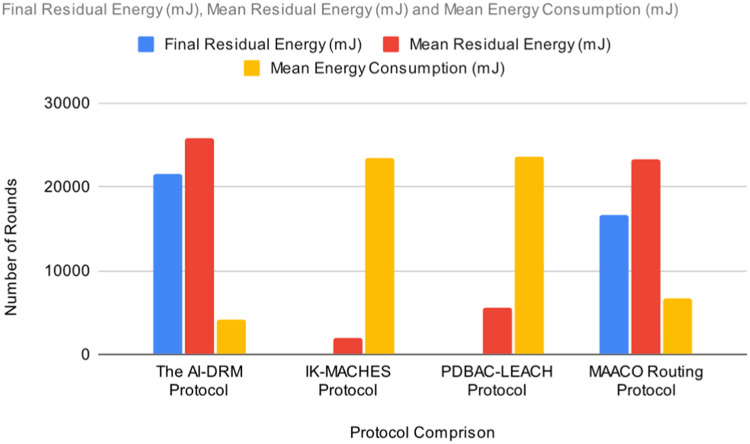 Figure 7
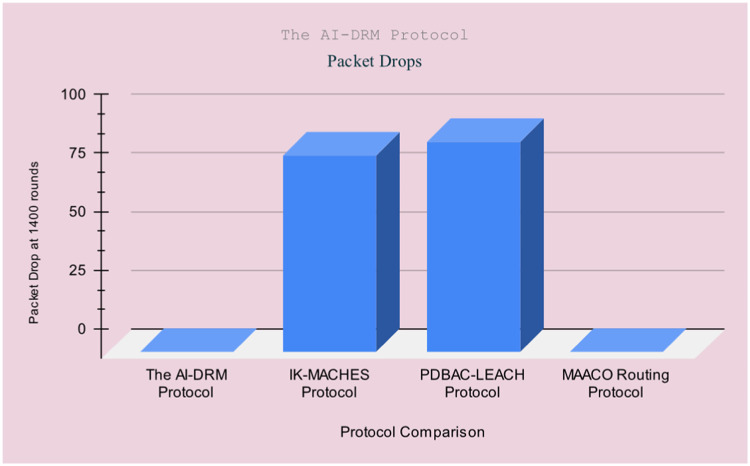 Figure 8
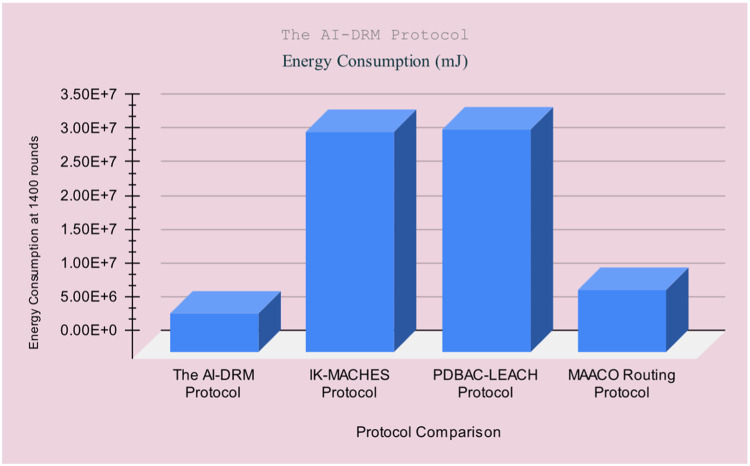 Figure 9
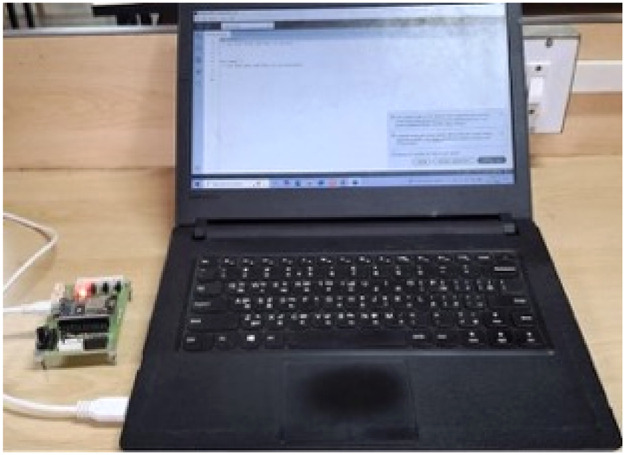 Figure 10
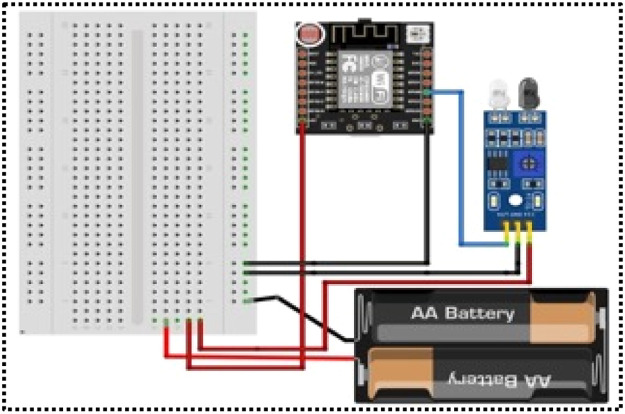 Figure 11
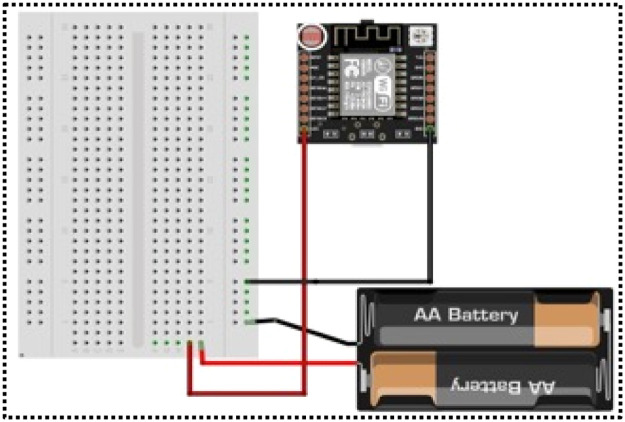 Figure 12
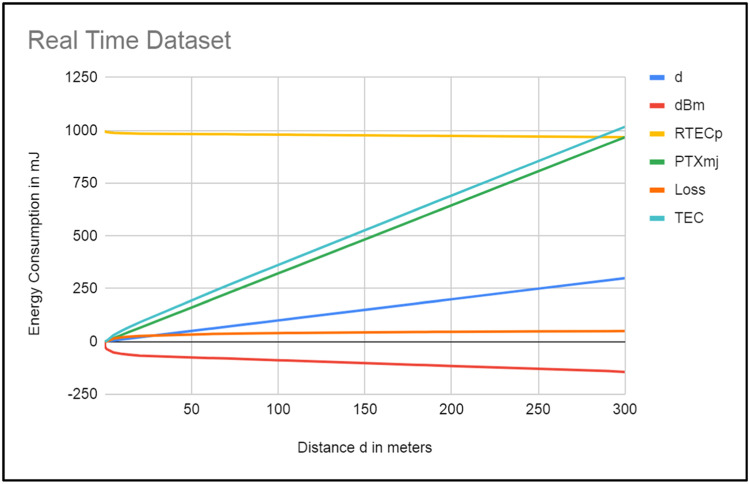 Figure 13
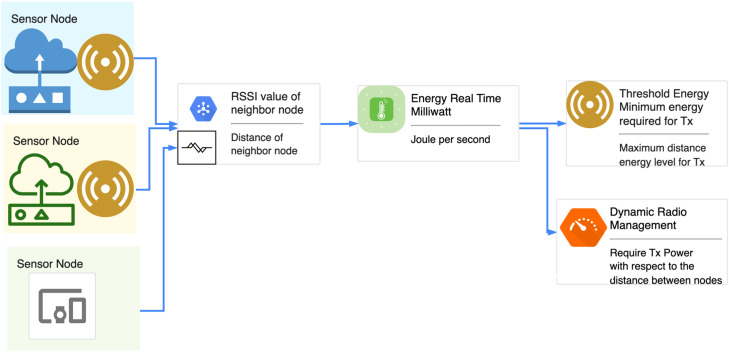 Figure 14
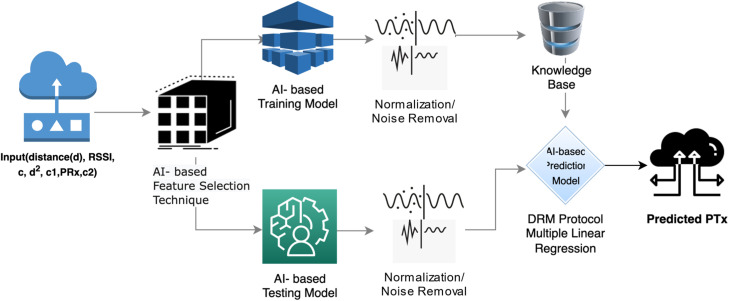 Figure 15
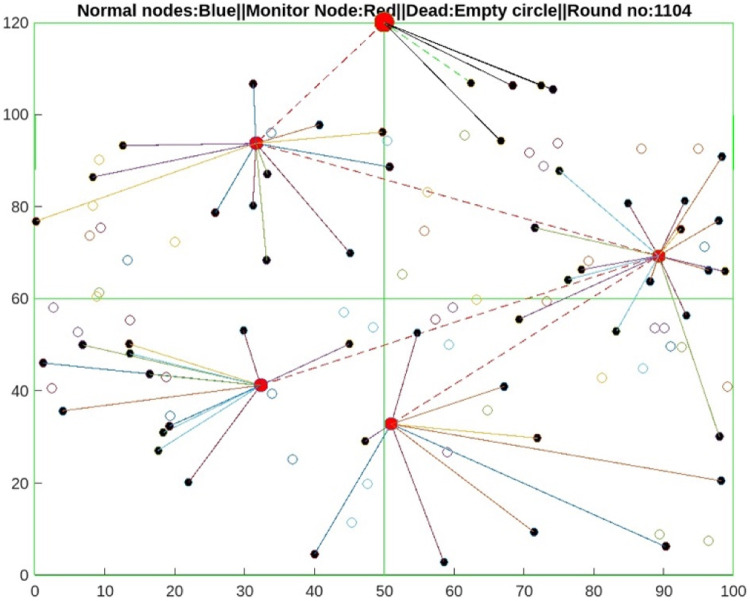 Figure 16
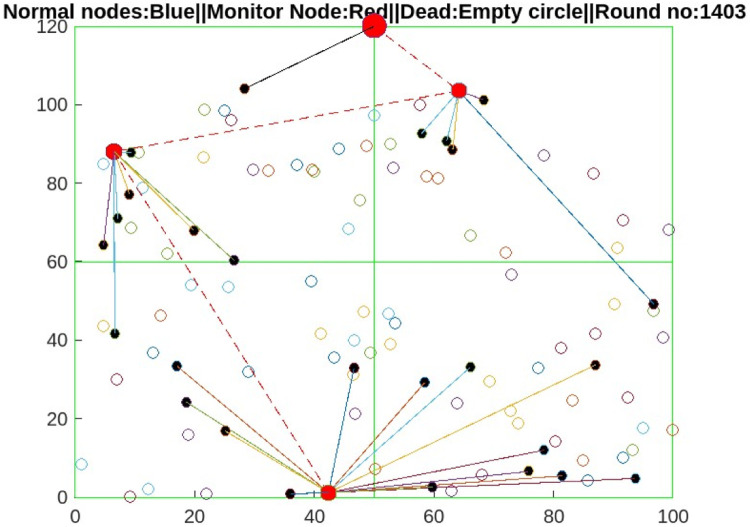 Figure 17
Peer Reviews
No public reviews on file for this paper yet. If you reviewed it on a platform where reviews are public (OpenReview, ICLR, NeurIPS, ICML), you can paste yours below so the community can read it here.
Videos
No videos yet. Explain this paper in a talk, walkthrough, or lecture? Add one.
Taxonomy
TopicsIoT and Edge/Fog Computing · Robotics and Automated Systems · Modular Robots and Swarm Intelligence