Biogenic Fabrication of Nanoparticles With Rhododendron arboreum: A Multifunctional Platform With Antibacterial, Anti-inflammatory, and Anticancer Therapeutic Potential
Iram Saba, Vivek Kumar Dhiman, Susmitha Kalaichelvan, Rajasekaran Subbarayan, Ankush Chauhan, Ritesh Verma, Ahmed Ahmed Ibrahim, Khalid Mujasam Batoo, Saif Hameed

TL;DR
This study shows that using Rhododendron arboreum extract to make zinc sulfide nanoparticles offers an eco-friendly method with antibacterial, anti-inflammatory, and anticancer properties.
Contribution
The paper introduces a green synthesis method for ZnS NPs using R. arboreum extract, demonstrating their multifunctional therapeutic potential.
Findings
ZnS NPs had a cubic structure, 2.28 nm crystallite size, and 2.8 eV optical bandgap.
NPs showed superior antibacterial activity with lower MIC and MBC values against multiple bacteria.
NPs exhibited strong anti-inflammatory effects and cytotoxicity against HCT116 cancer cells.
Abstract
Background: Plant-mediated nanotechnology offers a sustainable alternative to conventional nanoparticle synthesis by reducing reliance on hazardous chemicals and energy-intensive processes. Zinc sulfide nanoparticles (ZnS NPs) were selected for this study due to their wide bandgap, tunable optical properties, and promising biomedical potential compared to other semiconductor nanoparticles. Rhododendron arboreum flower extract, rich in flavonoids, terpenoids, and phenolic compounds, was chosen as a natural reducing and stabilizing agent to enable eco-friendly nanoparticle fabrication. We hypothesized that this phytochemical-rich extract could facilitate the green synthesis of ZnS NPs with distinctive physicochemical features and enhanced biological activity. Methods: ZnS NPs were synthesized via a Soxhlet extract-assisted method and characterized using Fourier transform infrared…
Genes, proteins, chemicals, diseases, species, mutations and cell lines named across the full text — each resolved to its canonical identifier and authoritative record.
Click any figure to enlarge with its caption.
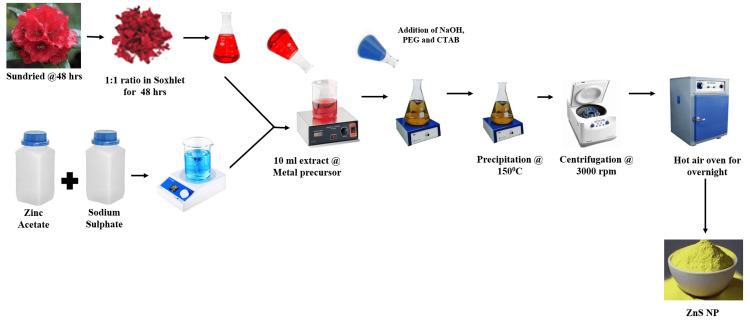 Figure 1
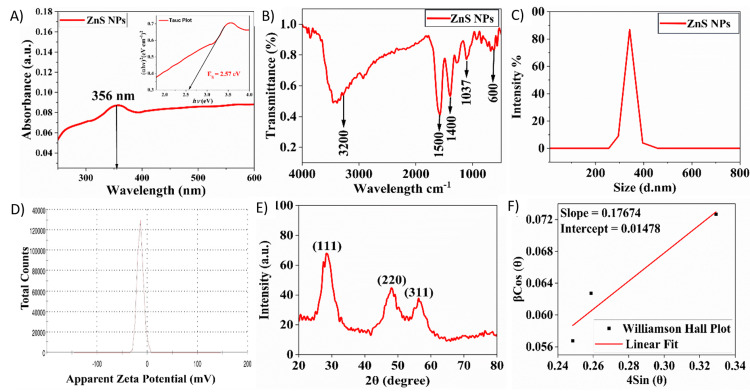 Figure 2
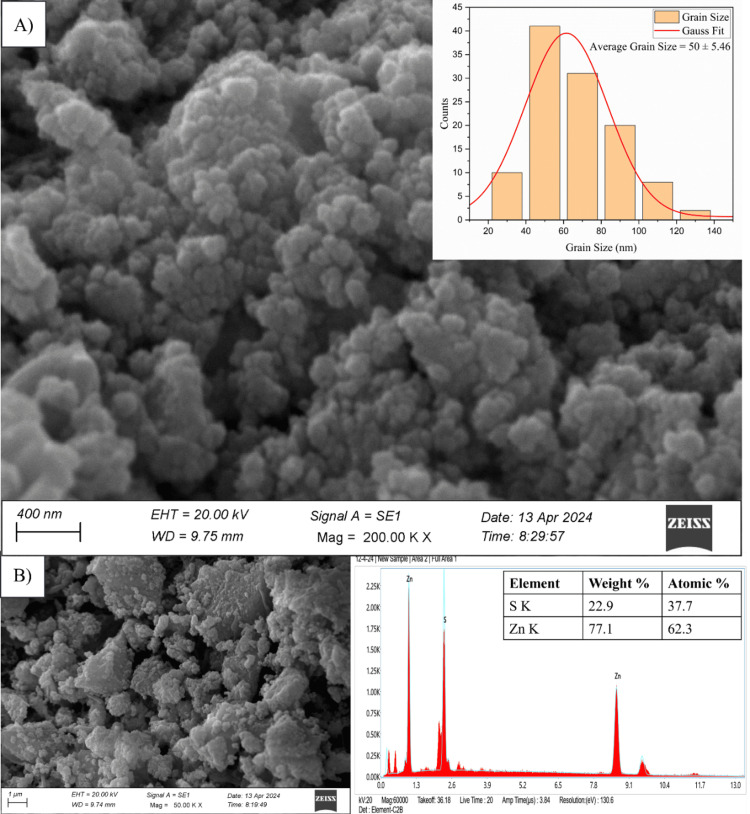 Figure 3
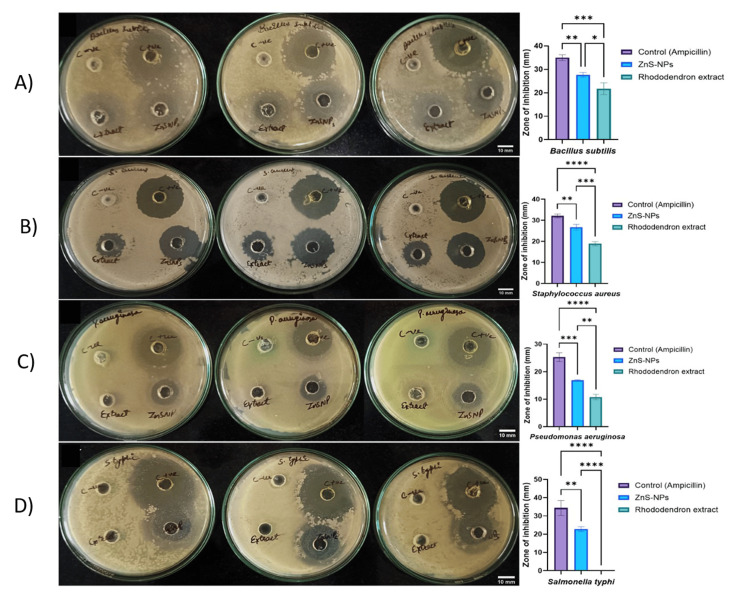 Figure 4
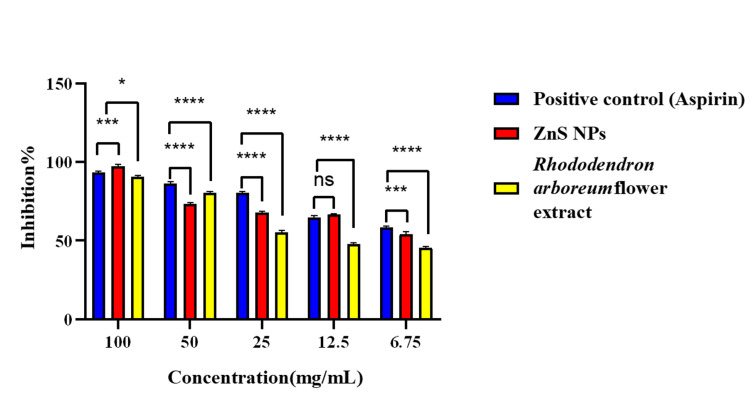 Figure 5
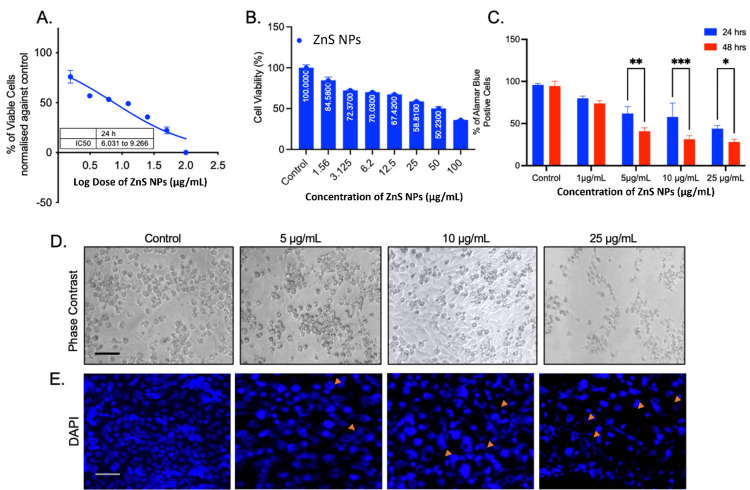 Figure 6
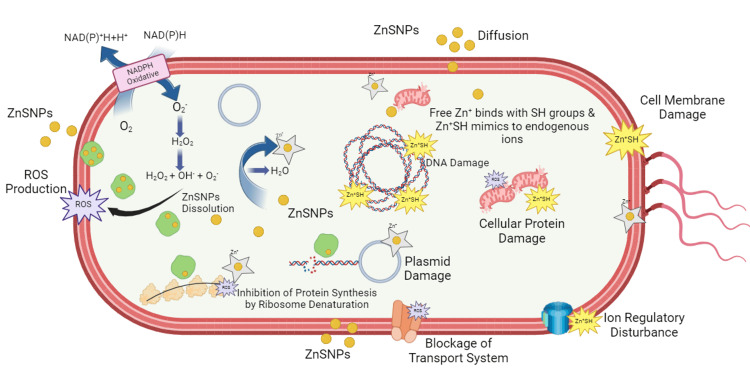 Figure 7
Peer Reviews
No public reviews on file for this paper yet. If you reviewed it on a platform where reviews are public (OpenReview, ICLR, NeurIPS, ICML), you can paste yours below so the community can read it here.
Videos
No videos yet. Explain this paper in a talk, walkthrough, or lecture? Add one.
Taxonomy
TopicsNanoparticles: synthesis and applications · Moringa oleifera research and applications · Essential Oils and Antimicrobial Activity