Nobiletin (NOB) nanoparticles ameliorate chronic paradoxical sleep deprivation (PSD)-induced cognitive deficits in rats
Yujie Hu, Dan Hou, Shuling Wang, Nianzhen Wang, Qiang Wang, Congcong Zhang, Junling Chen, Xiaohui Su, Guoshuai Yang

TL;DR
Nobiletin nanoparticles improve cognitive issues in rats caused by chronic sleep deprivation by reducing inflammation and shifting immune cell behavior.
Contribution
This study reveals a novel therapeutic mechanism involving the BMAL1/SIRT1/E2F1 axis for treating cognitive deficits from sleep deprivation.
Findings
NOB nanoparticles improved cognitive performance in sleep-deprived rats.
NOB shifted microglia from pro-inflammatory M1 to anti-inflammatory M2 phenotype.
The BMAL1/SIRT1/E2F1 axis is central to the mechanism of NOB's effects.
Abstract
Nobiletin (NOB), a naturally occurring polymethoxyflavonoid, has been shown to regulate the expression of the clock gene BMAL1. This study aims to explore the impact of NOB nanoparticles on microglial polarization and cognitive impairments resulting from chronic sleep paradoxical deprivation (PSD), as well as the mechanisms involved. Following PSD modeling, rats treated with NOB nanoparticles exhibited significantly improved cognitive performance in behavioral tests. The treatment upregulated the expression of BMAL1, SIRT1, E2F1, and the NAD+/NADH ratio, shifted microglial polarization from the pro-inflammatory M1 phenotype to the anti-inflammatory M2 phenotype, and enhanced antioxidant defenses. The NAD+ inhibitor apocynin and silencing of BMAL1 could reverse the effects of NOB nanoparticles. Overexpression of BMAL1 had similar effects to NOB nanoparticles in LPS-induced cellular…
Genes, proteins, chemicals, diseases, species, mutations and cell lines named across the full text — each resolved to its canonical identifier and authoritative record.
Click any figure to enlarge with its caption.
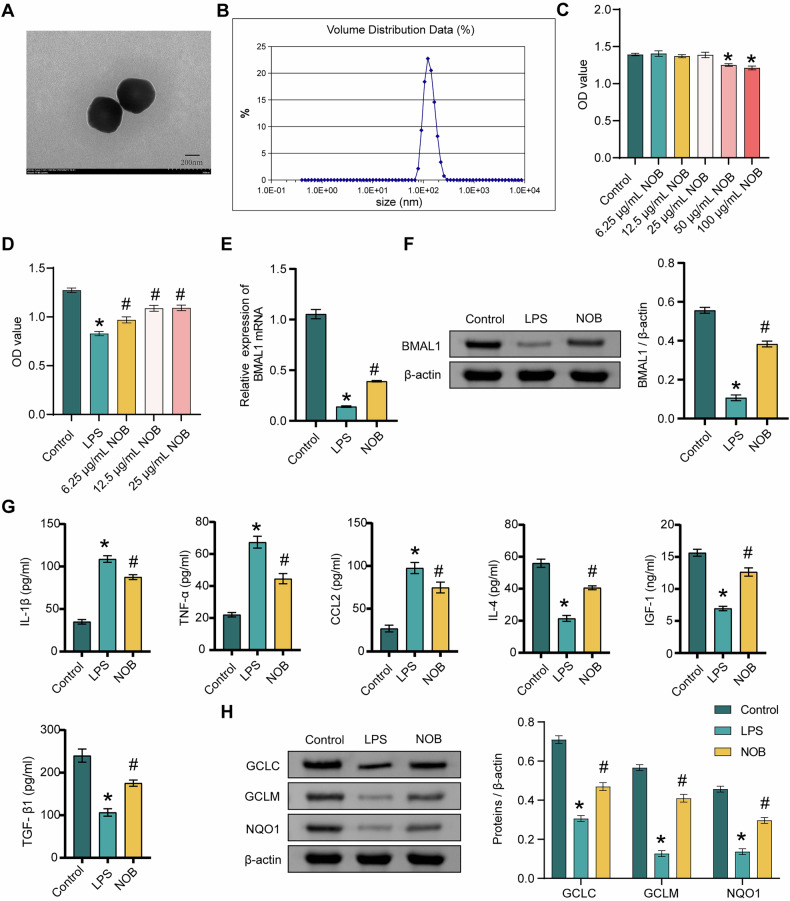 Figure 1
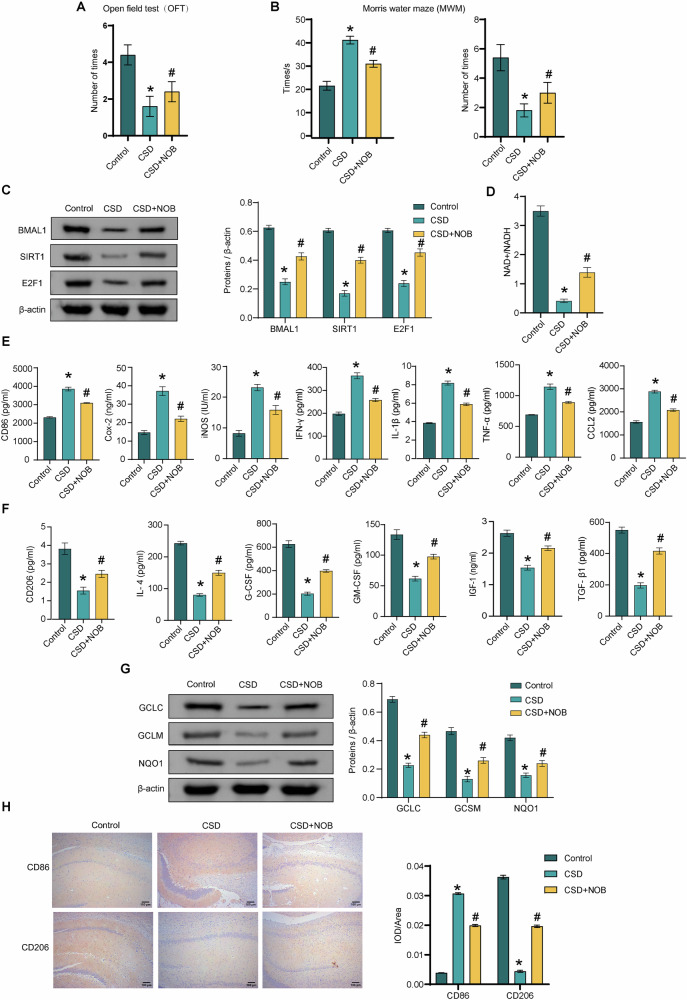 Figure 2
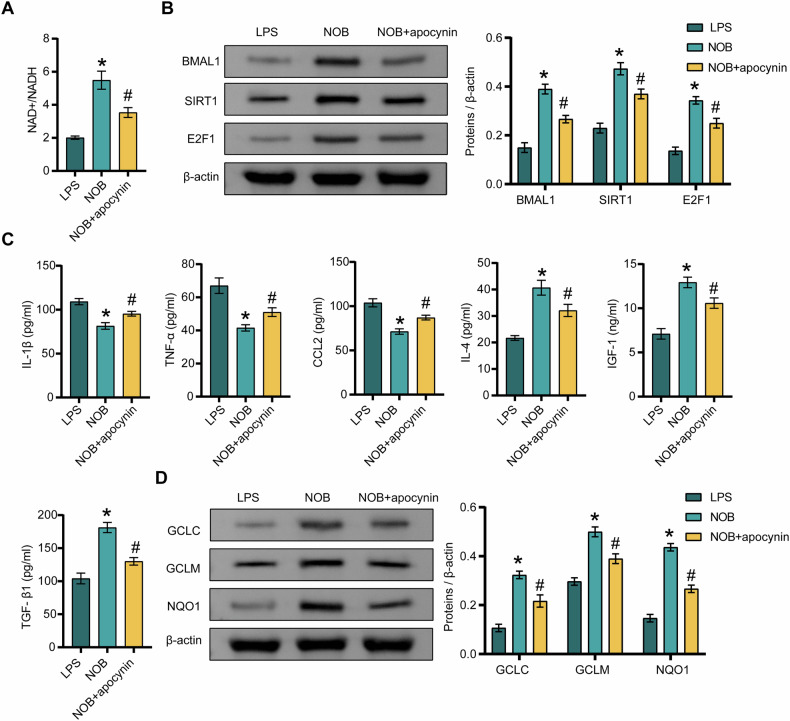 Figure 3
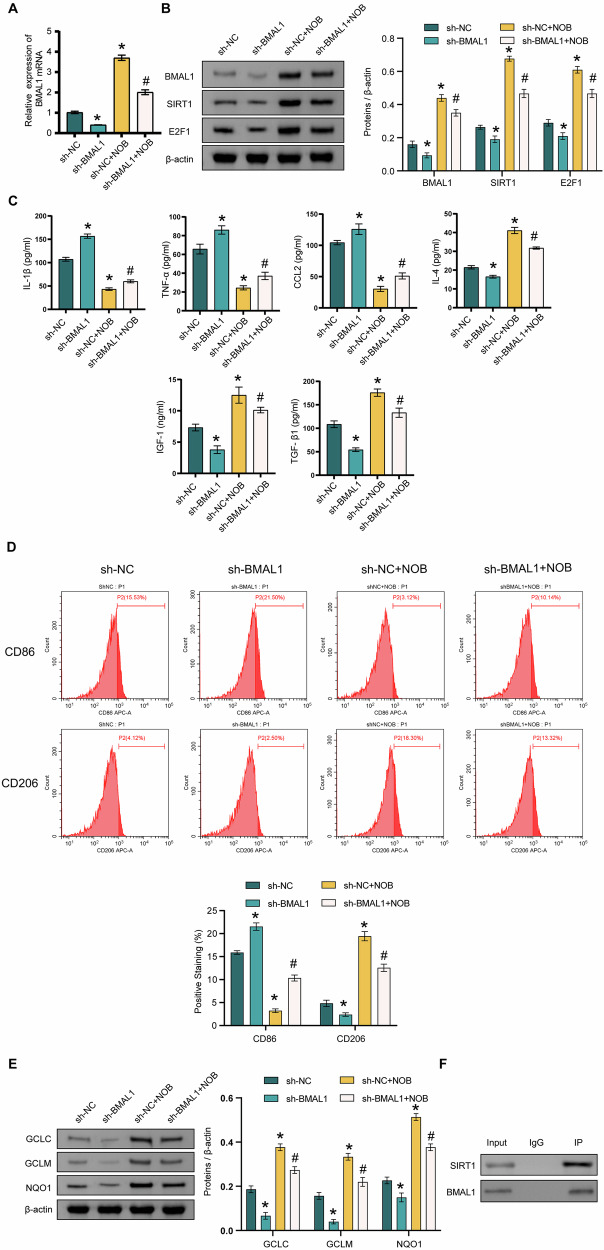 Figure 4
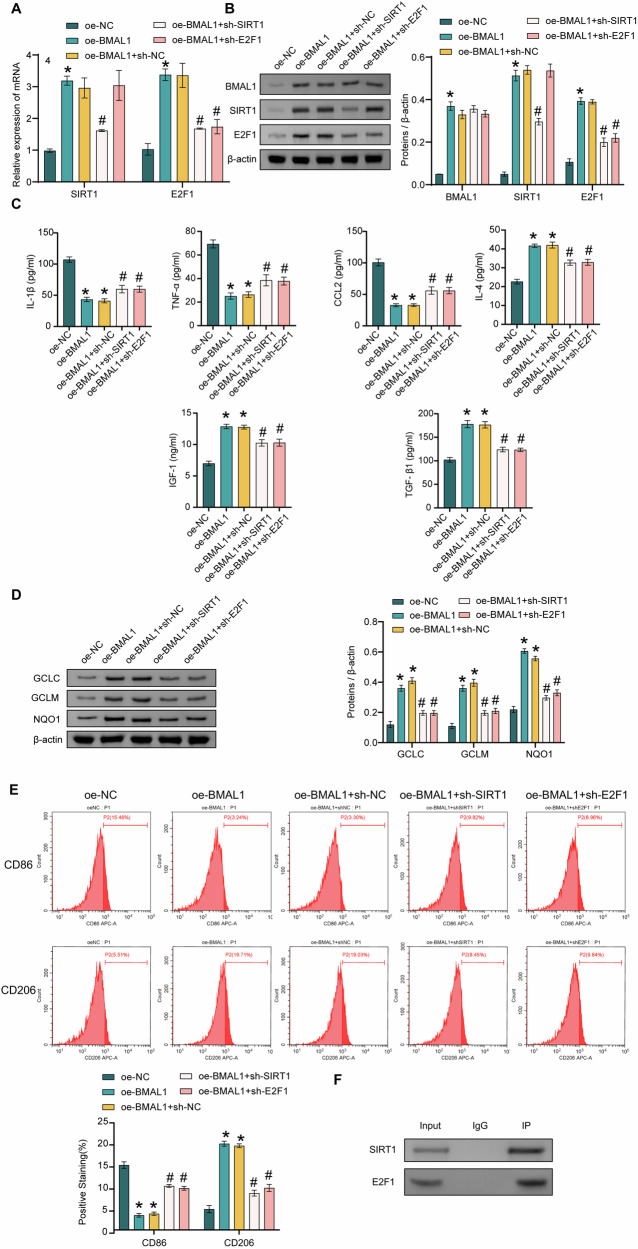 Figure 5
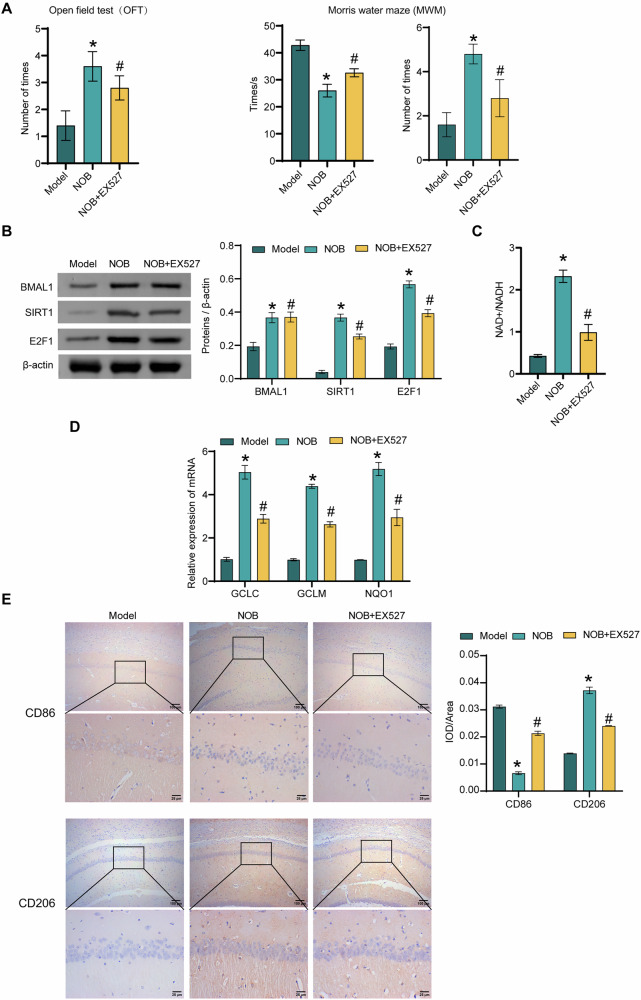 Figure 6
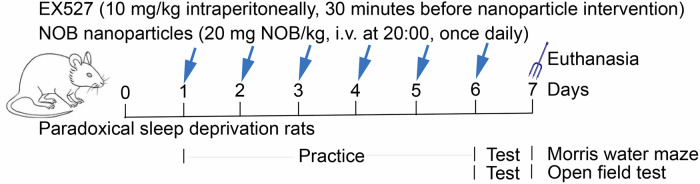 Figure 7
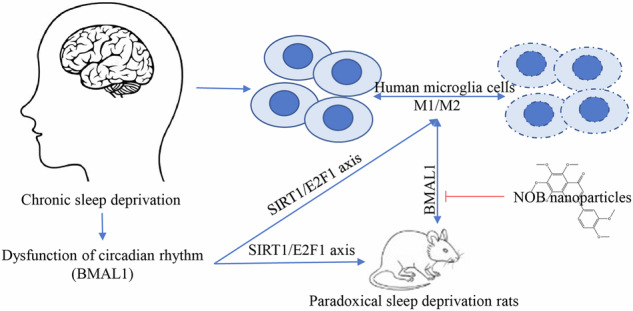 Figure 8
Peer Reviews
No public reviews on file for this paper yet. If you reviewed it on a platform where reviews are public (OpenReview, ICLR, NeurIPS, ICML), you can paste yours below so the community can read it here.
Videos
No videos yet. Explain this paper in a talk, walkthrough, or lecture? Add one.
Taxonomy
TopicsNeurological Disease Mechanisms and Treatments · Bioactive Compounds in Plants · Neuroinflammation and Neurodegeneration Mechanisms